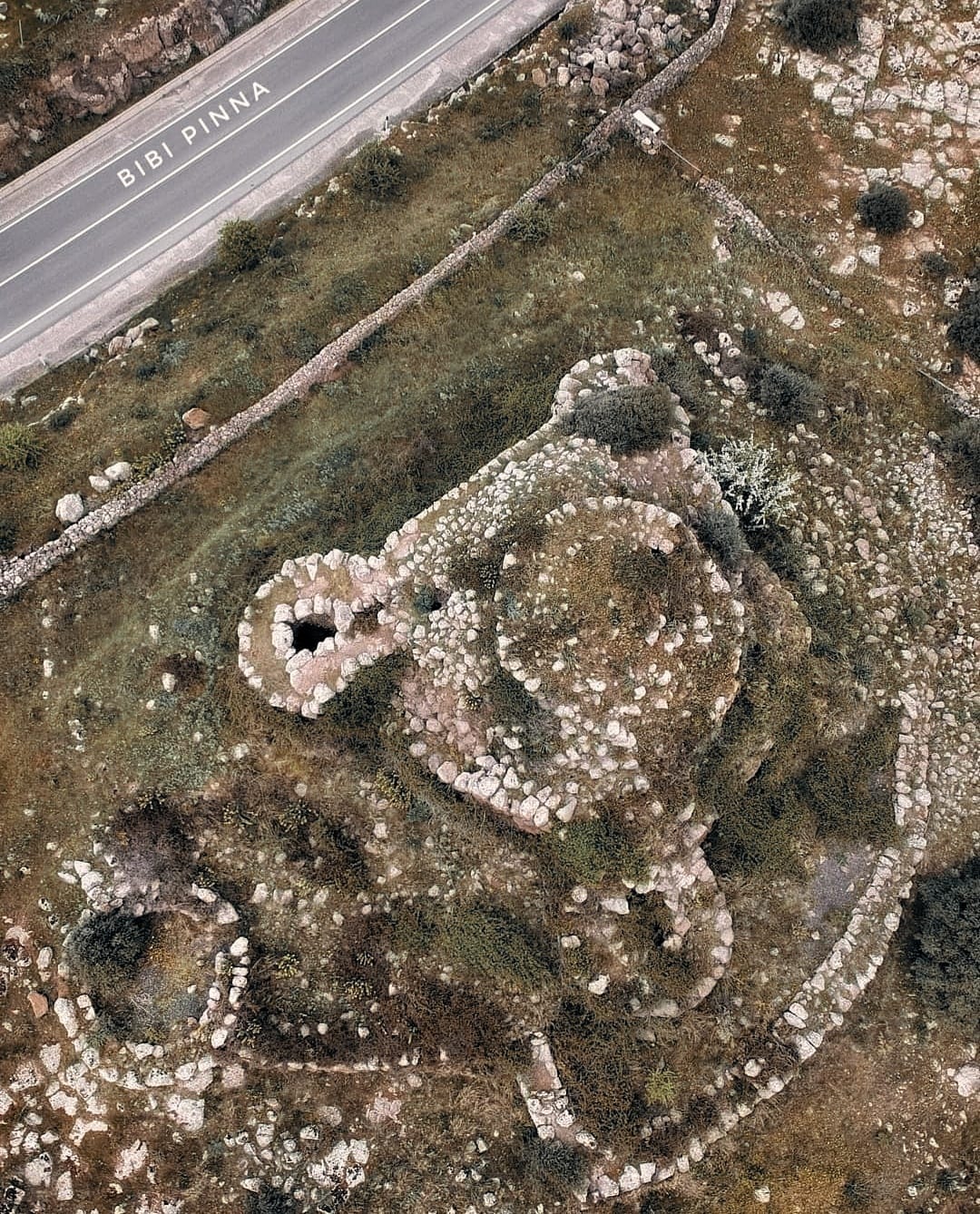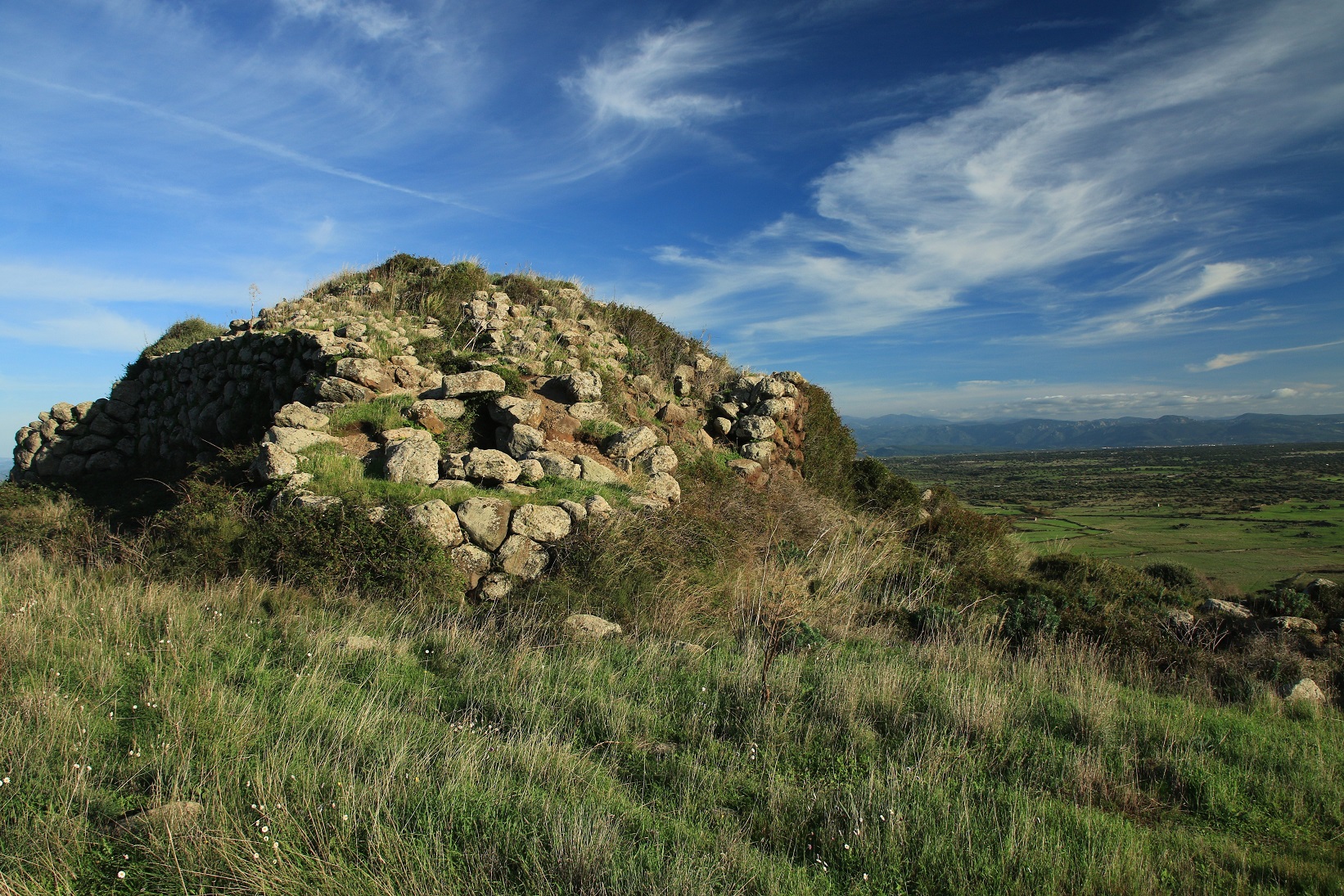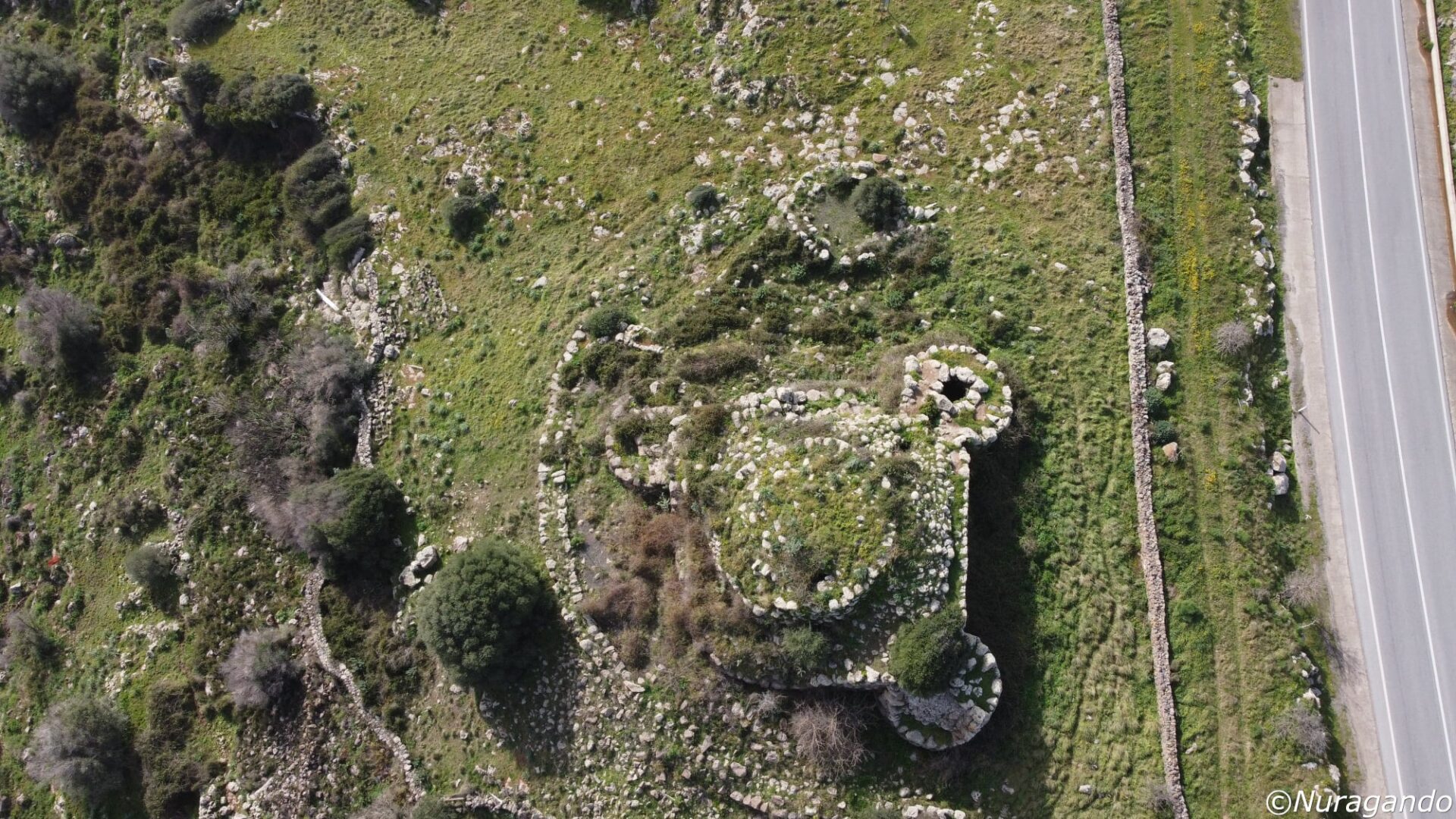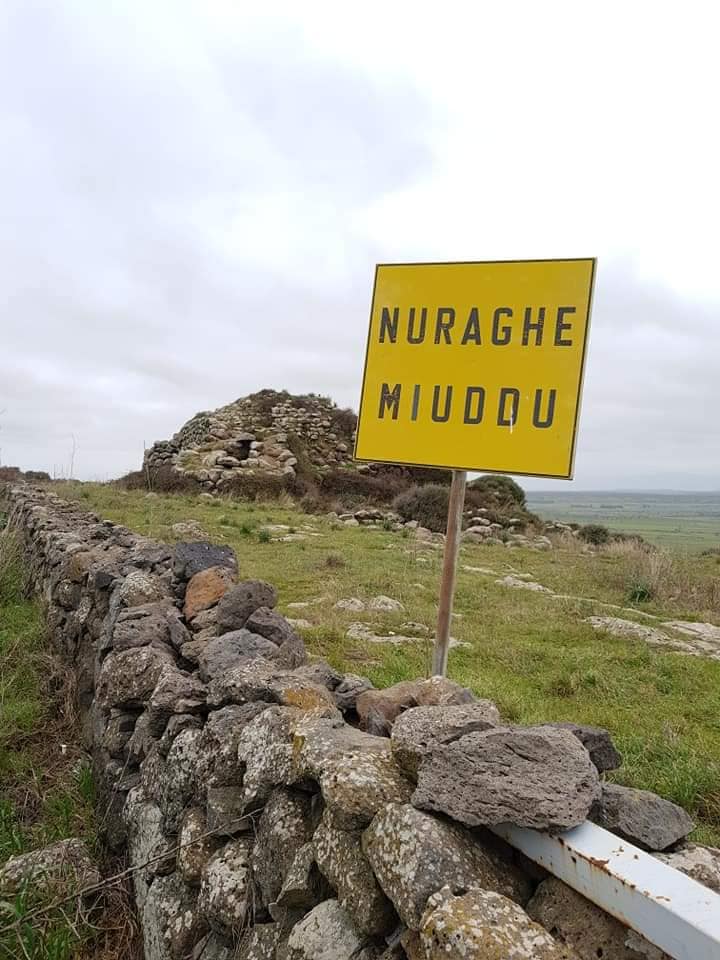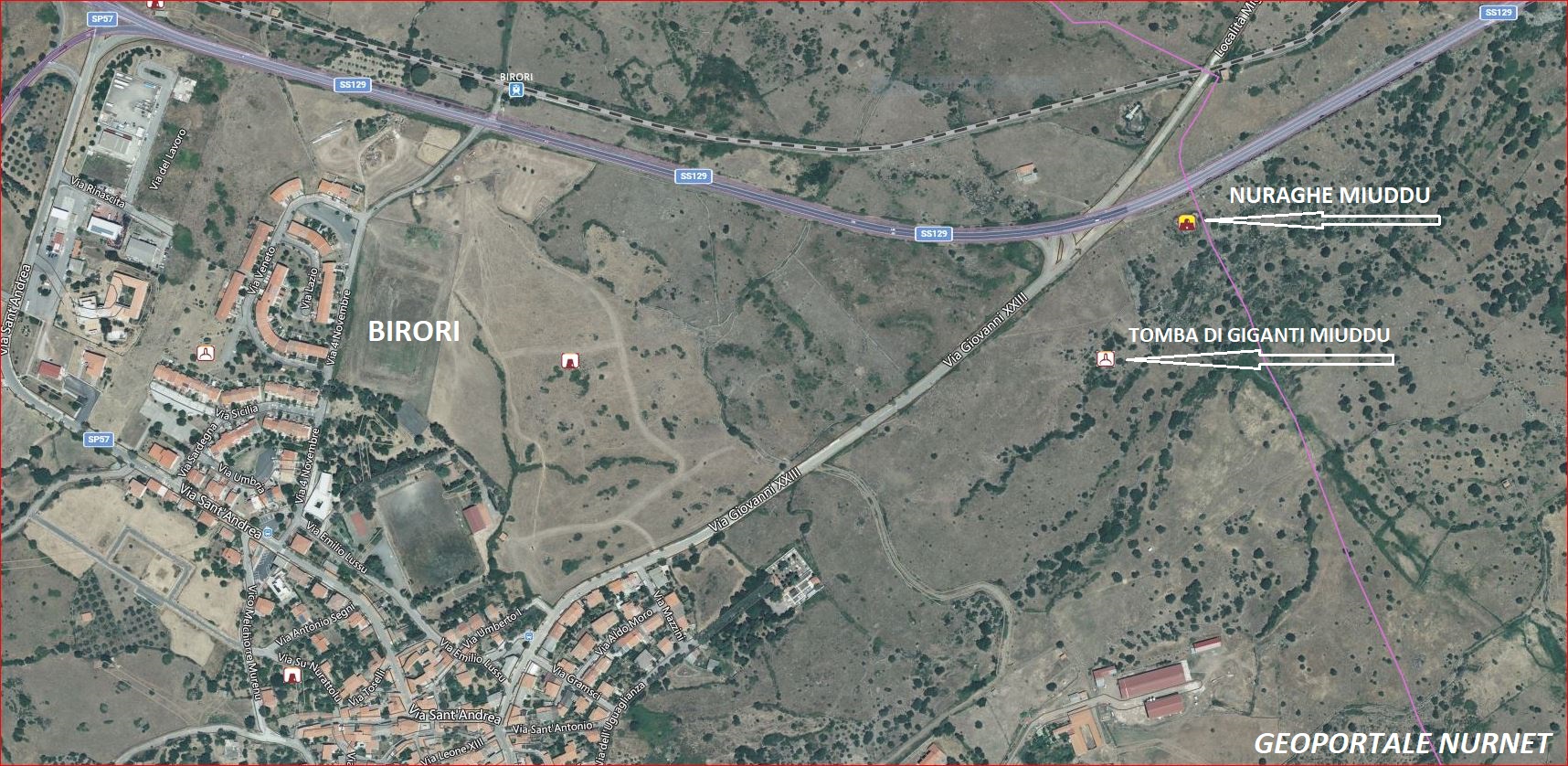
The Miuddu is an imposing three-lobed nuraghe, which was only defined in its layout following the 1995 excavation campaign. Until then, it was considered a quadrilobate.
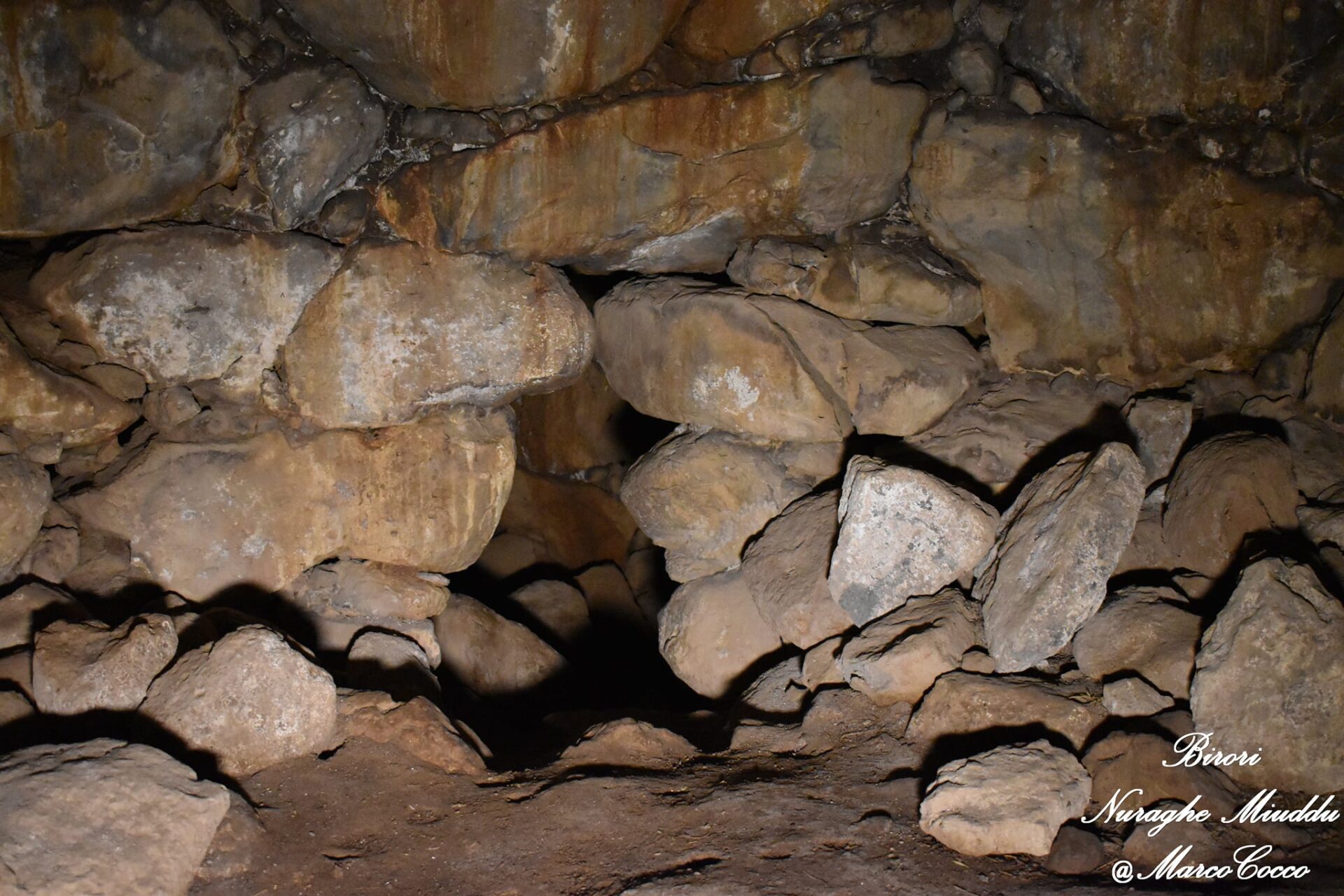
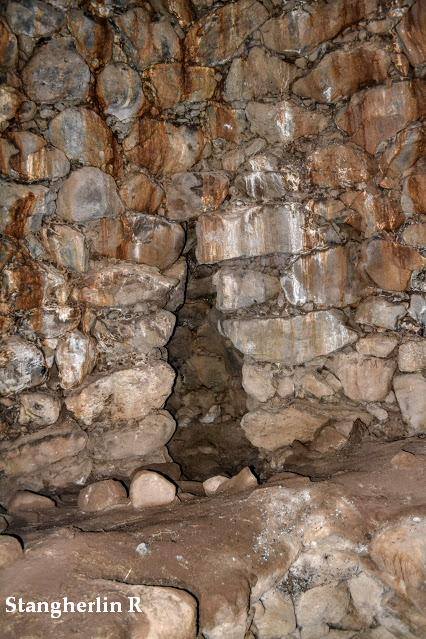
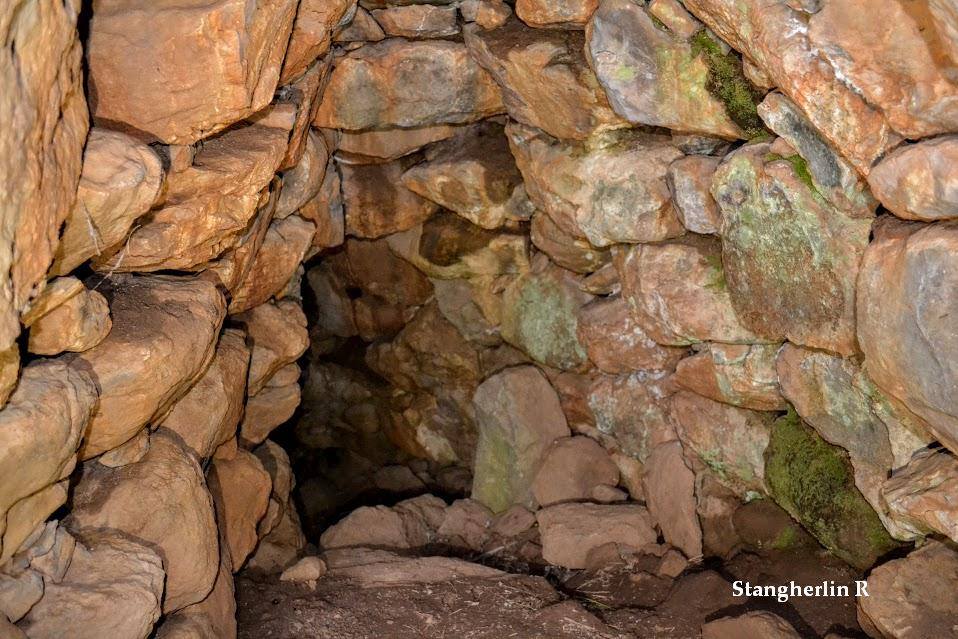
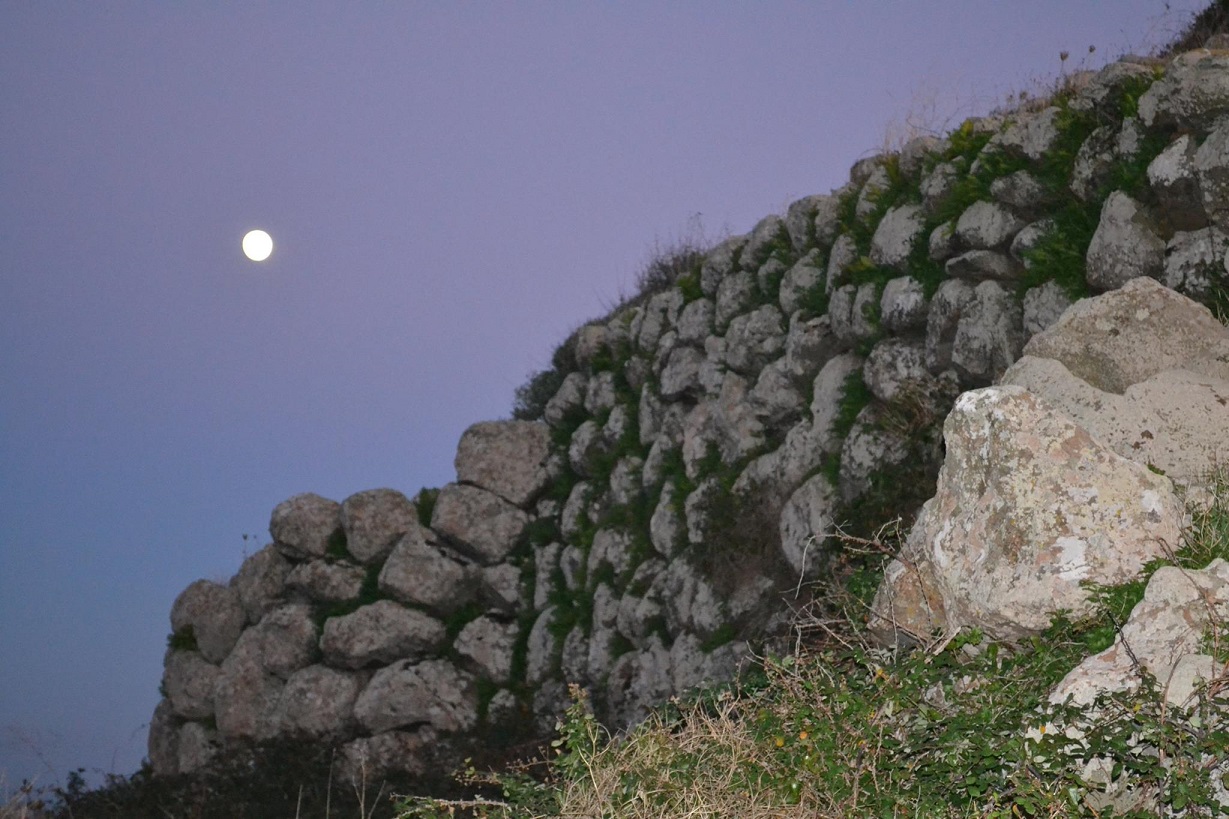
It consists of a keep enclosed by a bastion with three corner towers connected by rectilinear curtains on the NW and SW sides and curvilinear on the east side. None of the added towers are accessible due to collapse. The original entrance to the donjon is obstructed by collapses and filling. From the circular chamber one can see openings to the corridor and three niches arranged in a cross, two of which widen into spaces that cannot be defined today.
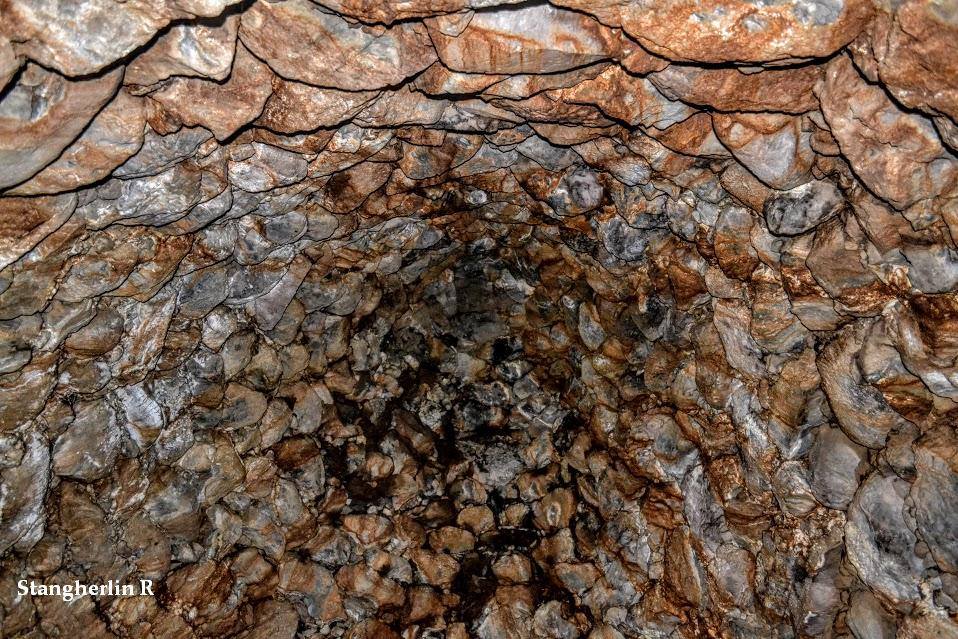
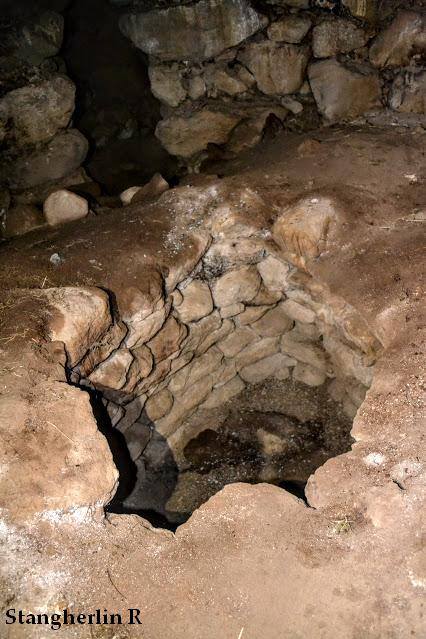
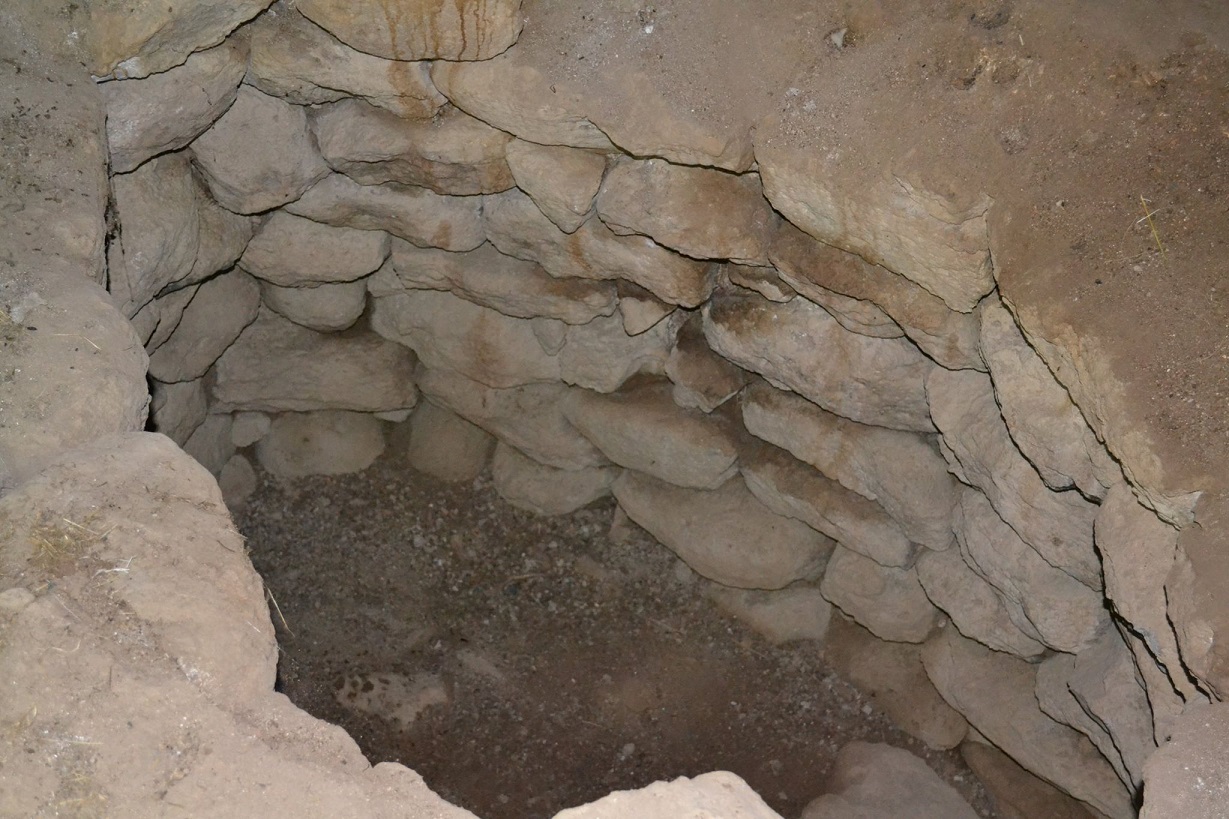
Inside the chamber is an offset well obstructed by rubble. The tholos roof is intact. The monument is surrounded by an ante-mural, only partly preserved, which includes a hut still in good condition on the SE side.
The Miuddu Nuraghe will soon be the subject of a restoration campaign already financed by the Ministry of Culture, which will significantly increase its usability.
On the SS 129 in the direction of Birori near the second junction for Birori, which is easily visible on the right. Take a path leading to the monument, marked by a panel.
Source: Ministry of Culture – Idese.
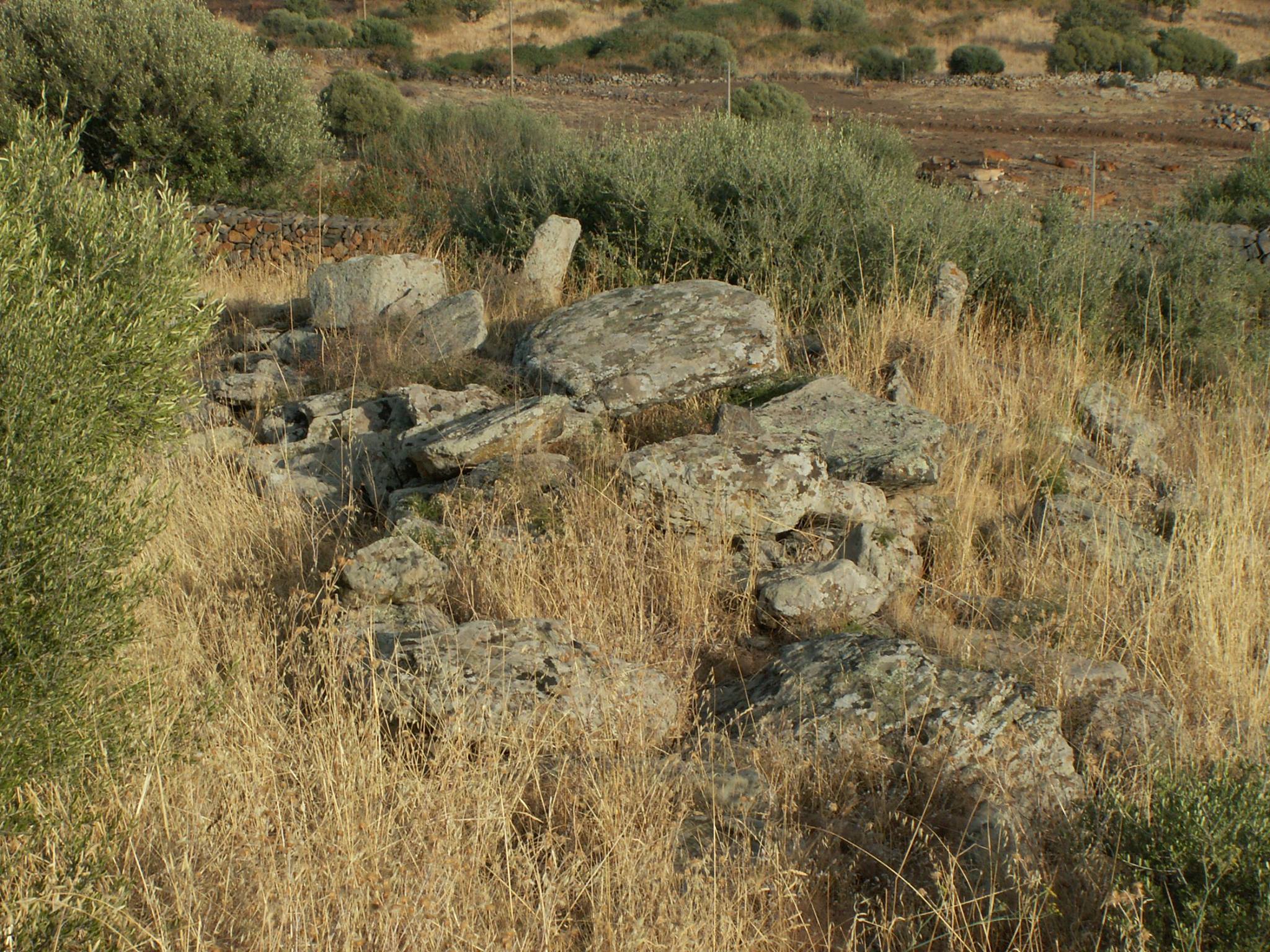
Near and in close relation to the Miuddu nuraghe, not more than a hundred metres to the south-east, there is a giants’ tomb that presents the usual architectural module of the tomb type: semicircular exedra…rectangular body slightly apsidal…and rectangular burial chamber (Moravetti 1998).
The photos of the Miuddu nuraghe are by: Bibi Pinna, Gianni Sirigu, Andrea Mura-Nuragando Sardegna, Marco Cocco and Romano Stangherlin. The photo of the Miuddu giants’ tomb is by Birori Archeologica.