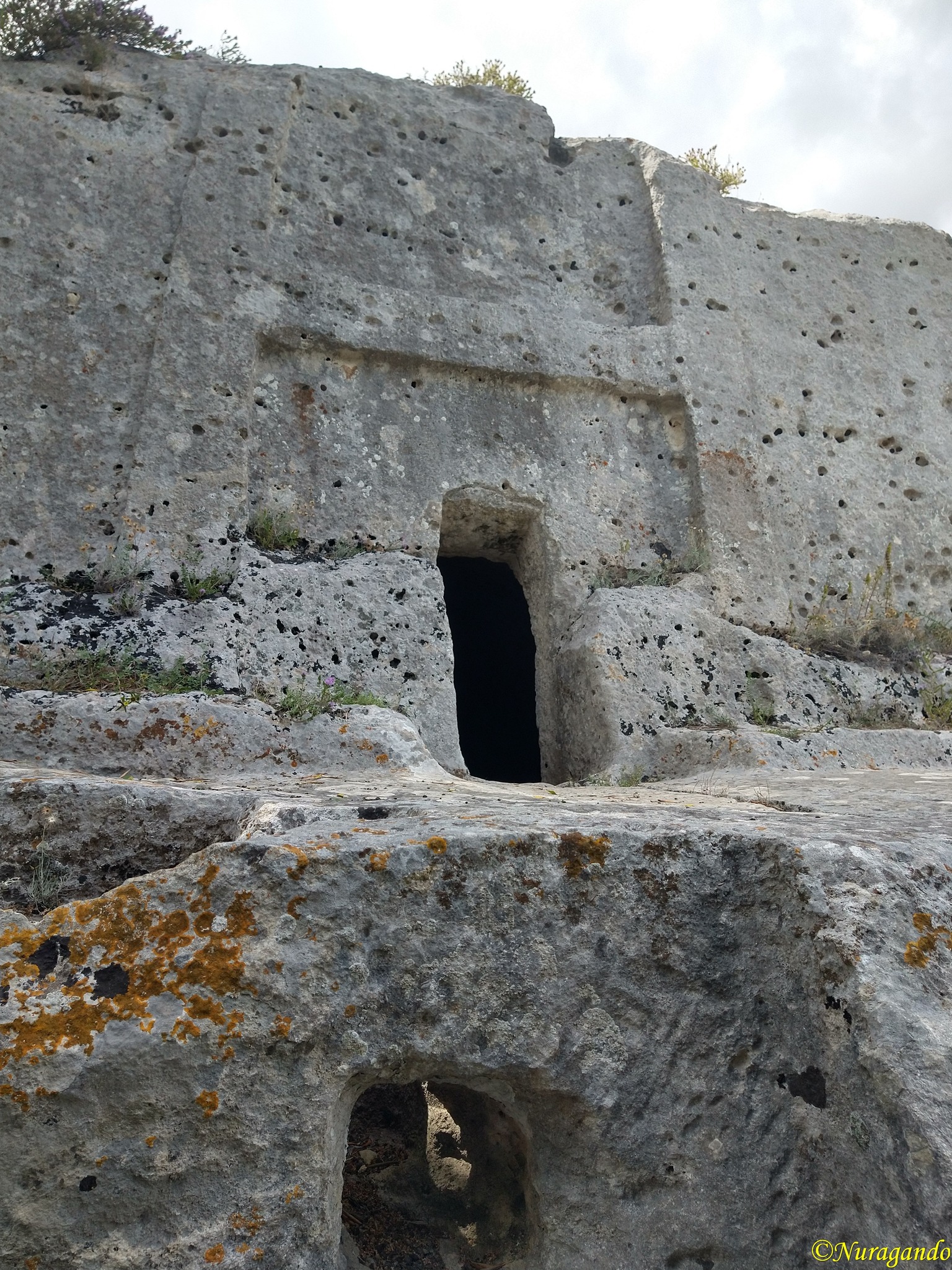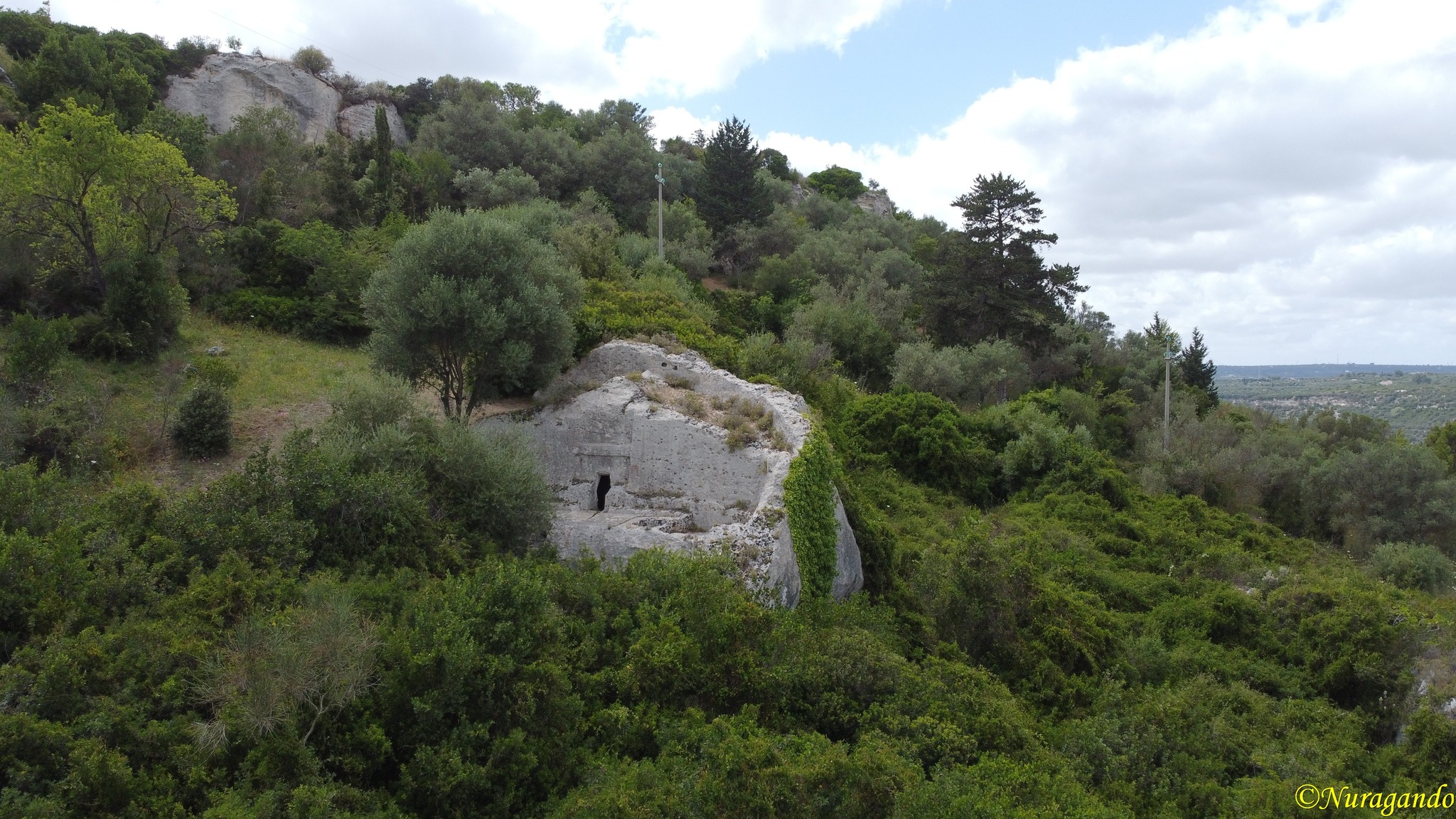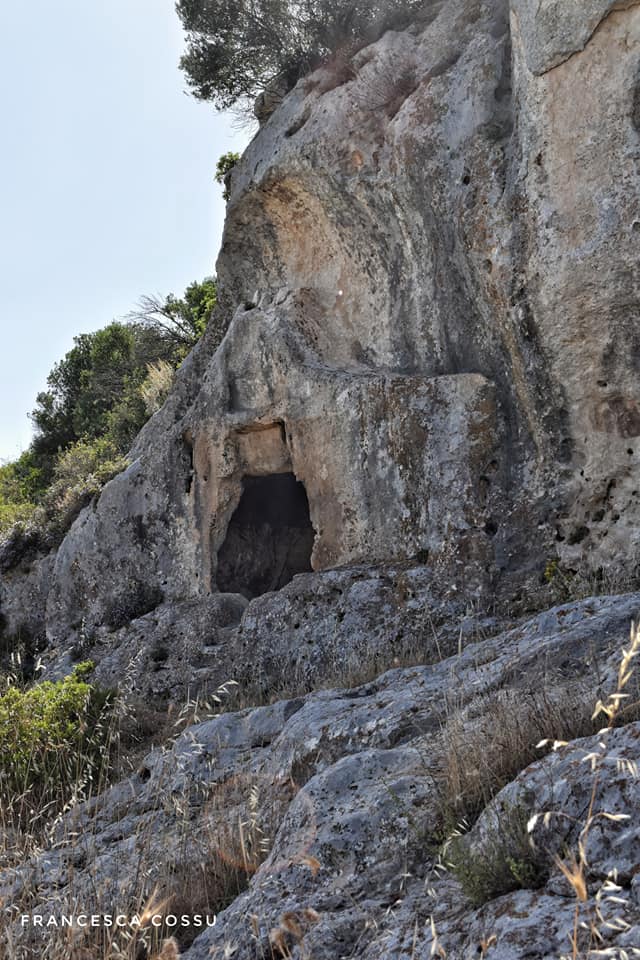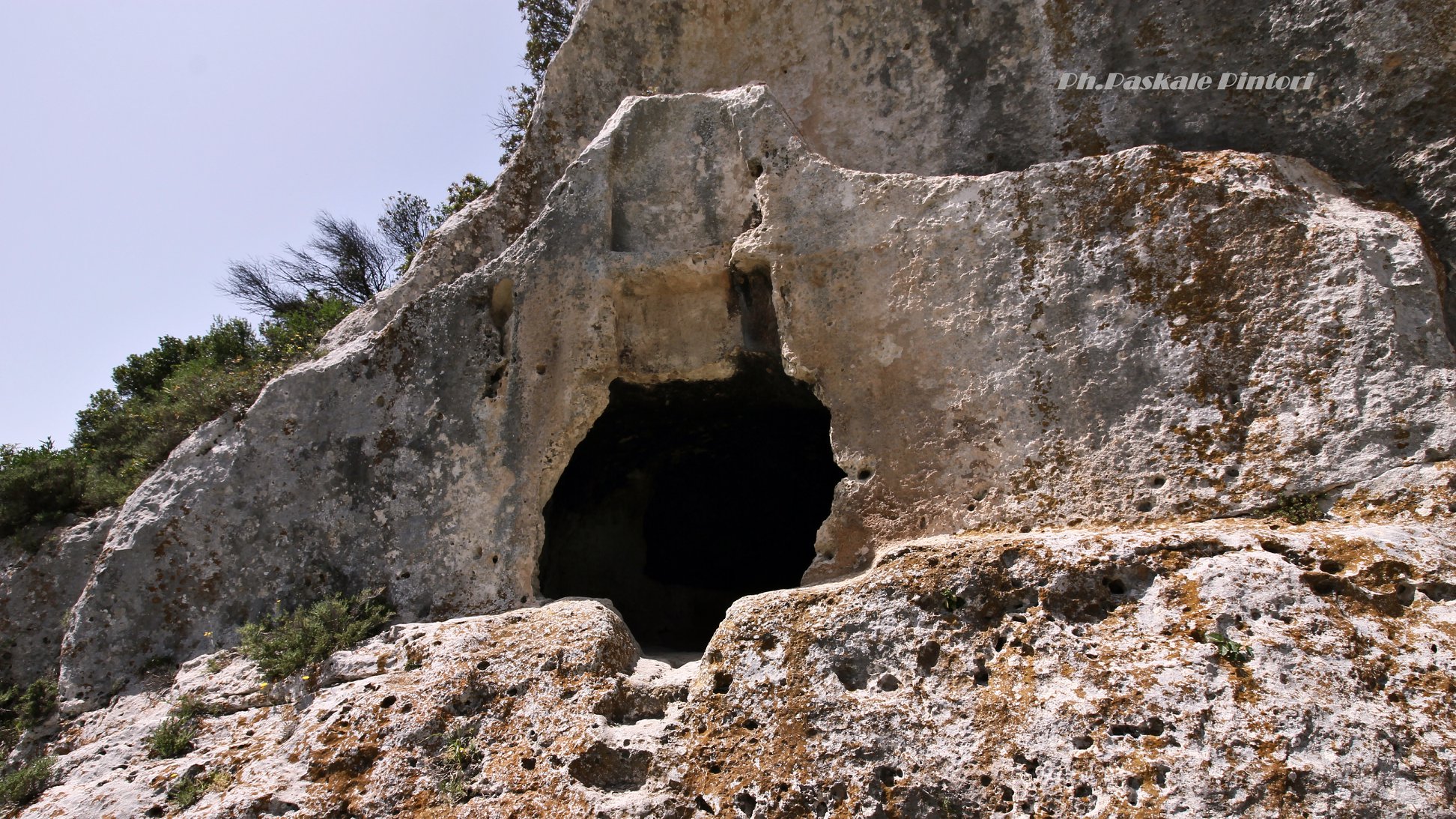
The Tomb of Giants is the type of tomb specific to the Nuragic Age throughout Sardinia: it too is characteristic of the Nuragic civilisation and finds no analogy with contemporary tombs on the Italian peninsula or in Europe. There are, however, other types of tombs, although their presence is an absolute minority. Contemporary with the Tombs of Giants are the ‘hypogeic tombs with an architectural elevation’ or, more correctly, the ‘rock-cut tombs of giants’.
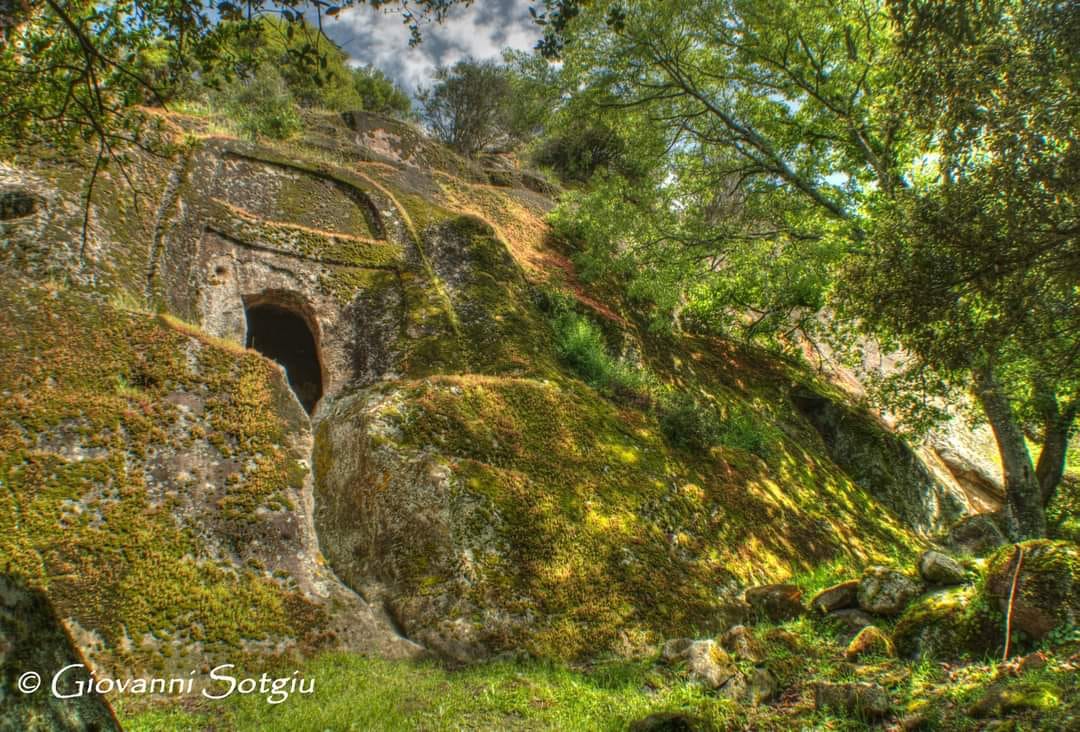
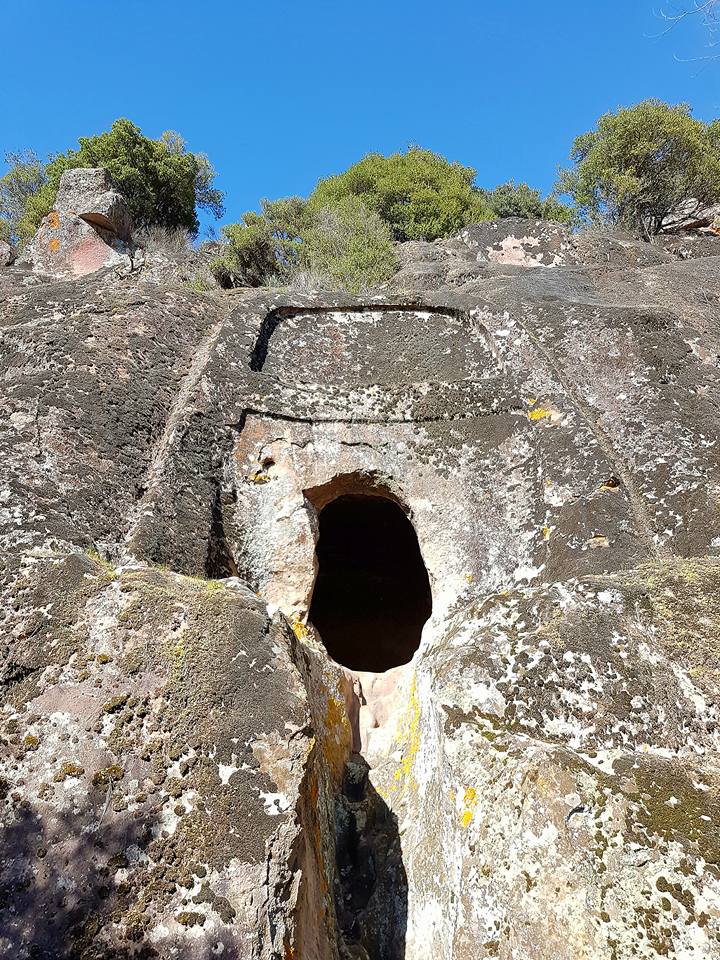
In these tombs, the burial chamber consists of a more or less elongated cell dug into the rock, while the centred stele and the exedra are carved into the rock face; not infrequently, the old ‘domus de janas’ are used, adapting them by enlarging the original rooms.
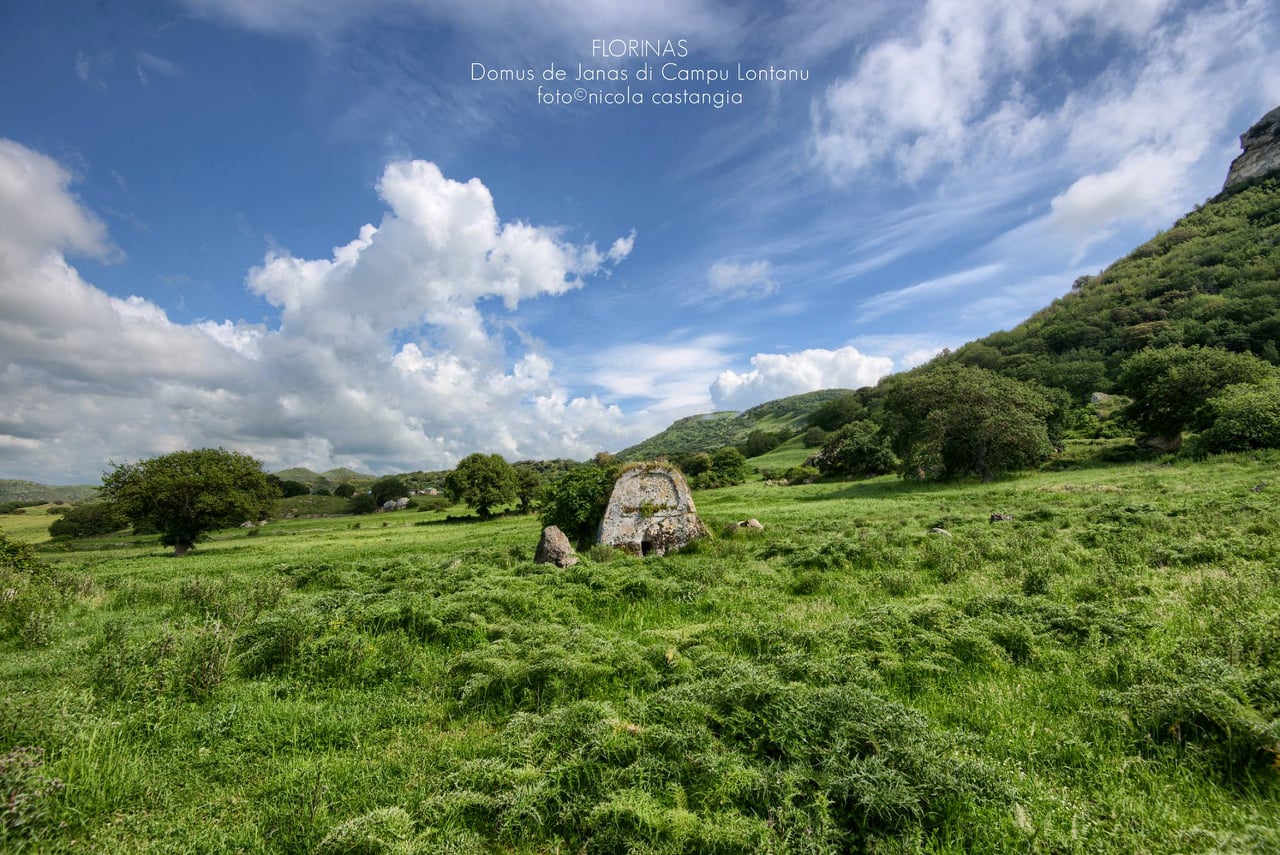
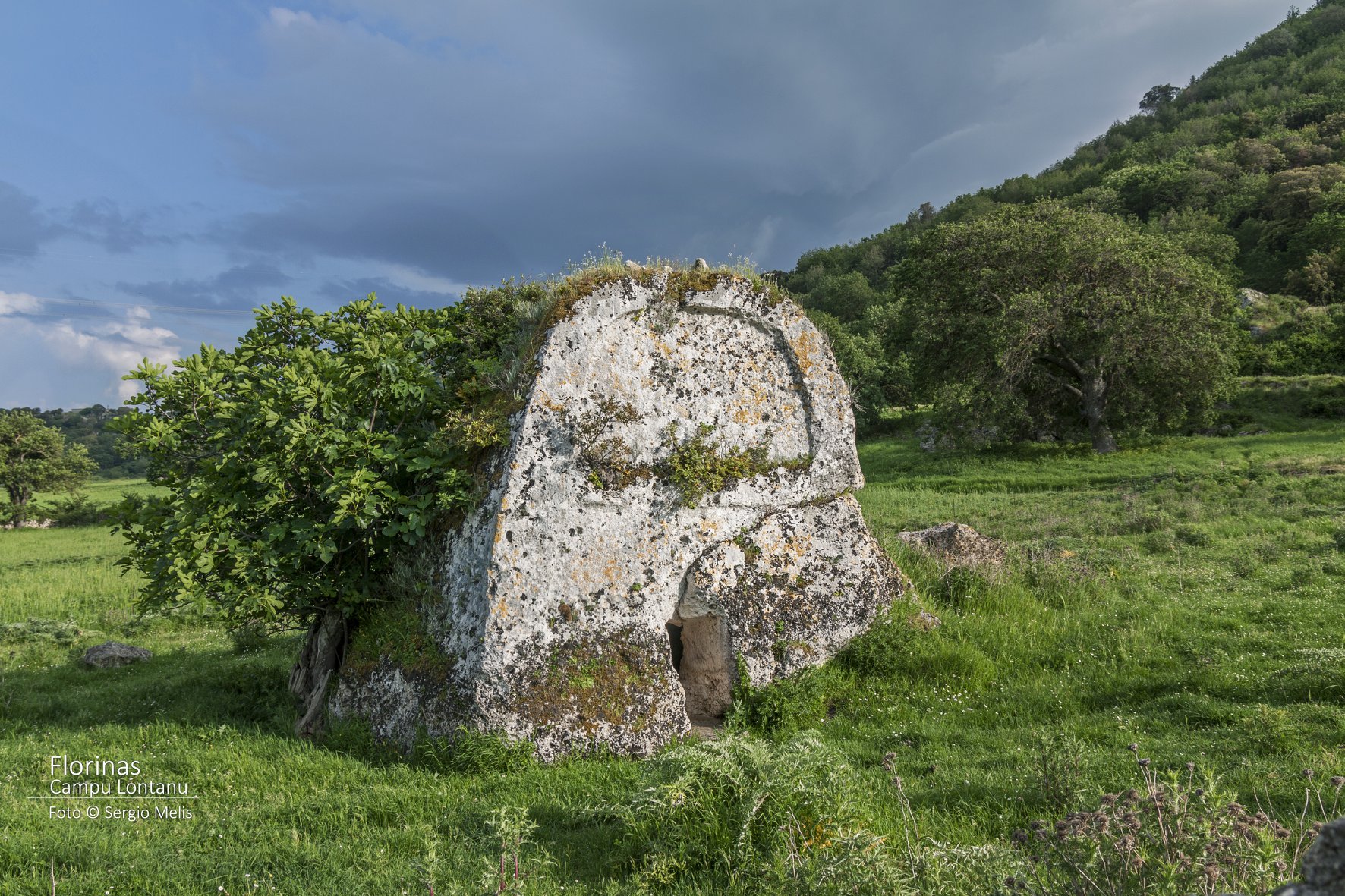
They are found exclusively in north-western Sardinia, particularly in the Sassarese area. They usually open on the vertical walls of rocky ridges, but at ‘Campu Lontanu’ in the territory of Florinas, the entire tomb is carved out of a large isolated boulder…
Source: Luisanna Usai: ‘Prehistory and Nuragic civilisation’. Extract from “La Sardegna, tutta la Storia in mille domande” – Biblioteca della Nuova Sardegna – year 2011.
In the images, the Tombs of Giants excavated in the rock of: Campu Lontanu di Florinas (Sergio Melis); Sos Furrighesos di Anela (Giovanni Sotgiu and Pino Fiore); Sas Puntas di Tissi (Andrea Mura-Nuragando Sardegna), Mesu ‘e Montes di Ossi (Paskale Pintori and Francesca Cossu) and Ittiari di Osilo (ArcheoUri Vagando).