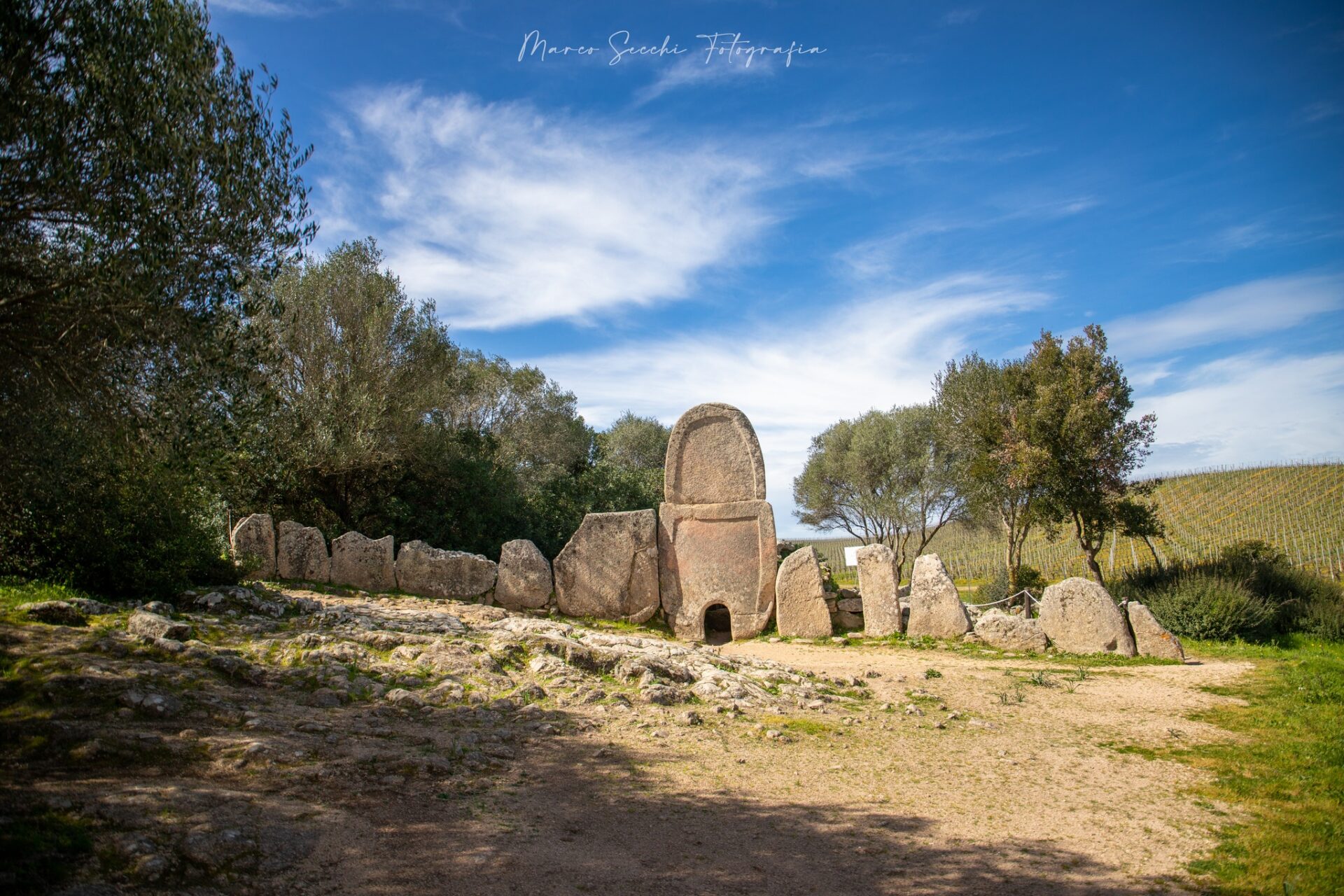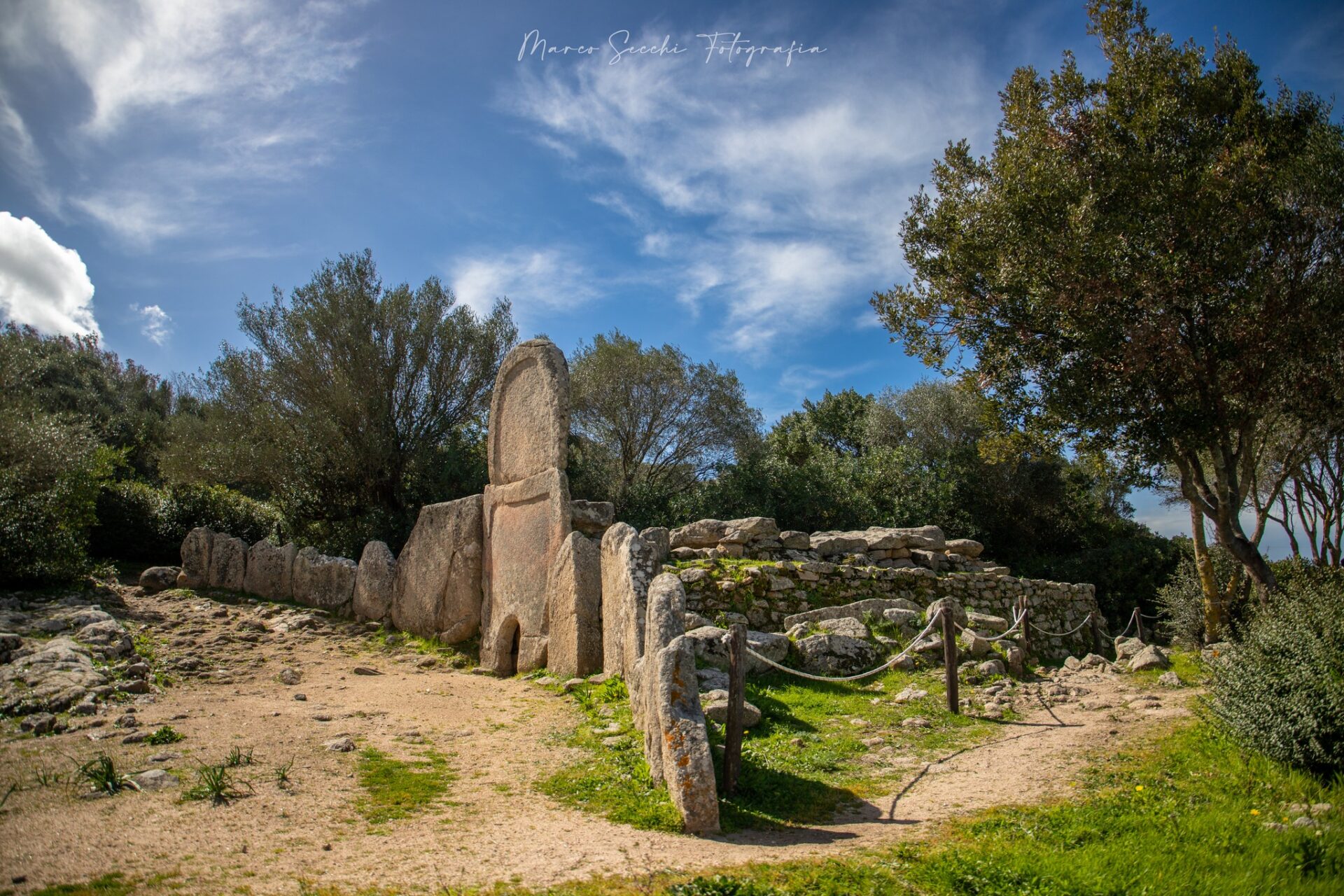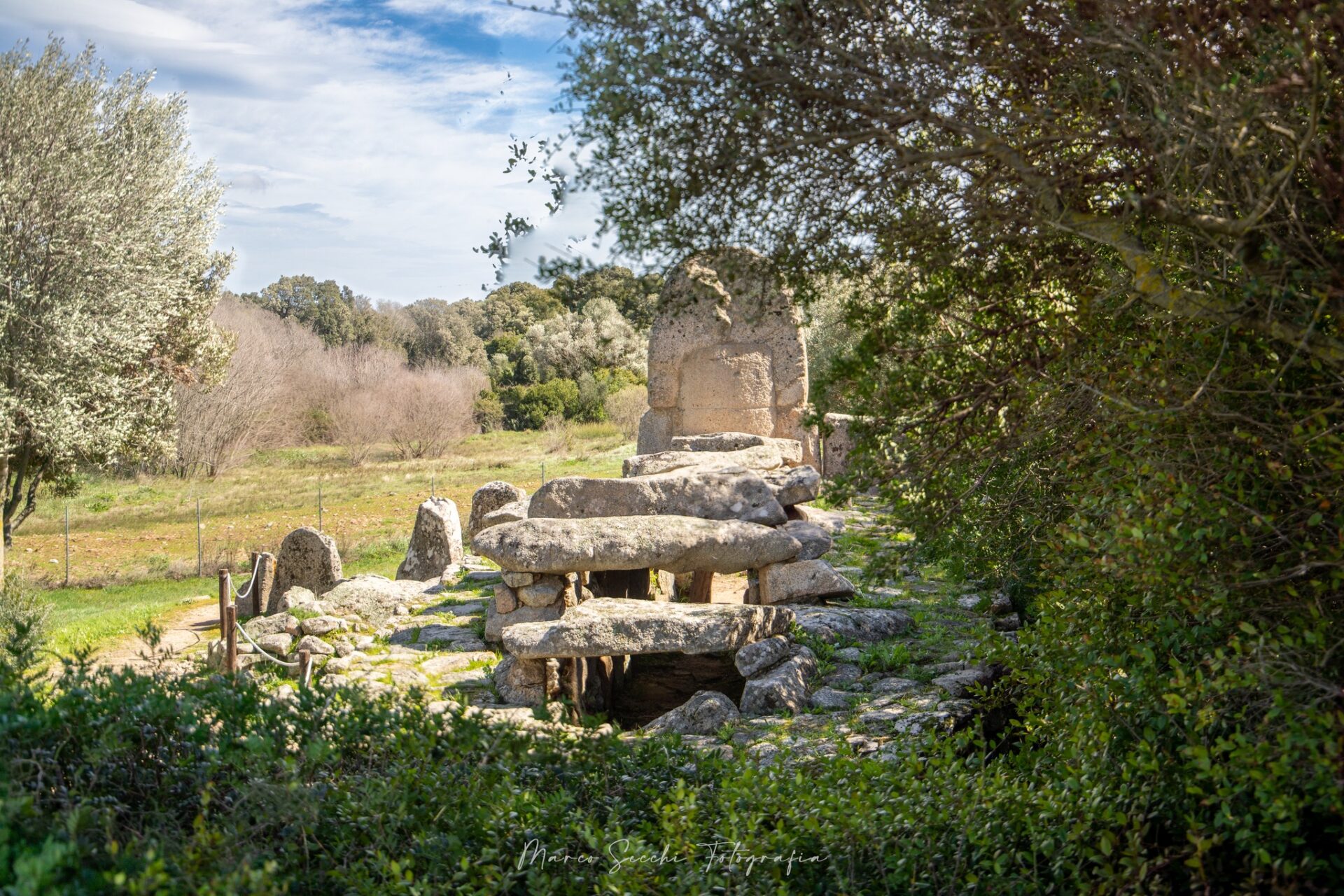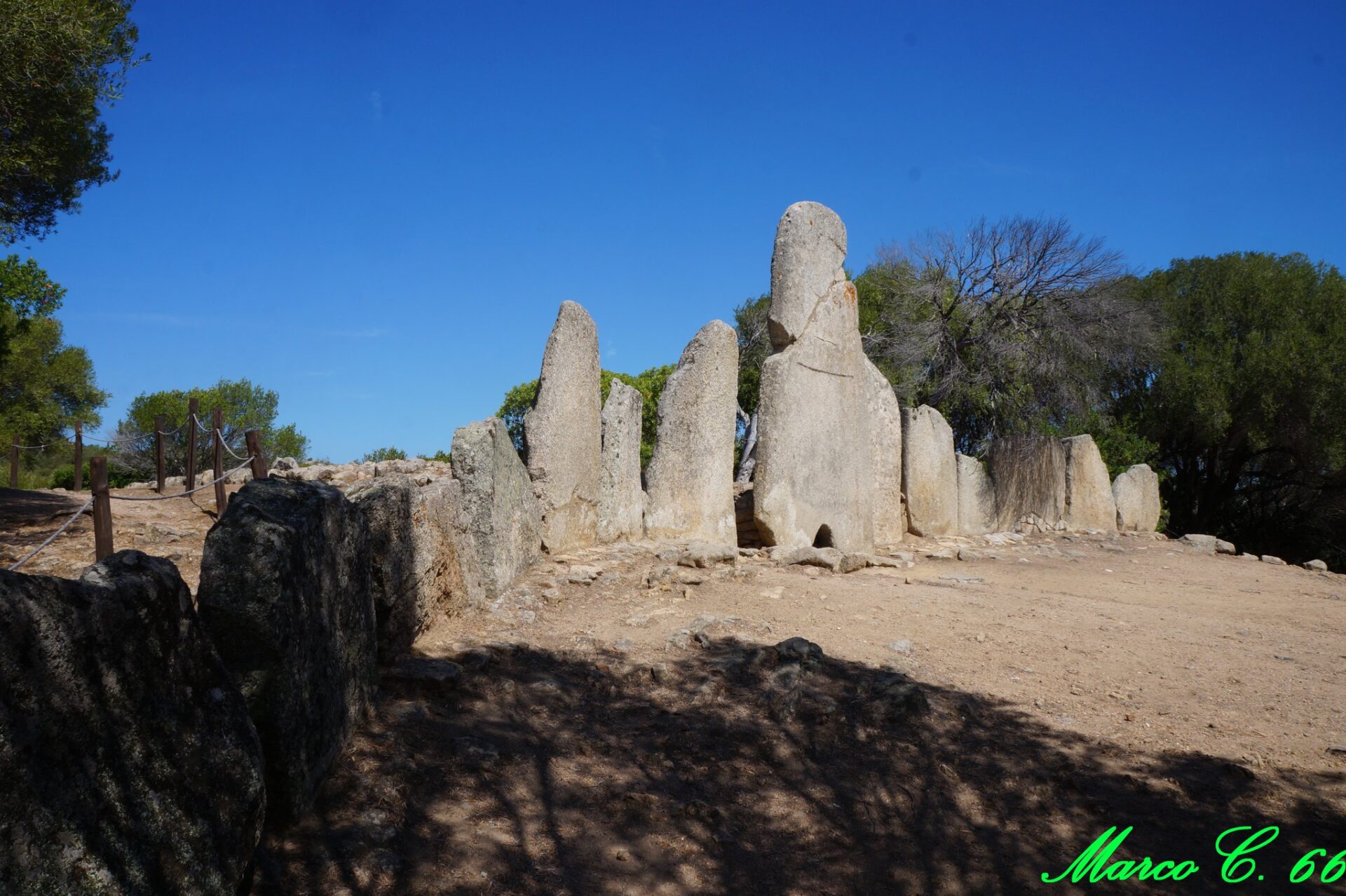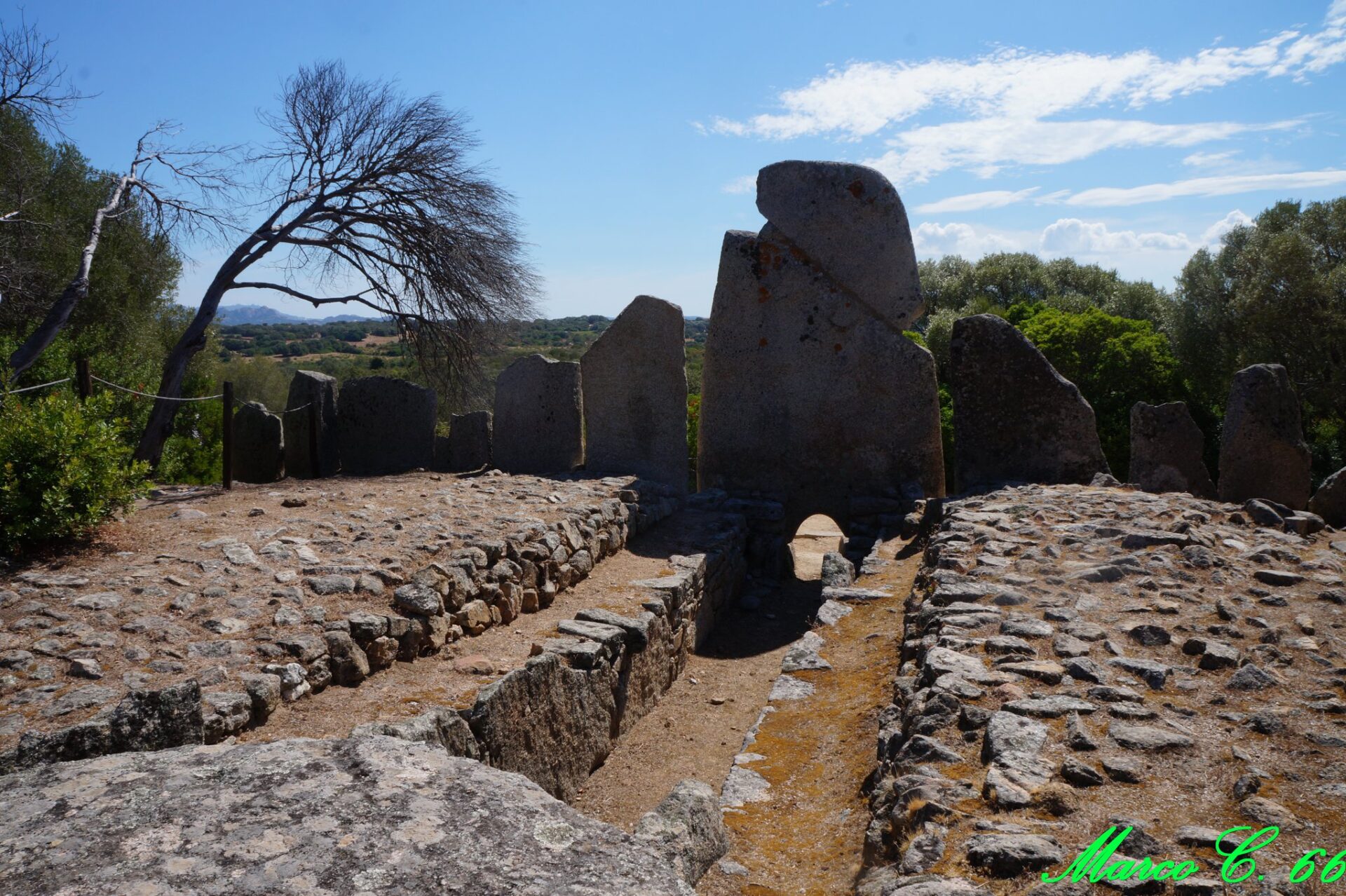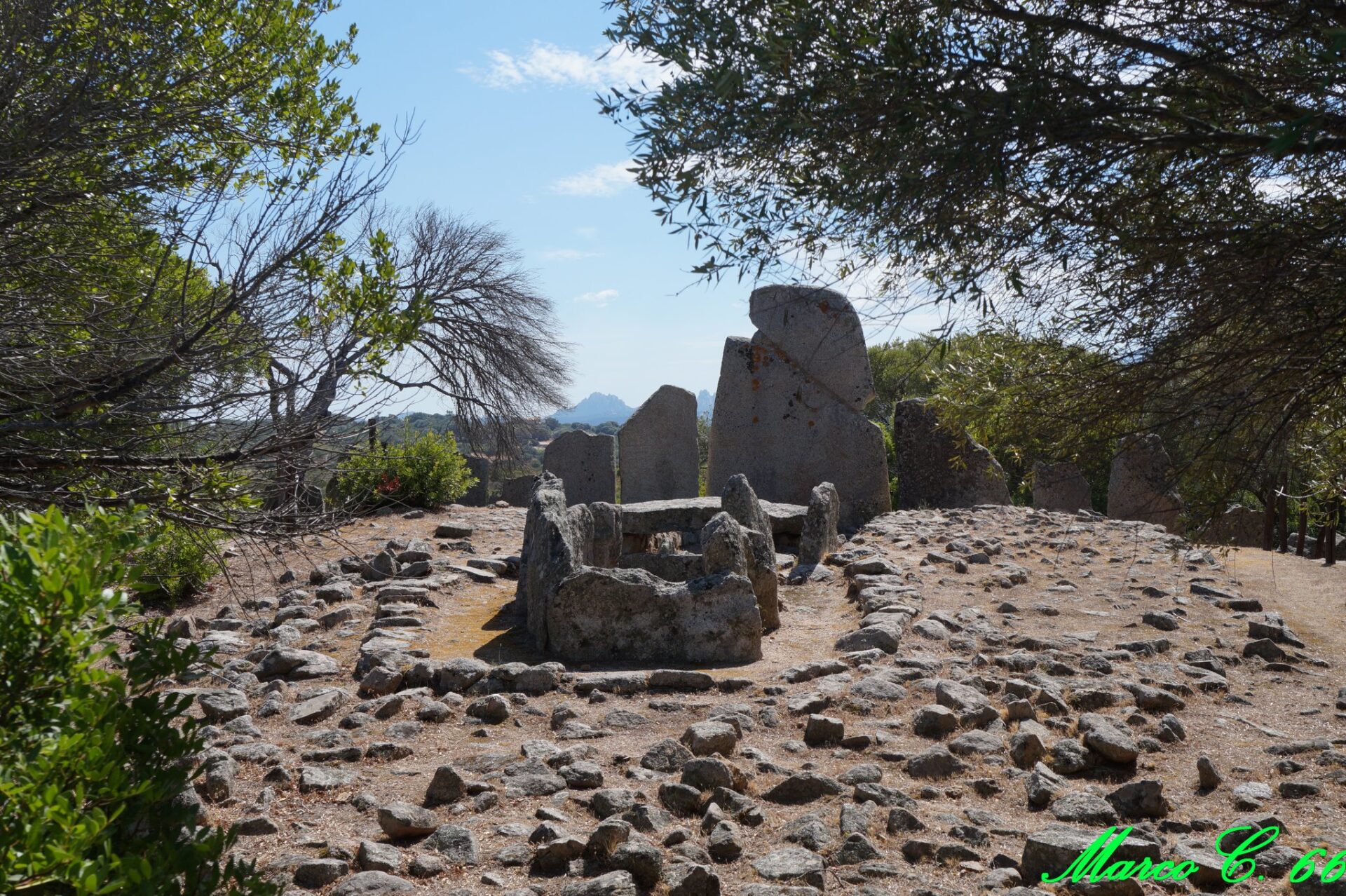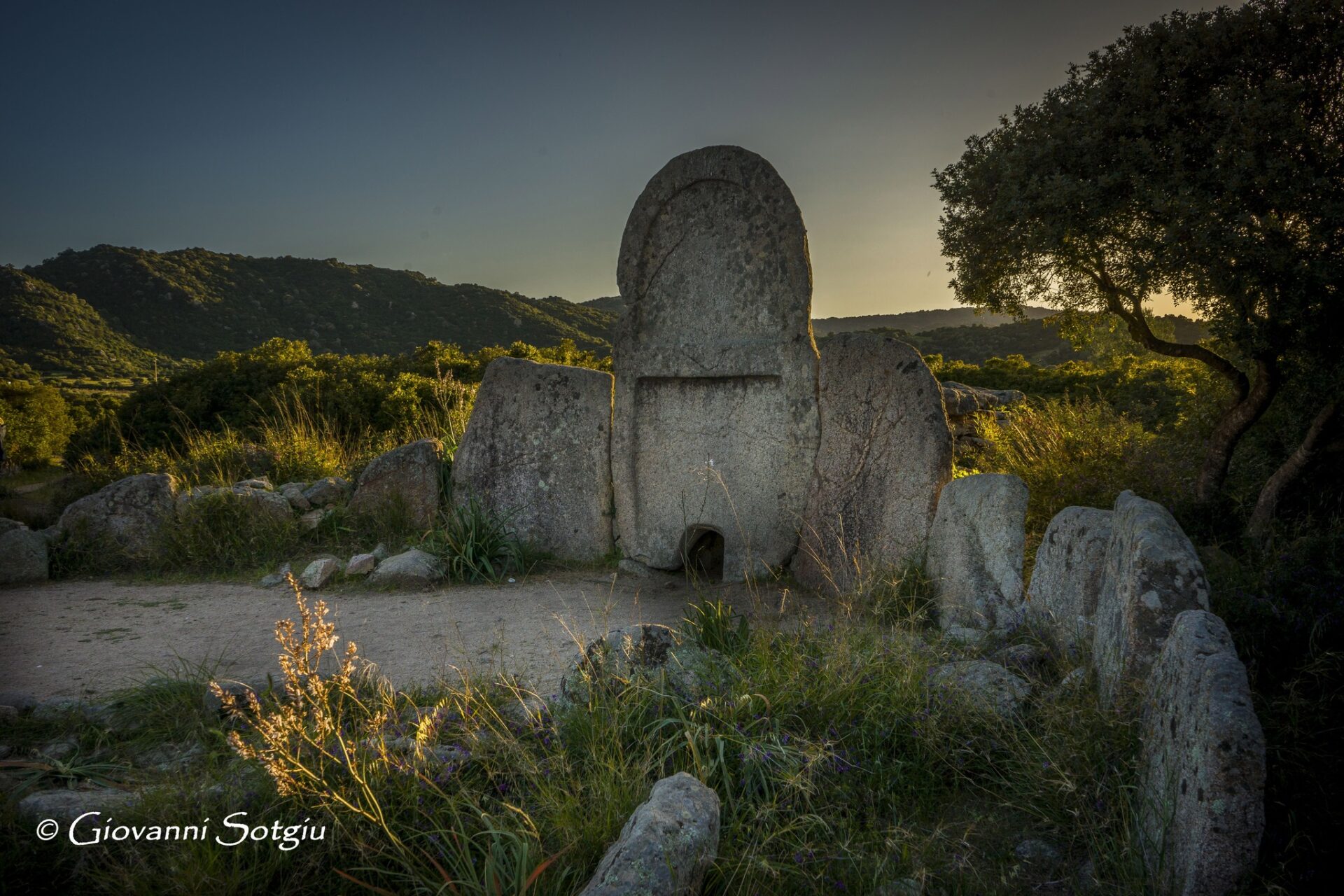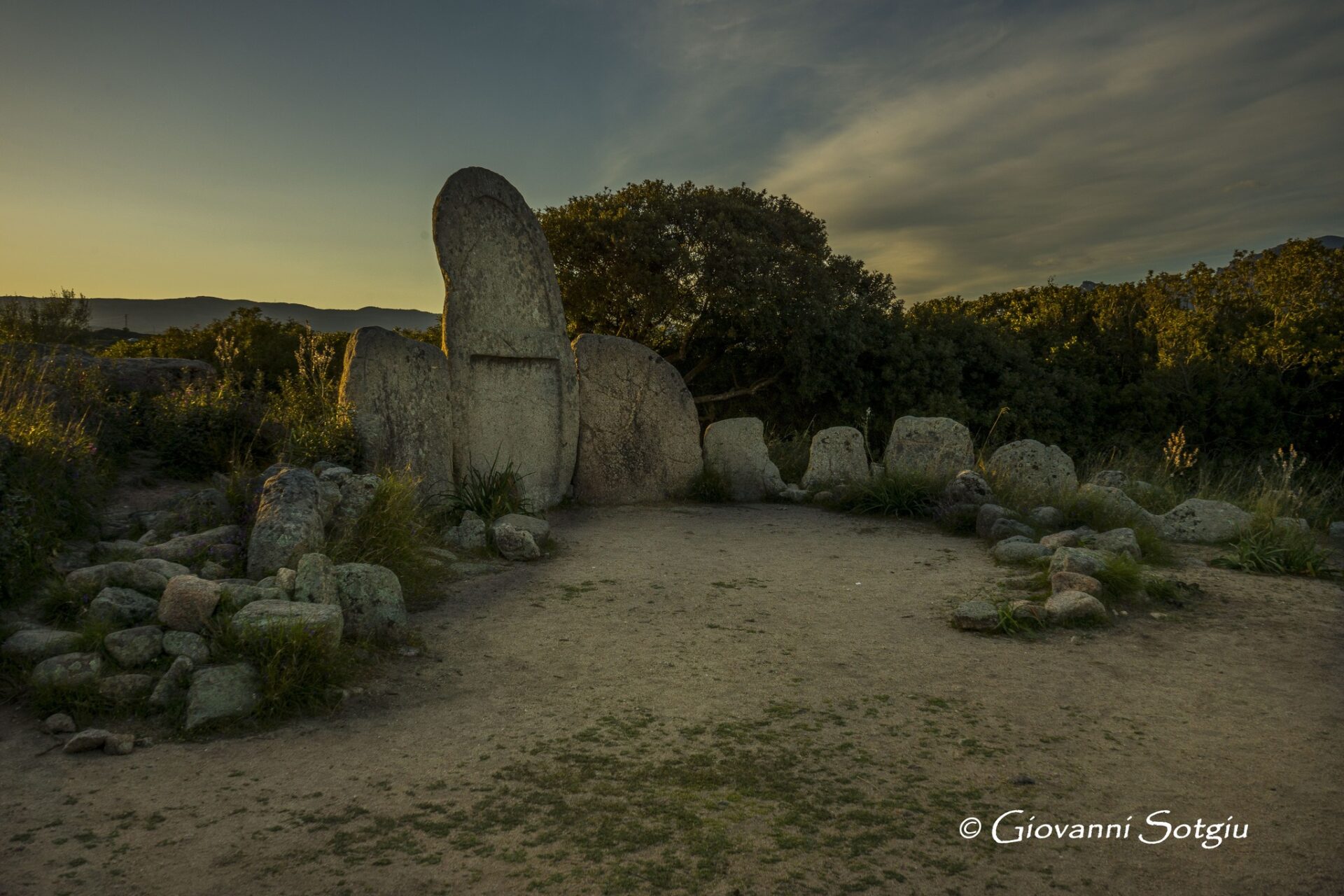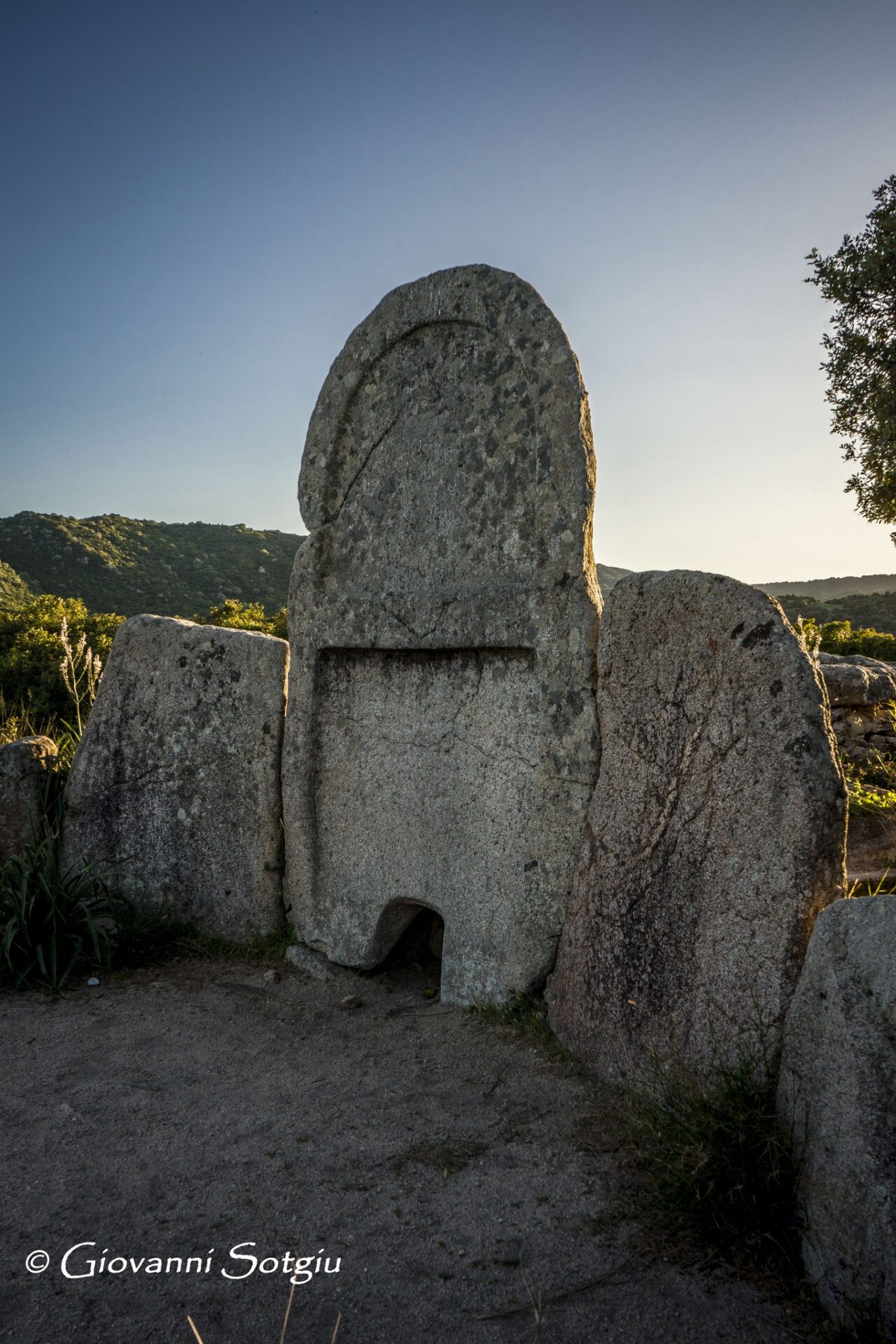
The ‘dolmeic’ tombs are characterised by the presence of a curved stone stele of considerable size in the centre of the exedra.
According to a widespread opinion, the exedra and, more generally, the planimetric configuration of these tombs could represent the mother’s womb (or, conversely, a taurine protome), with a meaning referable to fertility and/or sexual power.
It is also likely that so-called incubation rites were performed in front of these tombs.
Raffaele Pettazzoni (1883-1959), Italy’s greatest historian of religions, recounted in this regard that according to Simplicio: “Sardinians went to the tombs of heroes to sleep long and undisturbed, in the likeness of those heroes who appeared to be sleeping and were dead. Incubation was therefore intended to drive away terrible apparitions, nightmares, visions.”
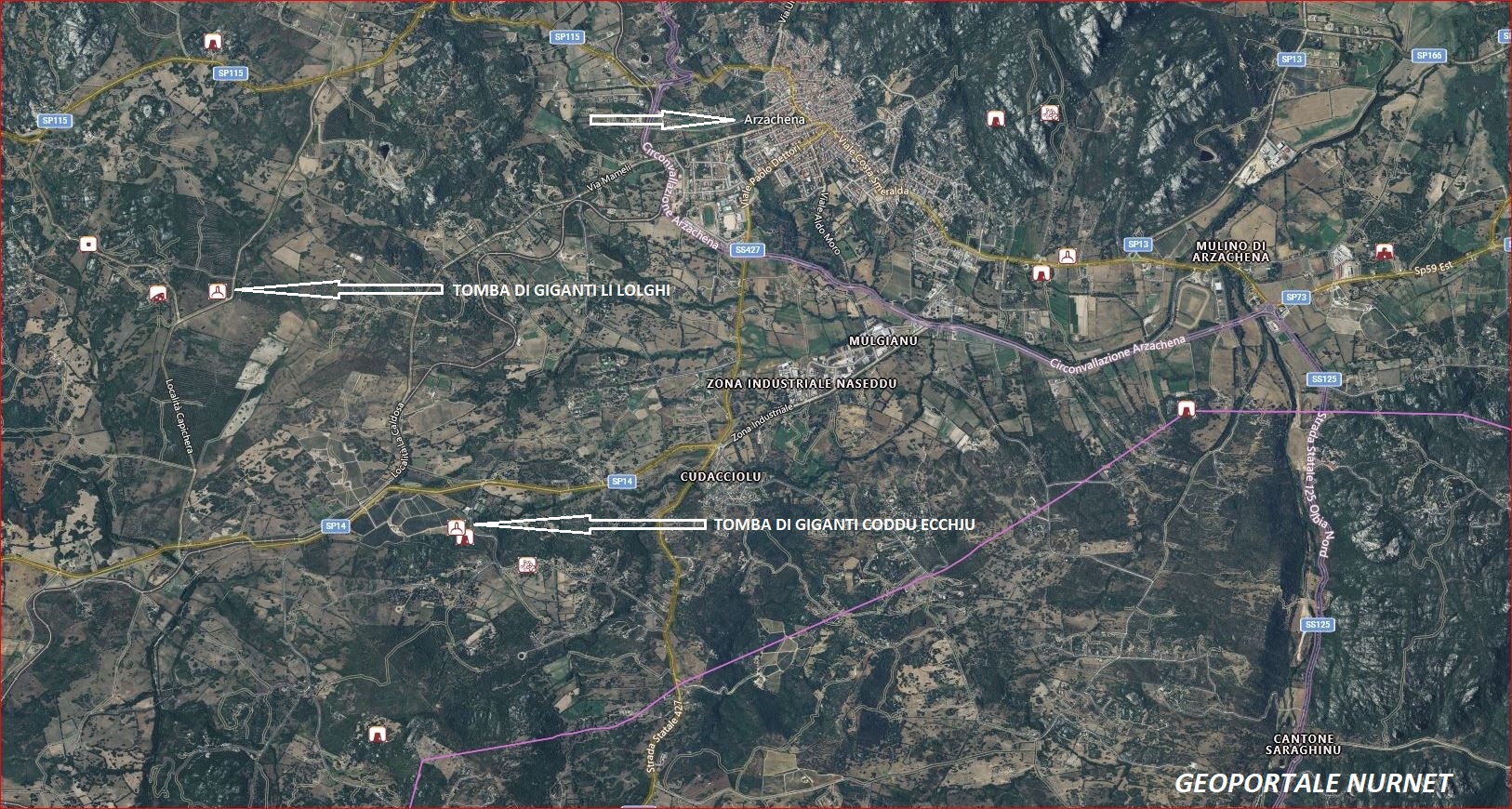
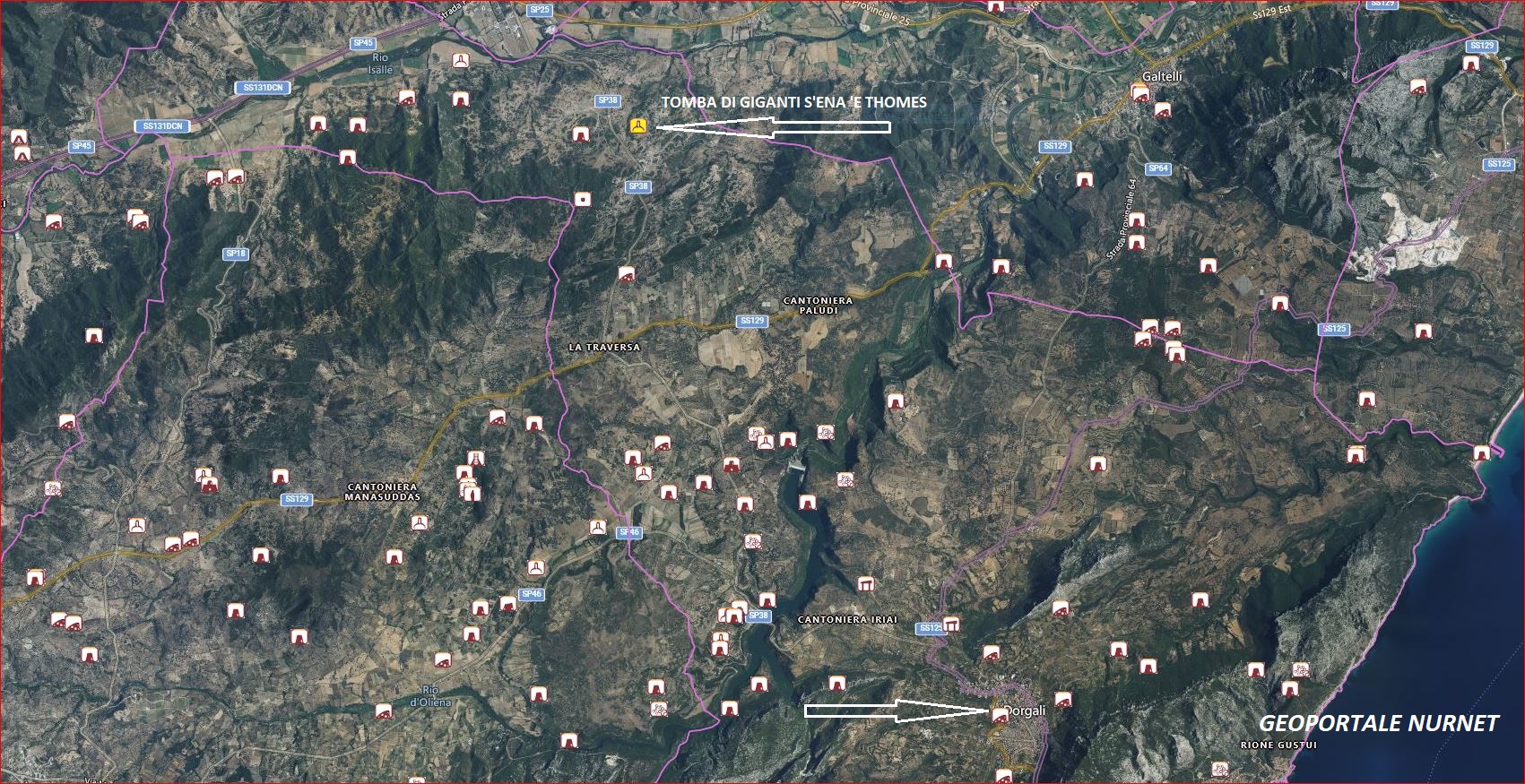
The photos of the tombs of giants of Coddu Ecchju in Arzachena, Li Lolghi in Arzachena and S’Ena ‘e Thomes, in Dorgali, are by Ascanio Saddi photography, Marco Cocco and Giovanni Sotgiu, respectively.