Remarkable dimensions and surprising findings characterise a Nuragic funerary monument in the Middle Campidano countryside in south-west Sardinia.
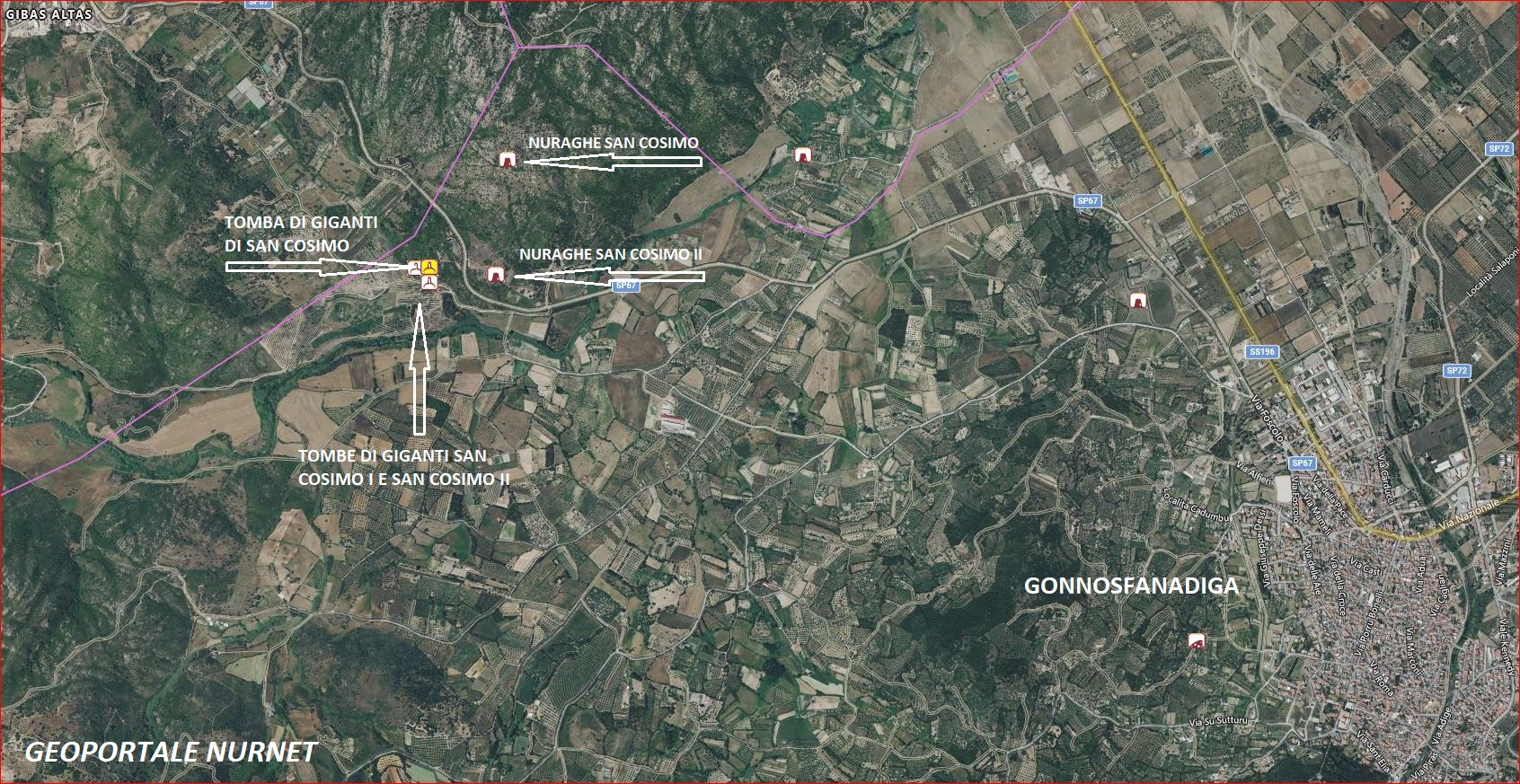
It is one of the largest megalithic constructions on the island, there is also a scaled-down ‘copy’ of it, it is located not far from other Nuragic ruins – still to be investigated – and it has yielded an artefact that may be the oldest Mycenaean import found on a Sardinian archaeological site. The Giants’ Tomb of San Cosimo stands in a valley in the territory of Gonnosfanadiga that opens up like a natural amphitheatre at the foot of the ‘Terra Maistus’ mountain , in a landscape dominated by the profile of Mount Linas. The area hosts a veritable archaeological park, in which another burial site of the same type, smaller, and two nuraghi are also located.
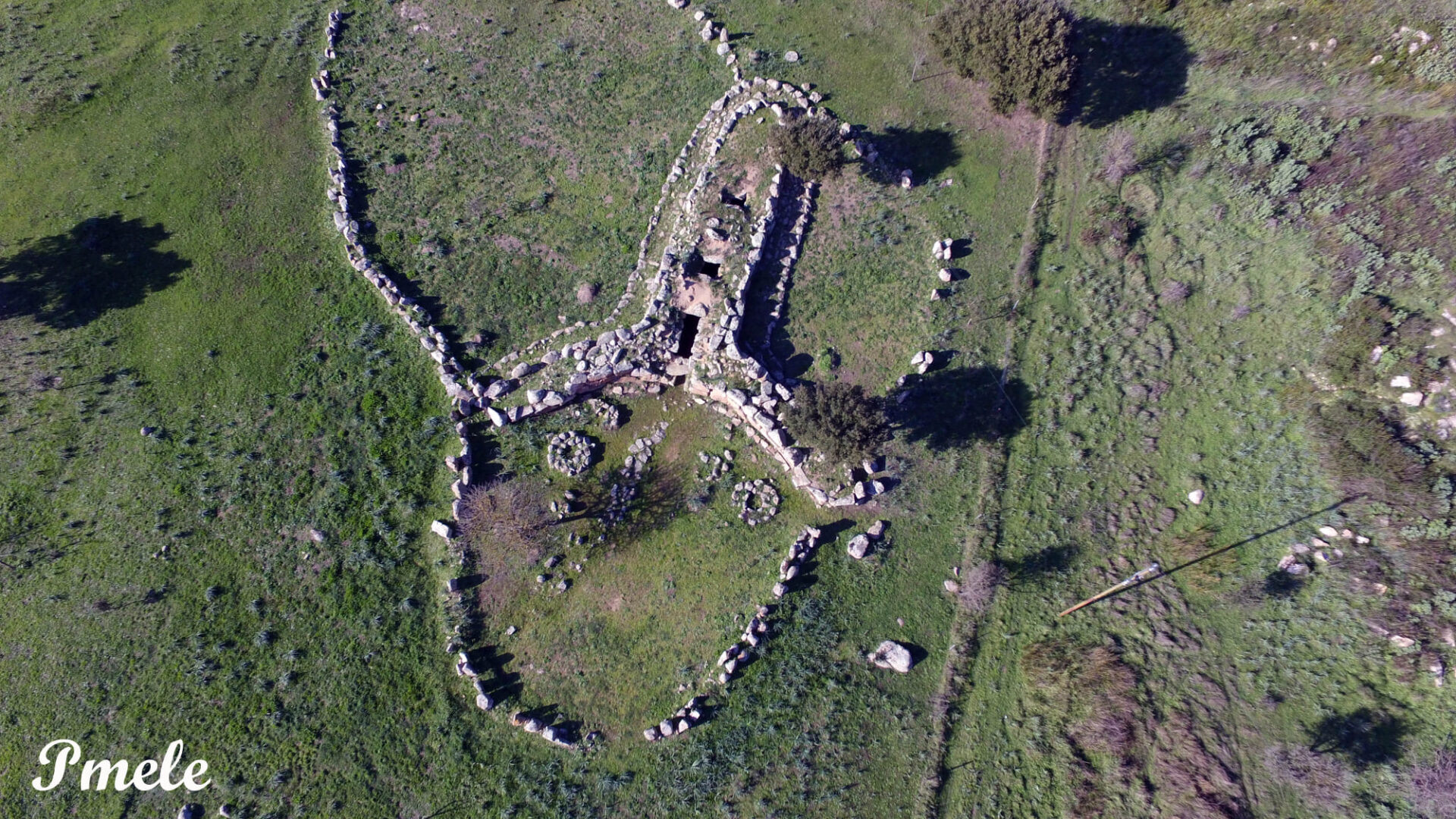
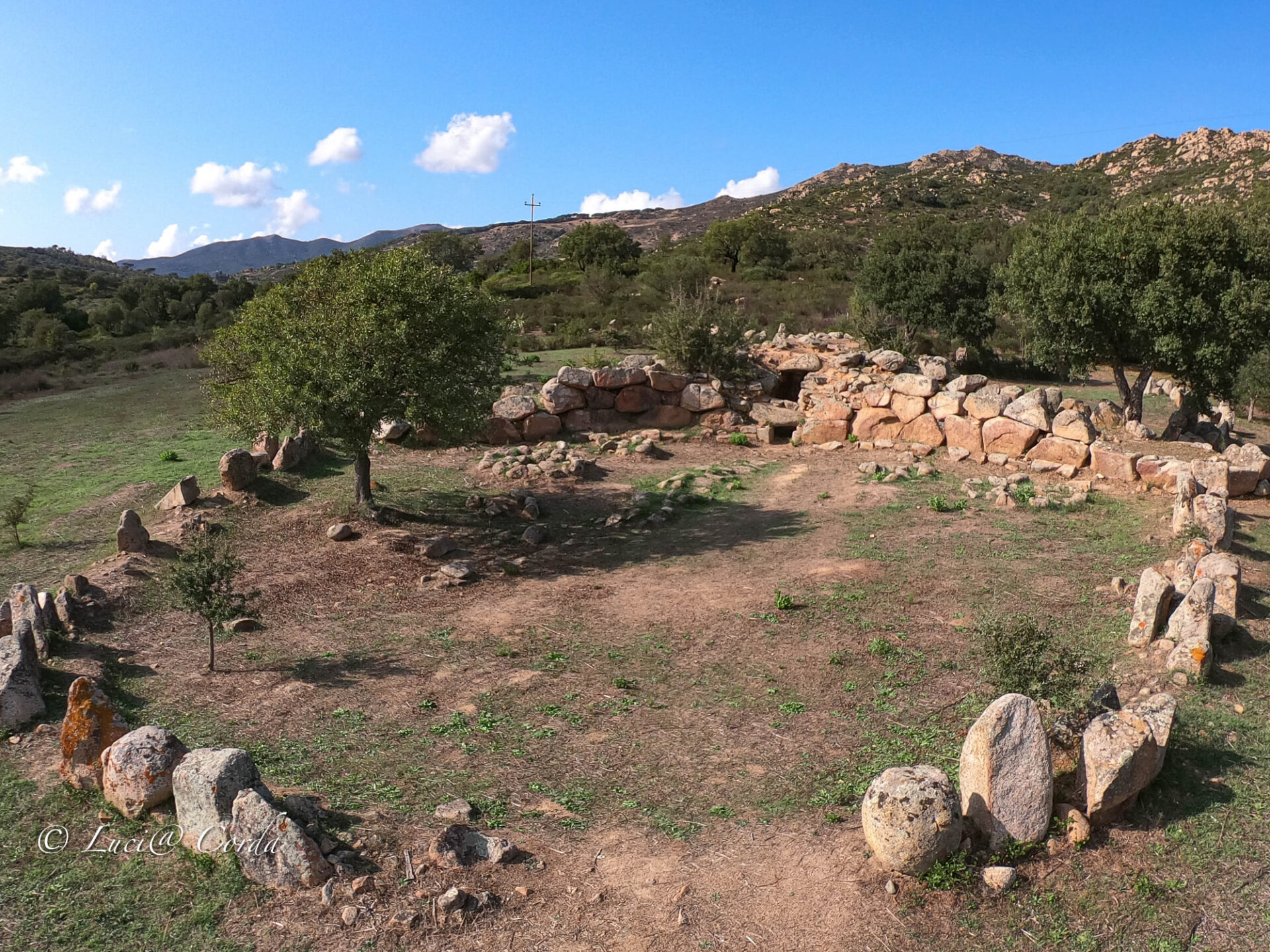
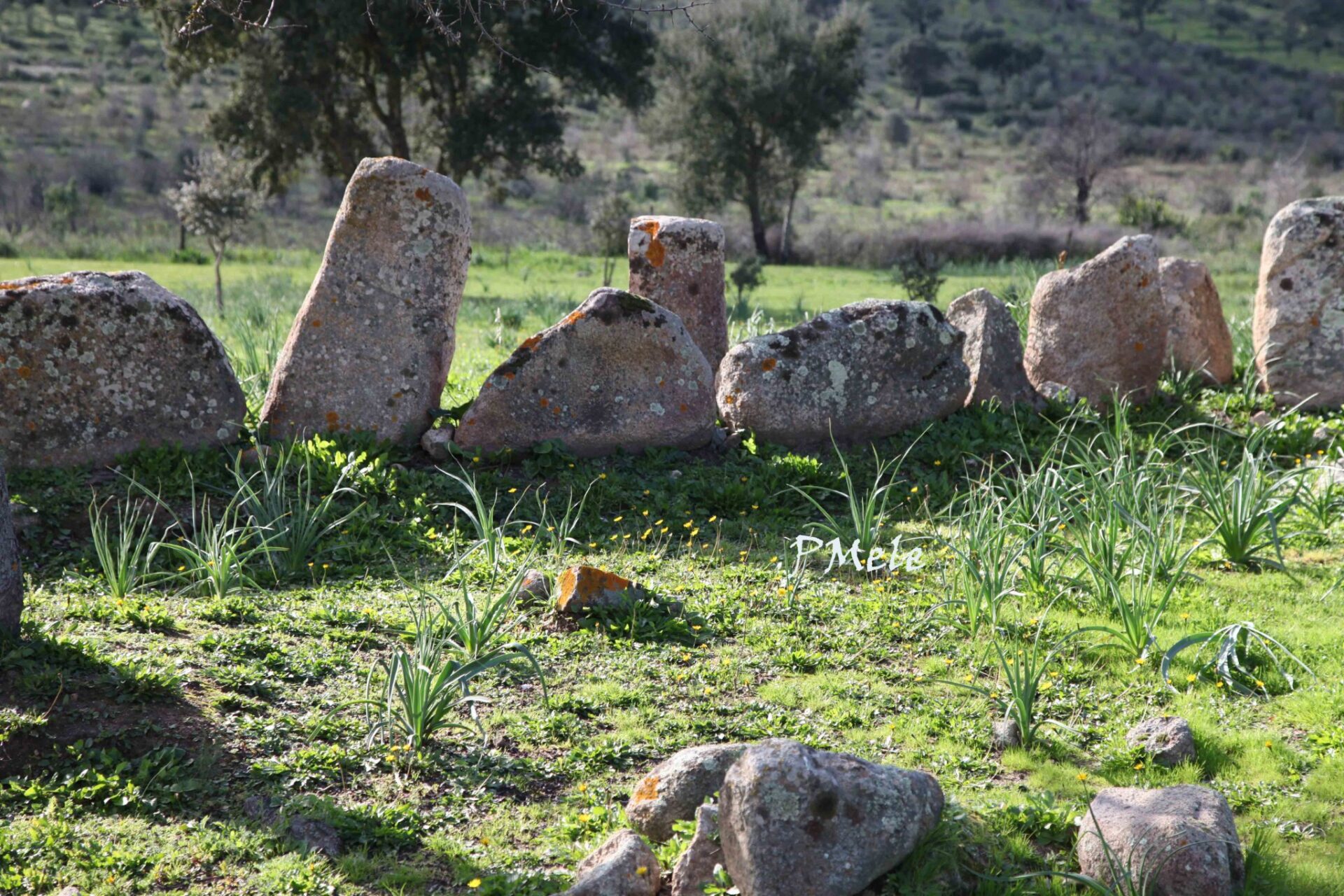
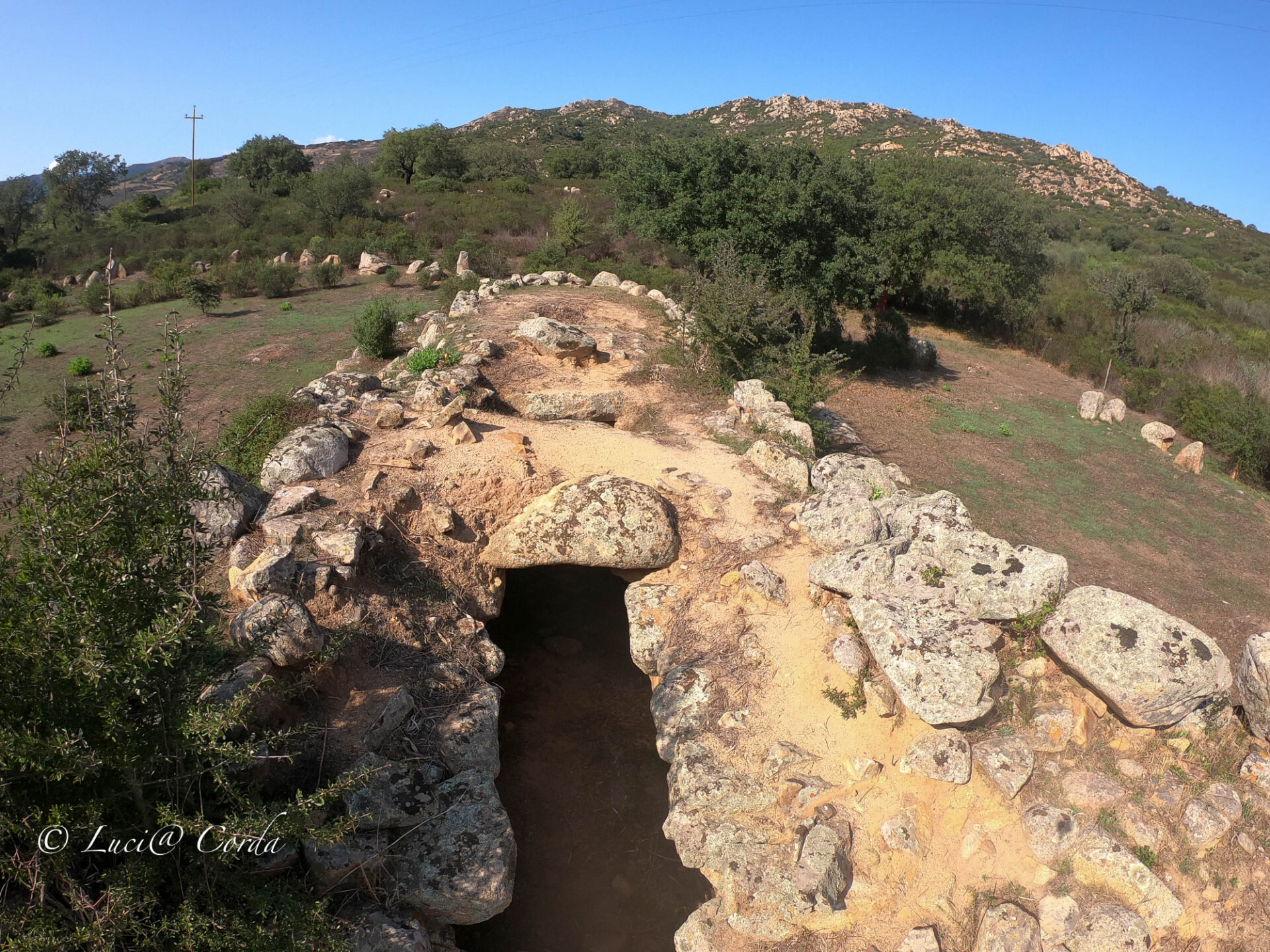
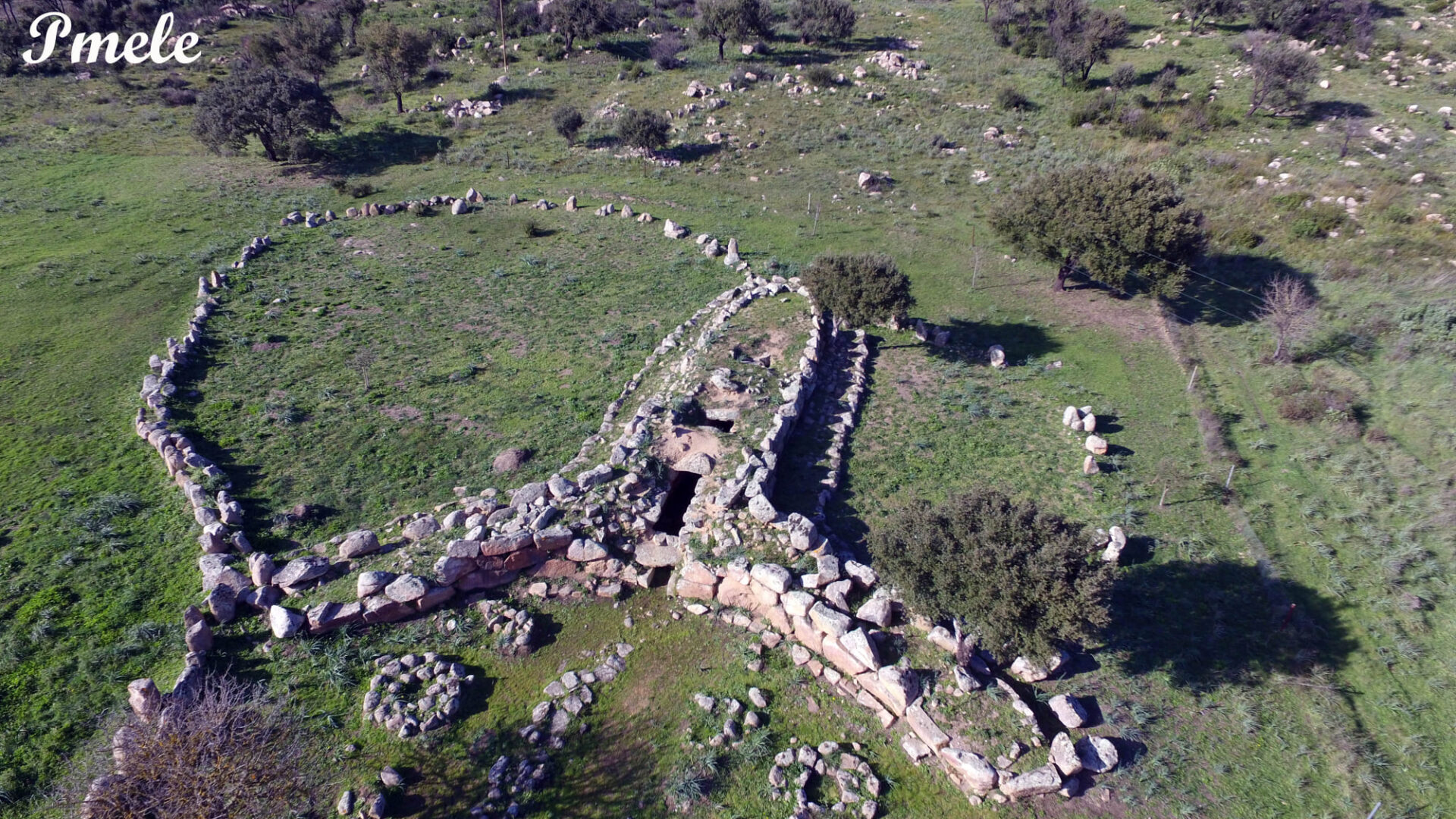
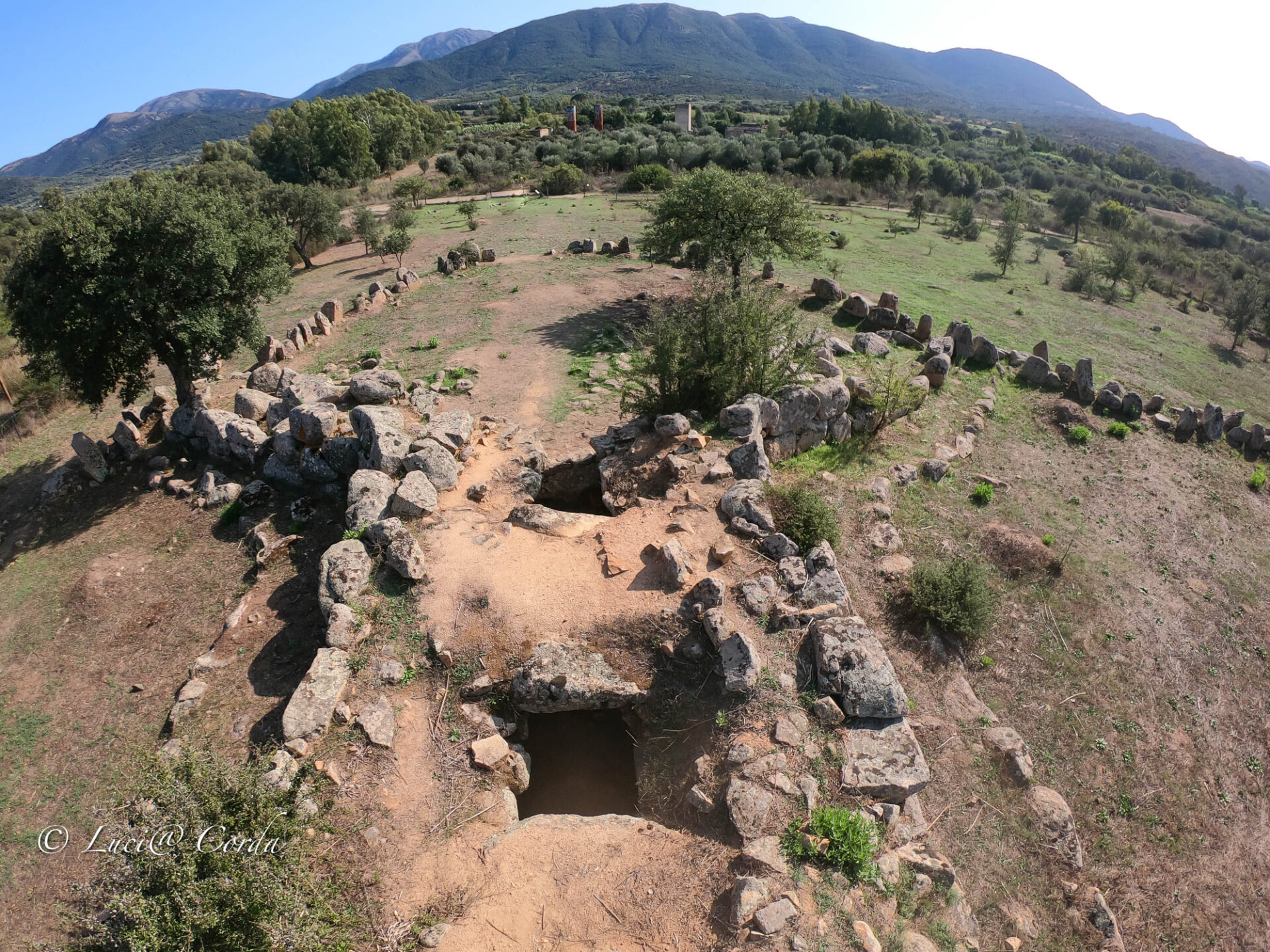
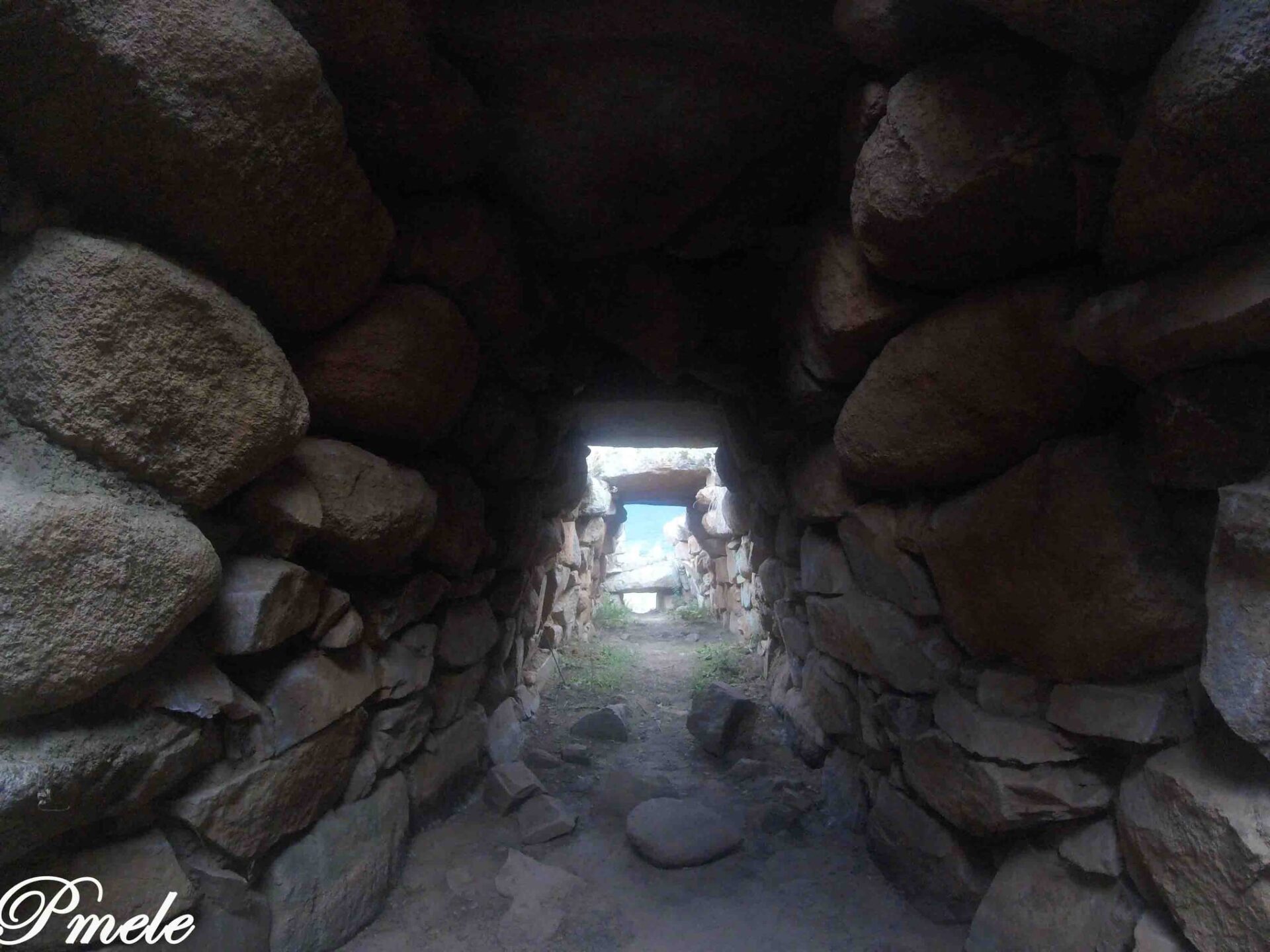
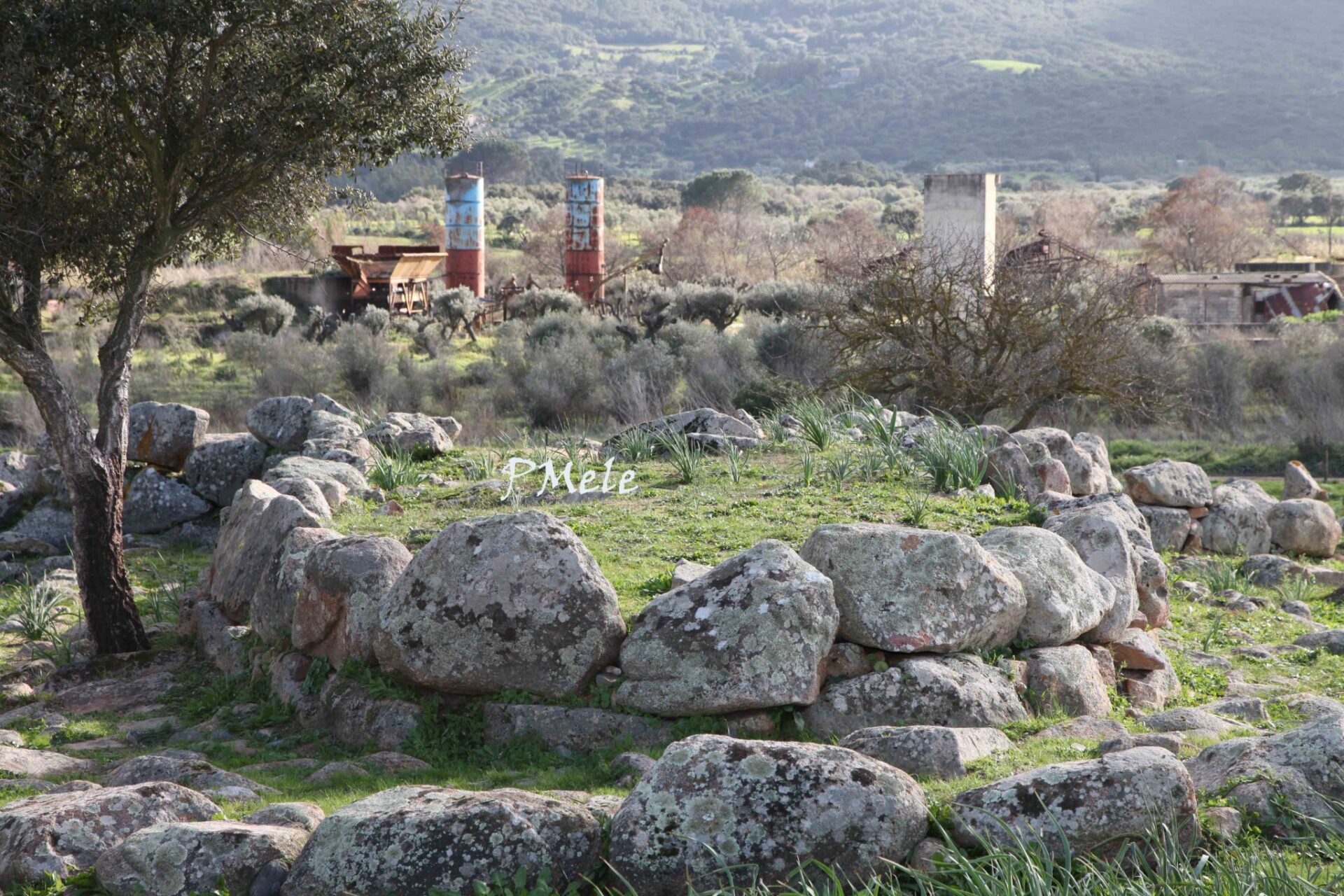
Also known as ‘Sa grutta de Santu Giuanni’, the burial ground was considered by the ‘father’ of Sardinian archaeology Giovanni Lilliu – in his work ‘The Civilisation of the Sardinians’ – to be the largest Giants’ tomb known at the time: it is thirty metres long and its exedra is 26 metres wide. It was built of granite, found in the surroundings. Based on the findings in and around it, the monument has been dated to between the 15th and 14th centuries B.C., during the Middle Bronze Age. The elevation is typical of the Giants’ tombs of central-southern Sardinia, i.e. with rows and an architraved entrance without stelae. Along the outer perimeter you will notice stones set against the base, forming a step: this solution served two purposes, to make the structure more solid and to prevent the infiltration of rainwater. A small corridor leads to the chamber proper, which has a rectangular floor plan and a truncated-gable section. The original floor, which has survived only in a few places, consisted of a covering of polished stones of different sizes and pebbles, laid on top of a natural granite rock bench. Among the artefacts that came to light during the excavations – exhibited at the archaeological museum ‘Villa Abbas’ in Sardara – you will admire keeled cups, a glass, a few vessels and, above all, green glass paste pearls, which are thought to be of Mycenaean production, so the necklace they were part of may be the oldest jewellery found in Sardinia from Greece. Three enclosures, concentric to each other, surround the tomb. The largest one runs towards the north-west. Along the same direction, about seventy metres away, you will notice the second burial. It has the same construction type, but is much smaller in size: the chamber is just under three metres long, the exedra is four metres wide.
A short distance from the necropolis are the nuraghi San Cosimo, also known as su “Bruncu ‘e s’Orcu”, and San Cosimo II, probably monotorri, both still to be excavated. The site of the first nuraghe corresponds to the territory of the medieval village of ‘Serru’, which did not survive an assault by Saracen pirates in the early 17th century. The only existing trace of the village are the ruins of the small church also dedicated to San Cosimo, which gives its name to the locality, tomb and nuraghi.
Source: Sardinia Tourism.
The photos of the tomb of giants of San Cosimo are by Pietrino Mele and Lucia Corda.