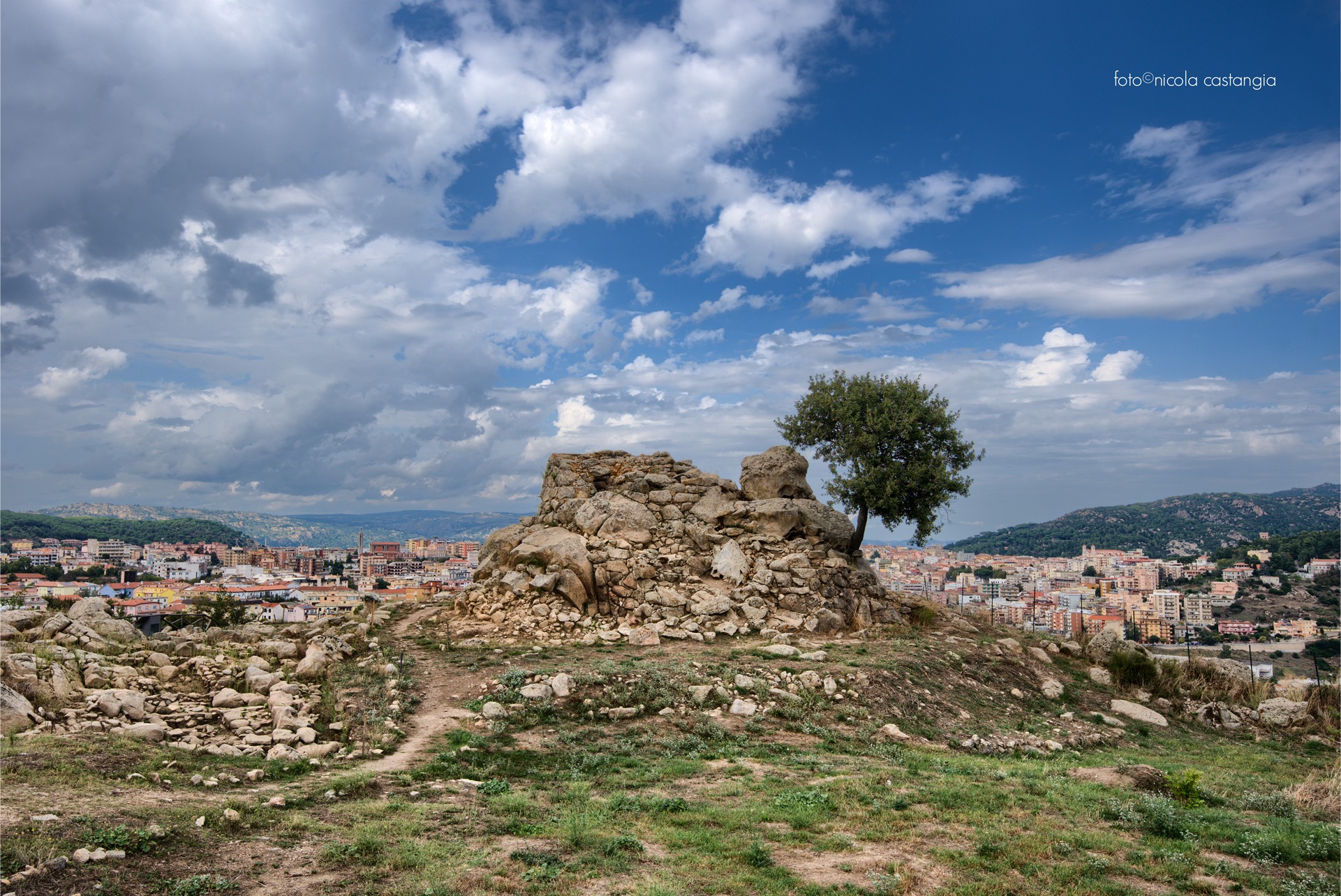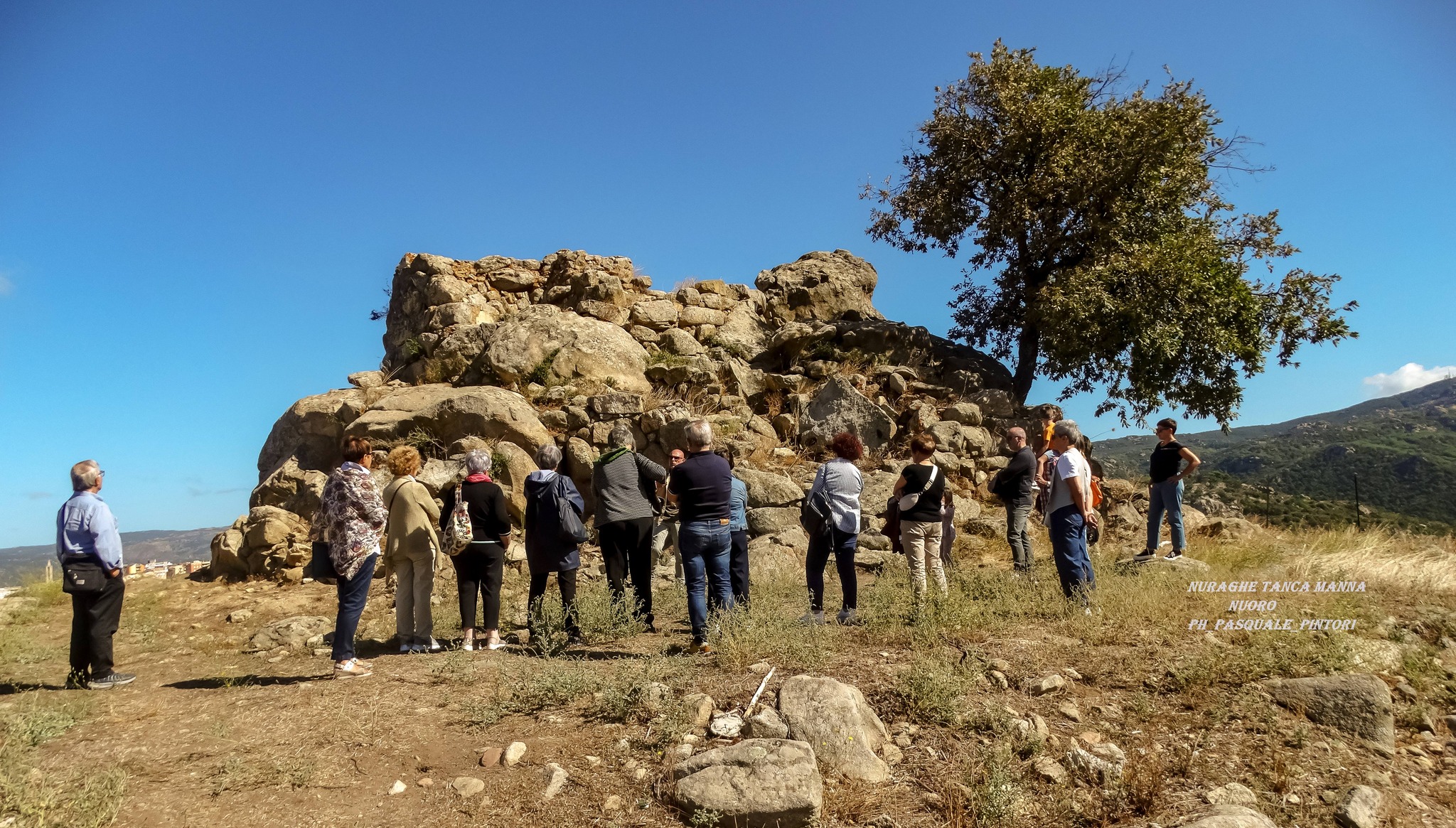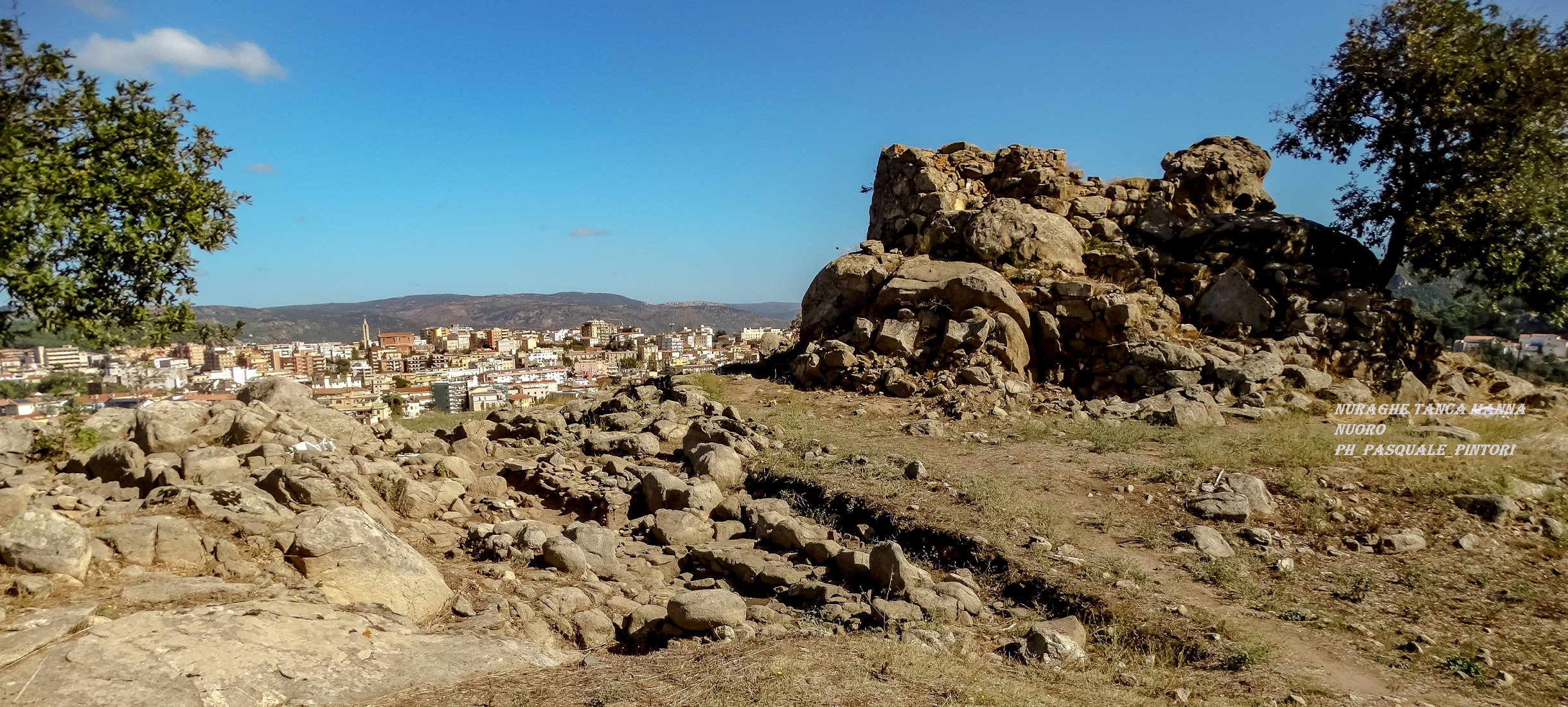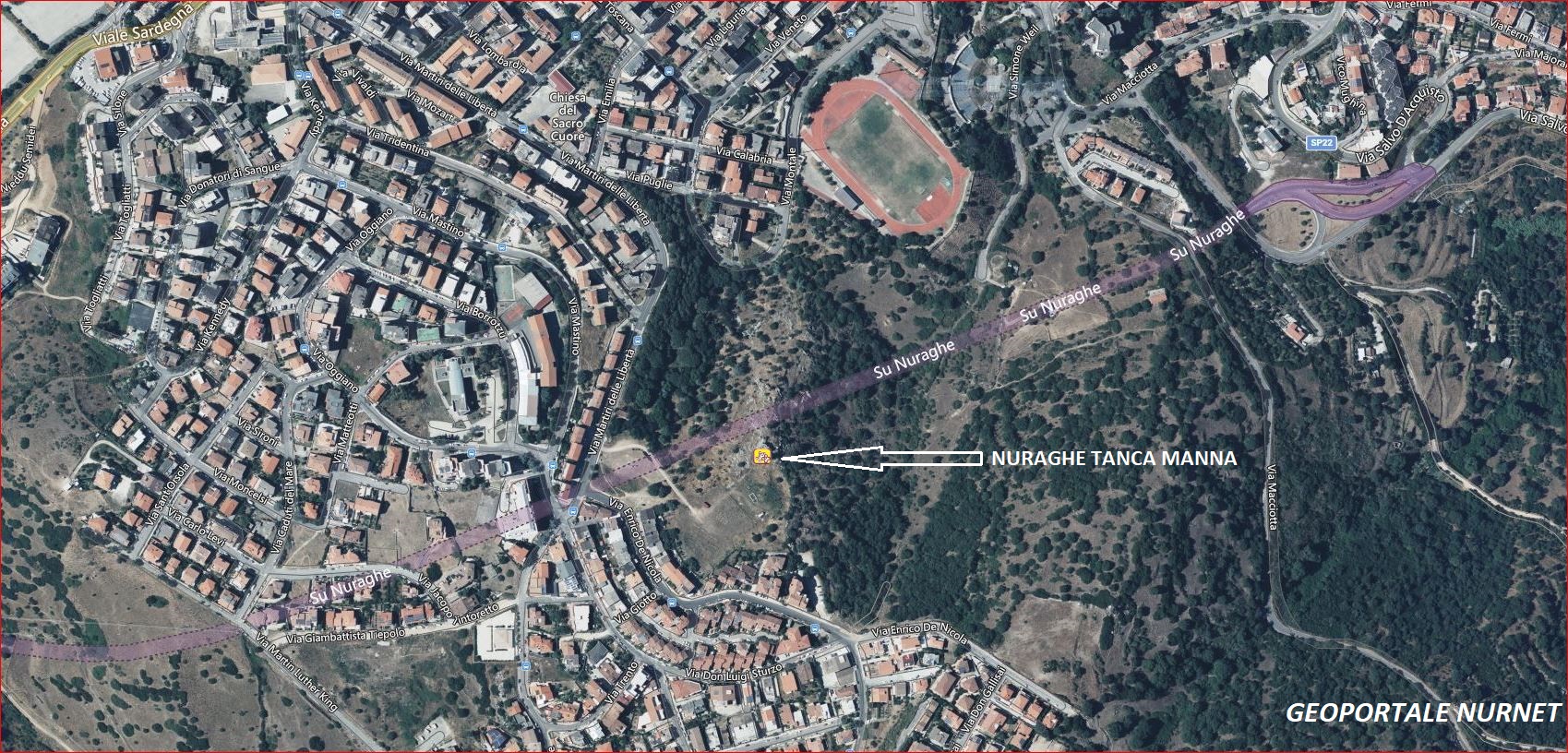
A granite colossus, one of the oldest archaeological sites in Nuoro, embedded in the urban centre, dominating the main town in the heart of Sardinia.
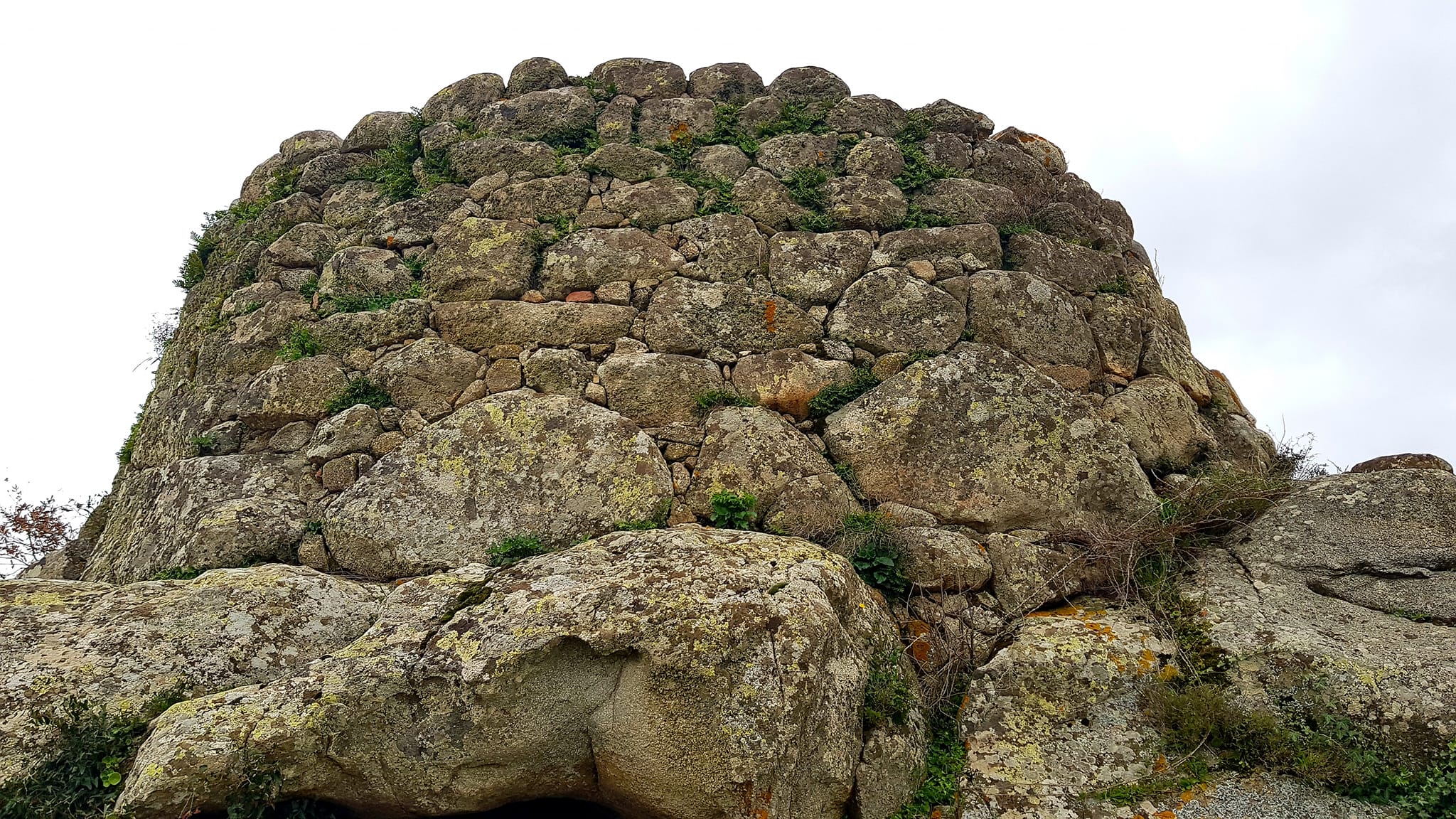
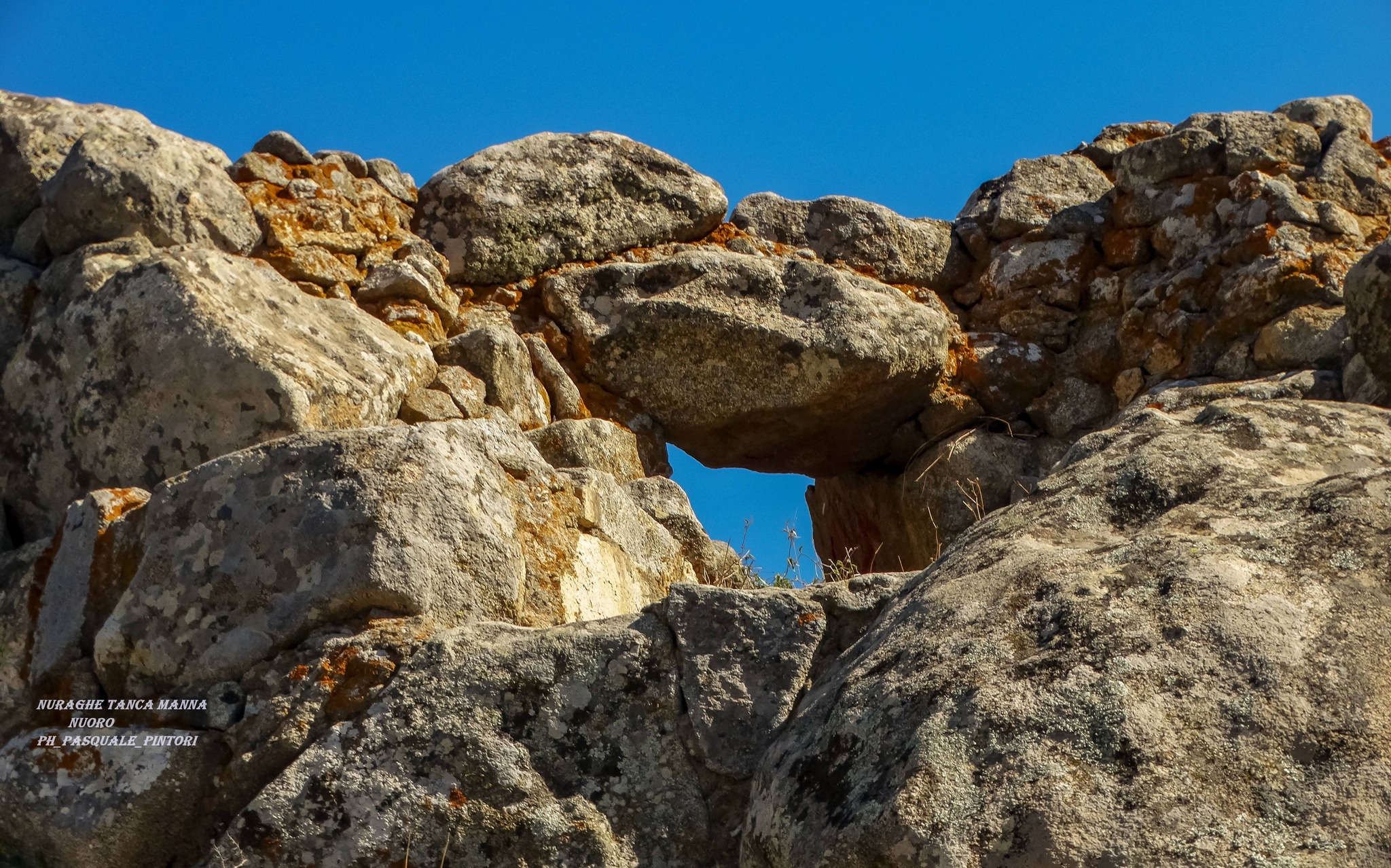
The pre-Nuragic civilisations and the Nuragic peoples have left no written testimonies, but in compensation, Sardinia has inherited a flood of monuments: thousands of domus de Janas, menhirs and dolmens, more than seven thousand nuraghi, hundreds of Giants’ tombs and sacred wells, which characterise and dominate the landscapes of the island’s hinterland. The link between the rural context and the archaeological area is one of the most fascinating aspects of the Tanca Manna nuraghe, unusually erected in a prominent position with respect to the current urban centre of Nuoro.The nuraghe is a single tower, the chamber of which is covered with a tholos (false dome) and shows two opposing niches, one carved out of the rock face: this is a usual typology for the more than twenty nuraghi in the Nuoro area. The building was constructed on a rocky outcrop that forms the base and part of the walls. The walls are made of freshly hewn granite blocks.
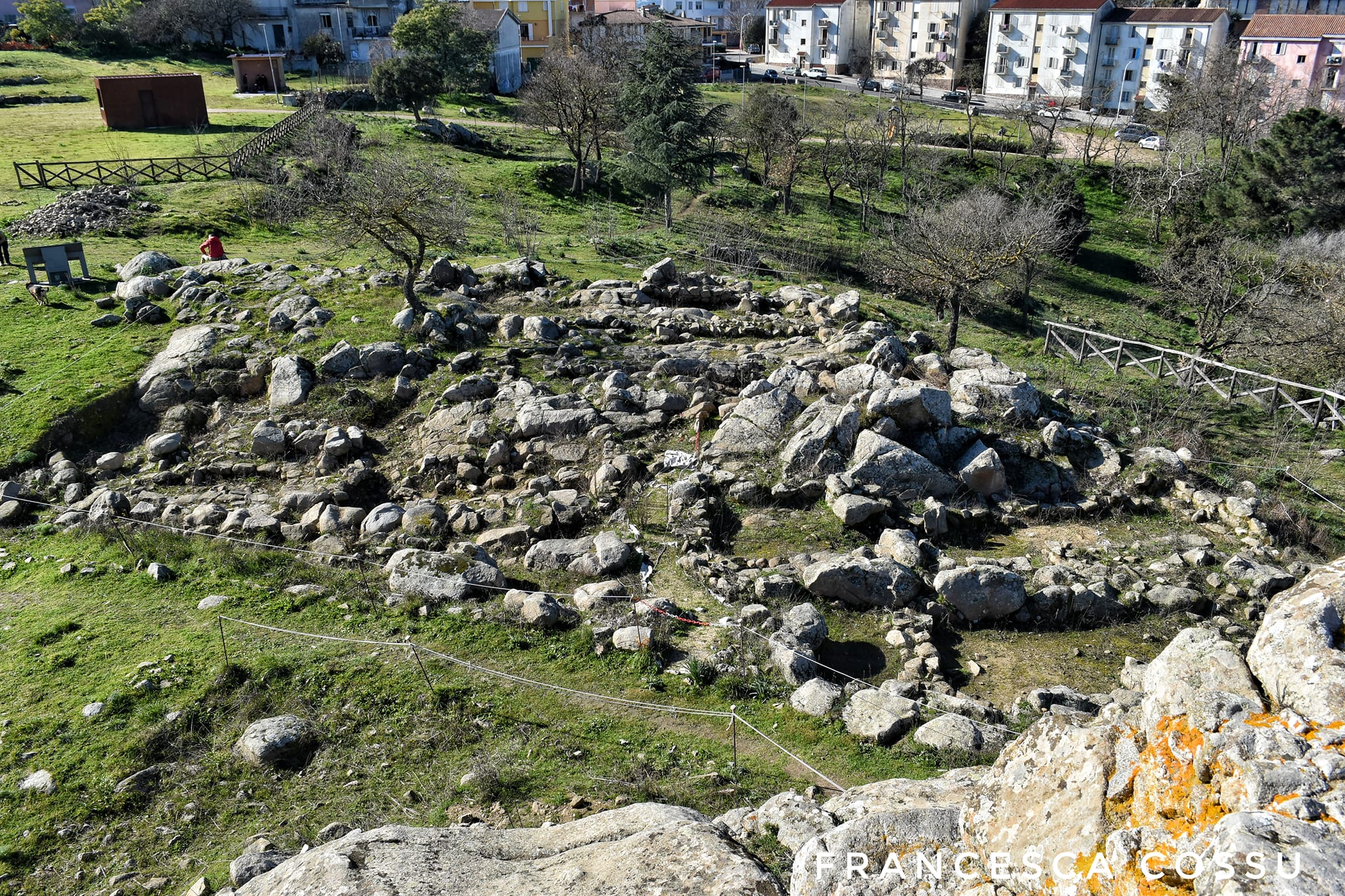
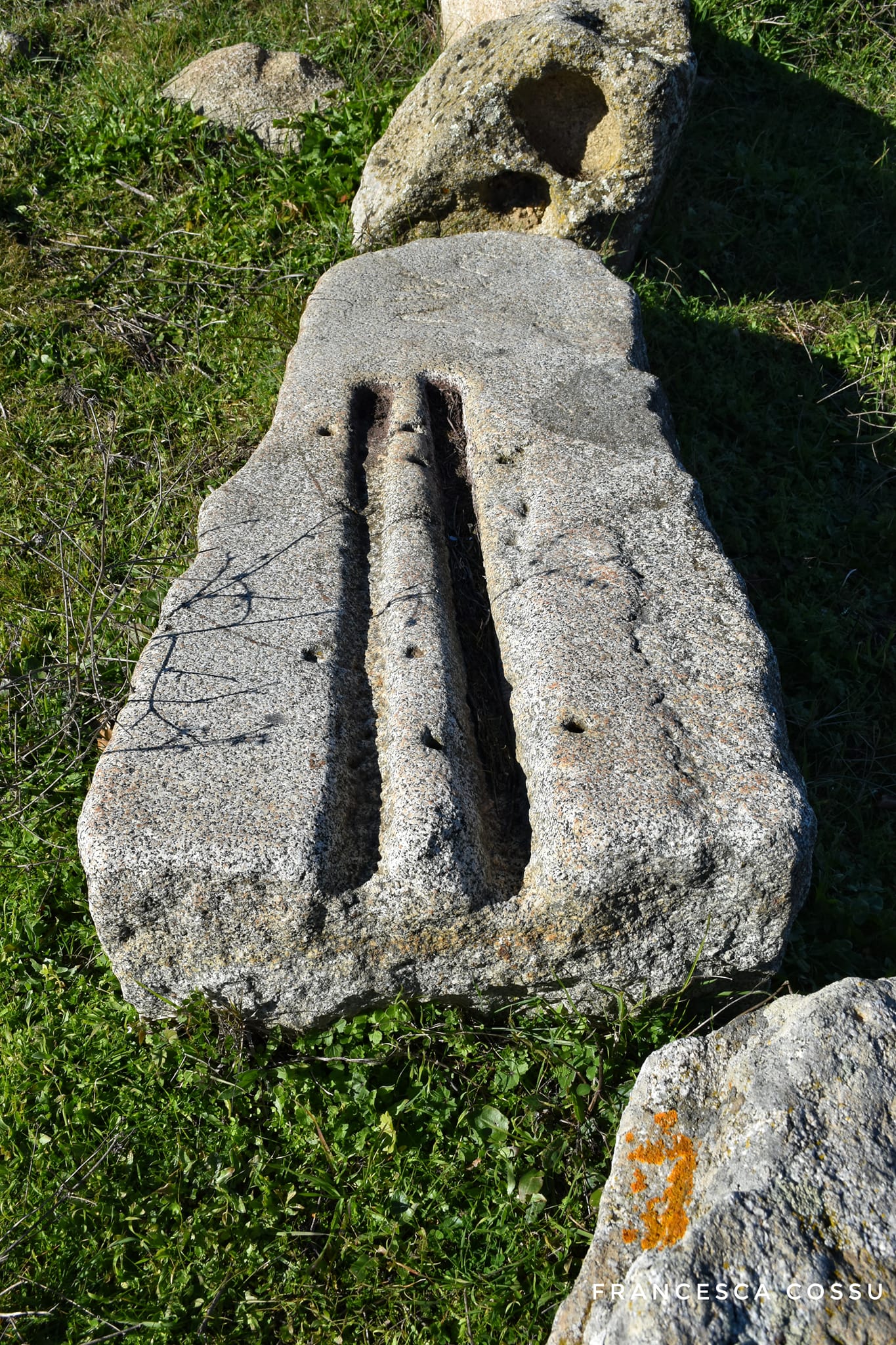
Now incorporated within the built-up area, the nuragic park of Tanca Manna dominates the promontory of the hill of the same name: from up there, you will enjoy a beautiful panorama of the other urbanised hills of the city – once inhabited by communities of shepherds – stretching as far as Ortobene, the mountain that is the symbol of the Barbagia capital. To reach the park, you will have to take via Martiri della Libertà, in the southern part of the city. Even in the Nuragic age, Tanca Manna was inhabited by people dedicated to livestock breeding and the processing of its products.The village around the tower was very extensive, more than 150 huts that reached as far as the steep slopes of the hill towards the town: the rectangular dwelling structures represent a residential model dating back to the early Nuragic phase, which differs from the circular hut typical of more recent times. The nuragic tower, in fact, dates back to the Middle Bronze Age, while the artefacts found in the various excavation campaigns (still in progress) inside the village – a pintadera, decorated jugs and spindle whorls are the most recent found and exhibited – testify to a frequentation from the Final Bronze to the beginning of the Iron Age.
Source: Sardinia Tourism.
The photos of the Tanca Manna nuraghe are by: Nicola Castangia, Francesca Cossu, Pino Fiore and Pasquale Pintori.