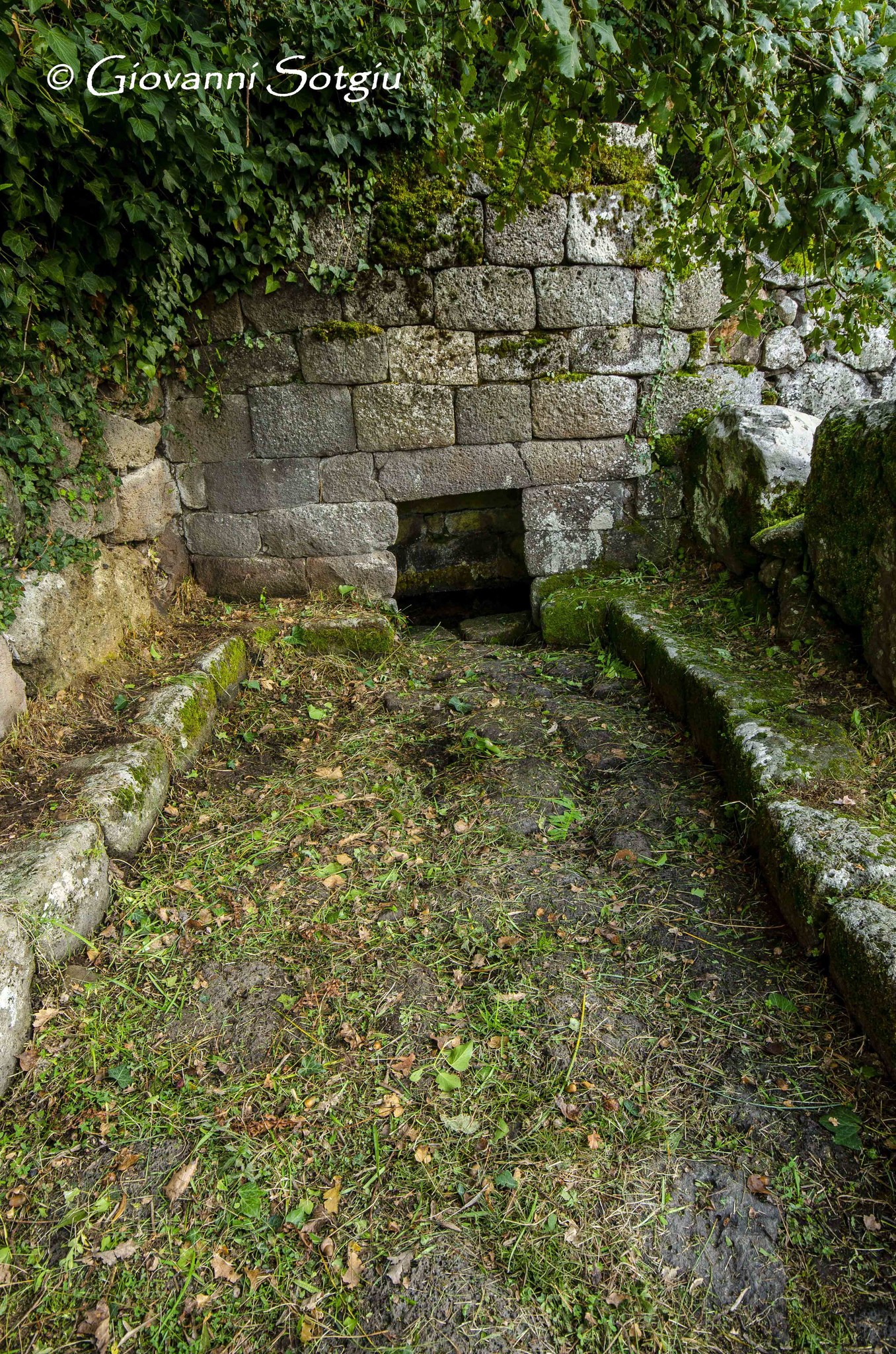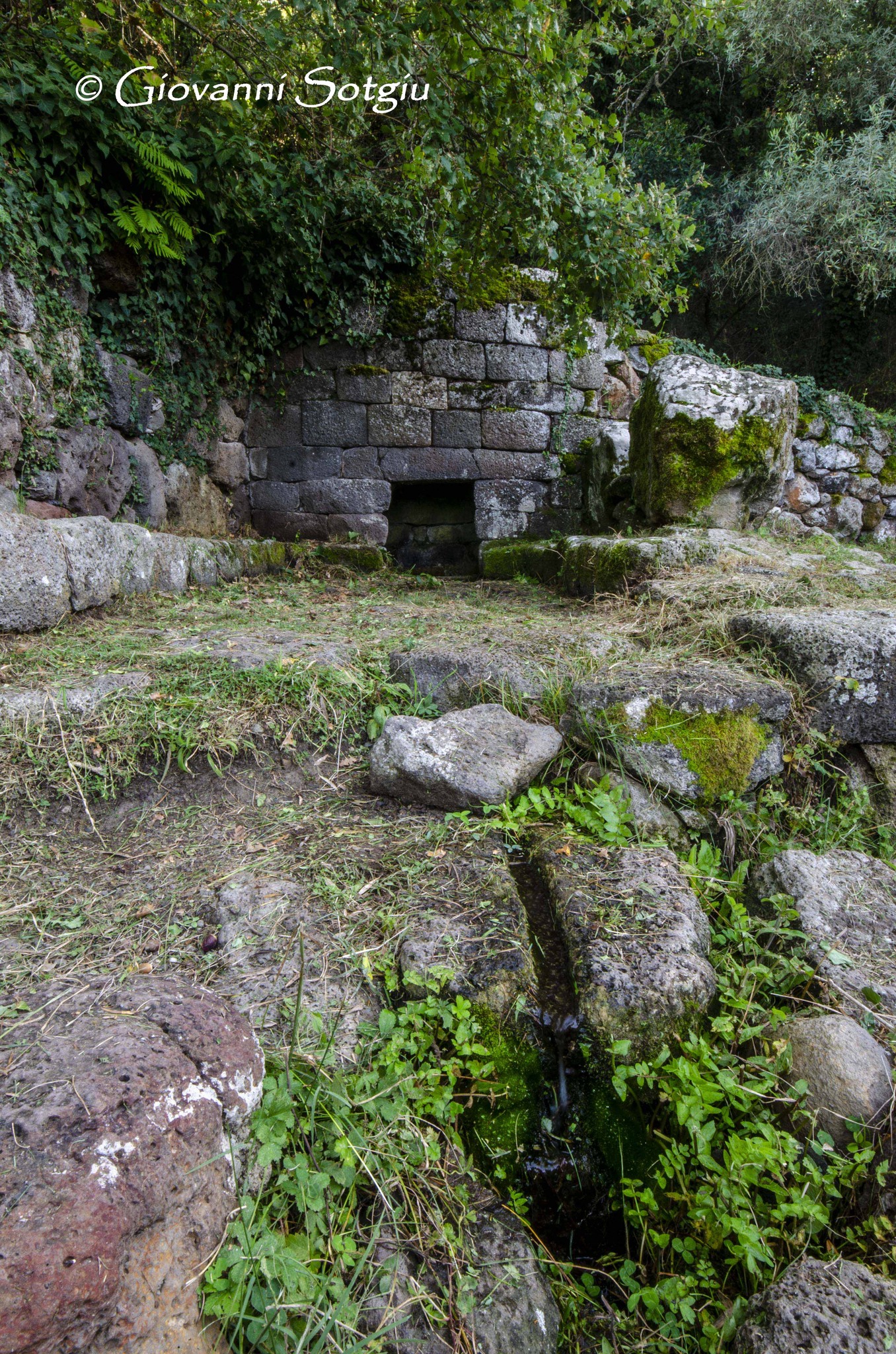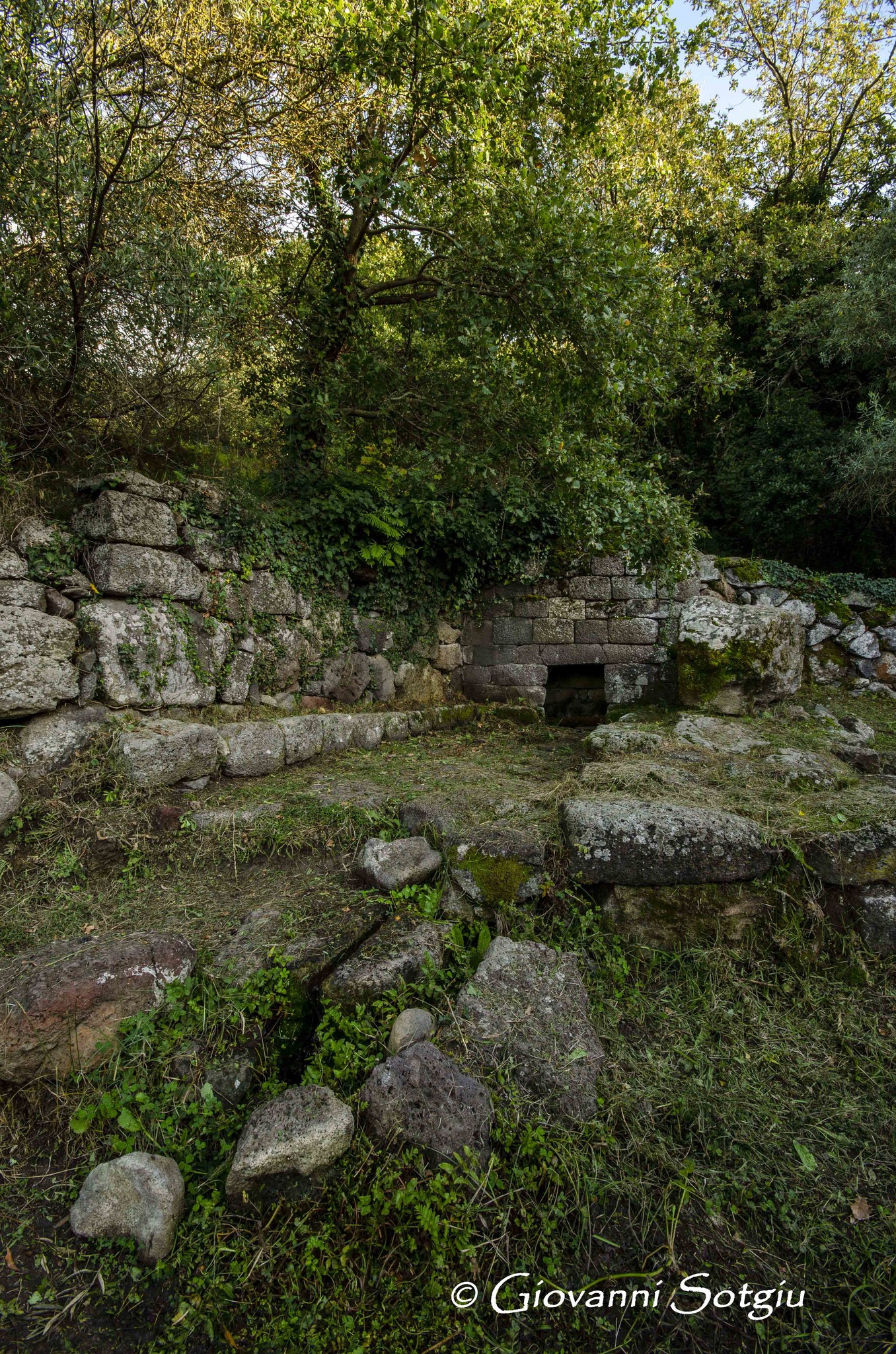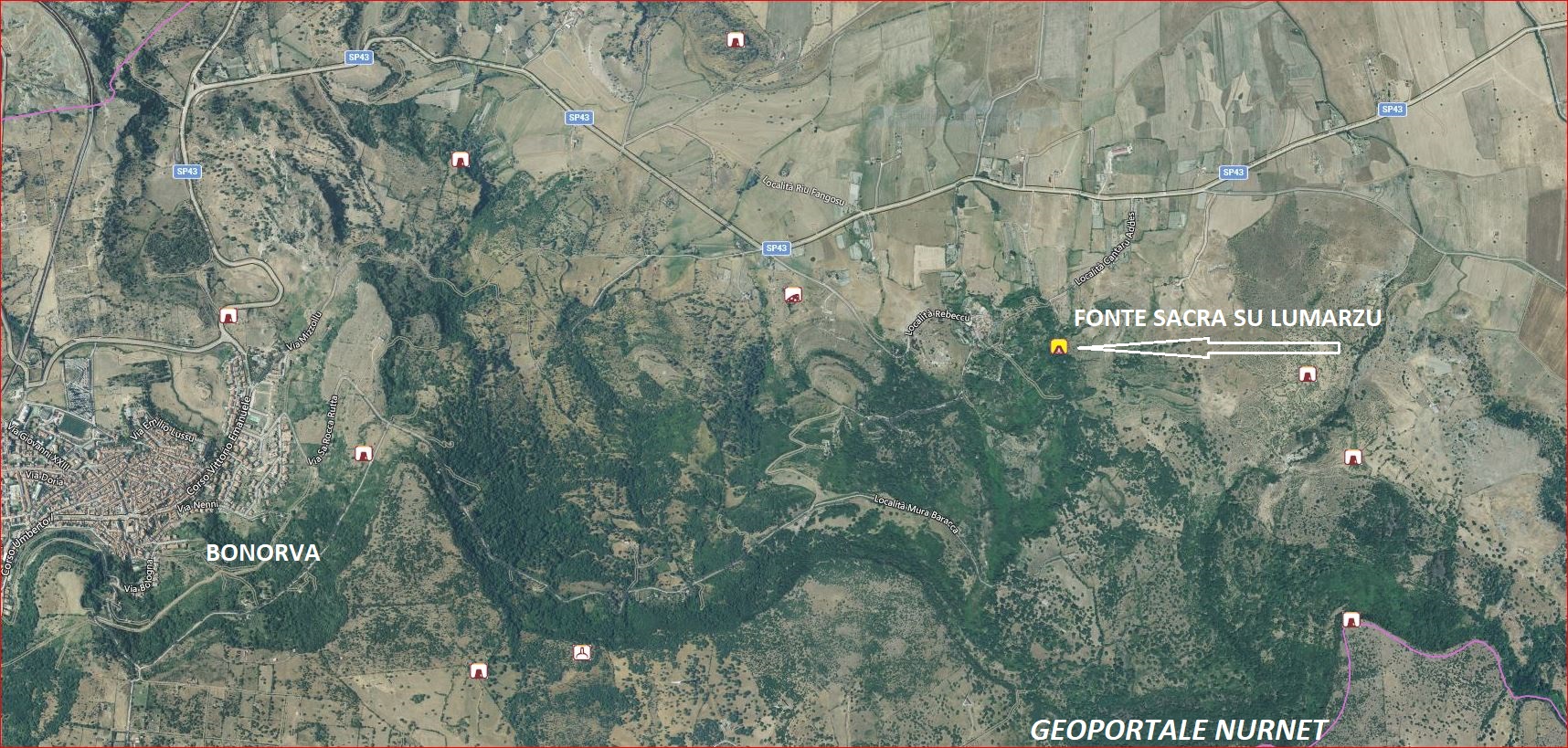
Small and well-preserved, carefully built above a spring that has been active for thousands of years and immersed in a timeless landscape. This is the setting in which you will find the sacred spring of su Lumarzu, at the end of a path that winds its way from the tiny medieval village of Rebeccu, on the edge of the Santa Lucia plain, in the Logudorese territory of Bonorva.
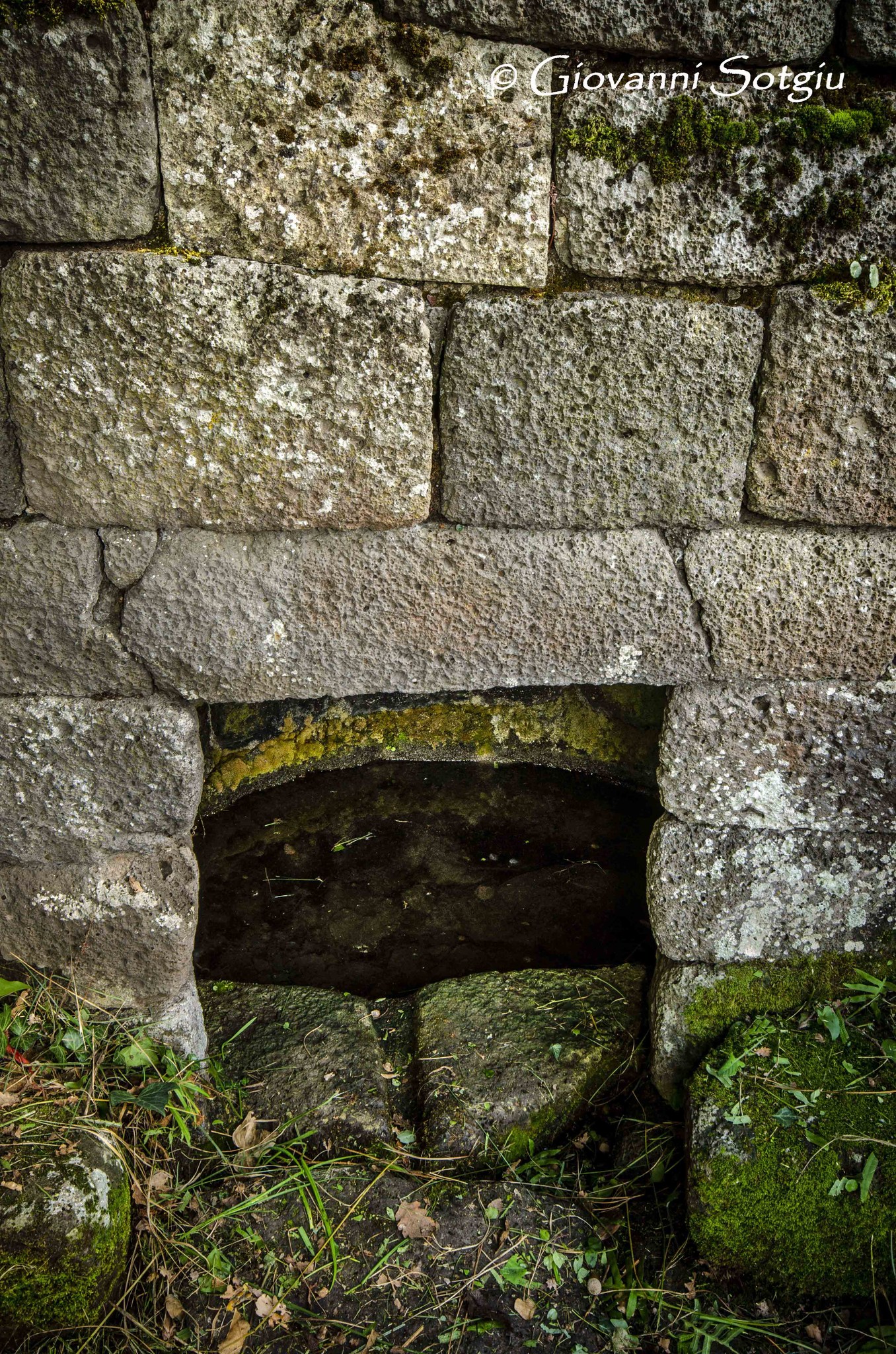
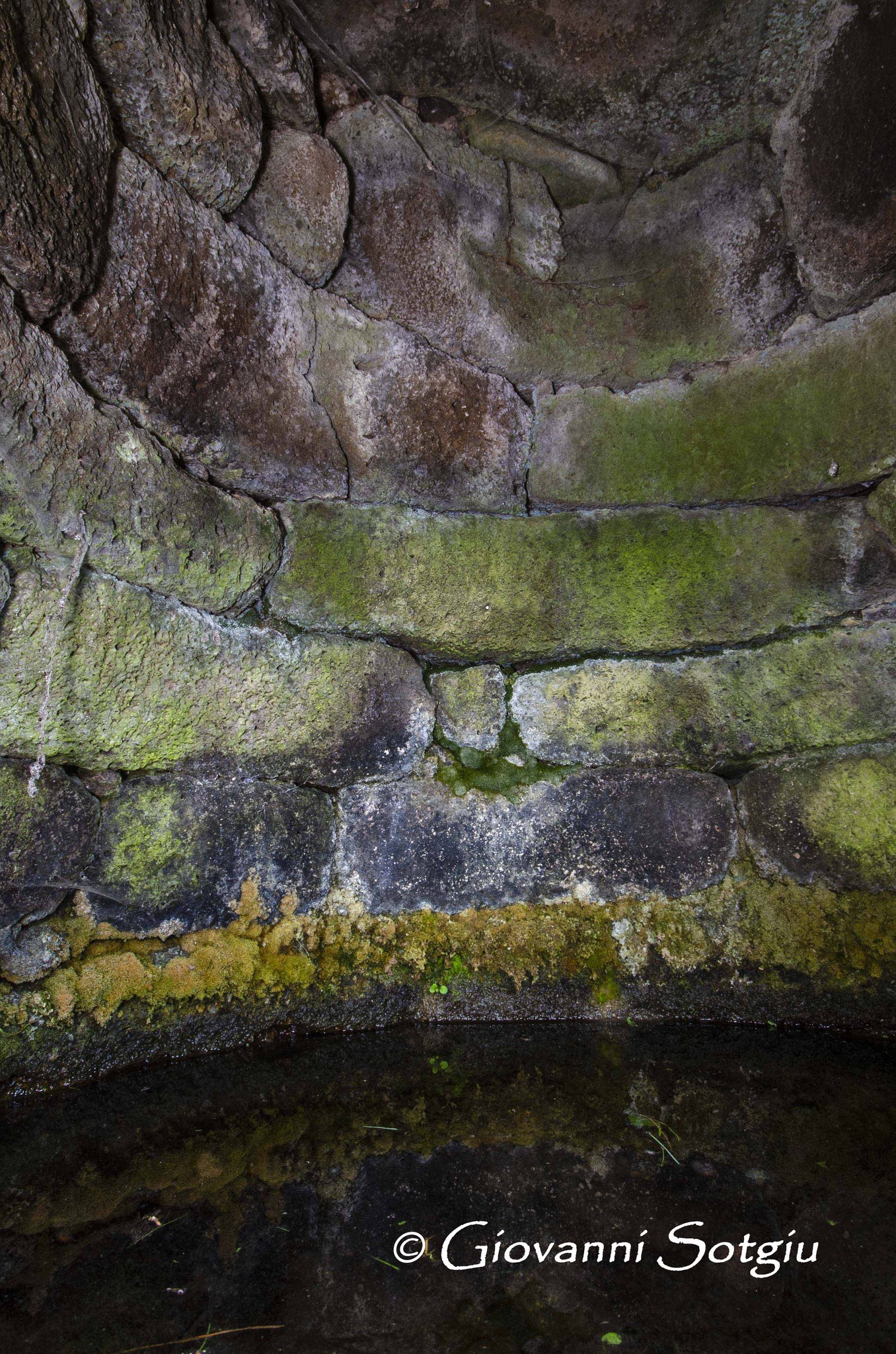
The structure consists of an atrium and a small cell, where the water that flows from the spring vein is collected. The rectangular atrium is paved, inside you will notice counters-seats on the walls and a niche. The construction material is basalt, carved into ashlars squared in regular cuts and arranged in rows. The cell is accessed through a monolithic slab, over which a trapezoid-shaped entrance opens.
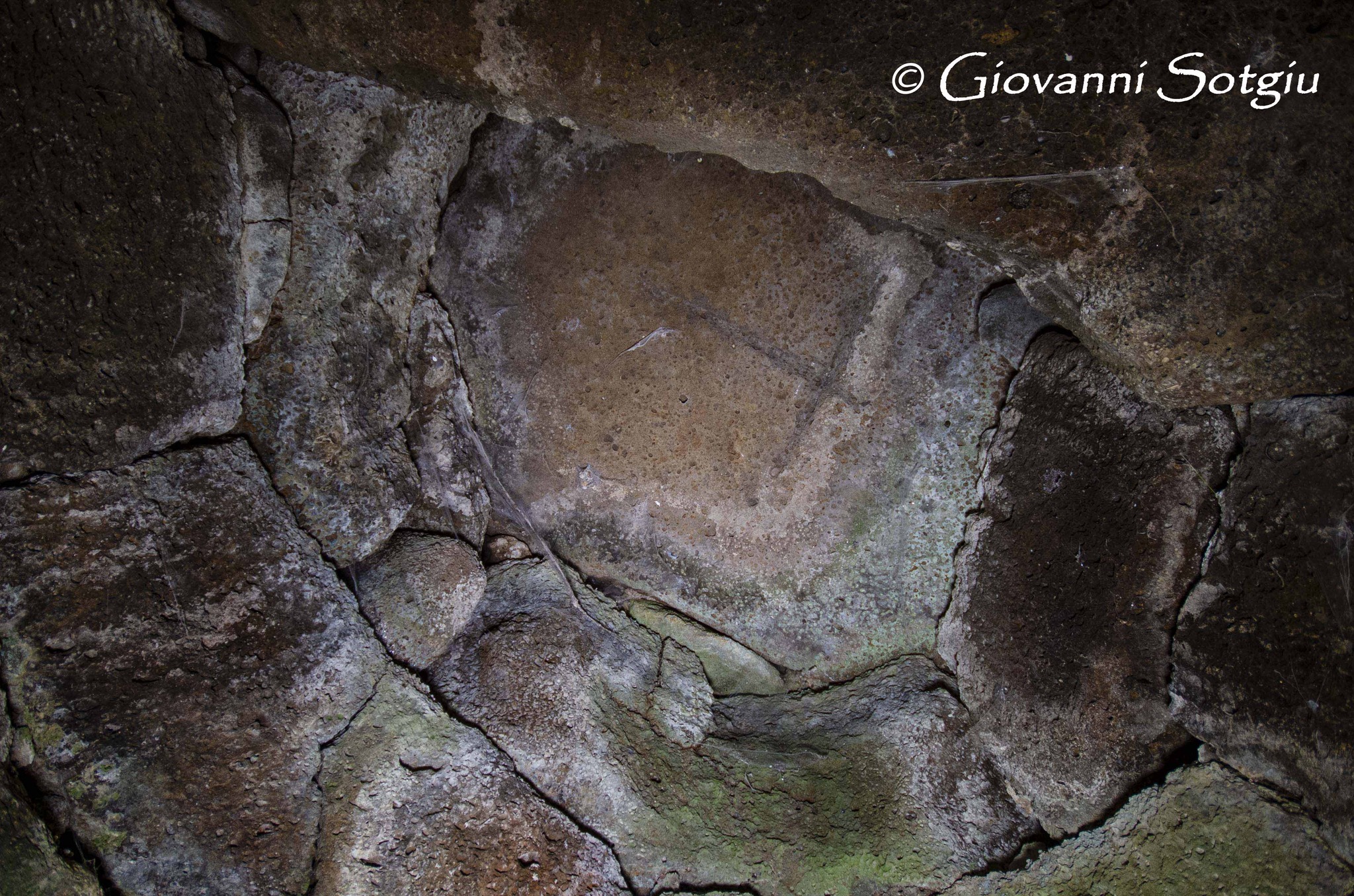
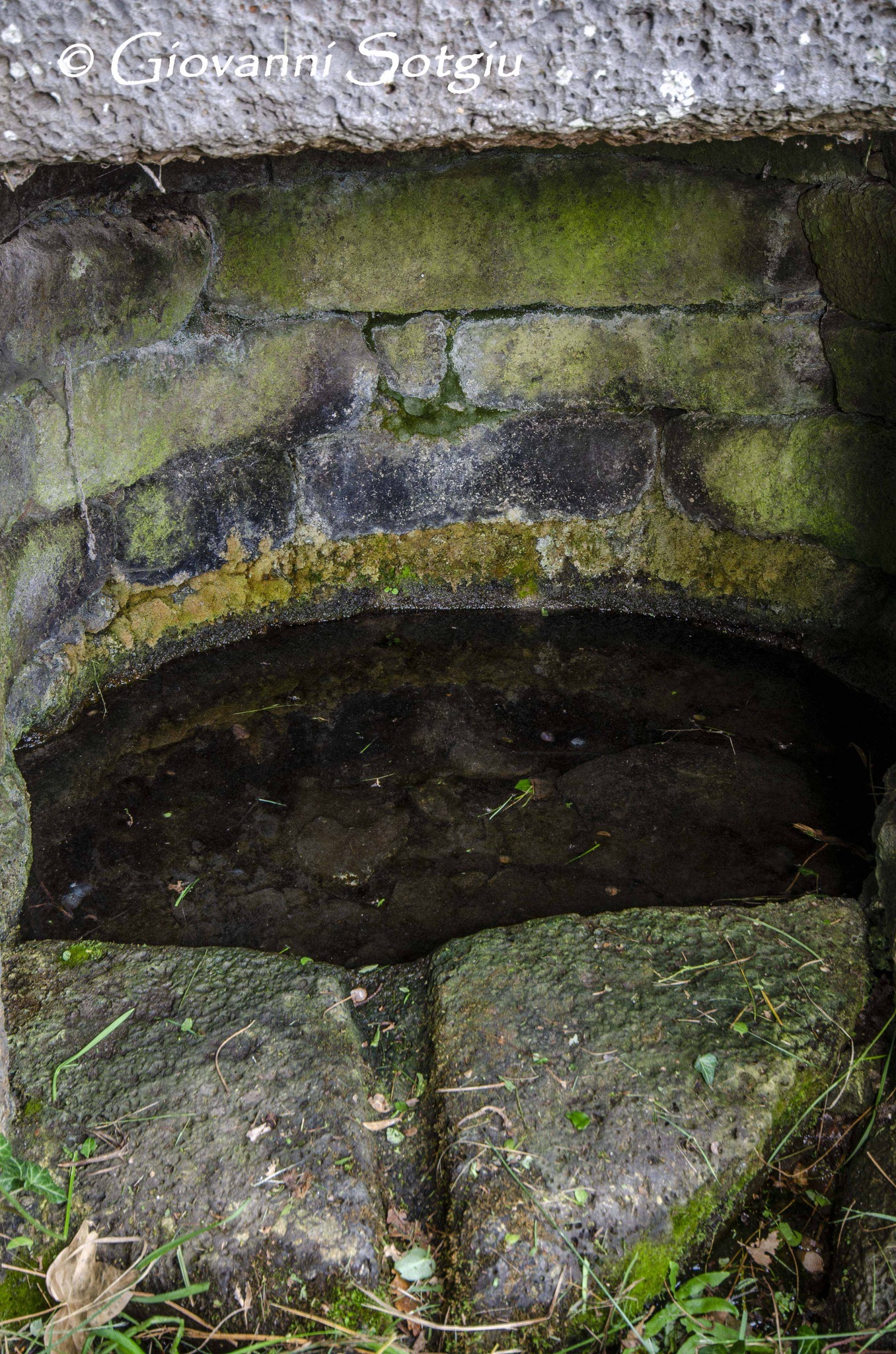
The cella has a tholos roof, ending with a horizontal slab on which – it is not known for certain when – a Latin cross was engraved, probably in order to ‘Christianise’ a pagan place of worship.
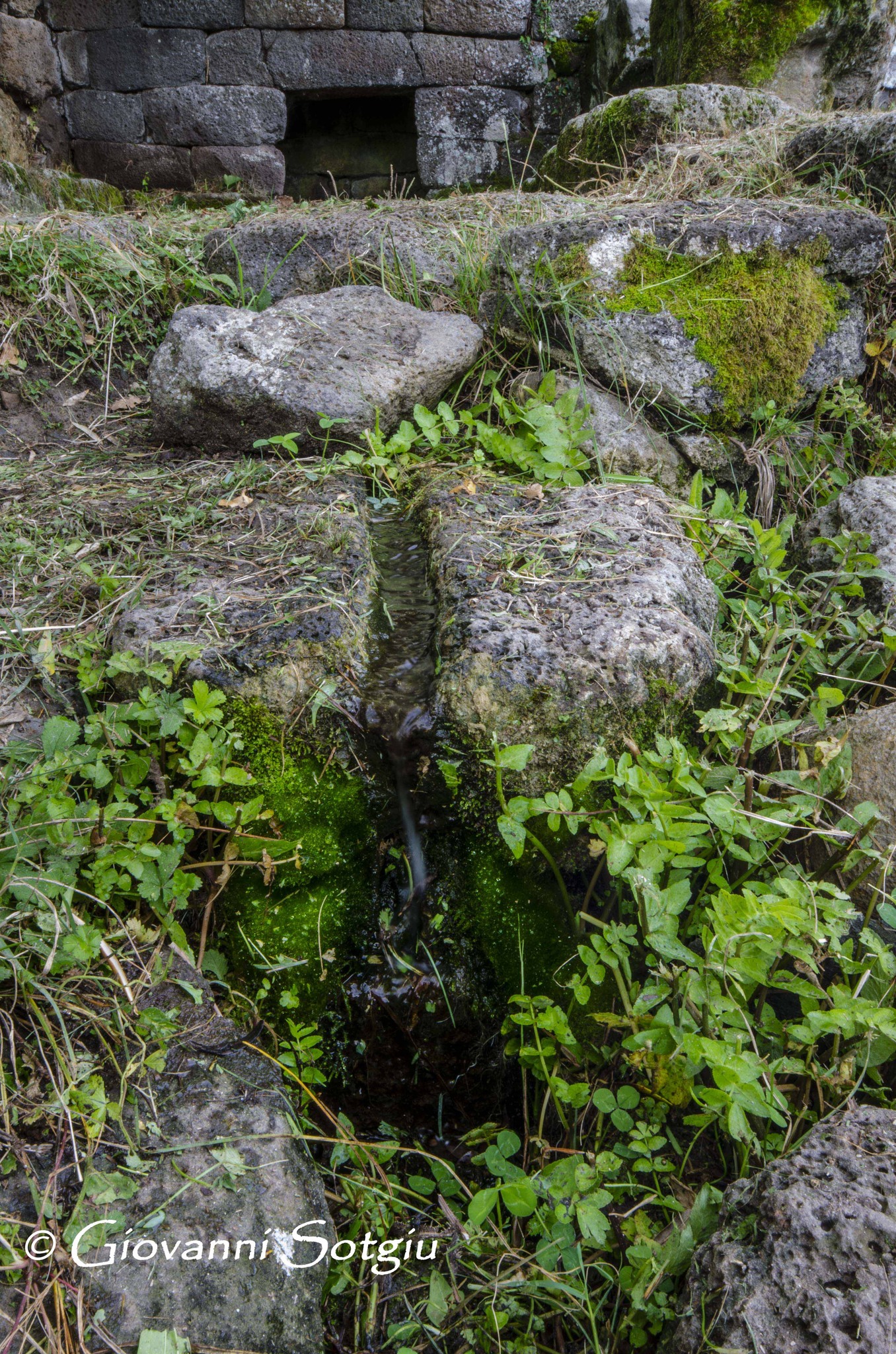
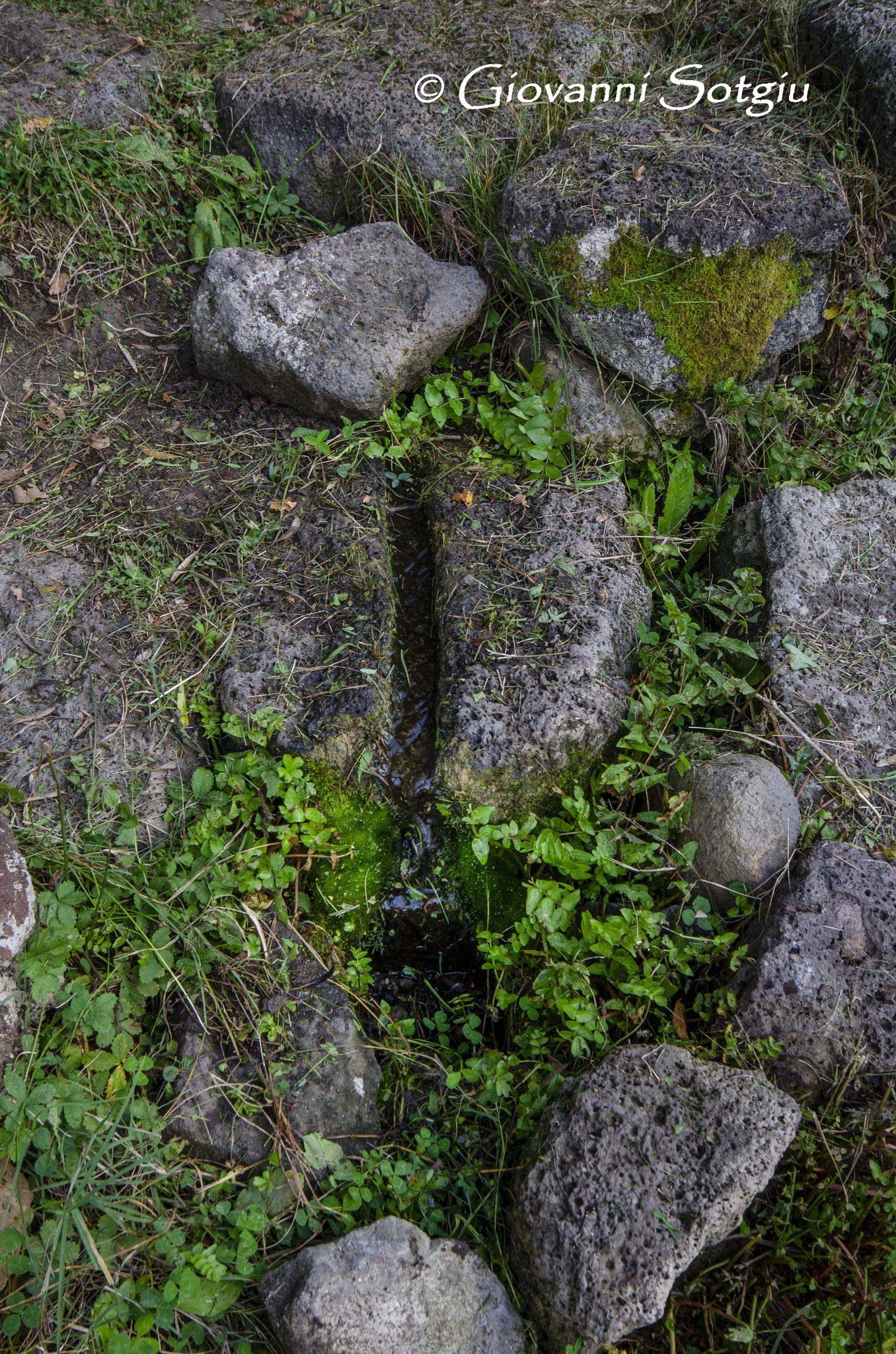
The basin, hollowed out in the basalt rock, is shallow and has a circular shape that reflects the structure of the dome. The water never fails and flows through a small channel, which you will notice in the threshold of the inner chamber, and then runs along a conduit under the floor of the atrium.The structure is dated between the Final Bronze Age (13th-10th century B.C.) and the Early Iron Age (10th-8th century B.C.), but it was frequented at least until Late Antiquity, as testified by the coins found on site, dating from the 4th century A.D. The presence of high side walls, the niche and the counters in the walls of the atrium have led to the hypothesis that the temple was not only a place reserved for priests and that the counters were not used – at least not exclusively – to lay offerings, but that perhaps they were seats and that other types of rituals were performed at Su Lumarzu. Perhaps even ordeals, i.e. ‘sacred trials’, in which the judged had to prove his innocence before the deities by undergoing tests with water or fire.
Source: Sardinia Tourism.
The photos of the Su Lumarzu sacred spring are by Giovanni Sotgiu.