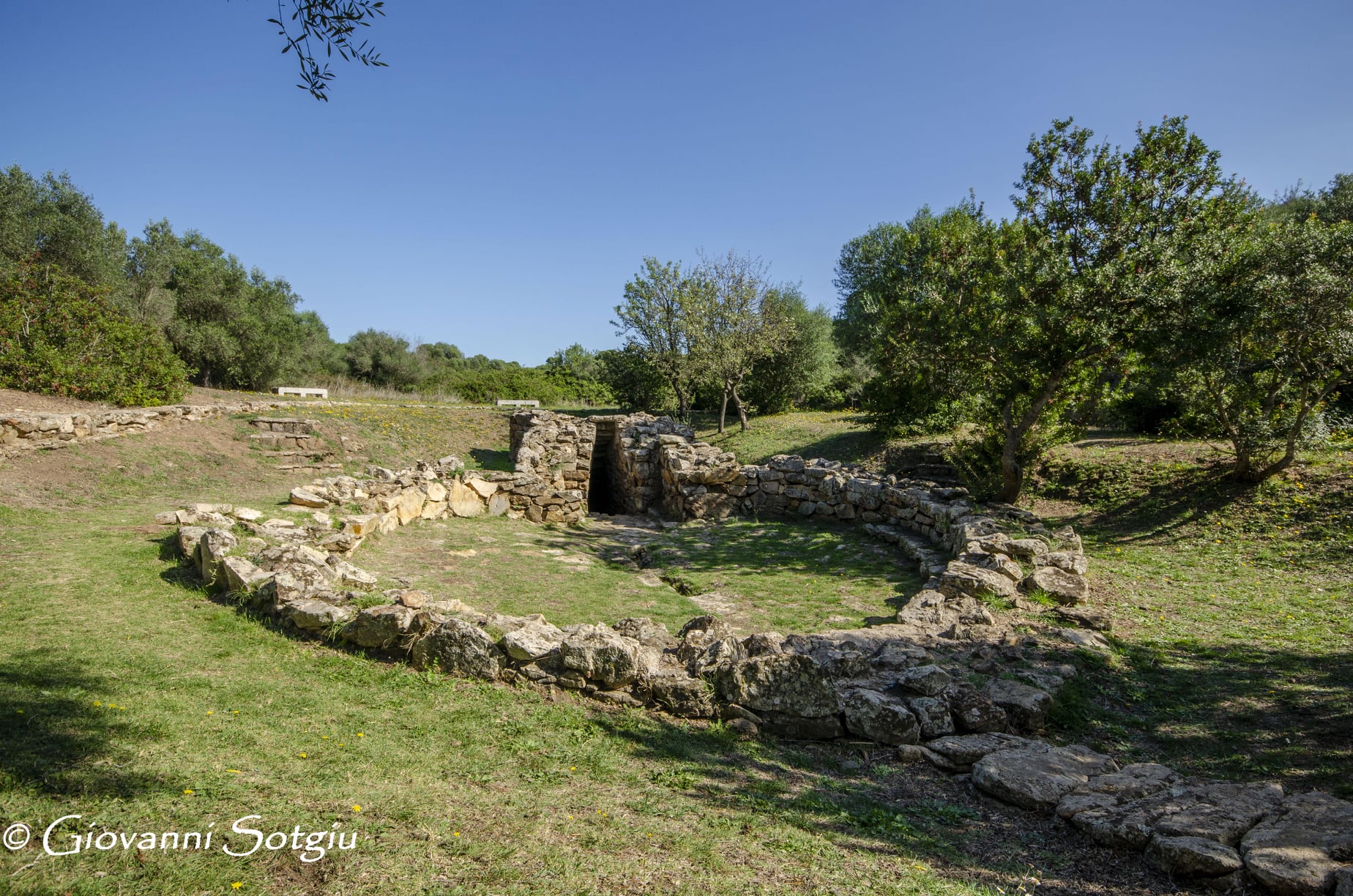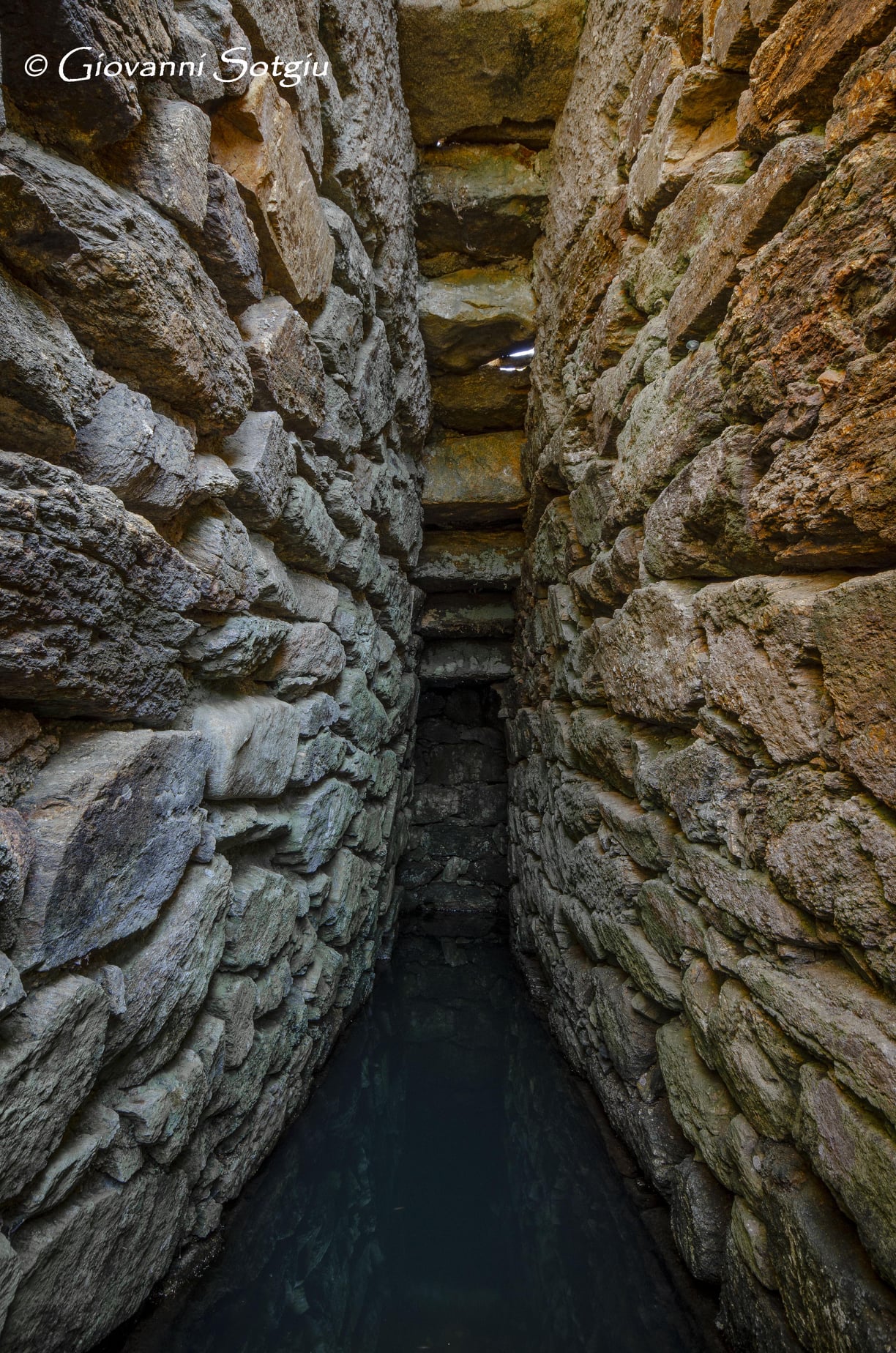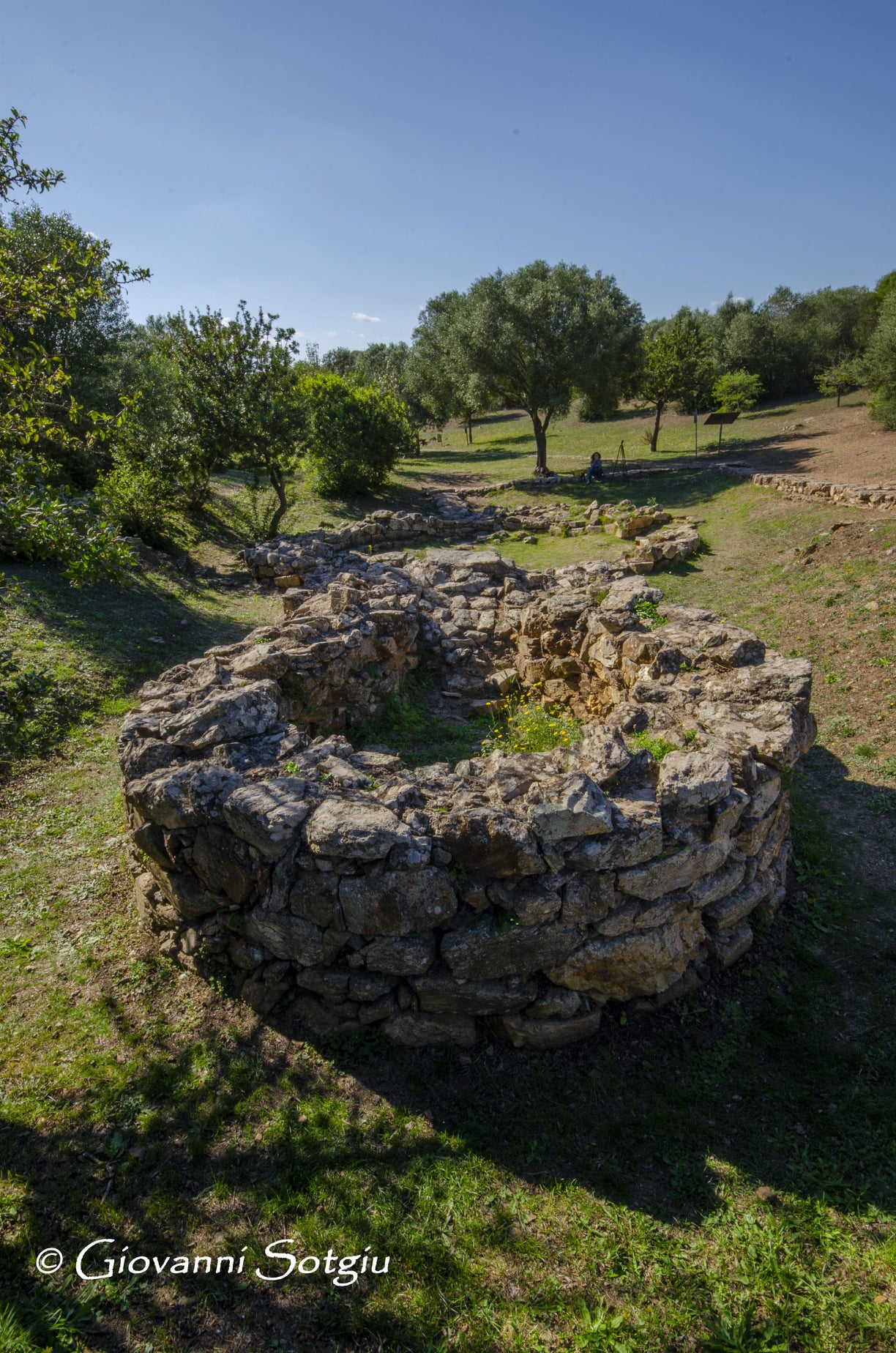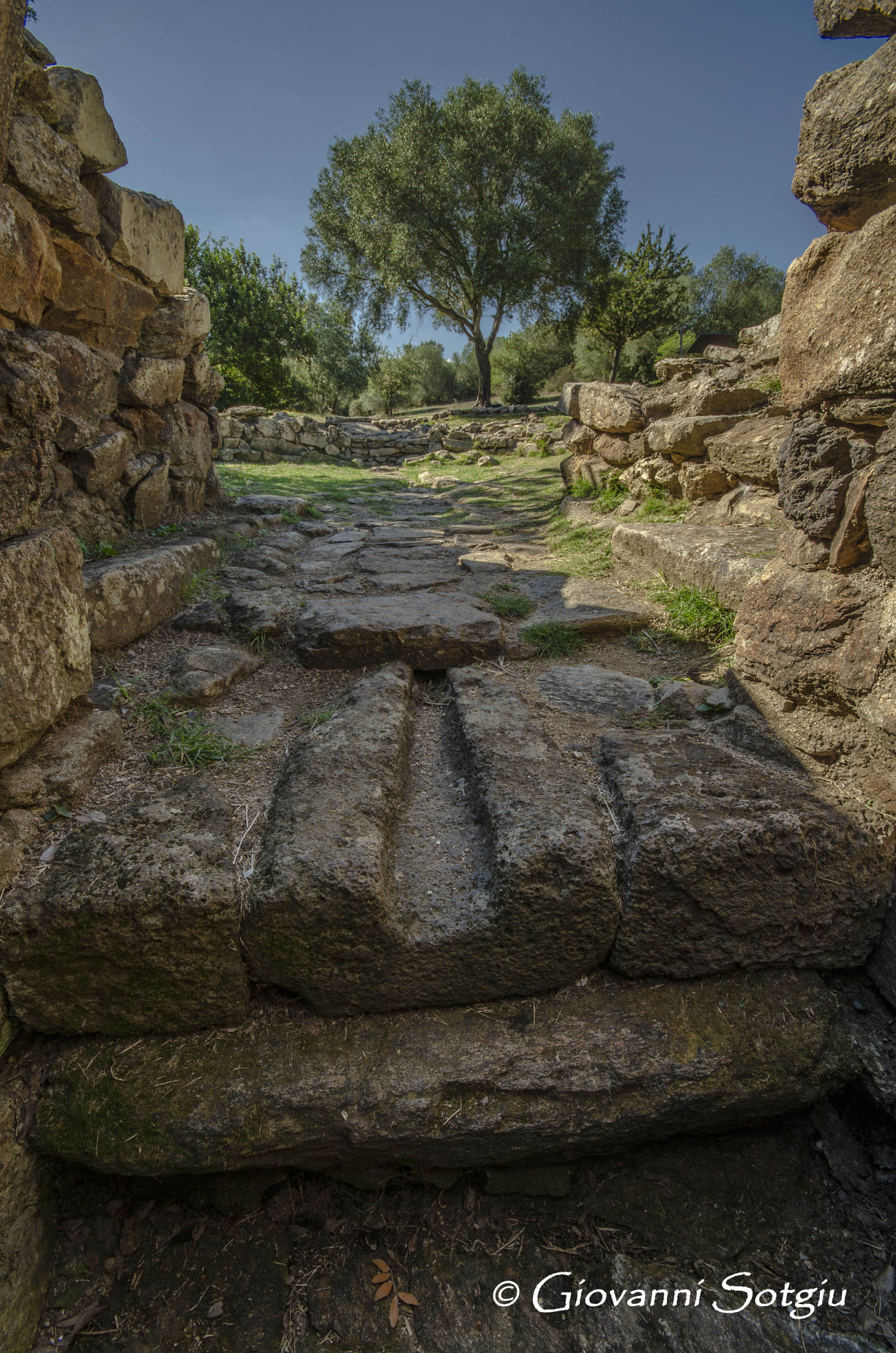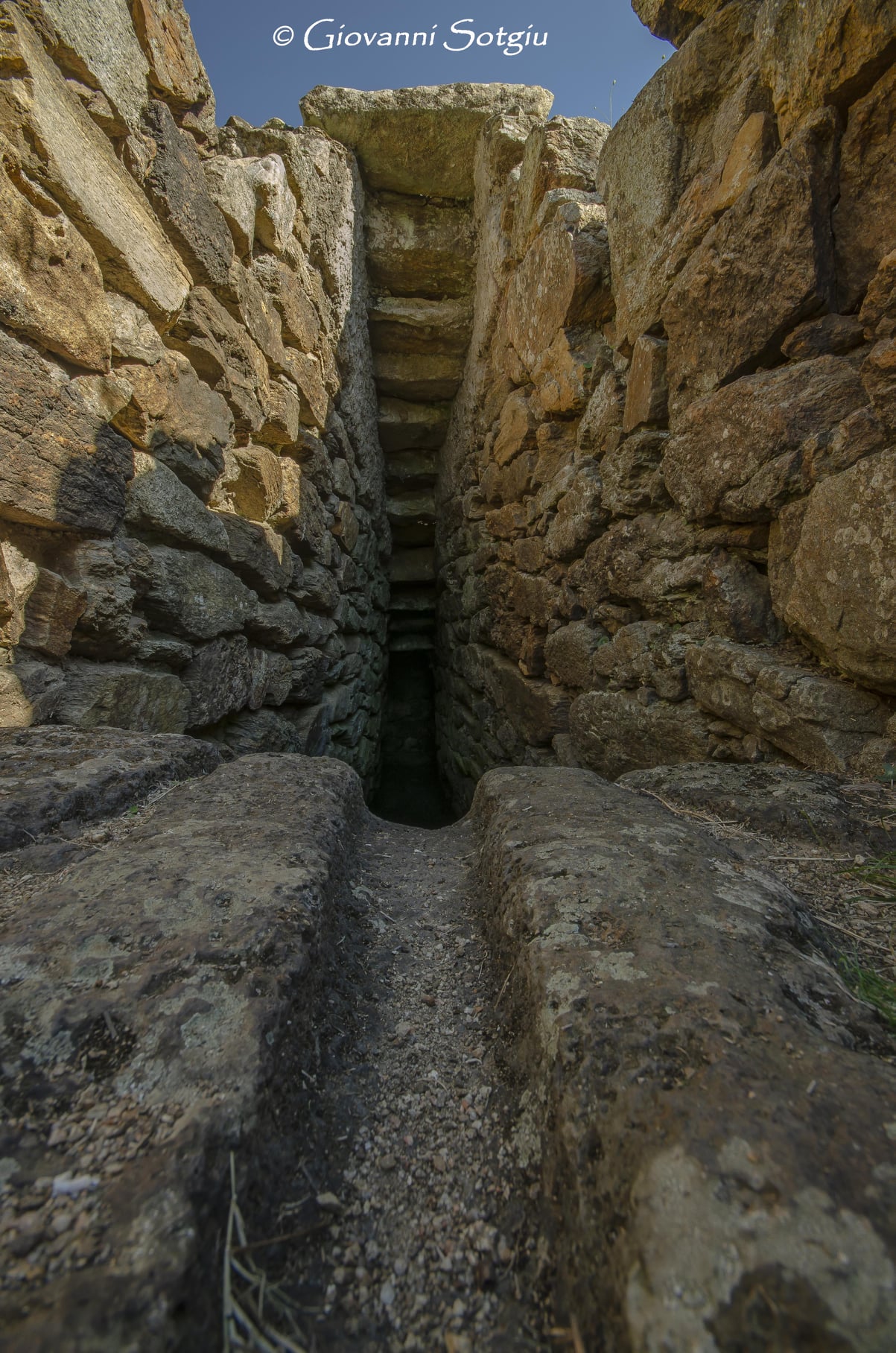
The sacred well of Sa Testa is one of the best-known places of worship in Nuragic Sardinia. It can be dated to the Final Bronze Age (12th-11th century B.C.). It was built with blocks of local schist, granite and a single element, the first step of the staircase, of trachyte.
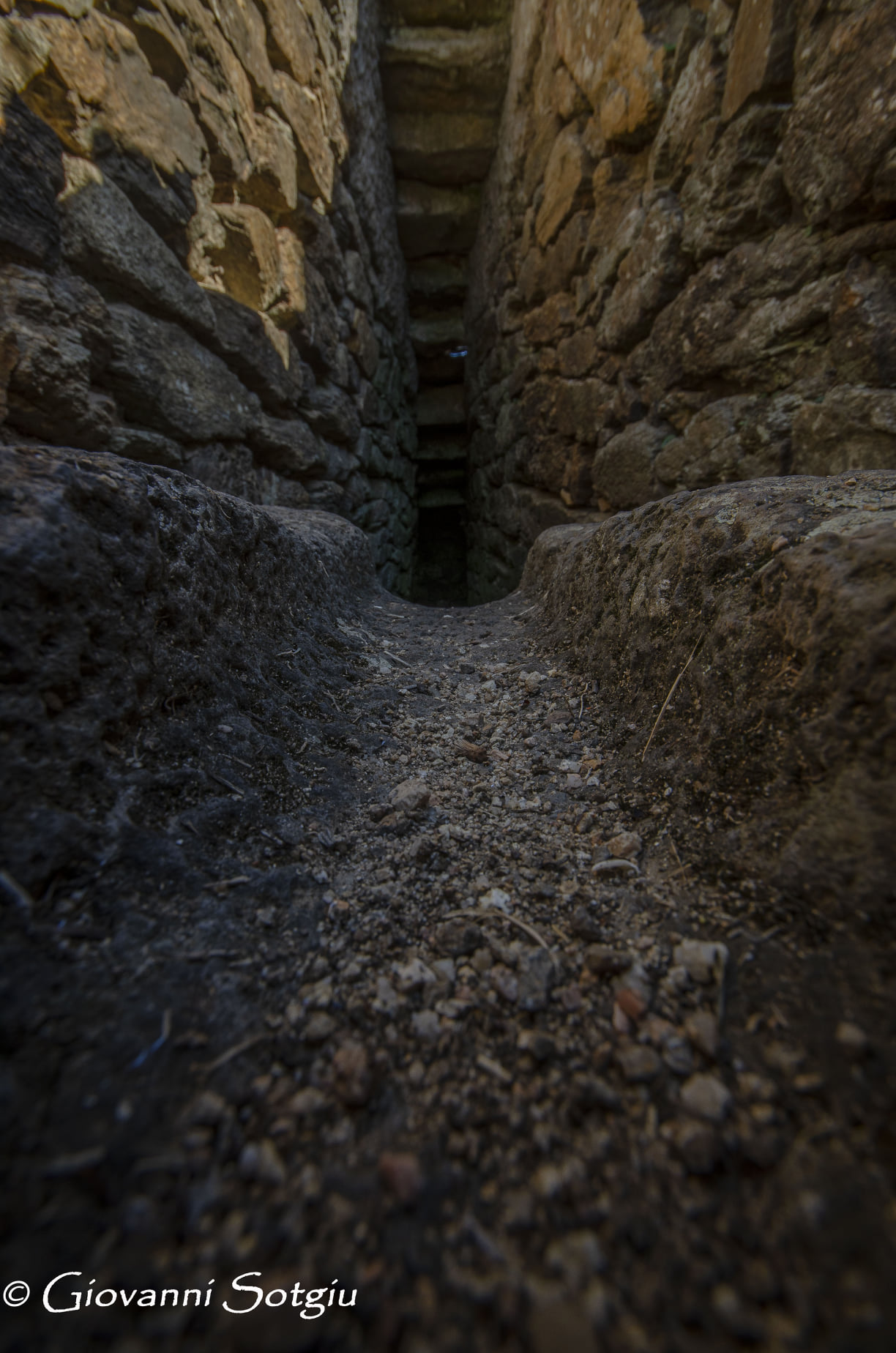
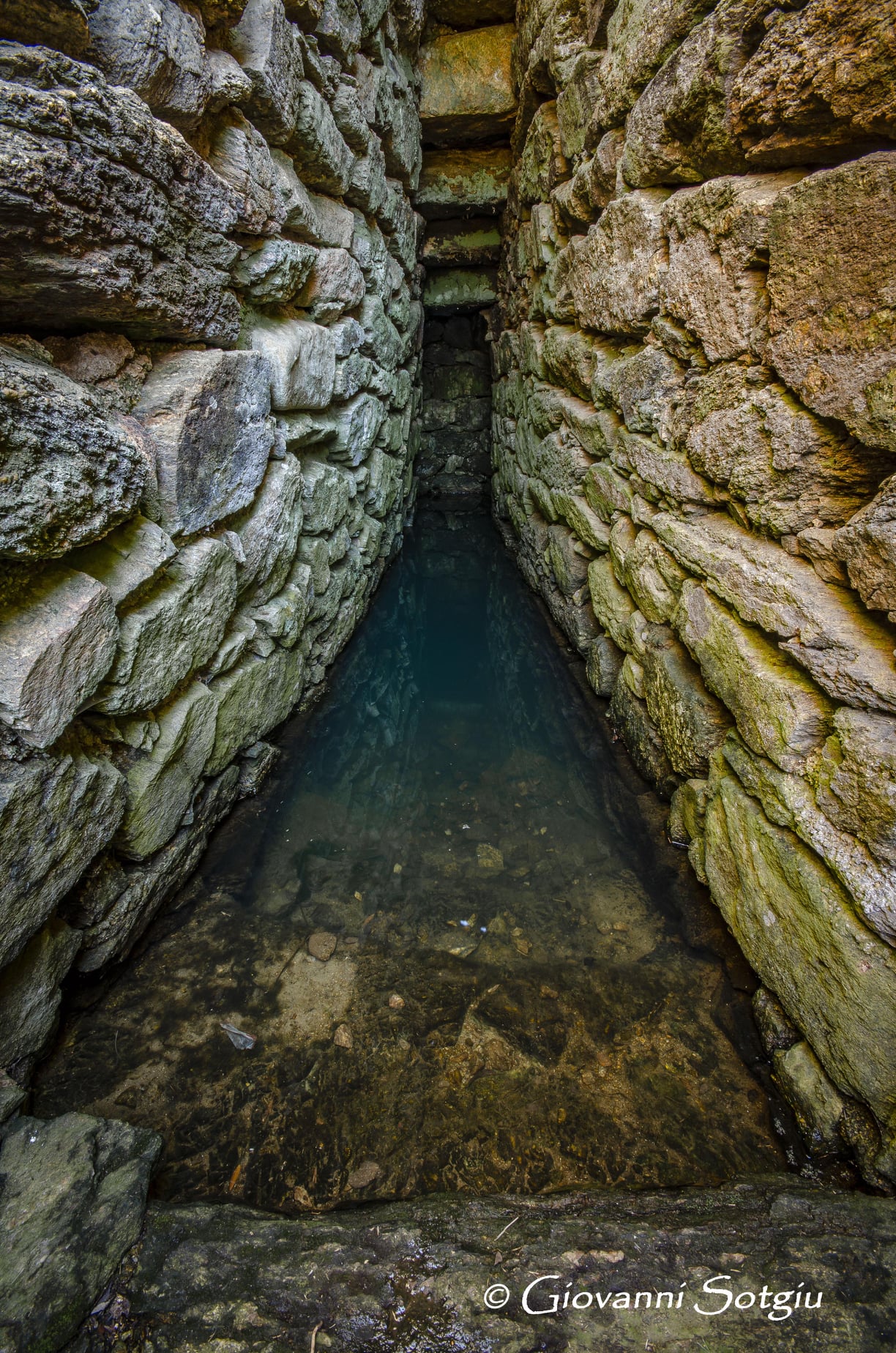
The monument consists of a large ellipsoidal courtyard, crossed by a drainage channel and equipped with stone seats at the edges, where rituals were probably performed; a trapezoidal vestibule also with seats at the sides; a staircase with 17 steps leading to the well chamber. The latter, constantly submerged together with the last steps, is circular and closes in a tholos about 5 m high. The temple was excavated in 1938 and restored 1969. The materials found during the excavation testify to the frequentation of the site from the Nuragic Age to the Imperial Roman Age. Among the most important objects is a statuette made of juniper wood depicting a female silhouette.
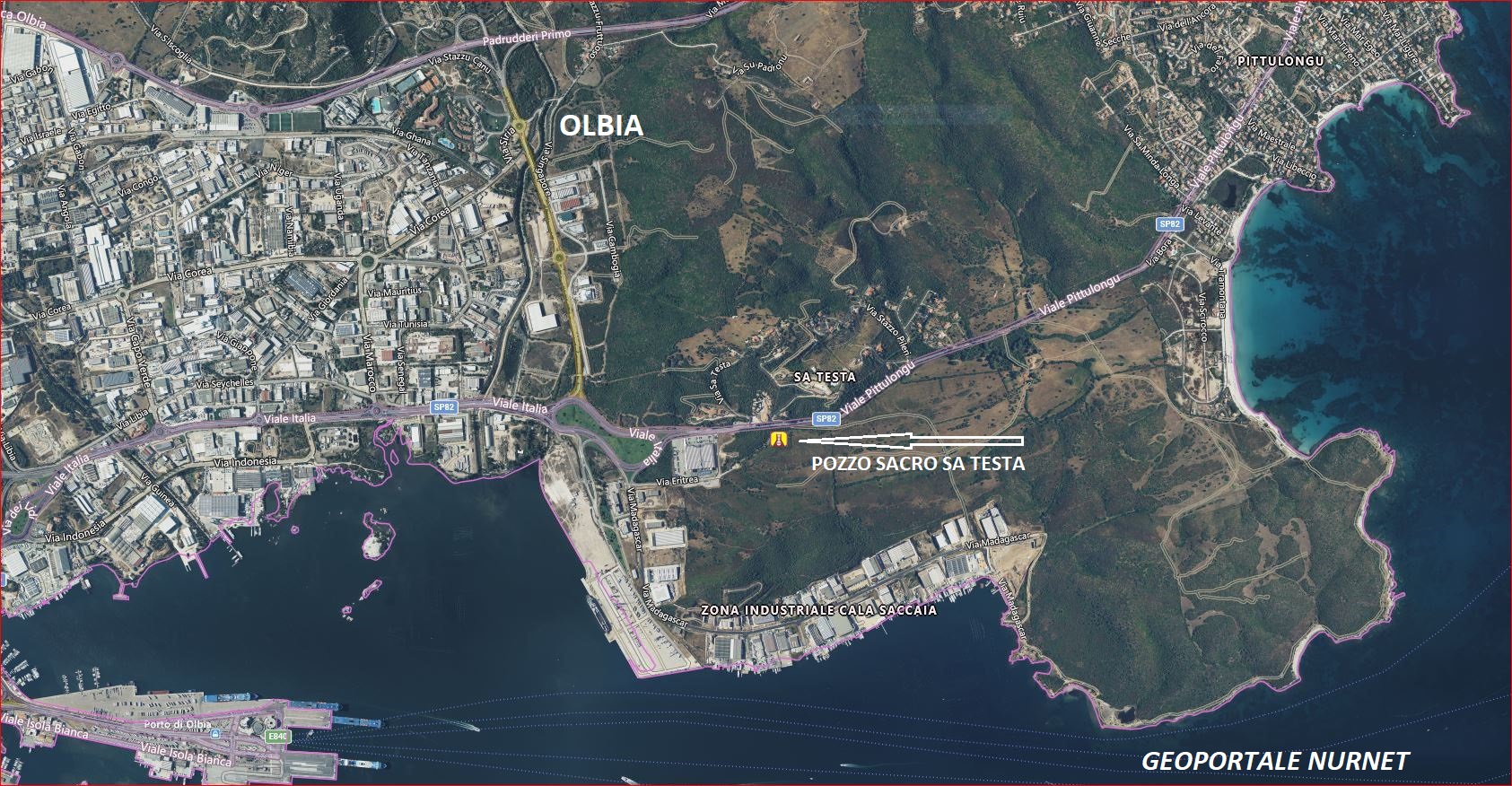
The site can be reached from Olbia, via the industrial area, up to the large ‘Pozzo Sacro’ roundabout. At the Gallura shopping centre, turn into Via Camerun, at the end of which, on the left, is the gate with the car park for the well.
Source: Ministry of Culture – Idese.
Photo: Giovanni Sotgiu.