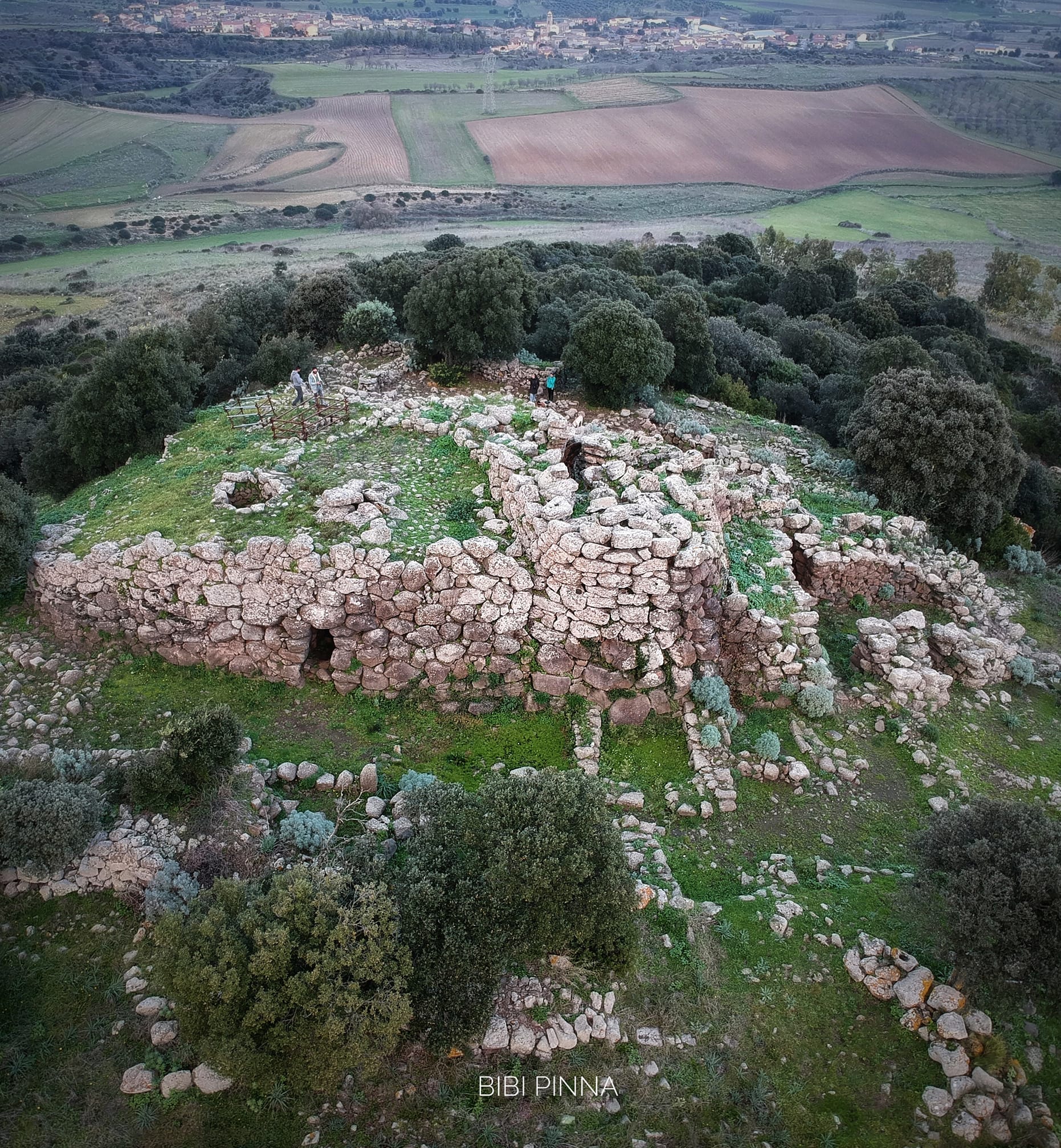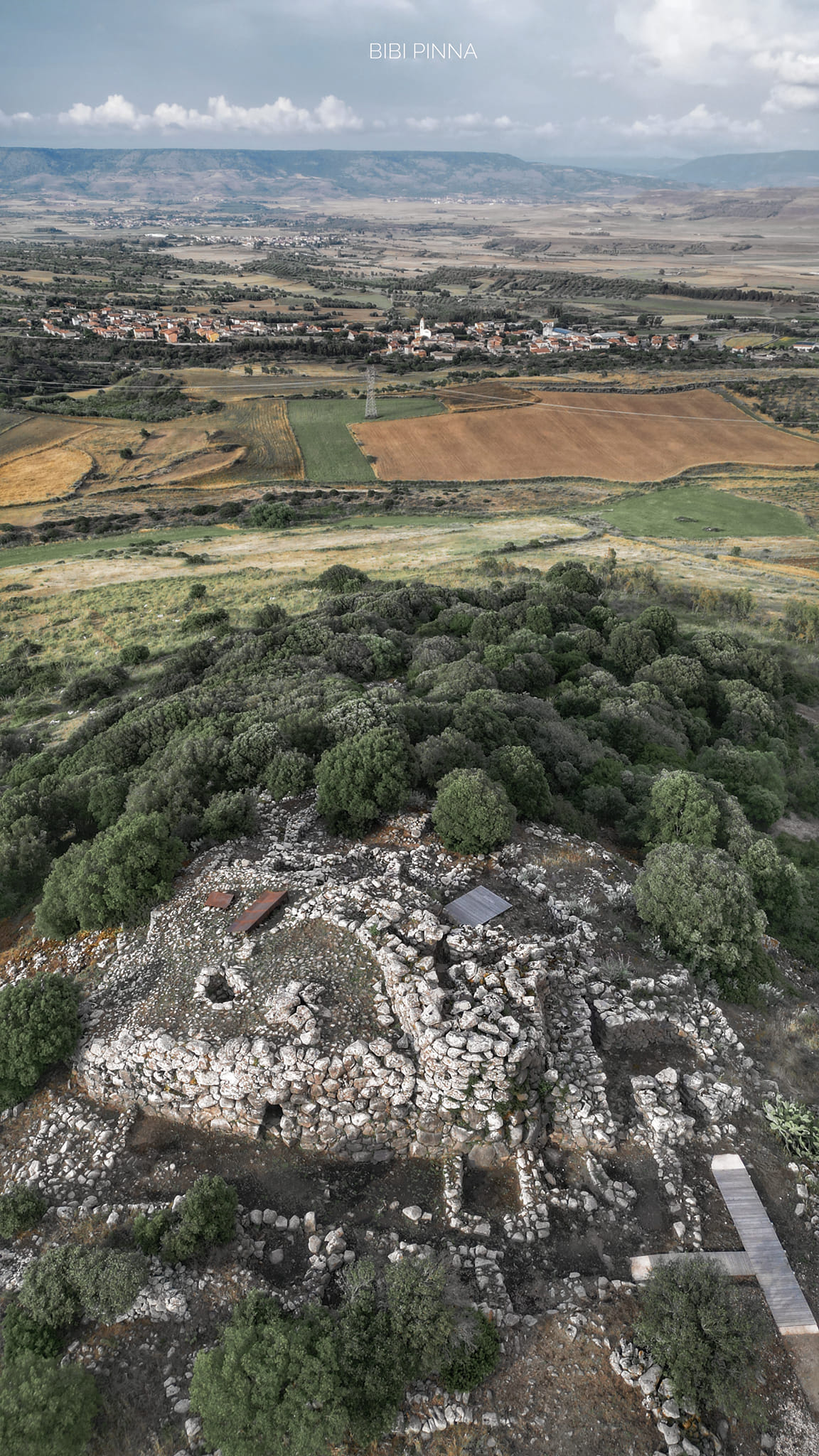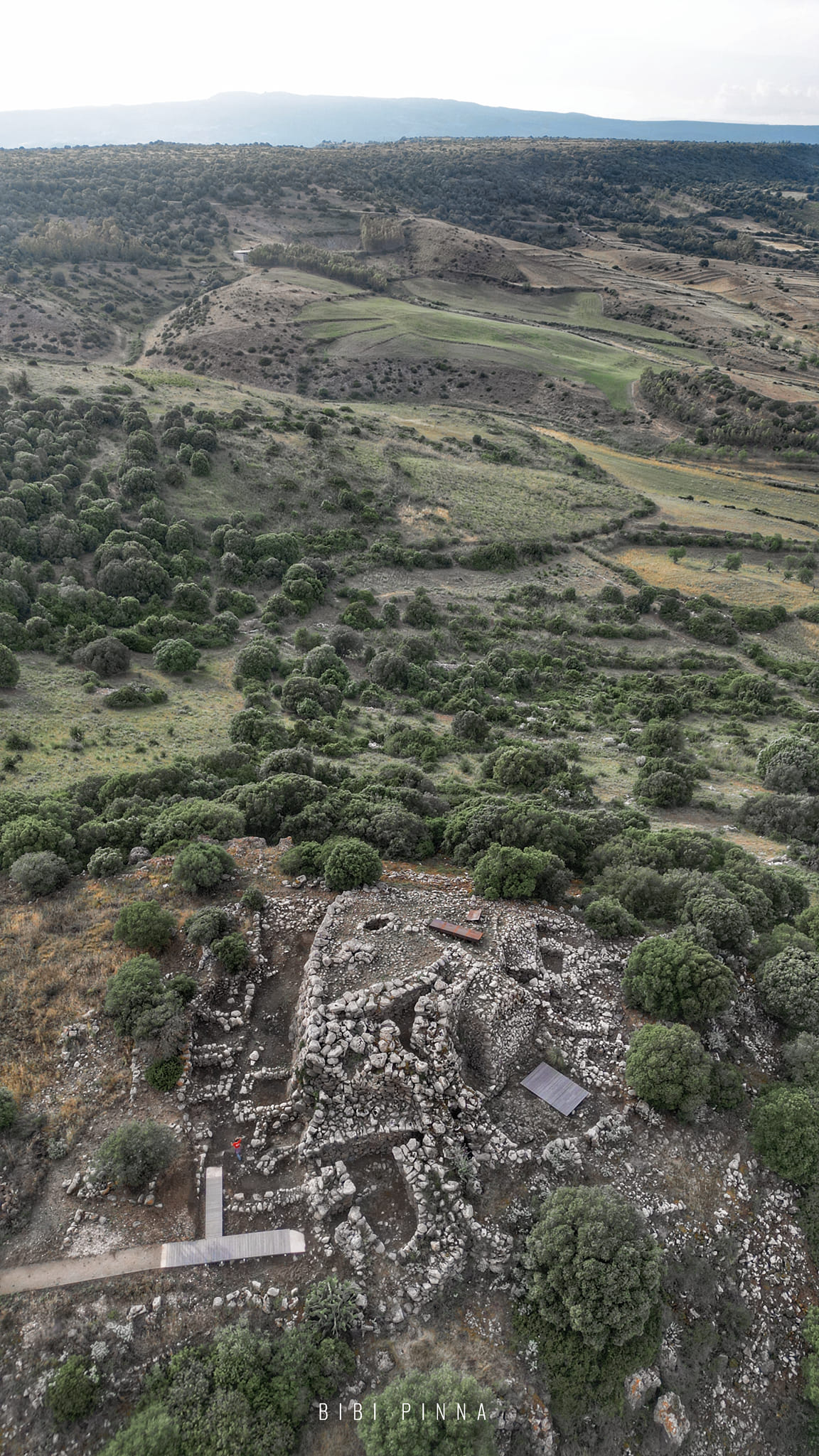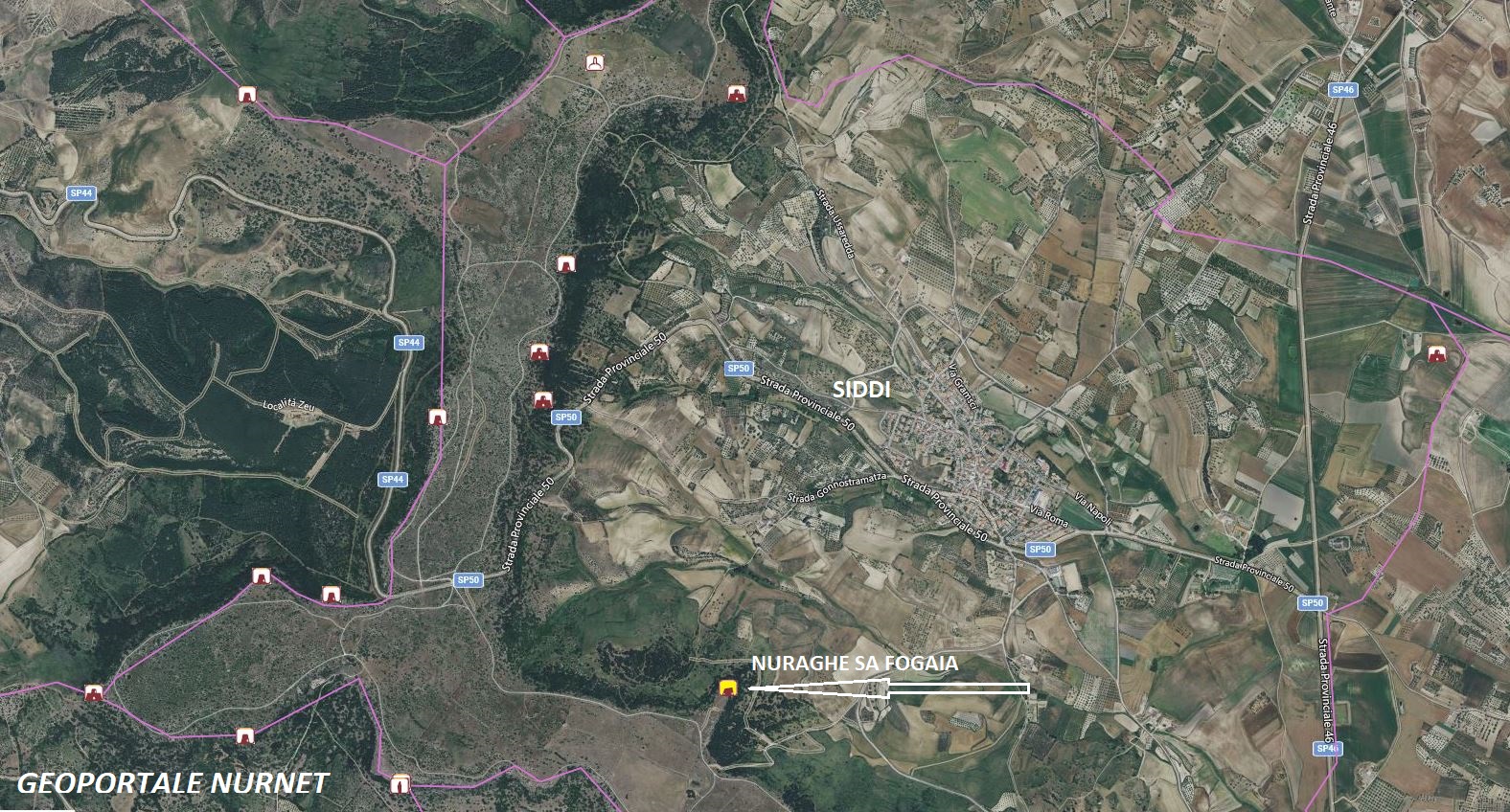
Built in a strategic position on an overhanging edge on the eastern slope of the Siddi plateau, the ‘Sa Fogaia’ nuraghe is located in the panoramic area of the Sa Fogaia Archaeological Nature Park. It takes its name from the area in which it is located, perhaps once used as a charcoal pile.
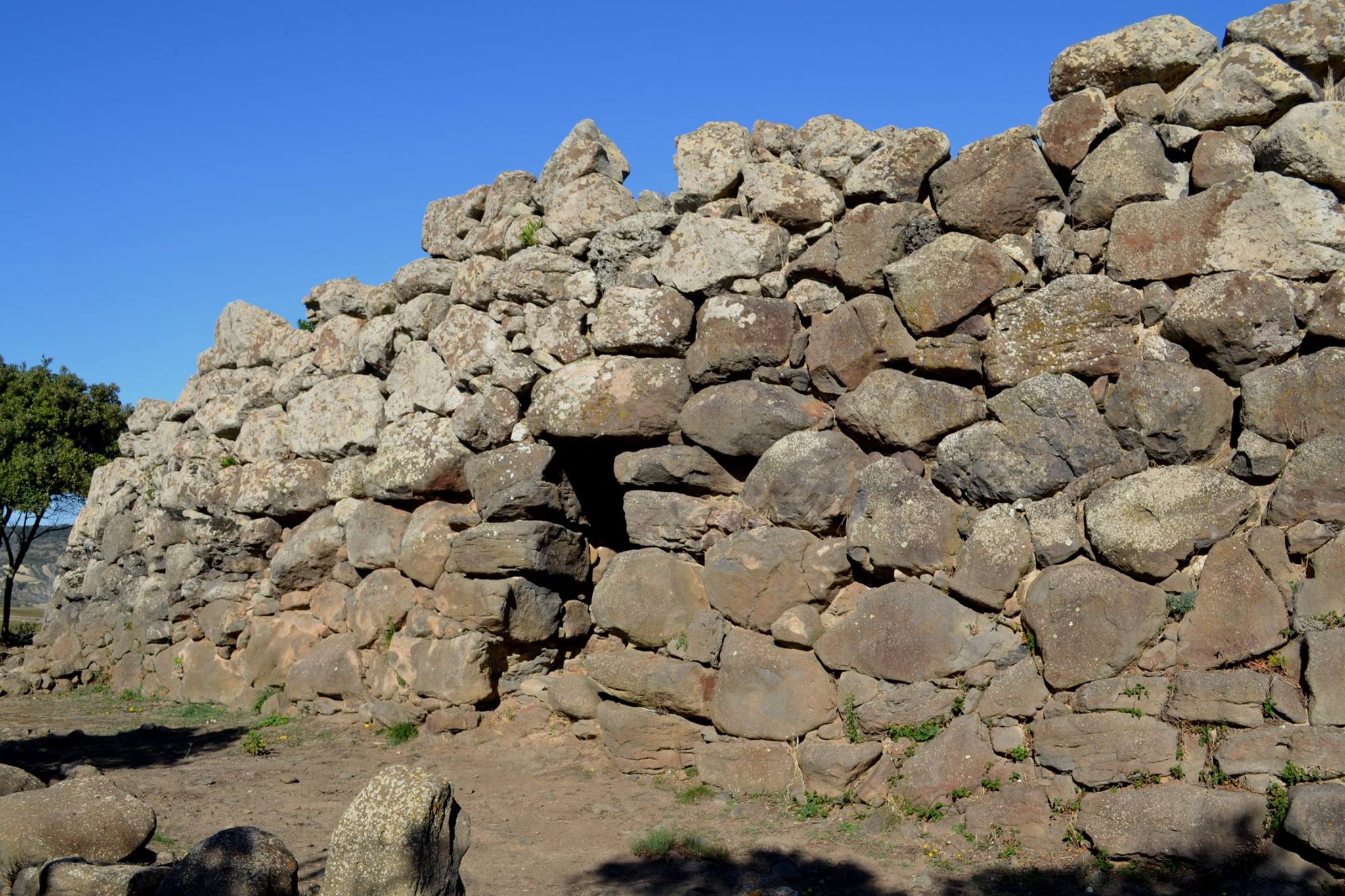
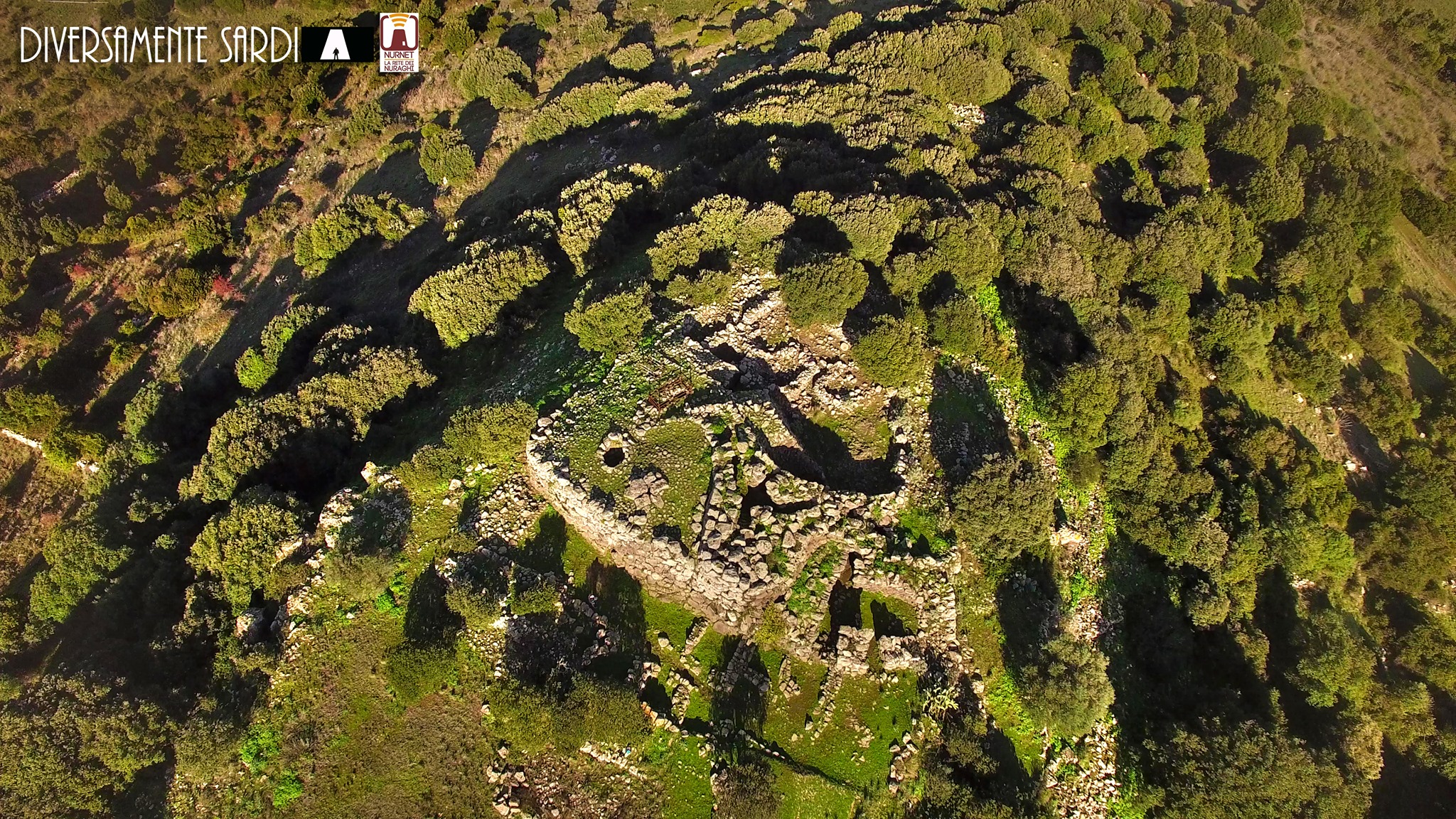
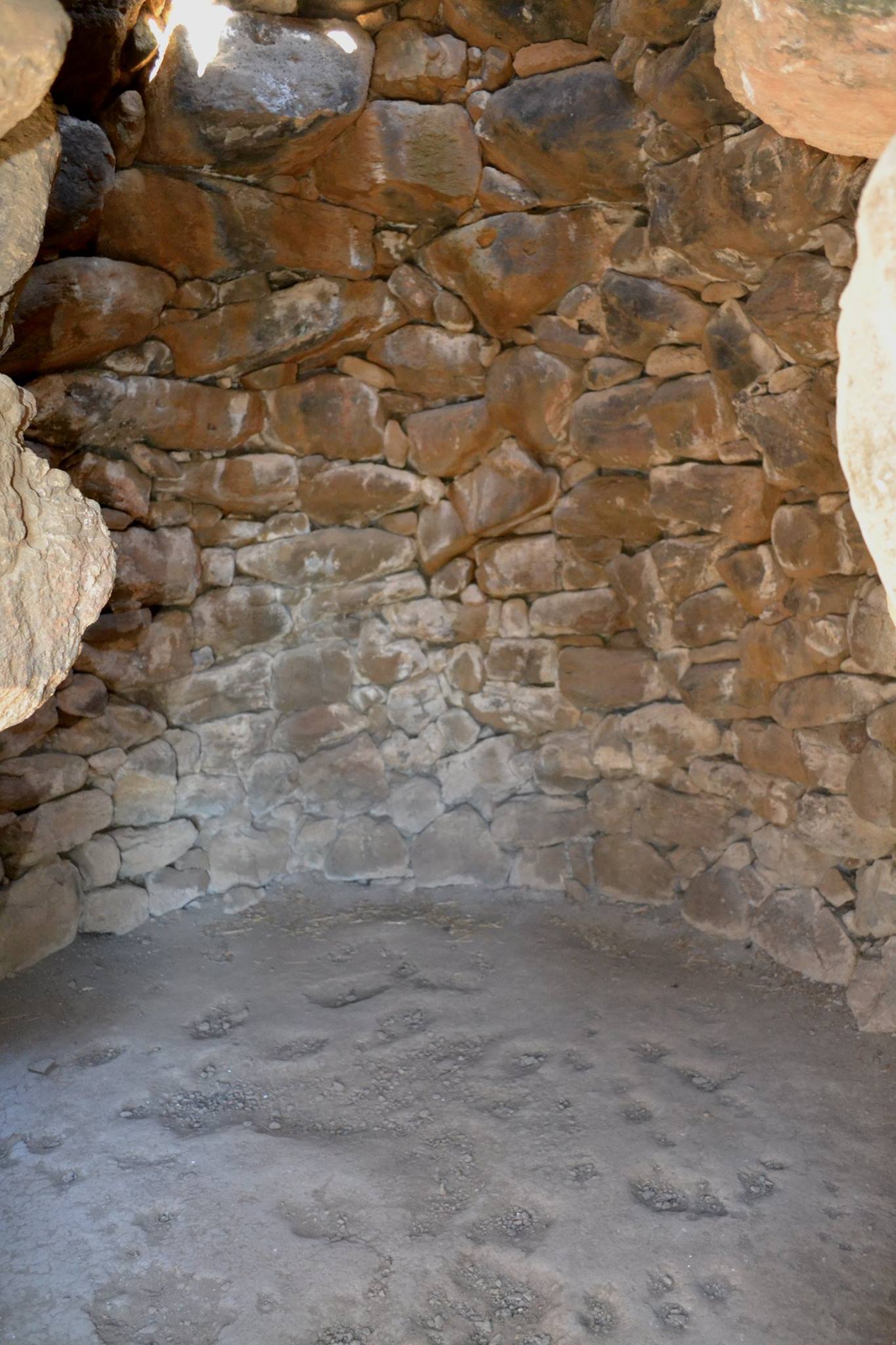
It is a corridor nuraghe, complex, irregular and with horizontal development. It consists of three large megalithic bodies, made of basalt blocks. It is the result of three different construction periods, two main Nuragic and one secondary, late Punic first and Roman later, reuse of the area.
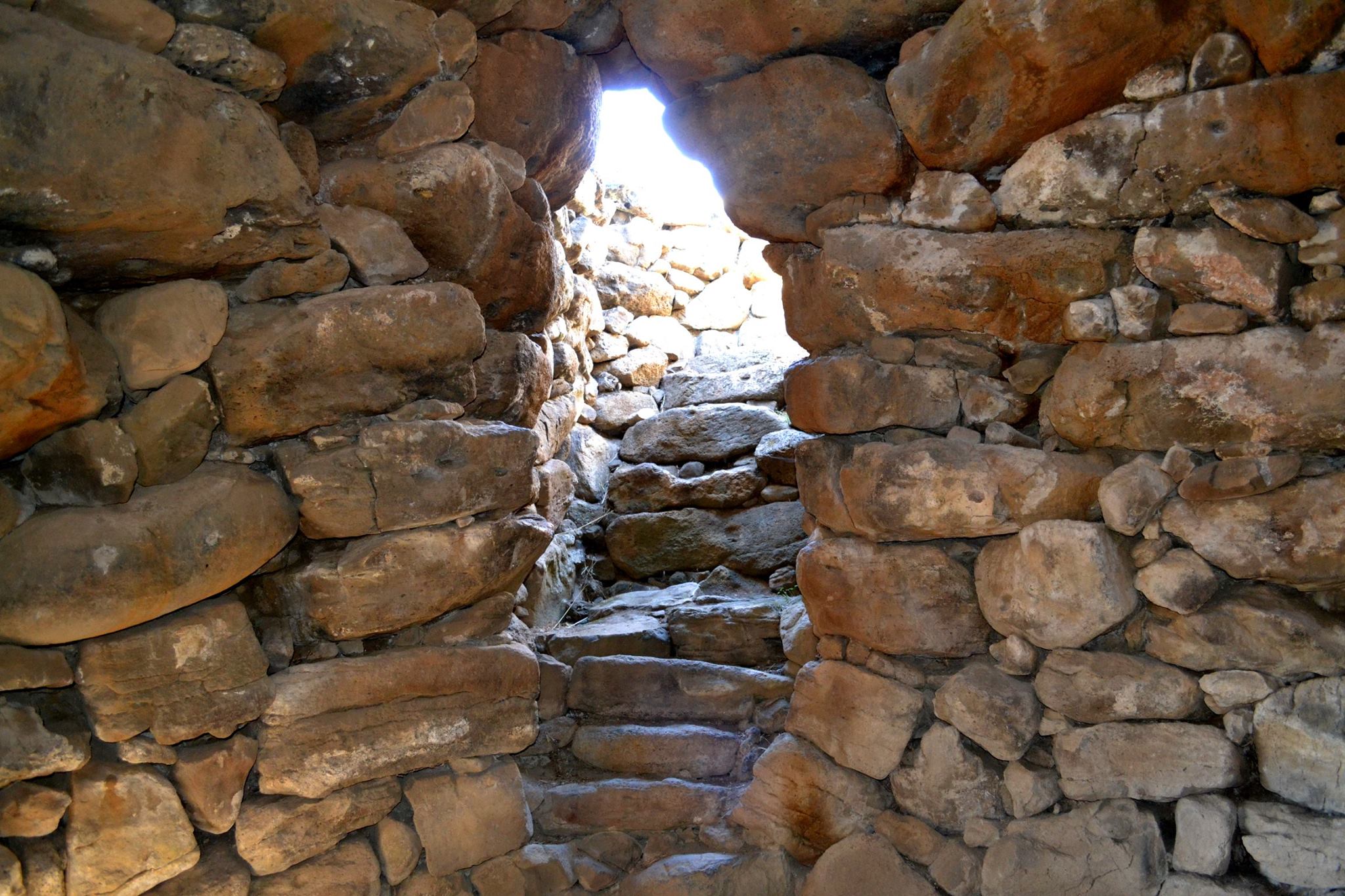
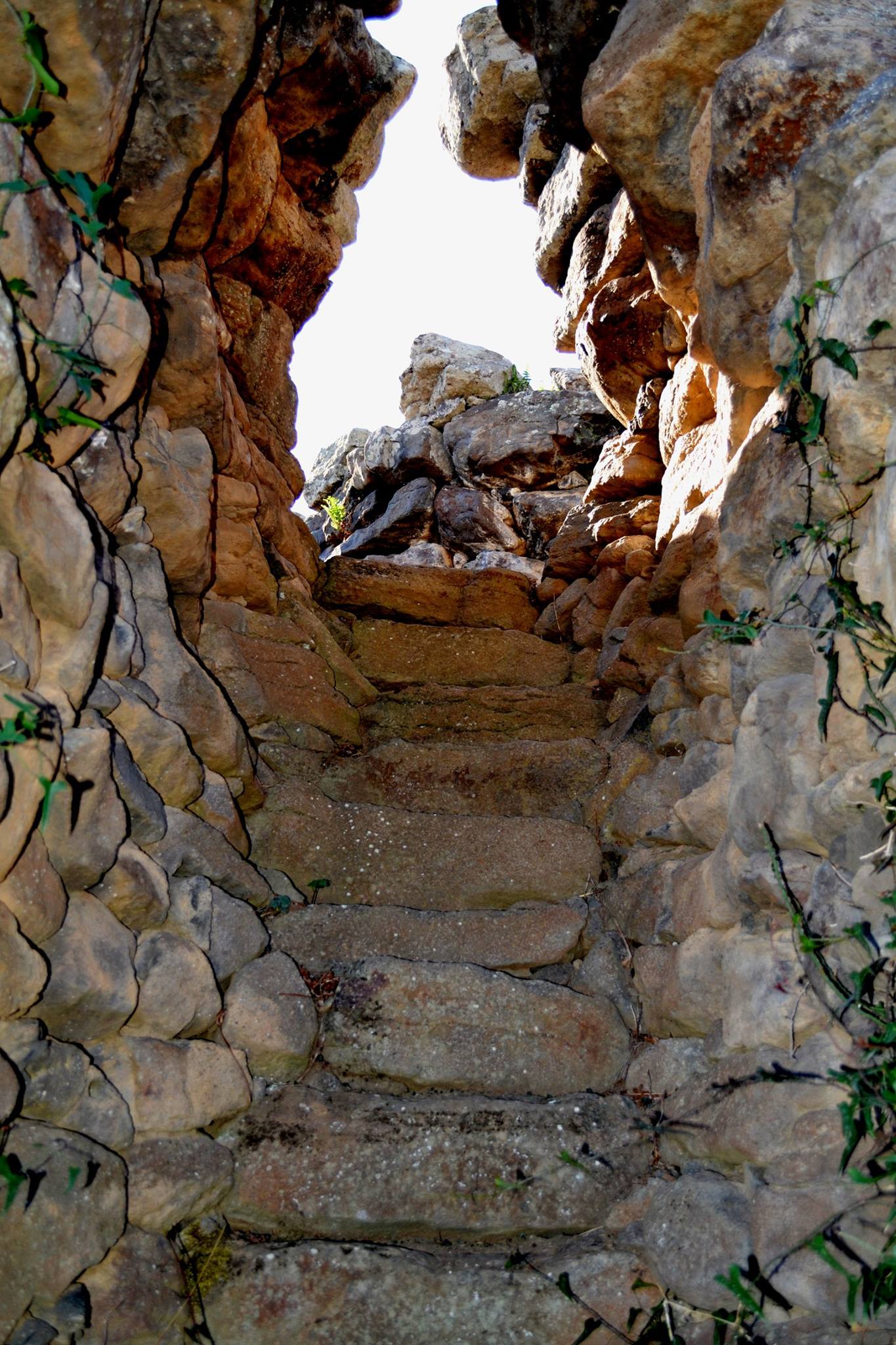
The central core is the oldest and has a very distinctive Y shape. It includes a raised entrance, a corridor and a stepped ramp that led to the now disappeared terrace. Two more volumes and additional rooms and courtyards were added to this first body, until it occupied the entire tip of the jar on which the first core was built. To a later reuse, probably in the Punic-Roman period, some rectangular rooms inserted in the courtyard seem to refer. Instead, the remains of a jug date back to the 13th-14th centuries, testifying to the frequentation of the area even during the Middle Ages.
The Sa Fogaia nuraghe is one of the most surprising and enigmatic nuraghi in Sardinia, as well as one of the oldest (dating from around 1700 BC). It can be easily reached by walking along one of the many paths within the park, where guided tours and services such as a picnic area, toilets and water points are available.
Source: Ministry of Culture – Idese.
The photos of the Sa Fogaia nuraghe are by Bibi Pinna, Romano Stangherlin and Diversamente Sardi.