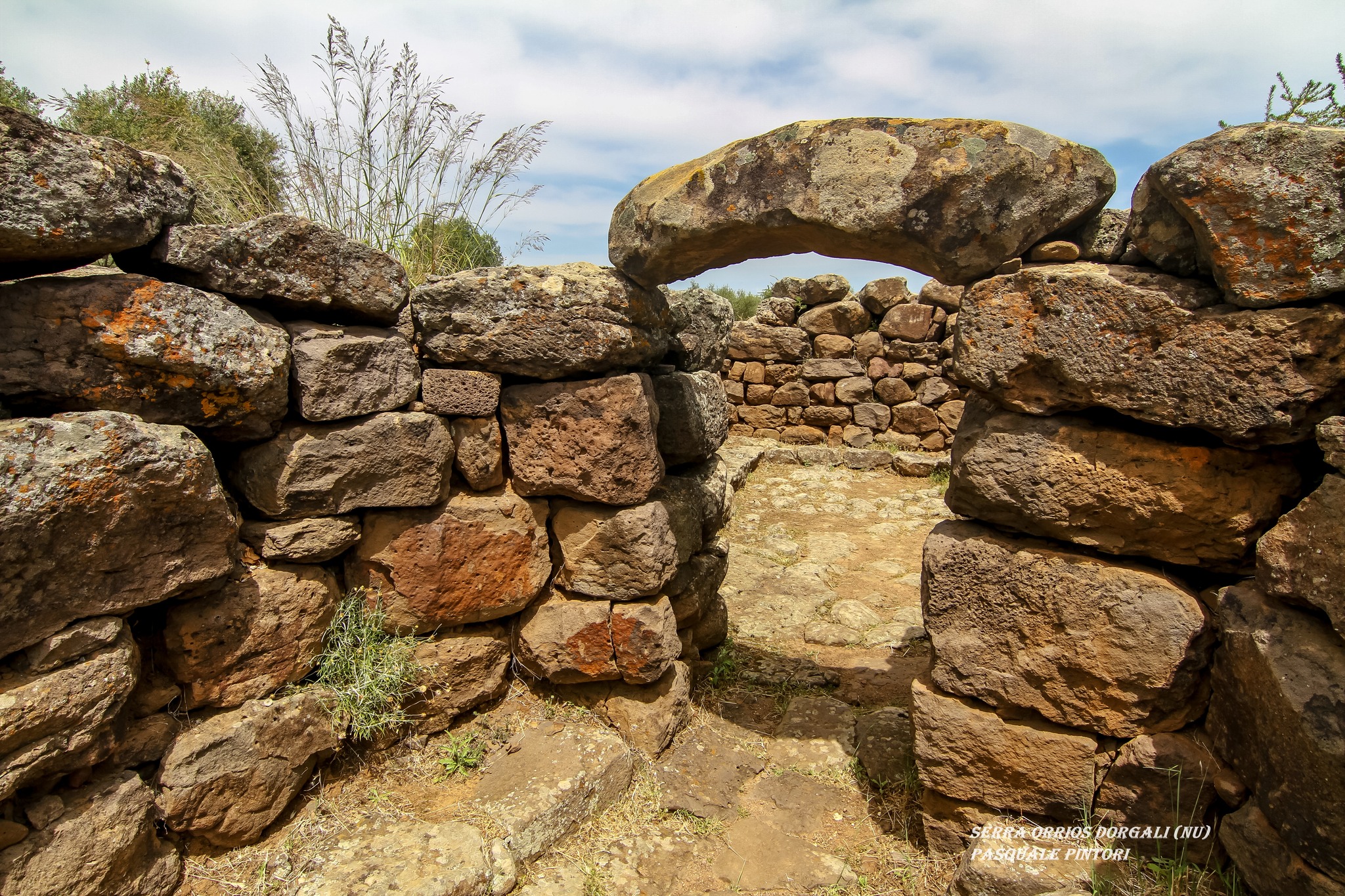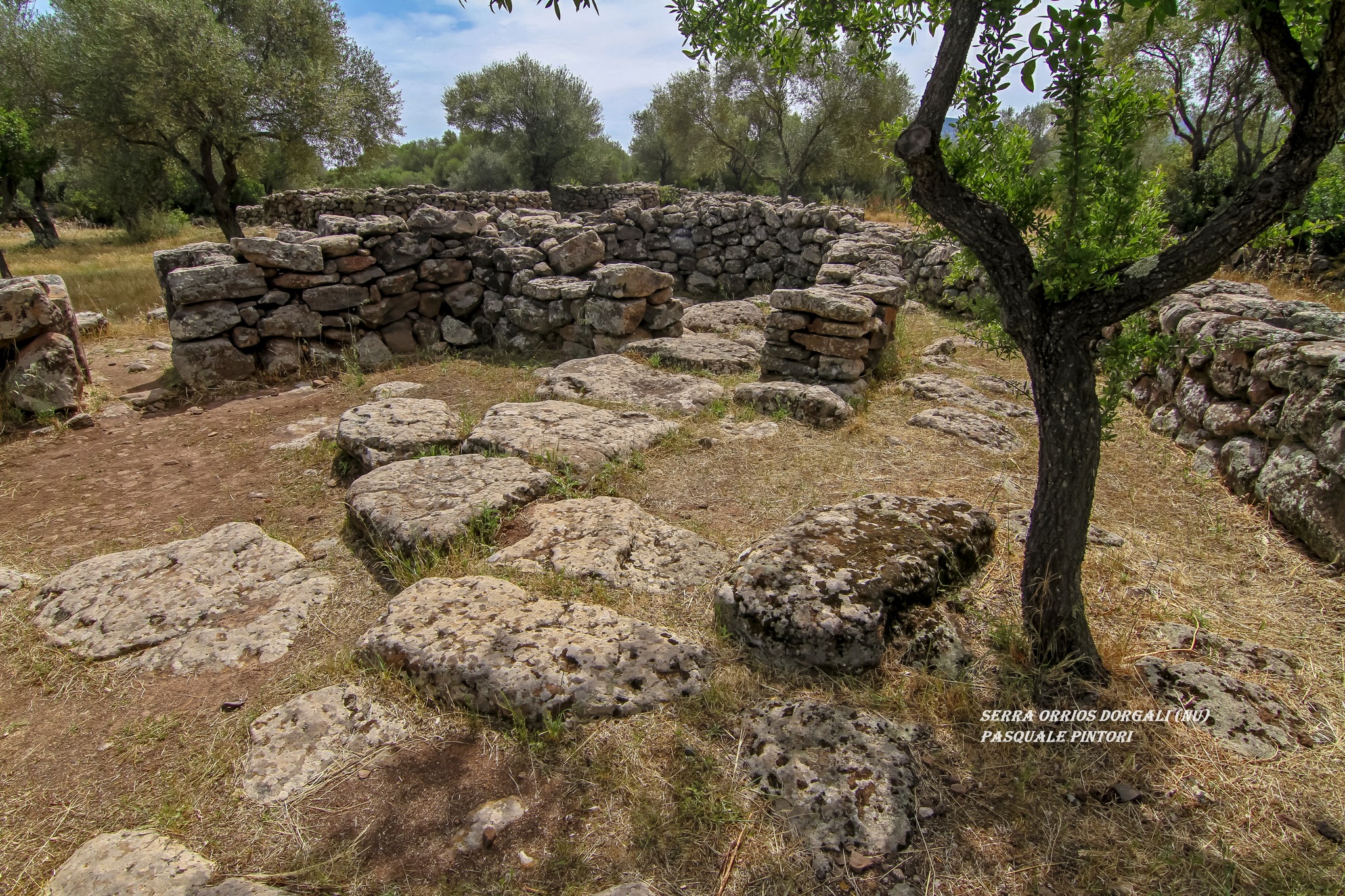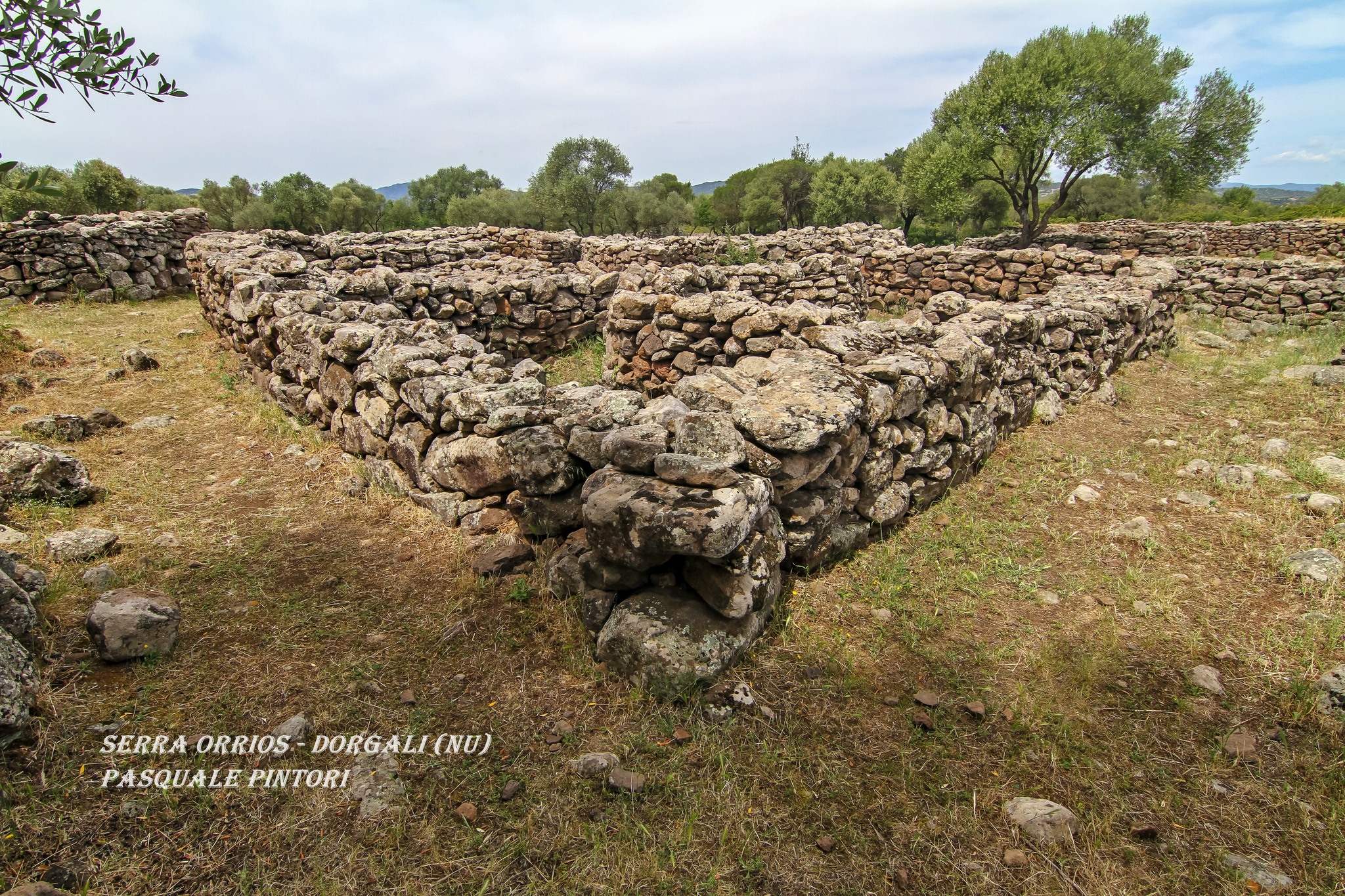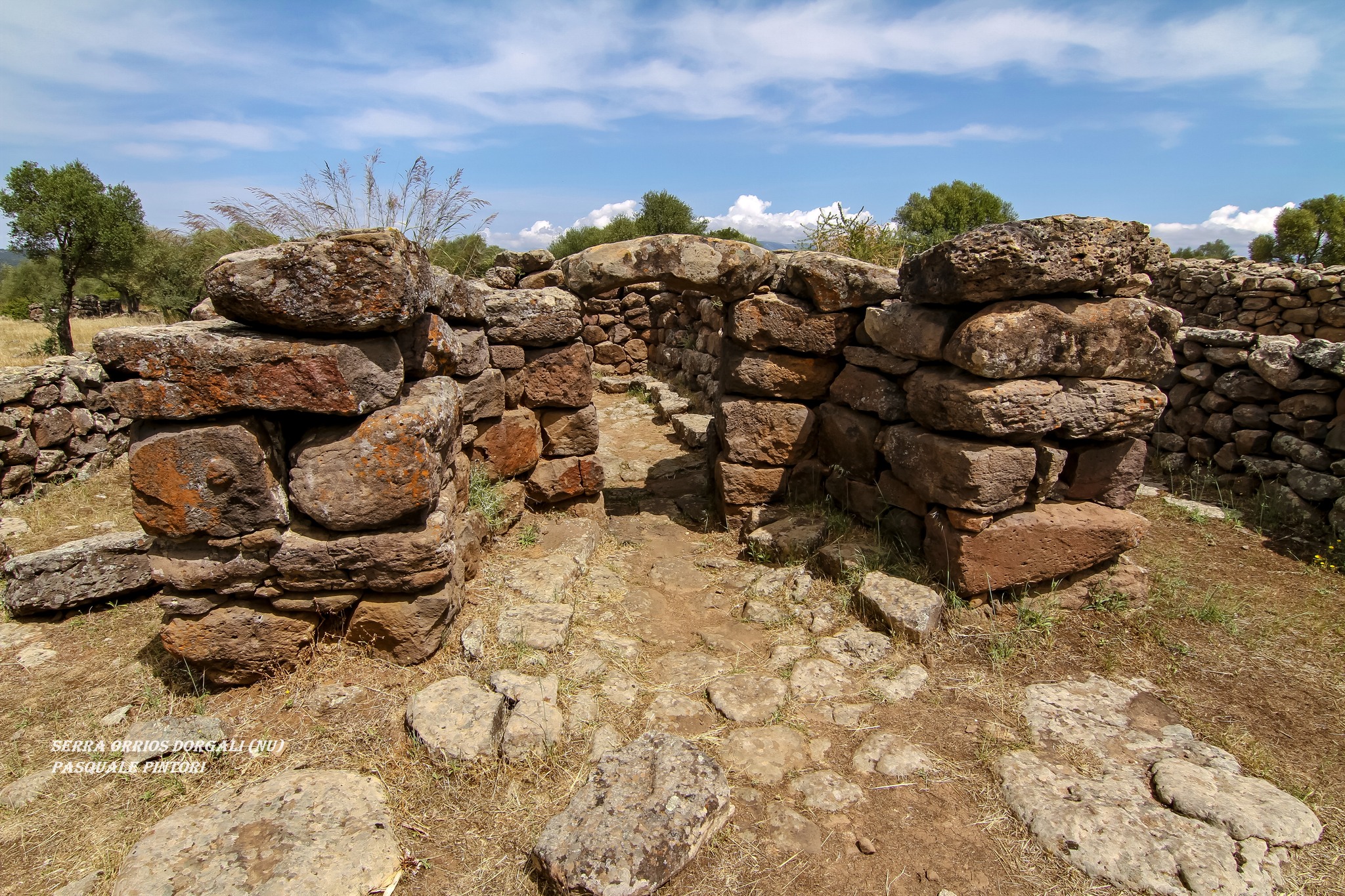
On a plateau overlooking the sea in central-eastern Sardinia, a well-preserved ‘urban’ site tells of the life of the Nuragic people
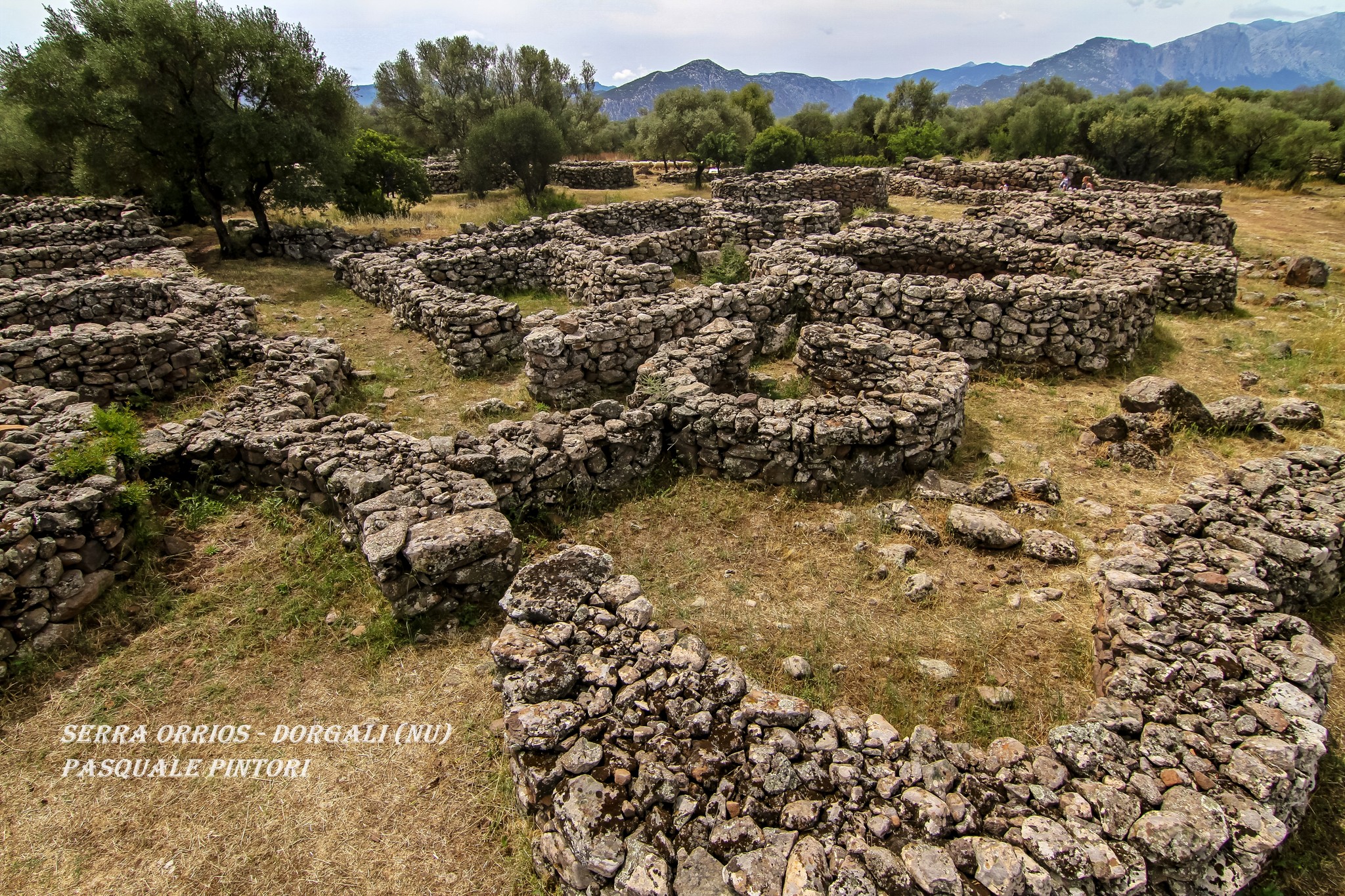
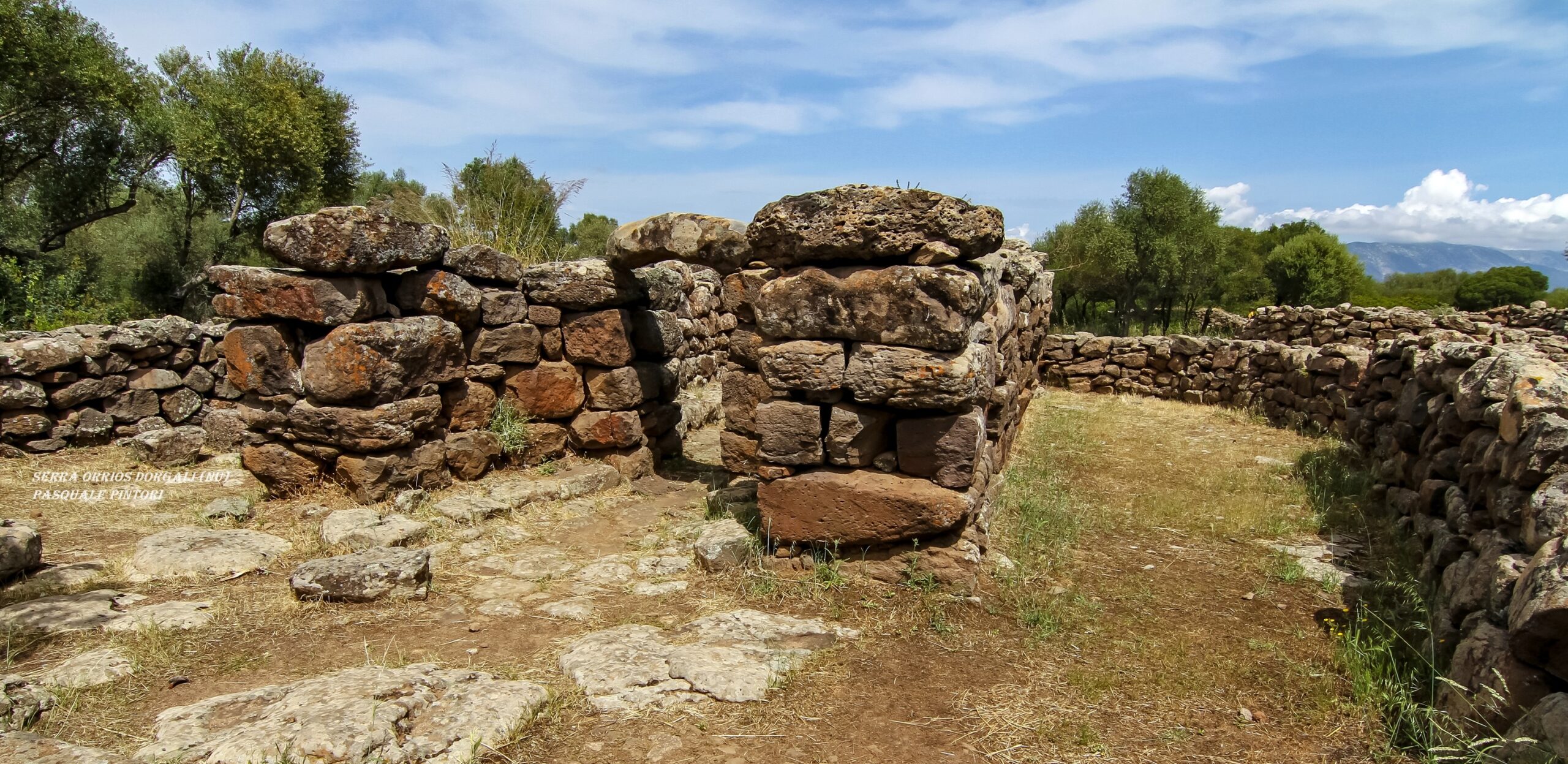
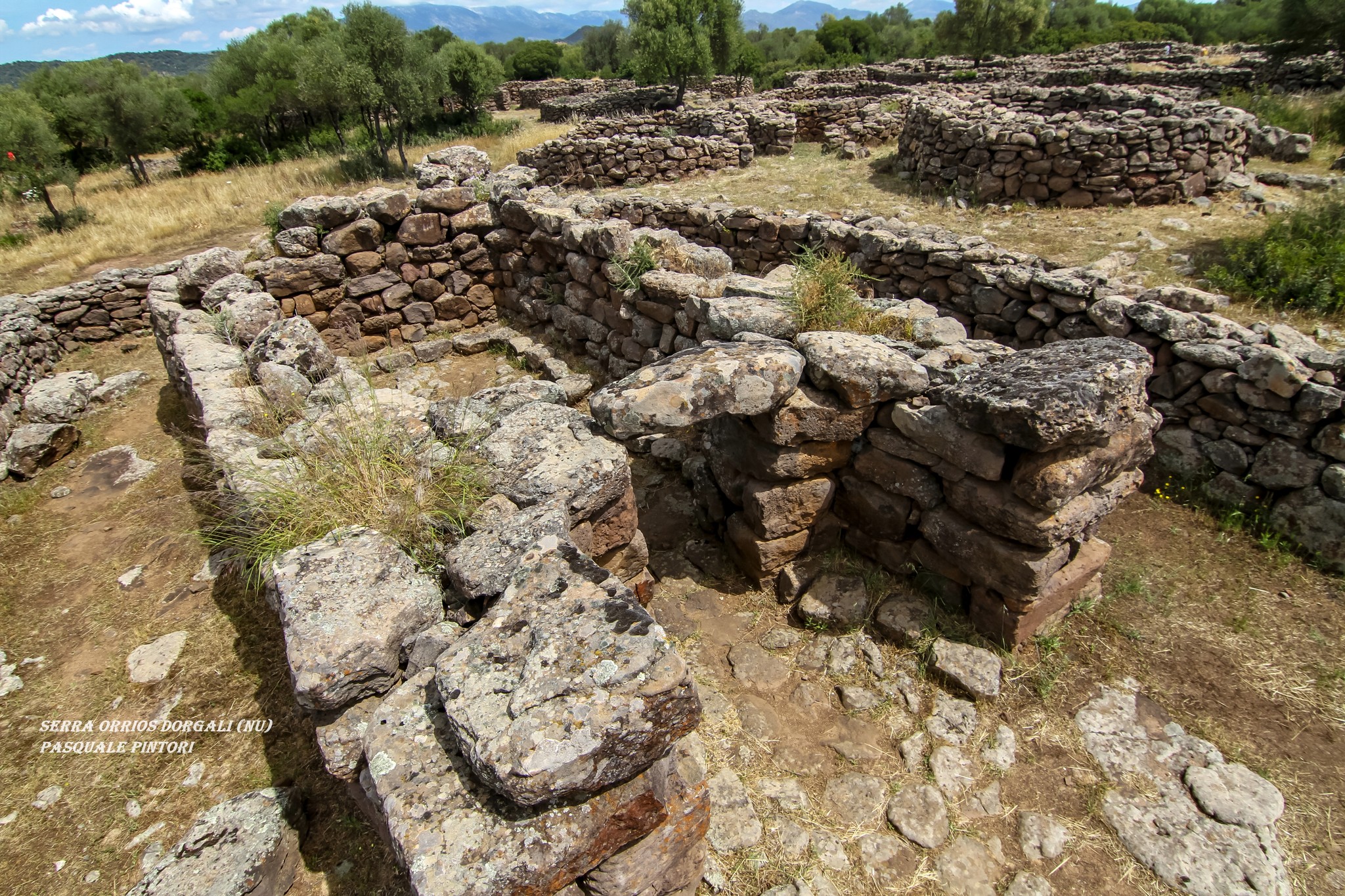
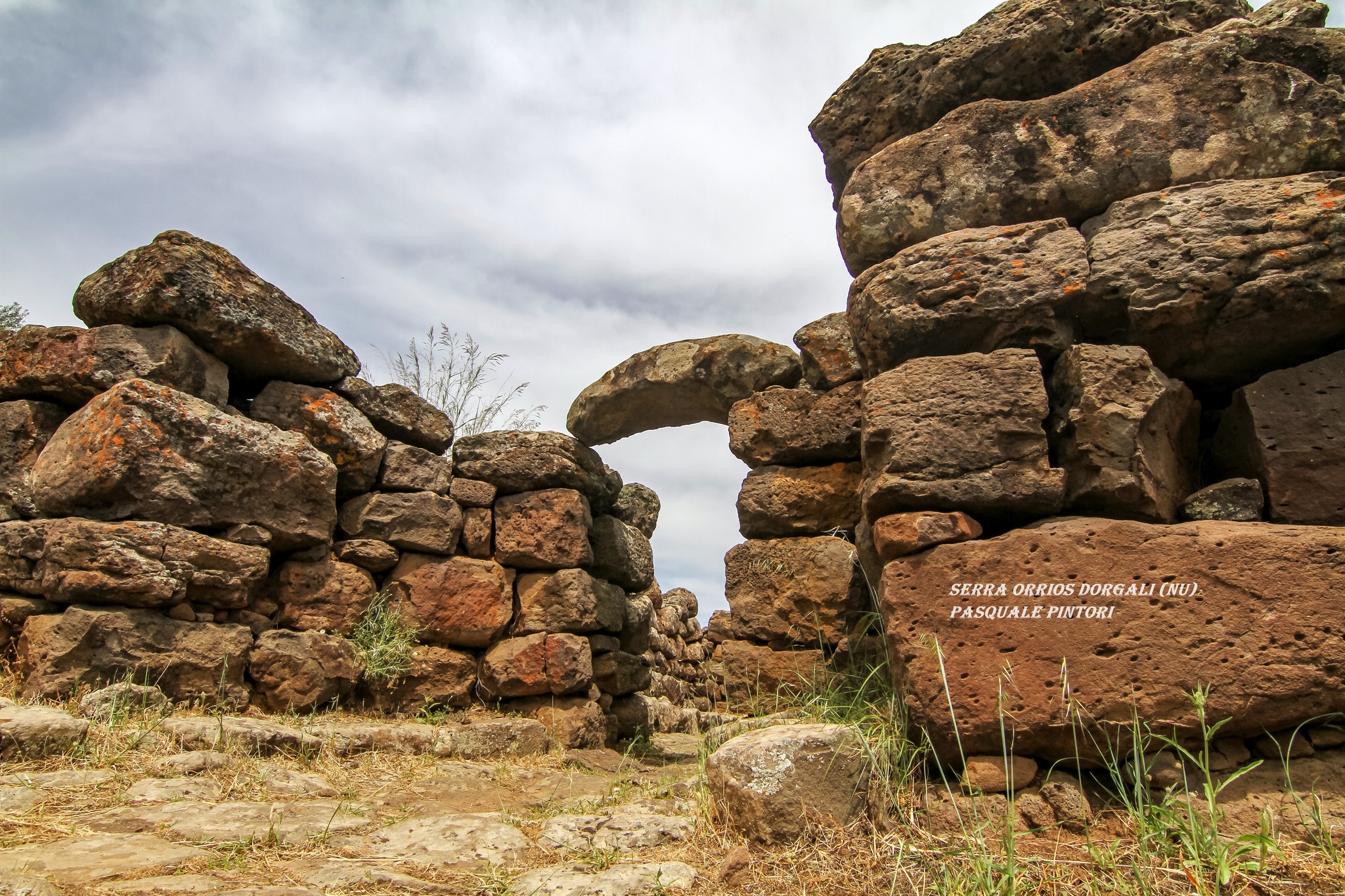
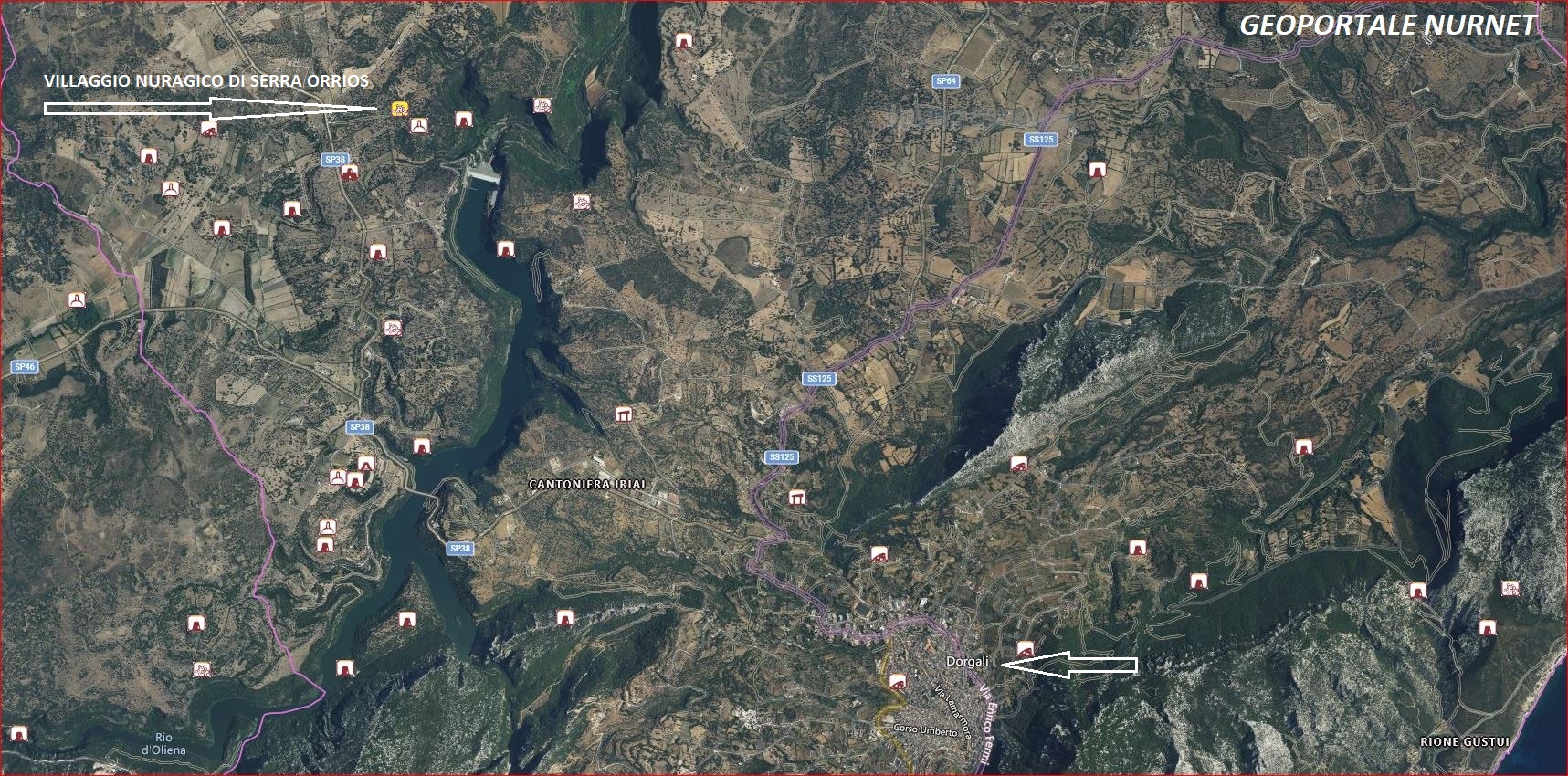
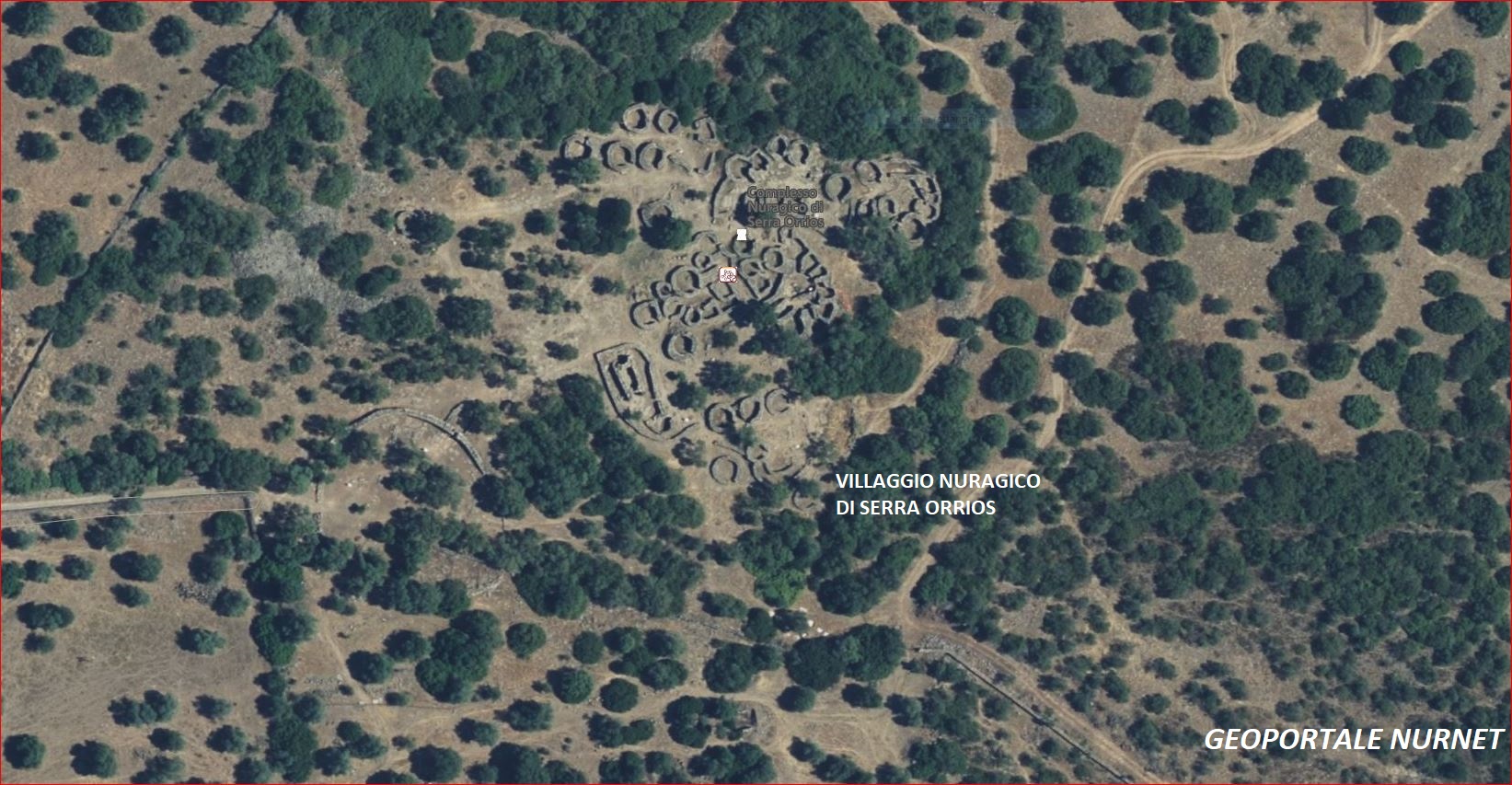
It stands on the Gollei plateau in the territory of Dorgali, about ten kilometres from the town, surrounded by rugged reliefs, ancient olive trees and Mediterranean scrub. Serra Orrios is one of the best-preserved Nuragic complexes: you will take a journey back in time to a sanctuary-village, built entirely of basalt blocks, which, due to its size and architectural structure, represents a proto-urban settlement.
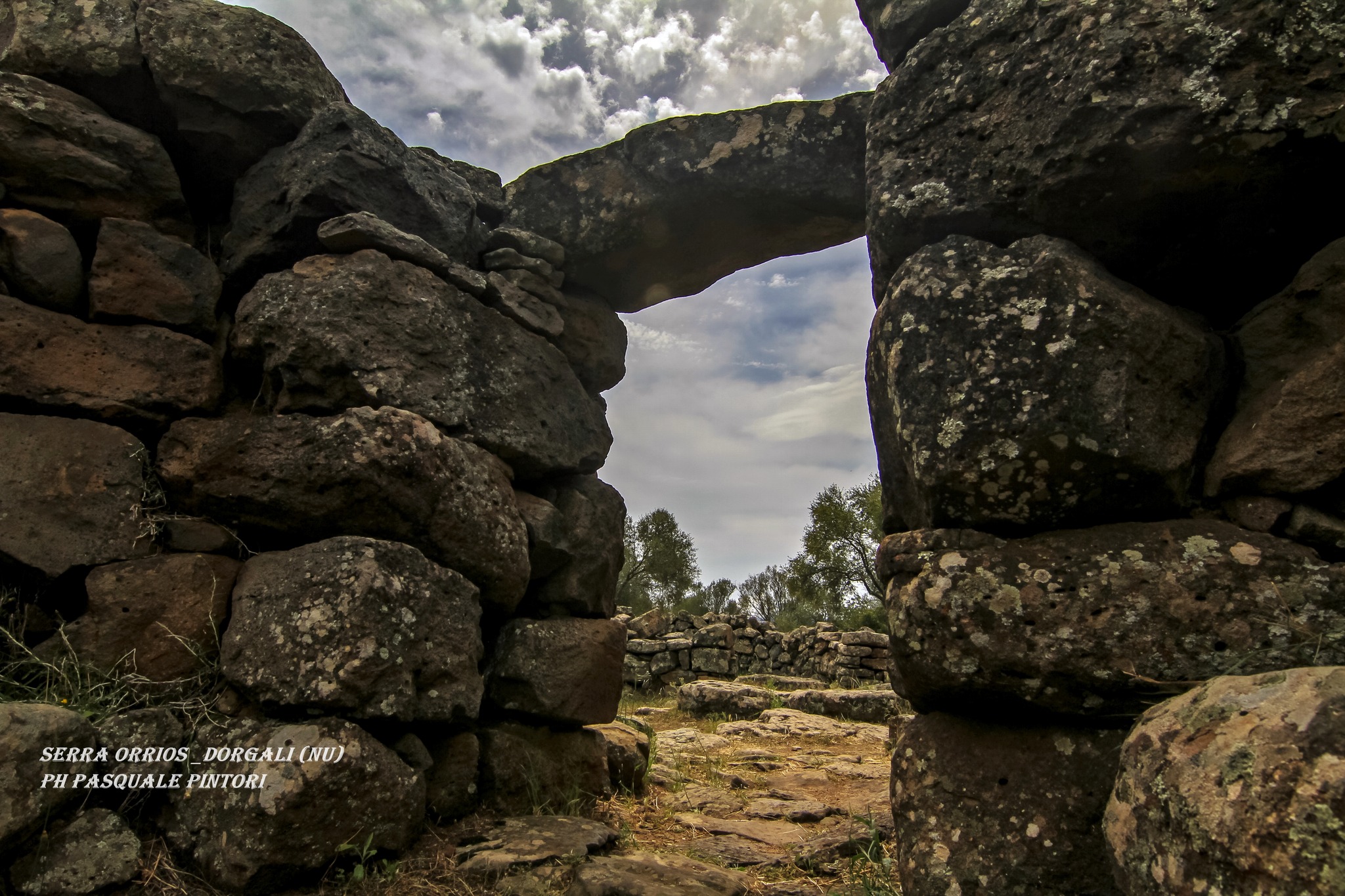
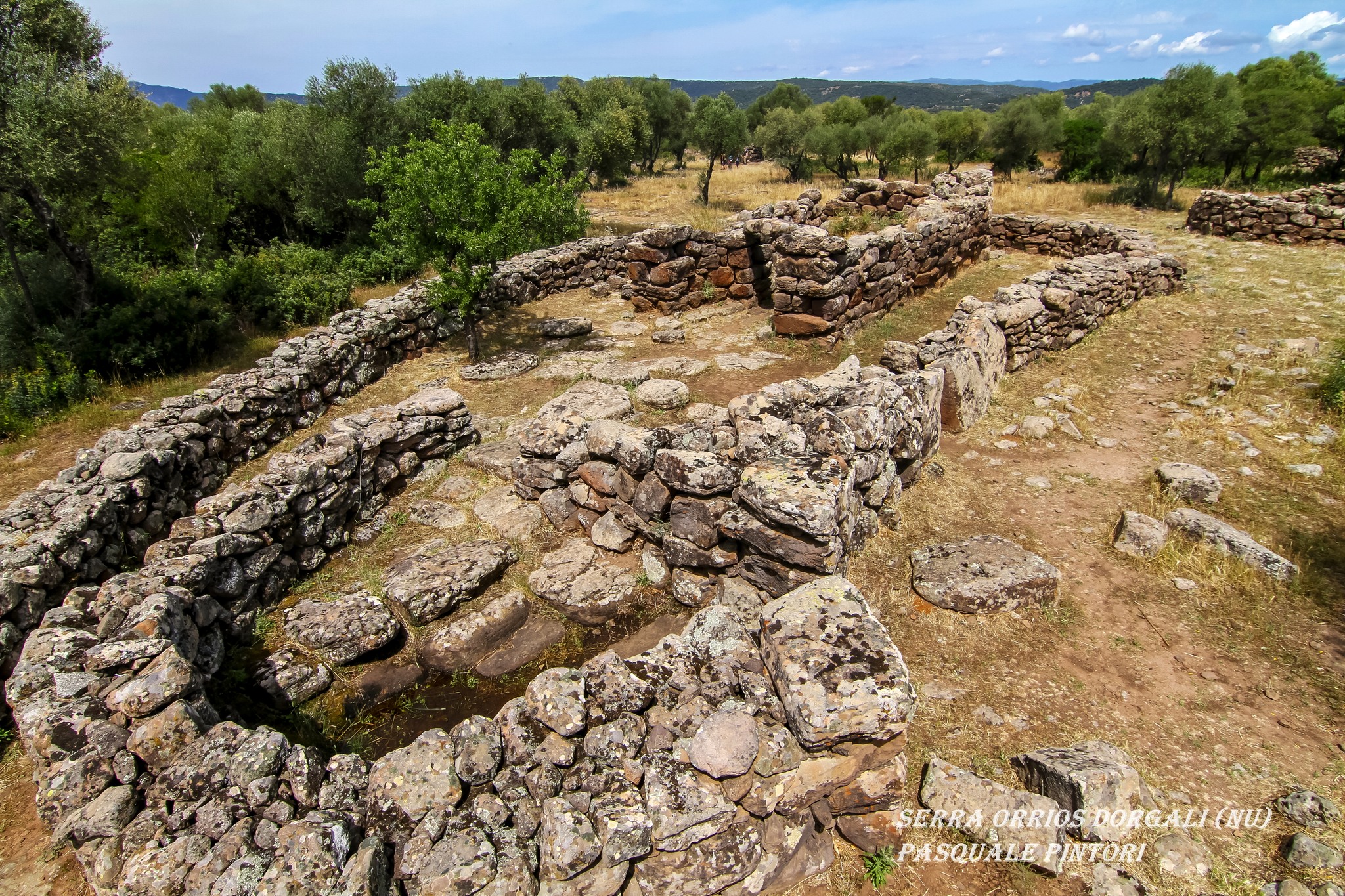
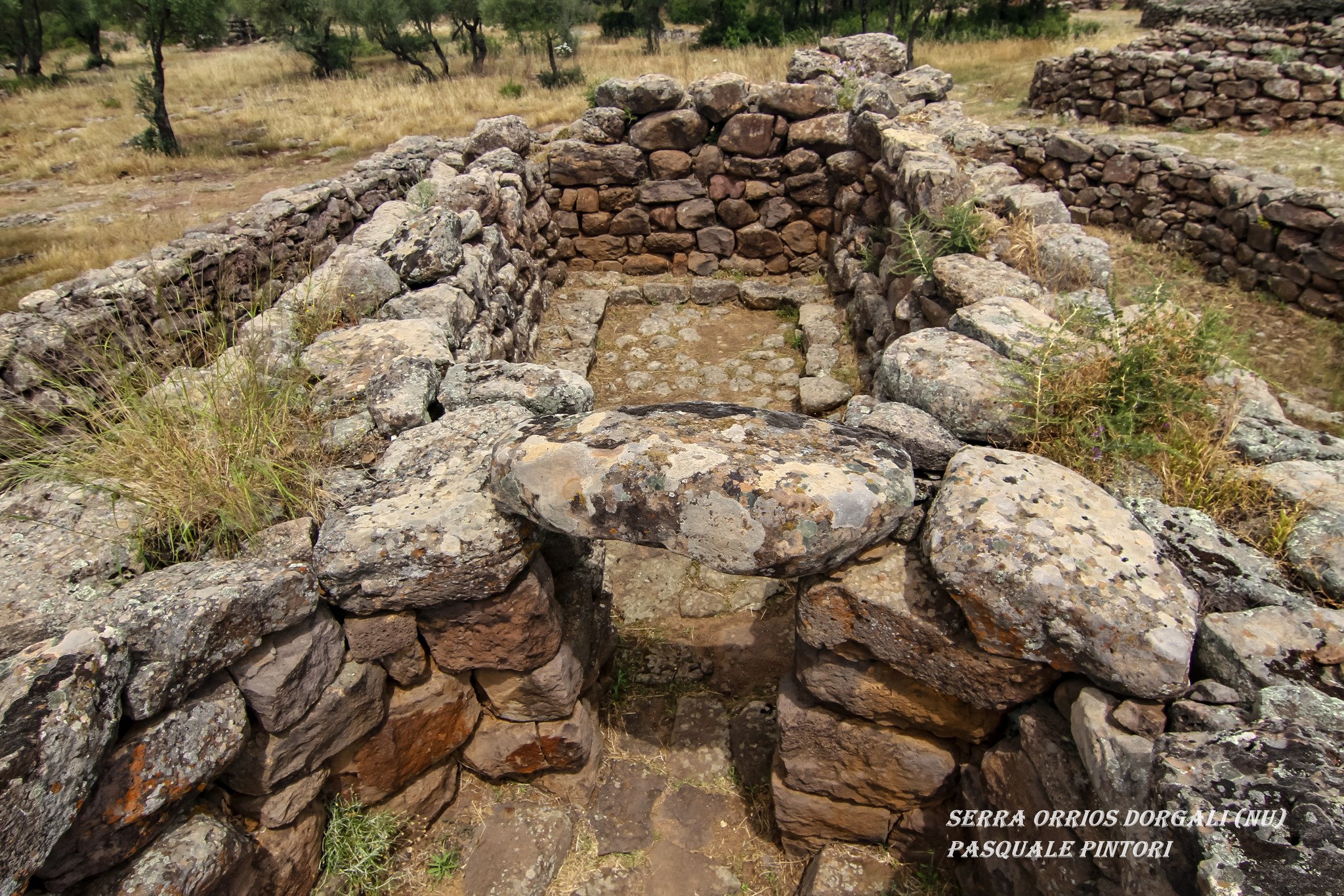
You will observe closely and well-preserved civil and cult buildings from the Nuragic period. The village consists of a hundred or so circular huts, built with a plinth of rows of stones and originally covered with branches. They are simple or articulated in several rooms – also to house animals, typical of a society dedicated to agriculture and animal breeding – facing a single courtyard with a well. Niches or storerooms have been carved into the walls. The floors are made of stone slabs, cobblestones or simple wrought stone. In the centre was the hearth, circular and bordered by stones. Clay and possibly cork were used to waterproof the structures. The dwellings are grouped in three blocks, connected by small streets and squares. The isolated ‘hut 49’, perhaps the ‘meeting hut’, stands out, characterised by a curvilinear plan and equipped with a bench-seat and a façade preceded by a vestibule.
The village-sanctuary, in addition to two megalithic burials, has two sacred areas, each with a megaron temple, a cult building typical of the Mycenaean civilisation, which presupposes influences from the Aegean. The two small temples, possibly intended for water worship, are rectangular in shape, have an enclosure, an antecella and a longitudinal cella, bordered by a bench-seat. One of the two areas is divided from the settlement by a mighty circular enclosure; the other, with a well-preserved temple, is located within the village, separated by a rectangular sacred enclosure.
The millenary life of the village of Serra Orrios, which began in the Ancient Bronze Age (16th BC) and ended in the Iron Age (9th-6th century BC), revolved around a market, with activities accompanied by spiritual fervour. The period of greatest intensity was between the Recent and Final Bronze Age, testified to by numerous ceramic artefacts – cylindrical-collared ollae, keeled bowls and decorated jugs – found in the excavations and conserved at the Archaeological Museum of Dorgali. On display in the room dedicated to the Nuragic civilisation are loom weights, spindles and bobbins that demonstrate spinning and weaving practices, as well as fictile cookers, drawers, pestles, grindstones and casting moulds that testify to an intense production activity. Metal findings also include chisels, foundry springs, daggers, axes and ornaments (brooches, bracelets, earrings, etc.).
(Excerpts from Sardegna Turismo)
The photos of the village of Serra Orrios are by Pasquale Pintori