A trading post, a votive deposit, a granary: a long life and many different functions for the nuraghe San Pietro, whose reddish appearance stands out in a valley of the Baronìa in central-eastern Sardinia.
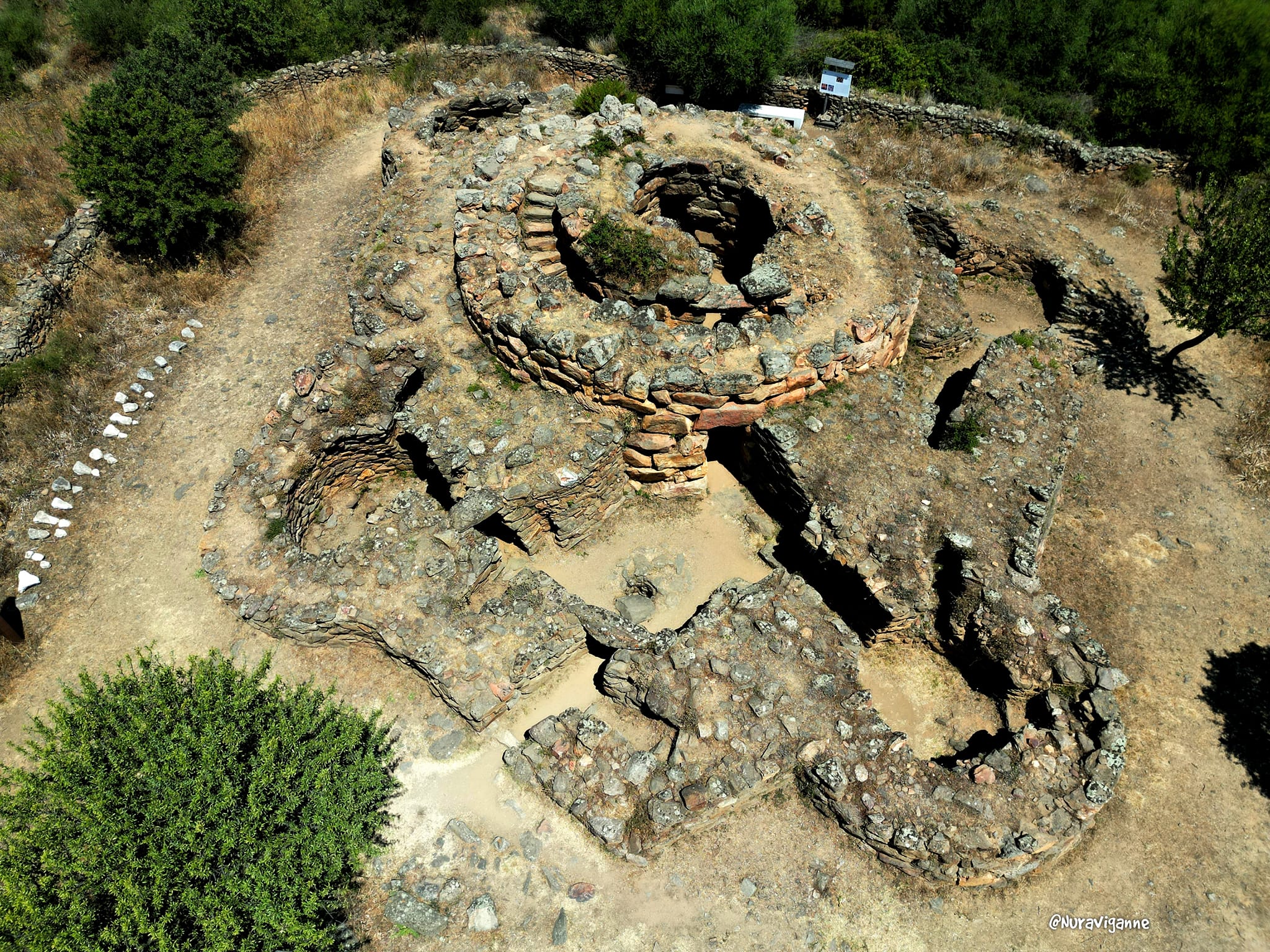
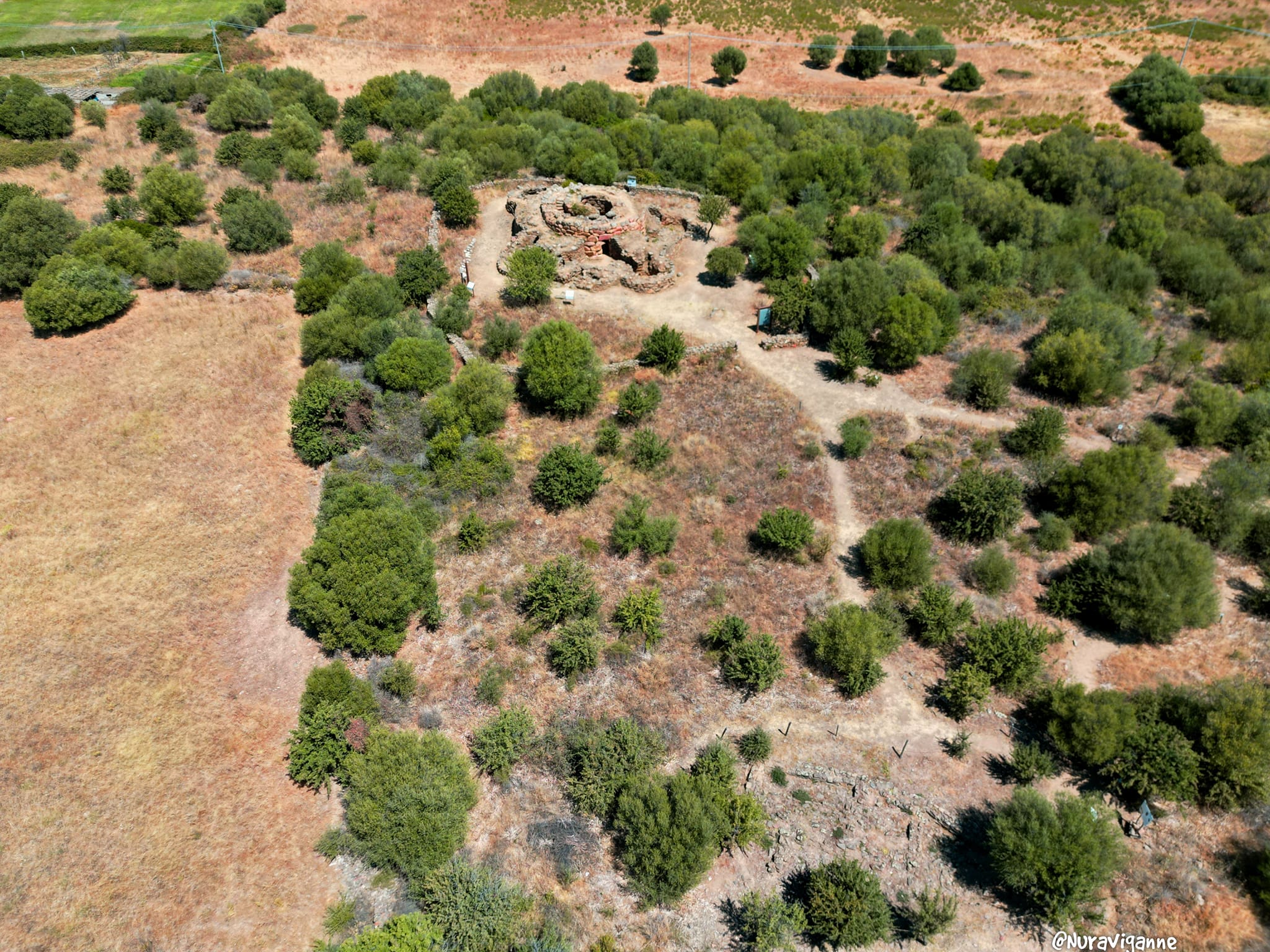
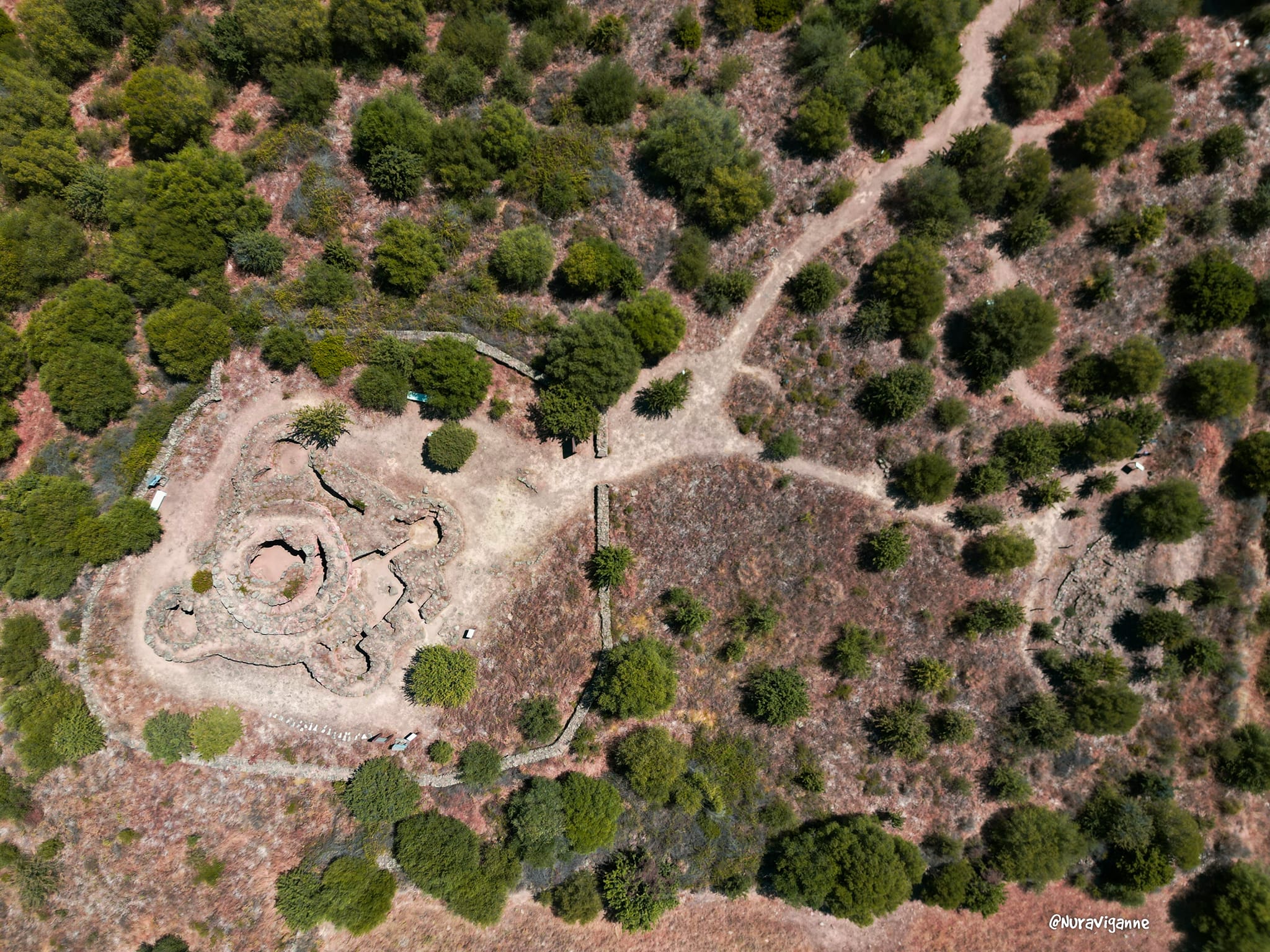
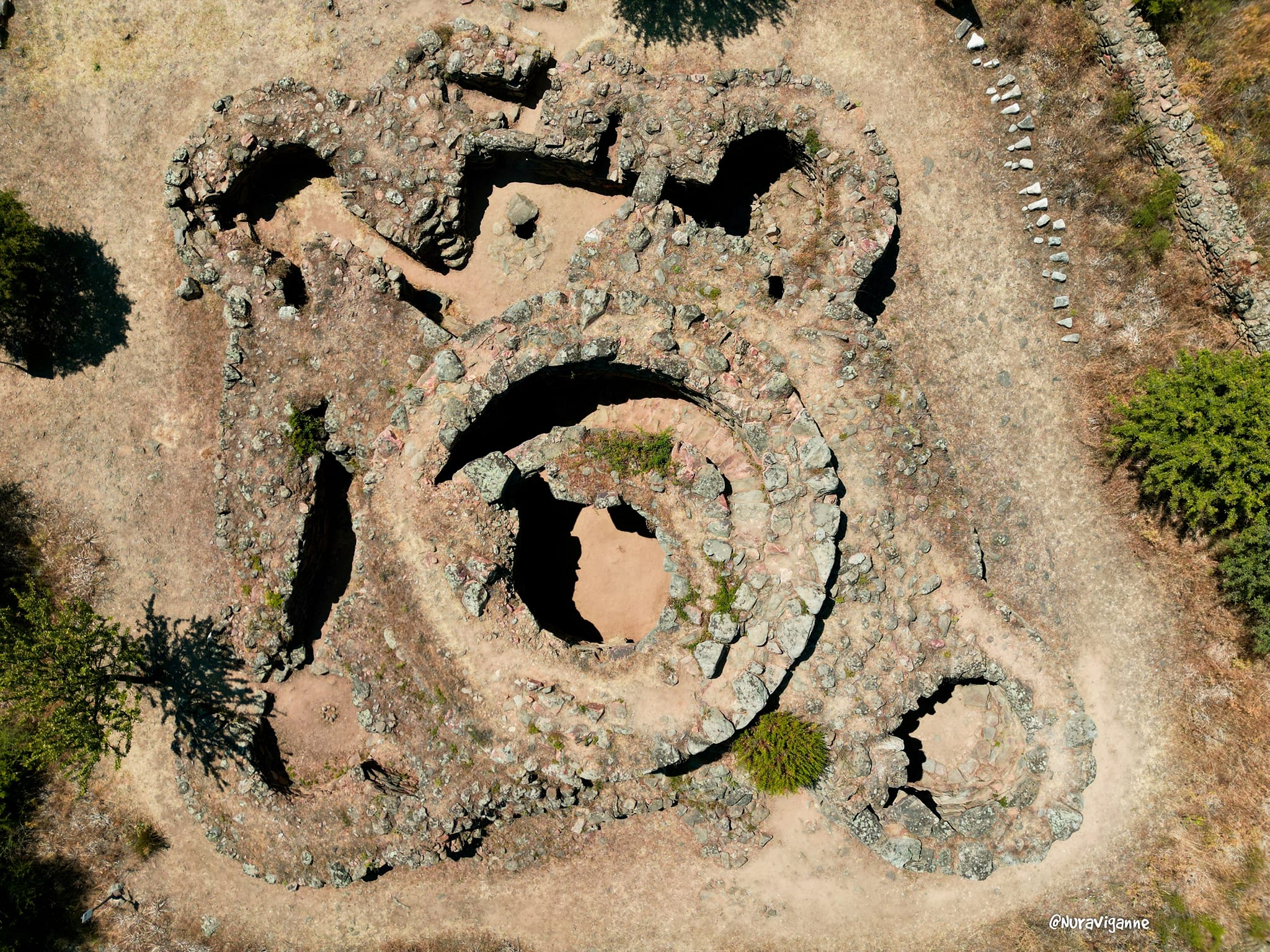
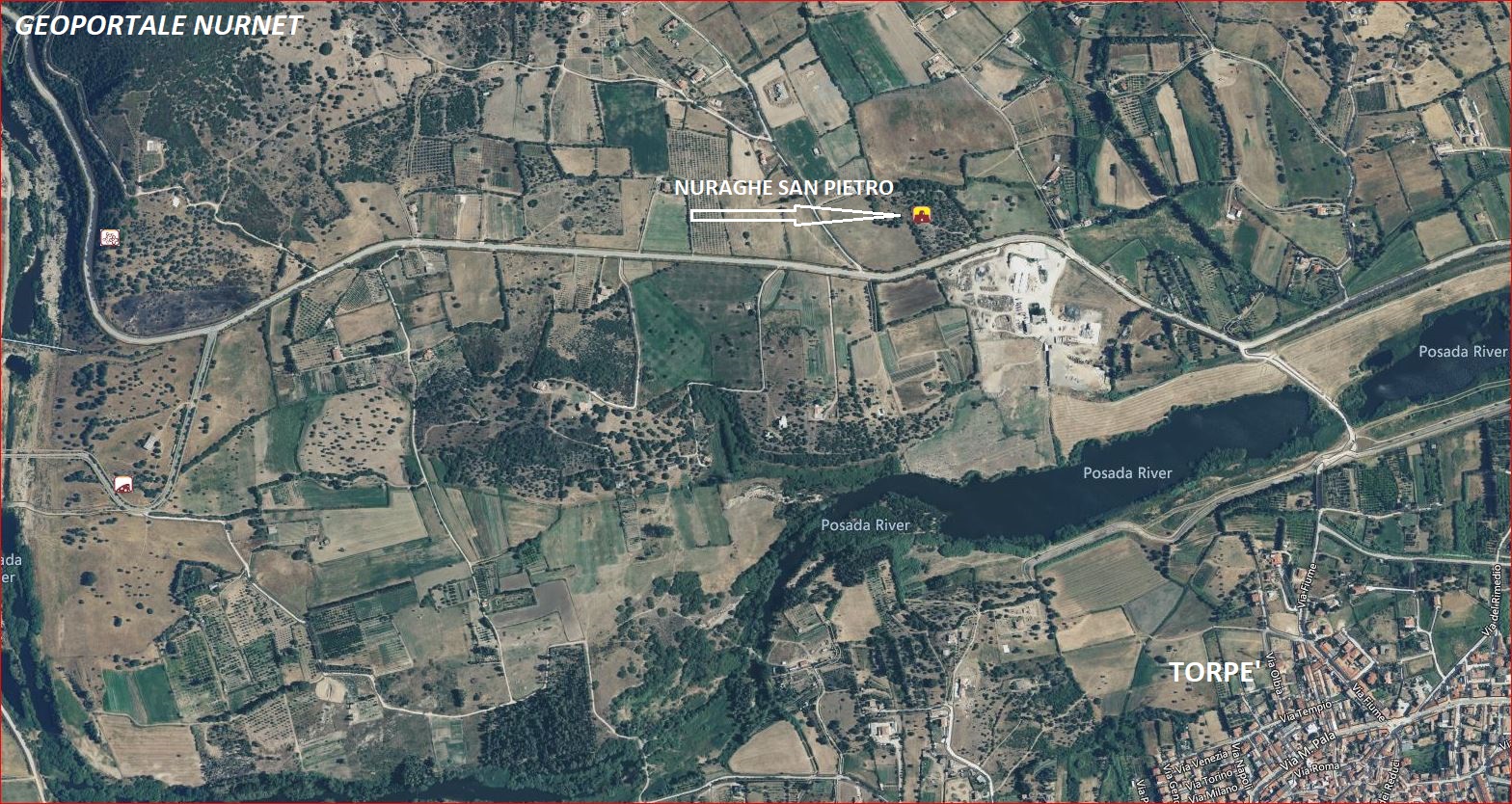
It was most probably erected on an earlier pre-Nuragic structure. Then, for almost two millennia, Nuragic and Roman peoples gravitated around it, inhabiting a fertile plain crossed by the Posada rivulet, today included in the area of the Tepilora oasis. The Nuraghe San Pietro rises in the locality of the same name three kilometres from Torpè, a few hundred metres from the river bed. It is a four-lobed building, with a central keep – perhaps older than the rest of the structure – built using large trachyte blocks arranged in rows, with wedges added. The side towers, on the other hand, were built using blocks of shale.
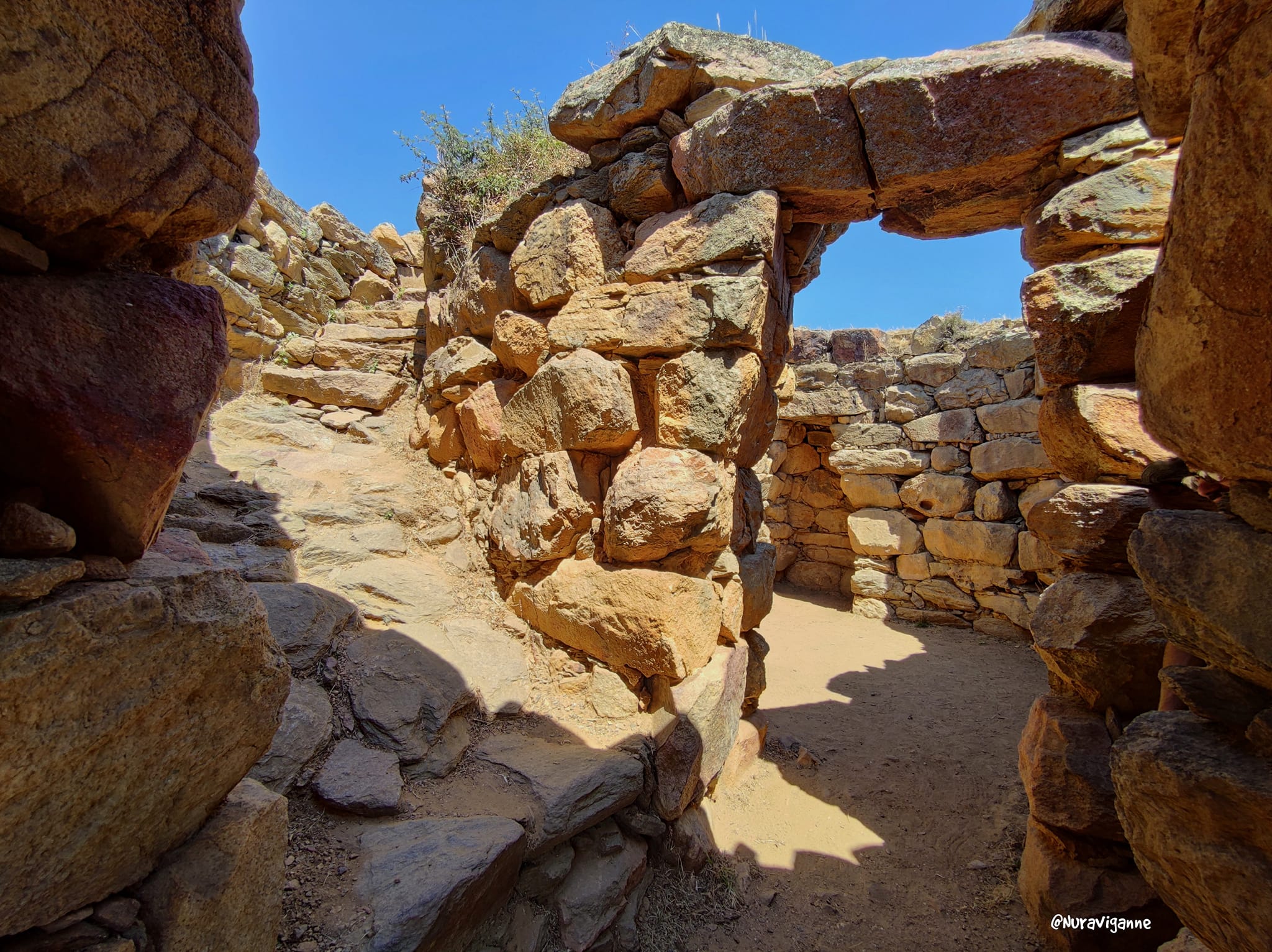
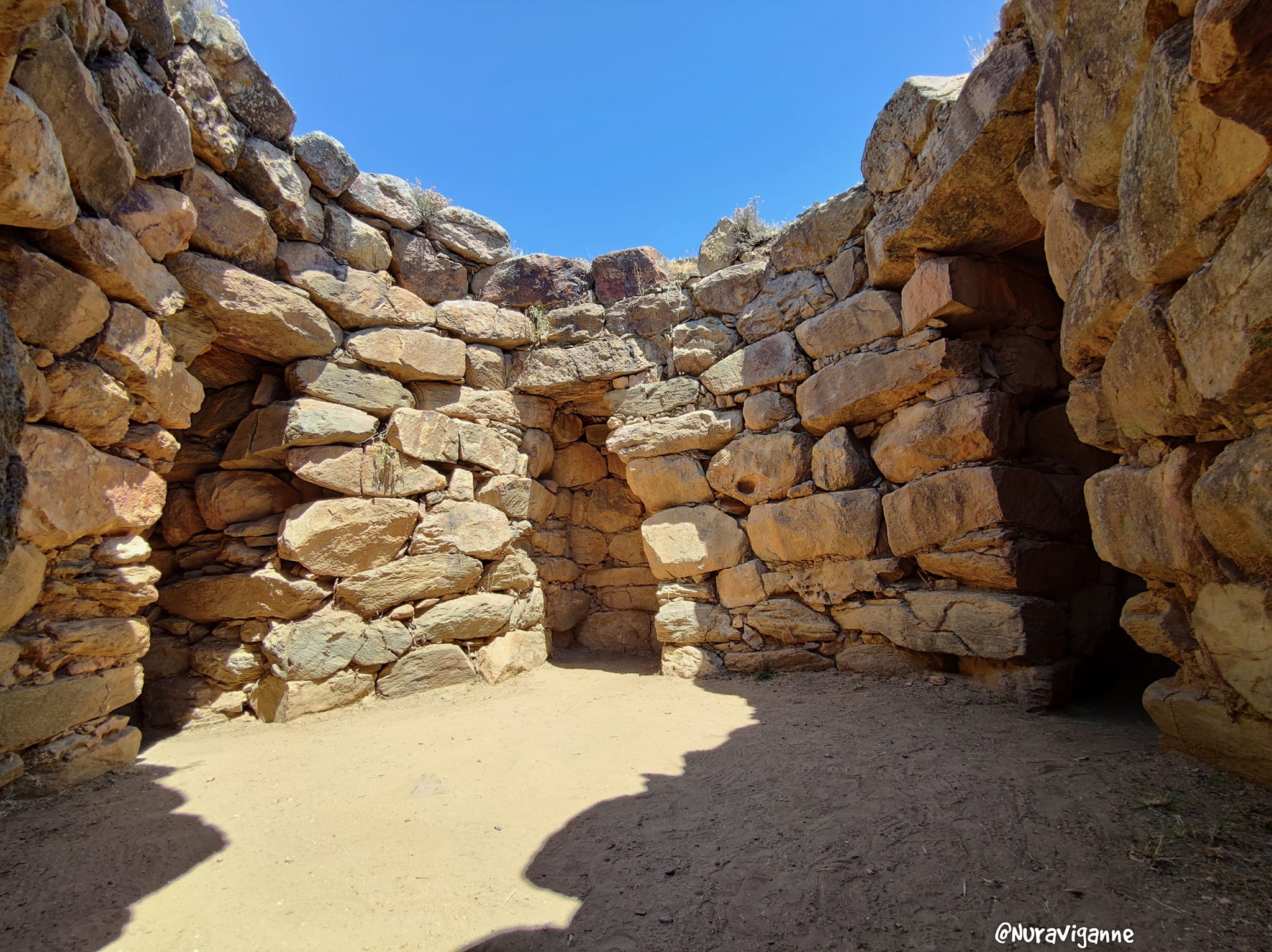
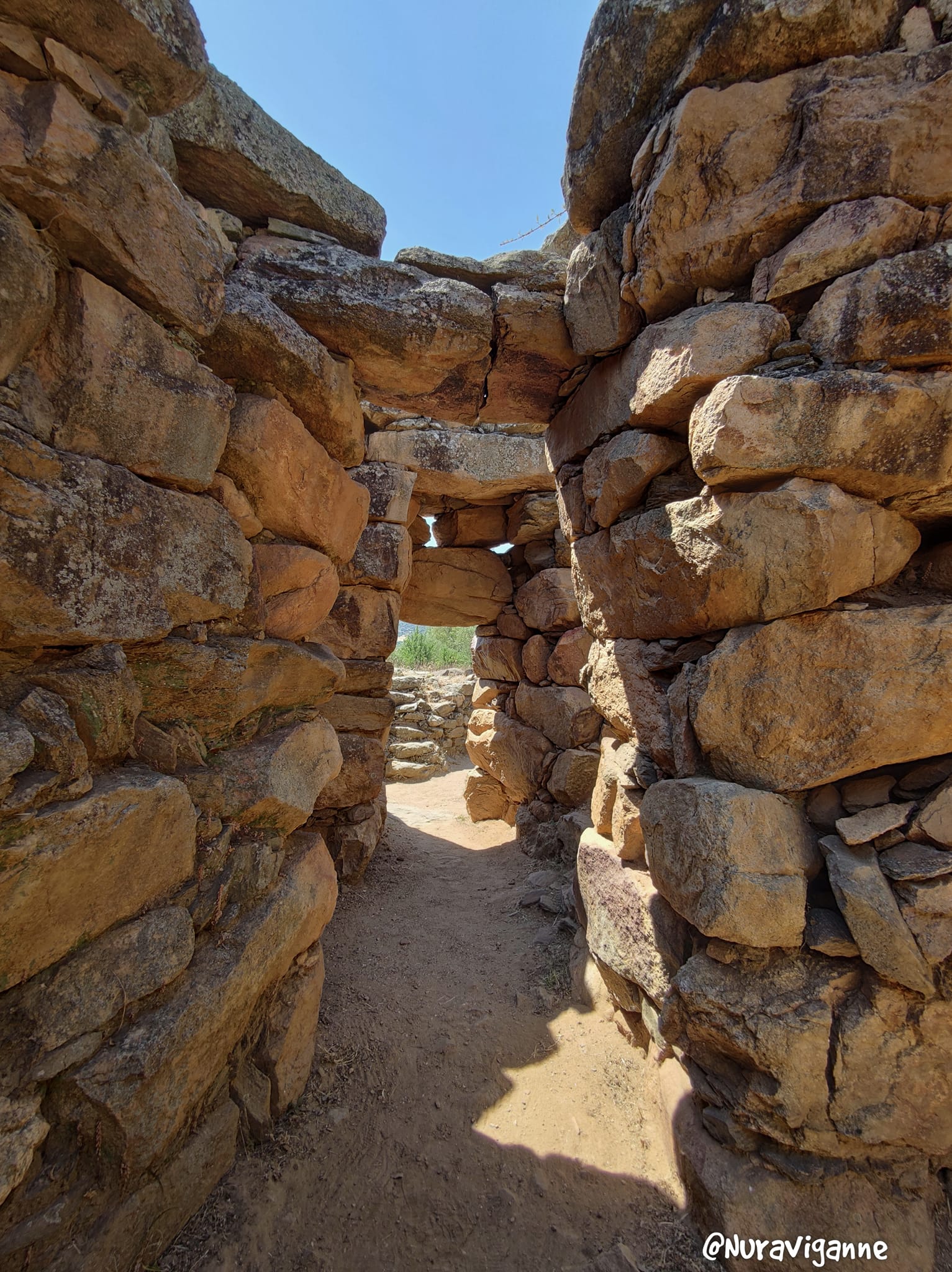
The main tower has a rectangular entrance covered with a platform and facing south. The external diameter is approximately 14 metres. Inside, you will see a guardhouse and a spiral staircase leading to the terrace. Following the corridor, you will reach the central chamber, with three niches arranged in a cross.
The structure has an irregularly shaped courtyard, inside of which you will notice a funnel-shaped well. During the last excavation campaign, a circular chamber emerged against the donjon: at the base, along the circumference, runs a bench on which a large number of objects were found, including vases, bowls and pans, evidence of the trade that took place on the site. In the centre of the chamber is the hearth, bordered by rounded stones.The south-west tower has yielded the greatest evidence of the long period of frequentation of the site; the finds, in fact, range from the Ancient Bronze Age – in particular related to the Bonnannaro culture, between the 19th and 17th centuries B.C. – to the Imperial Age, up to the 4th-5th centuries A.D. It is the only tower of the nuraghe to show traces of Roman frequentation: around the 2nd century A.D. it was used as a granary, but also stored broad beans, wood and cork.
Fifty metres to the south of the fortress, you will observe traces of other buildings: a building complex originally composed of Nuragic huts, later reused in Roman times, with structures that in turn were topped by a quadrangular building, possibly medieval.
Source: Sardinia Tourism.
The photos of the nuraghe San Pietro are by Nuraviganne.