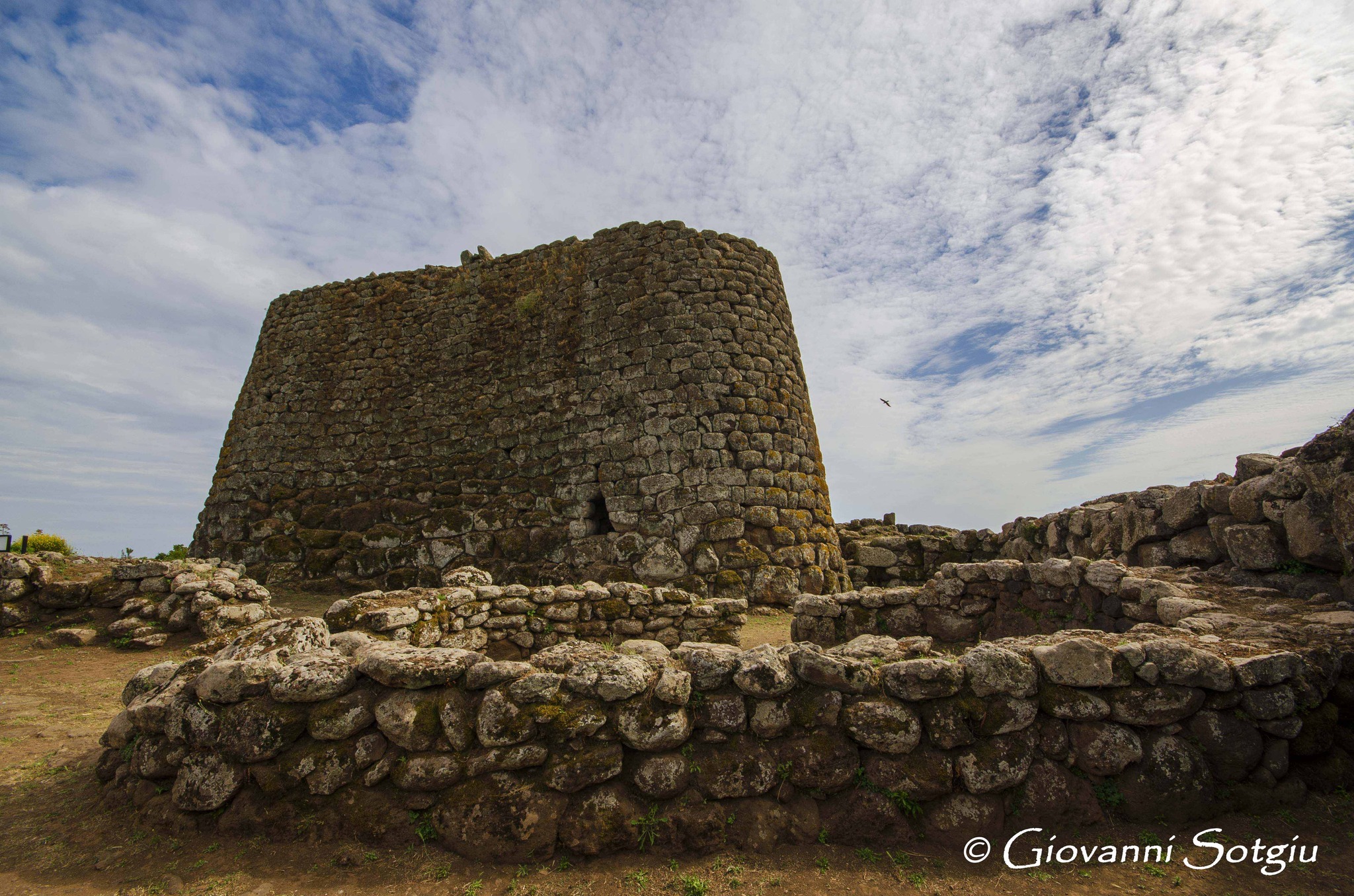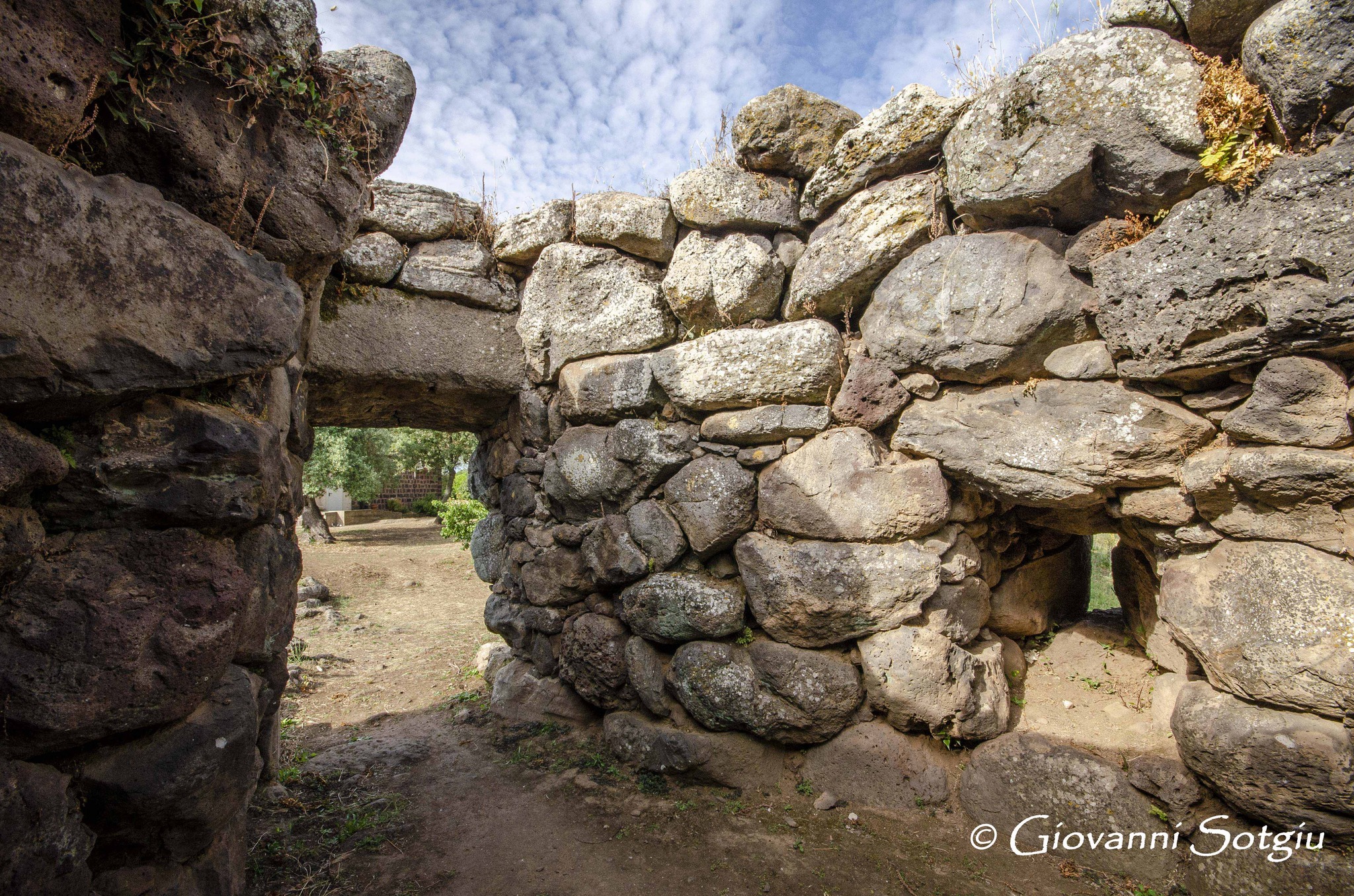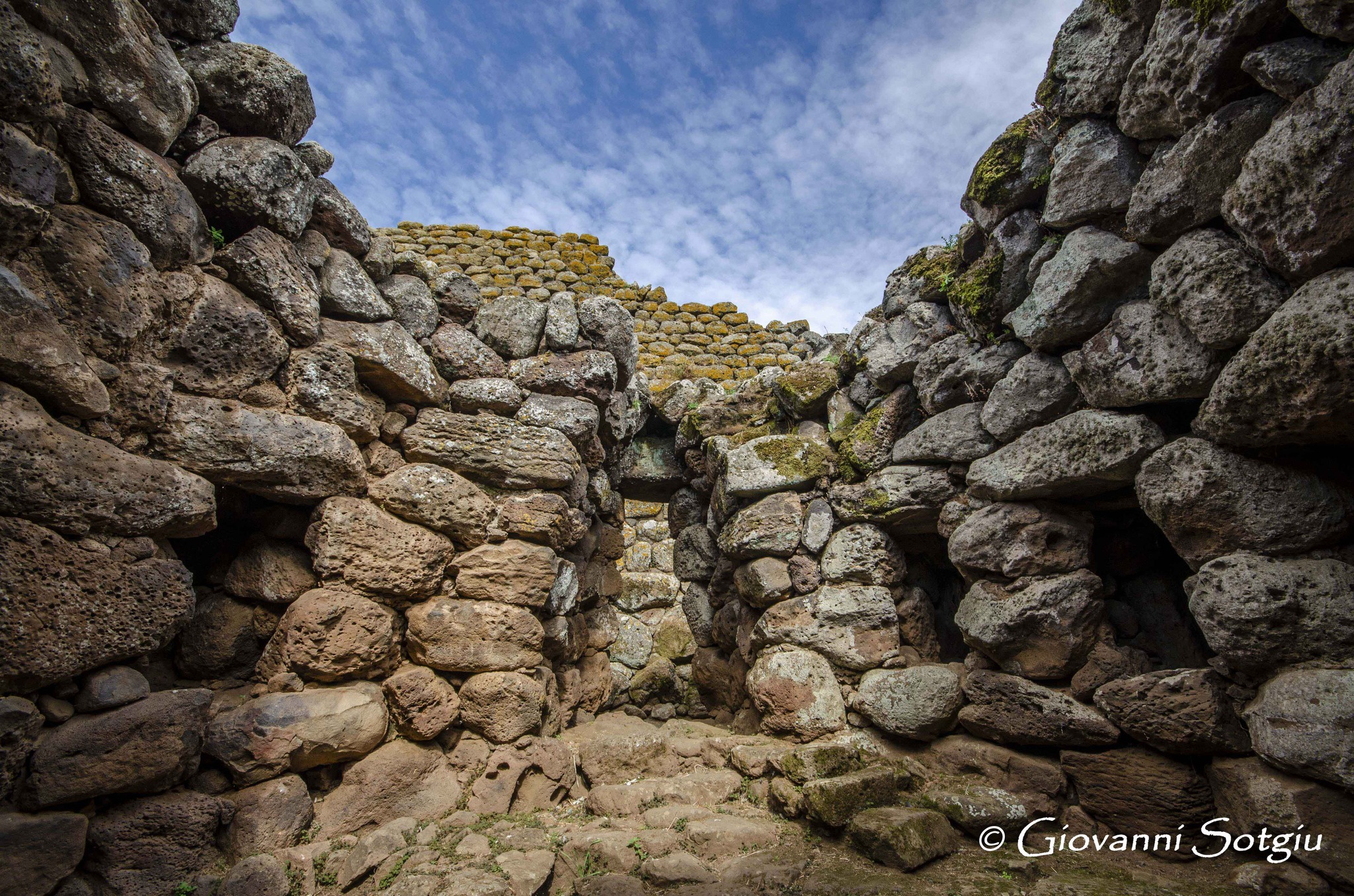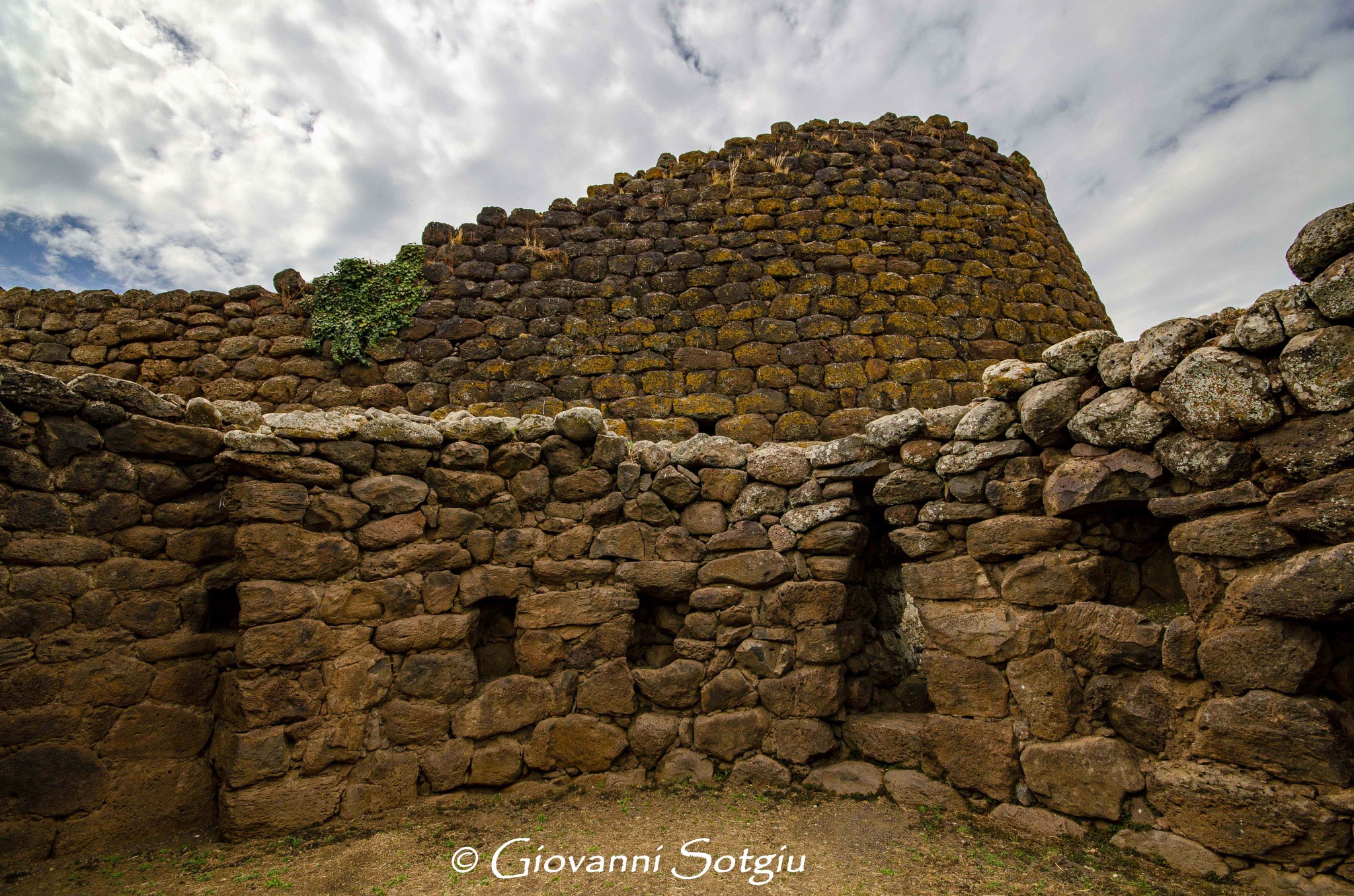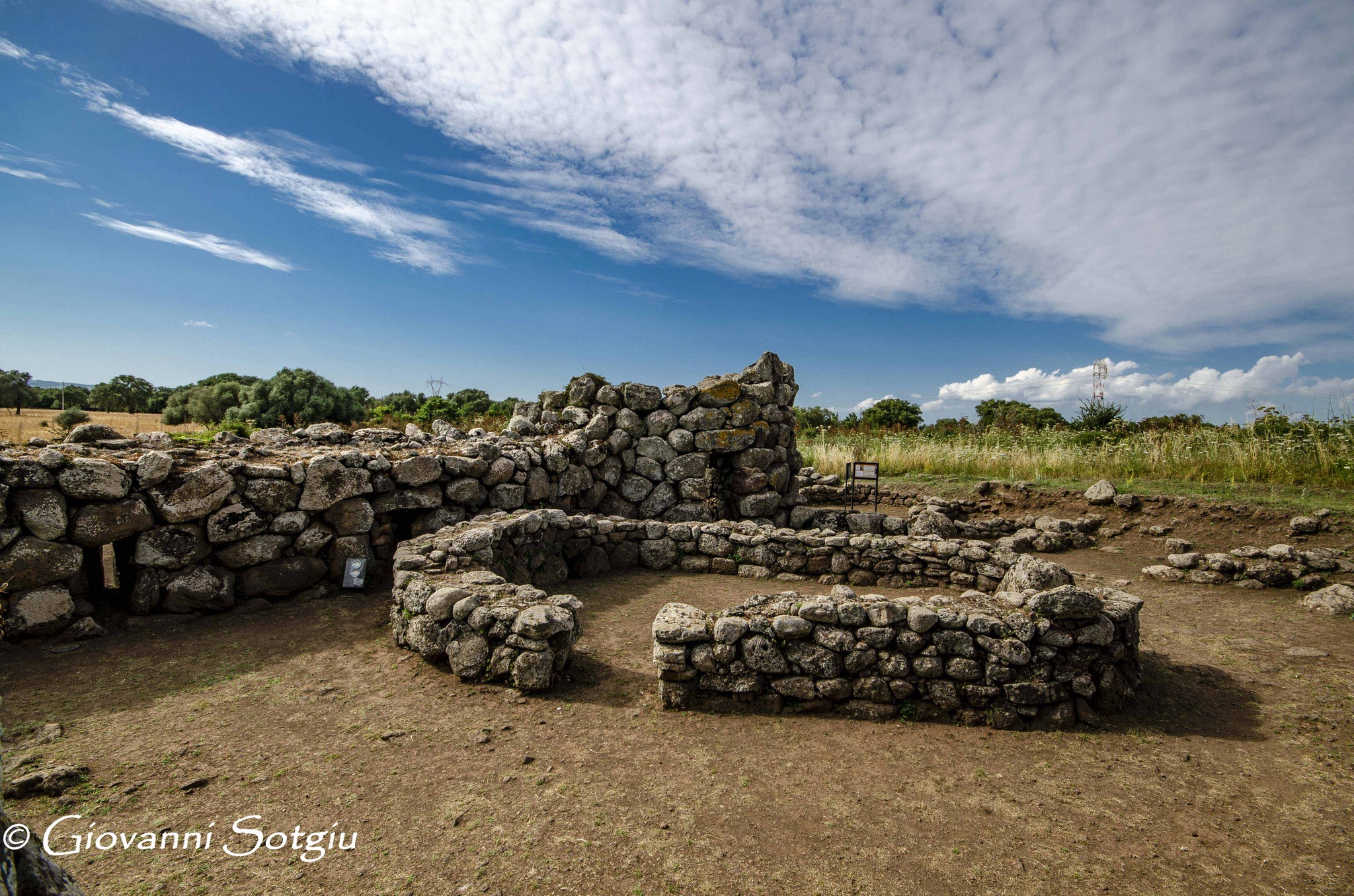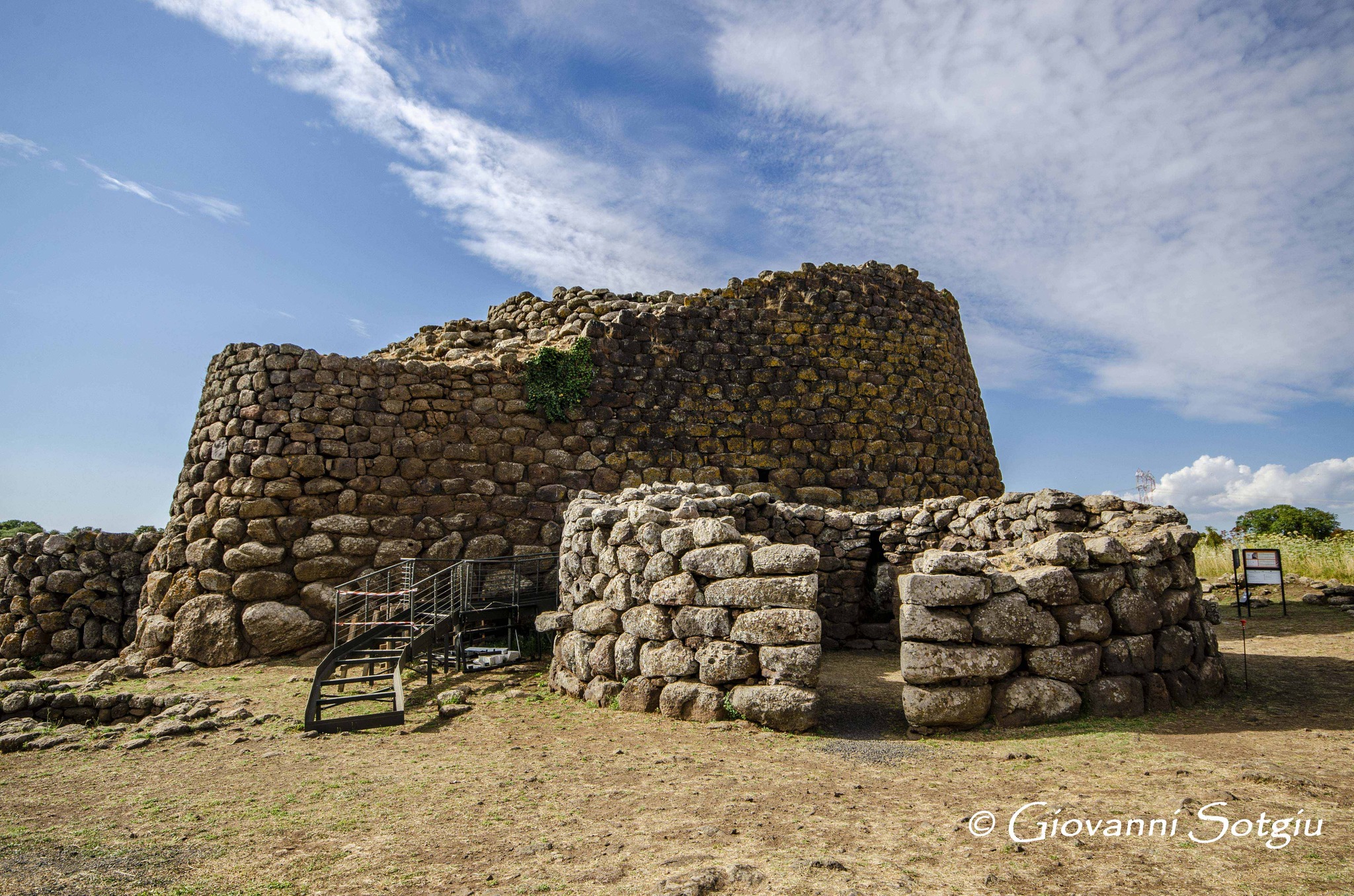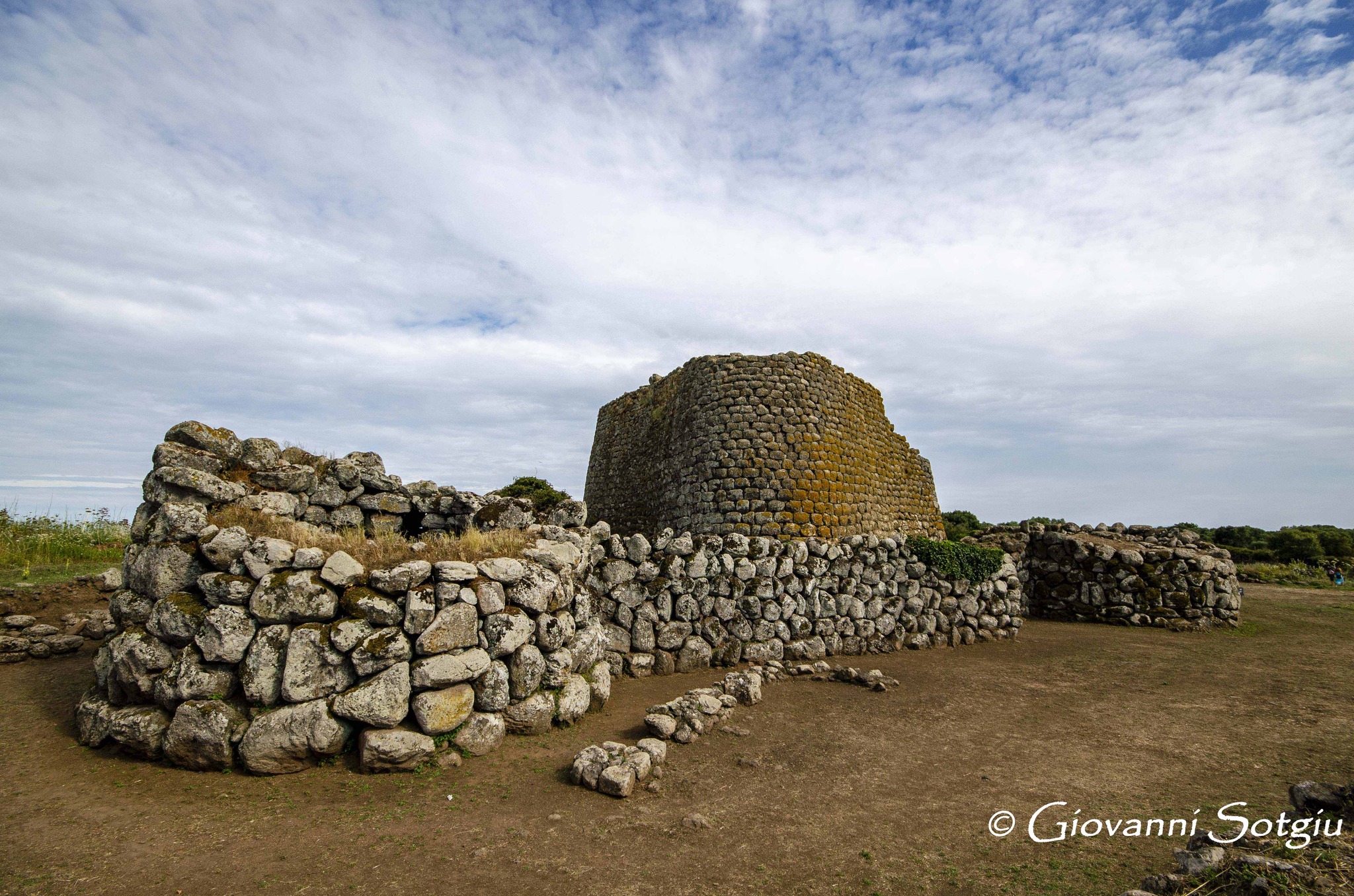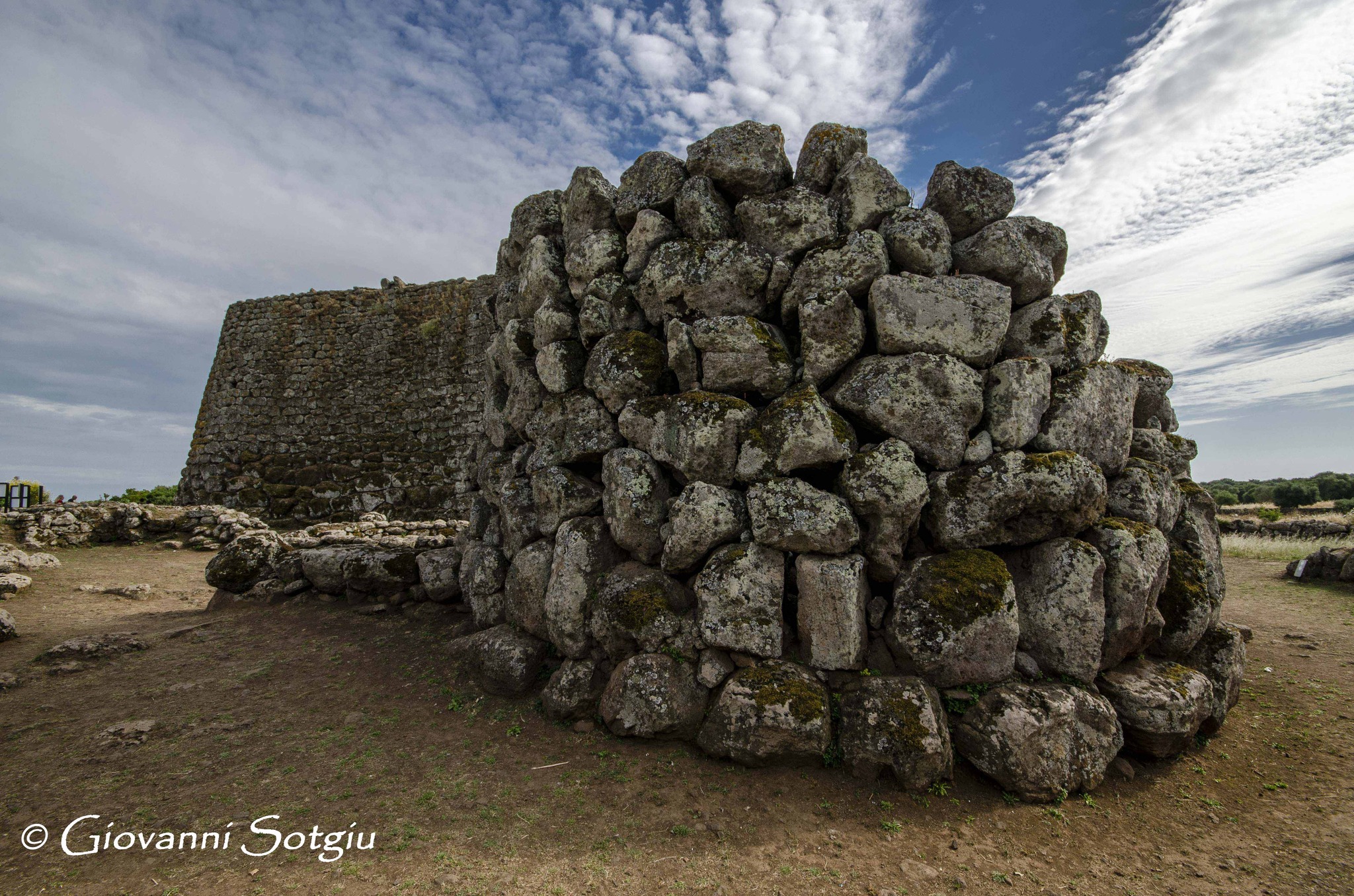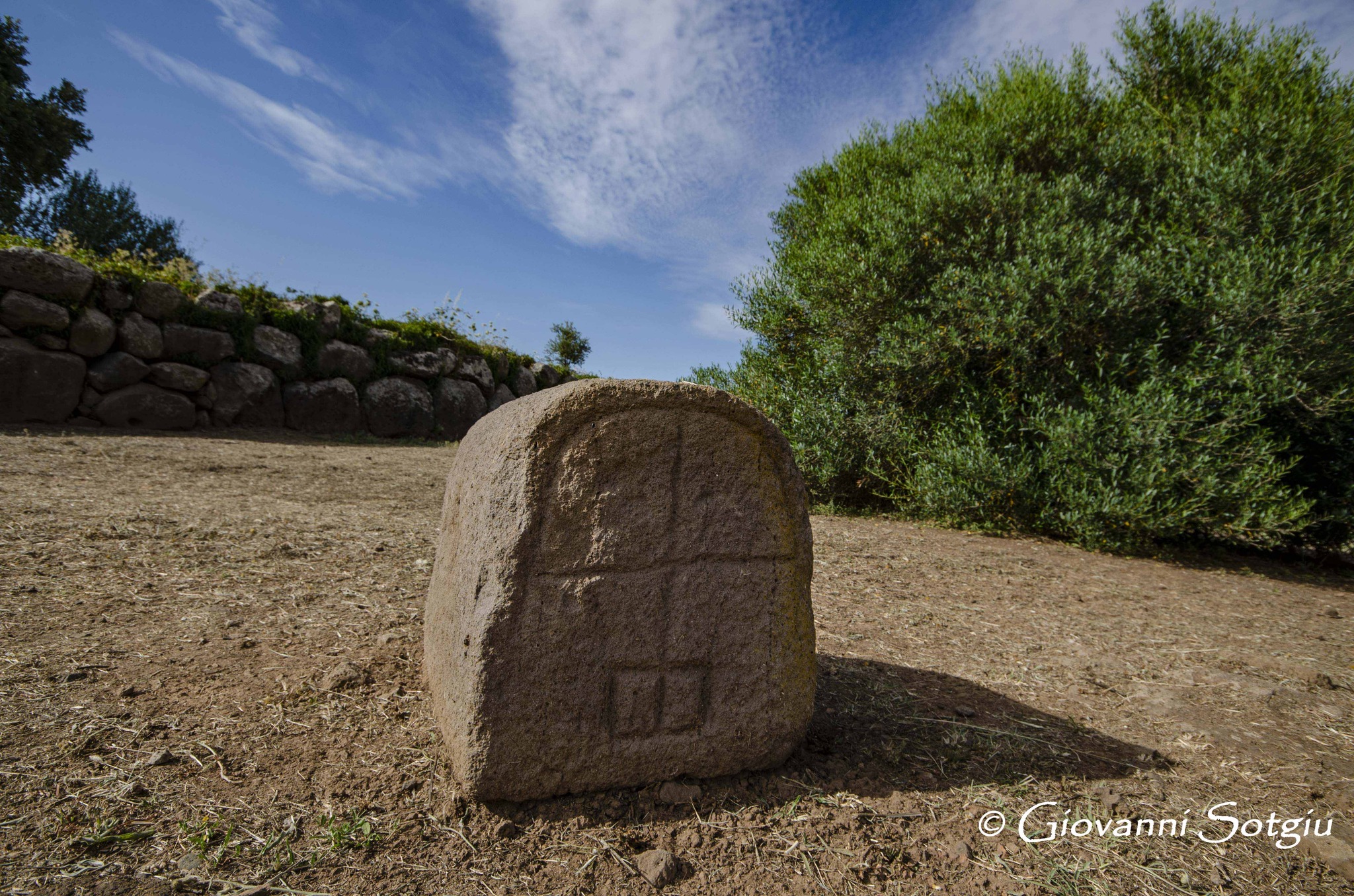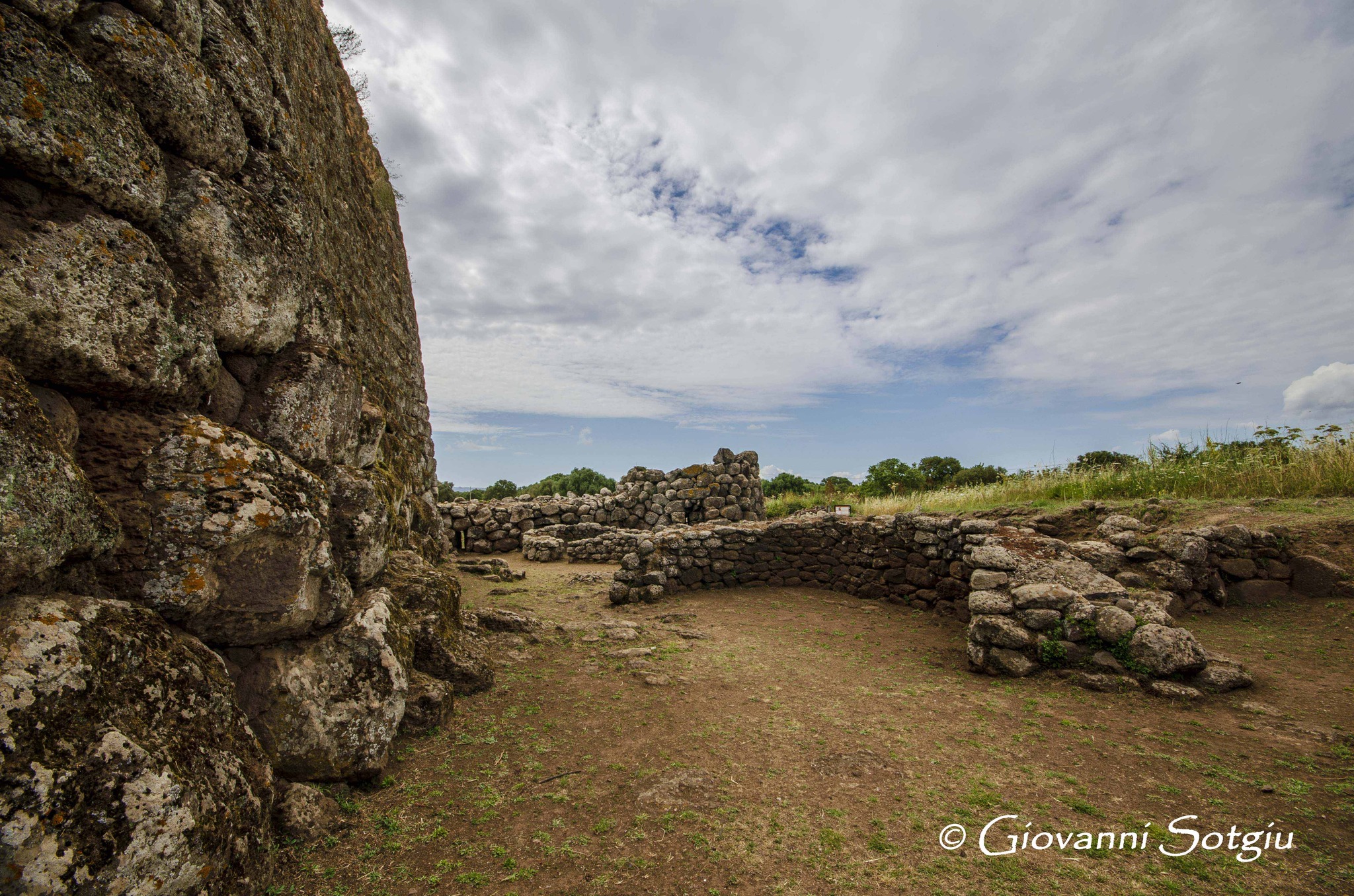
Of the nuraghe Losa, in the Abbasanta territory, we have reported in previous posts. Today, Giovanni Sotgiu’s beautiful photos give added value to this extraordinary monument, described as follows on the Ministry of Culture website:
The environmental context
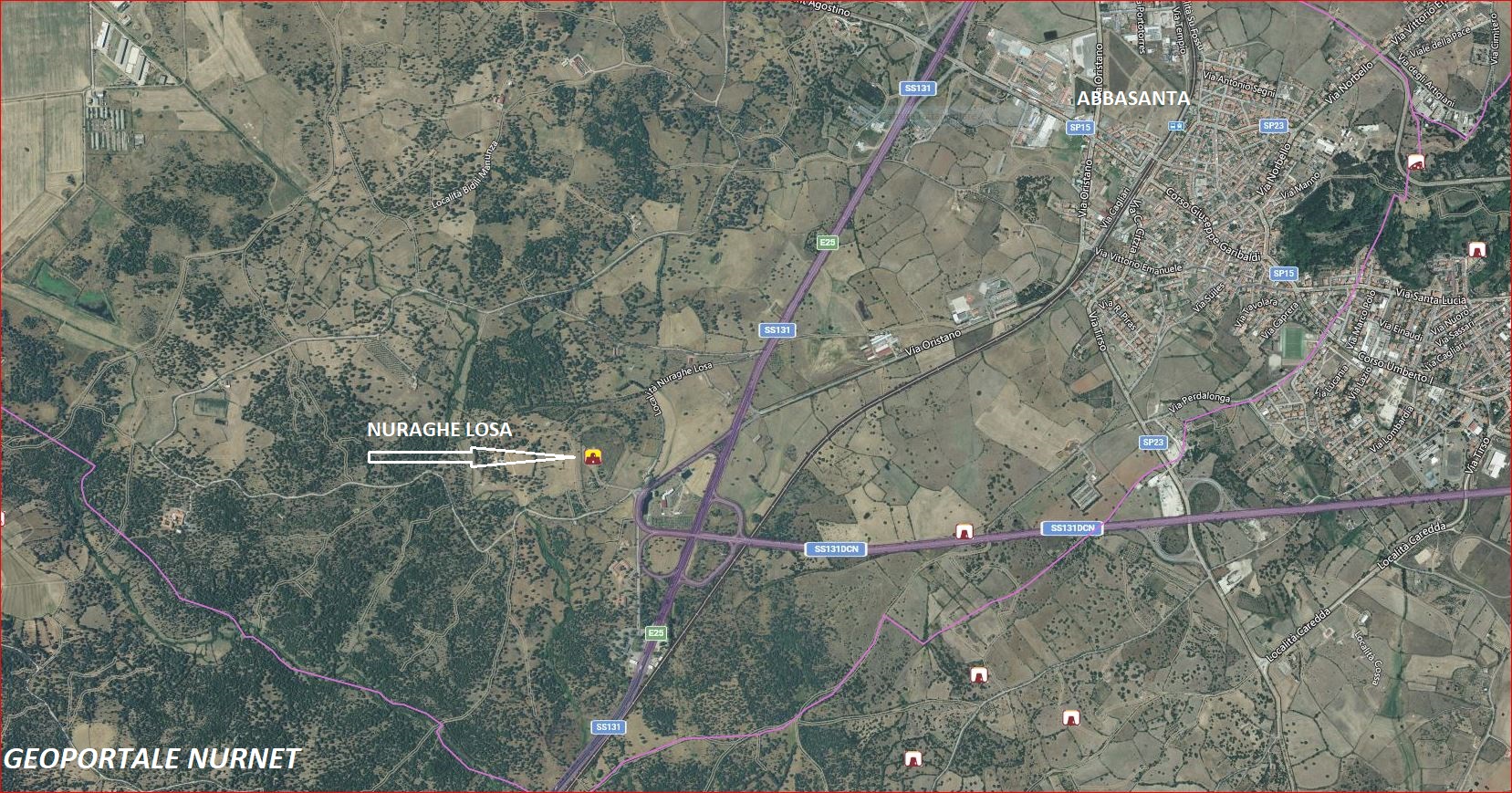
The Nuraghe Losa is located in the central-western part of Sardinia, on the basalt plateau of Abbasanta, 304 m above sea level, in the province of Oristano. Easily accessible from all ports and airports on the island, it is located a short distance from the SS 131, between km 123 and km 124, at the junction for Nuoro: on the right for those arriving from Sassari and on the left for those arriving from Cagliari.History of the excavations
The Nuraghe Losa tells the history of archaeology in Sardinia; in fact, it was the first to be systematically investigated with the objective of archaeological research and valorisation. The first excavation campaigns were carried out in 1890 by Filippo Vivanet and Filippo Nissardi. This was followed in 1915 by Antonio Taramelli’s investigations of the village. Among the findings made by Taramelli was a limestone fragment of a model of a single-tower nuraghe. In the 1950s, Giovanni Lilliu carried out an initial examination of the materials found during the excavations. In 1970 and 1975, excavation, consolidation and restoration work conducted by Ferruccio Barreca made the site accessible. From 1989 to 1994, Vincenzo Santoni, Paolo Benito Serra and Ginetto Bacco investigated the donjon chamber and parts of the bastion.Description
It is a complex nuraghe with a three-lobed plan, built in the Middle Bronze Age, when the Nuragic civilisation was at its peak. A giant of black basalt, imposing and majestic, surrounded by the green of the Mediterranean maquis, unique for its peculiar sinuous shape with a concave-convex profile, softened by the orange hues of the lichens in the northern part. The curtain wall conceals several ogive chambers within it; the central chamber is the largest of all.It is entered through the main entrance and, once inside, one feels fascinated and protected by the large stones that are artfully worked and positioned, circle after circle, like large, powerful arms.
Around the nuraghe once stood the inhabited settlement, traces of which can still be seen: a large hut village of three and a half hectares, protected by a mighty wall that time has graced, preserving it to this day in all its length.