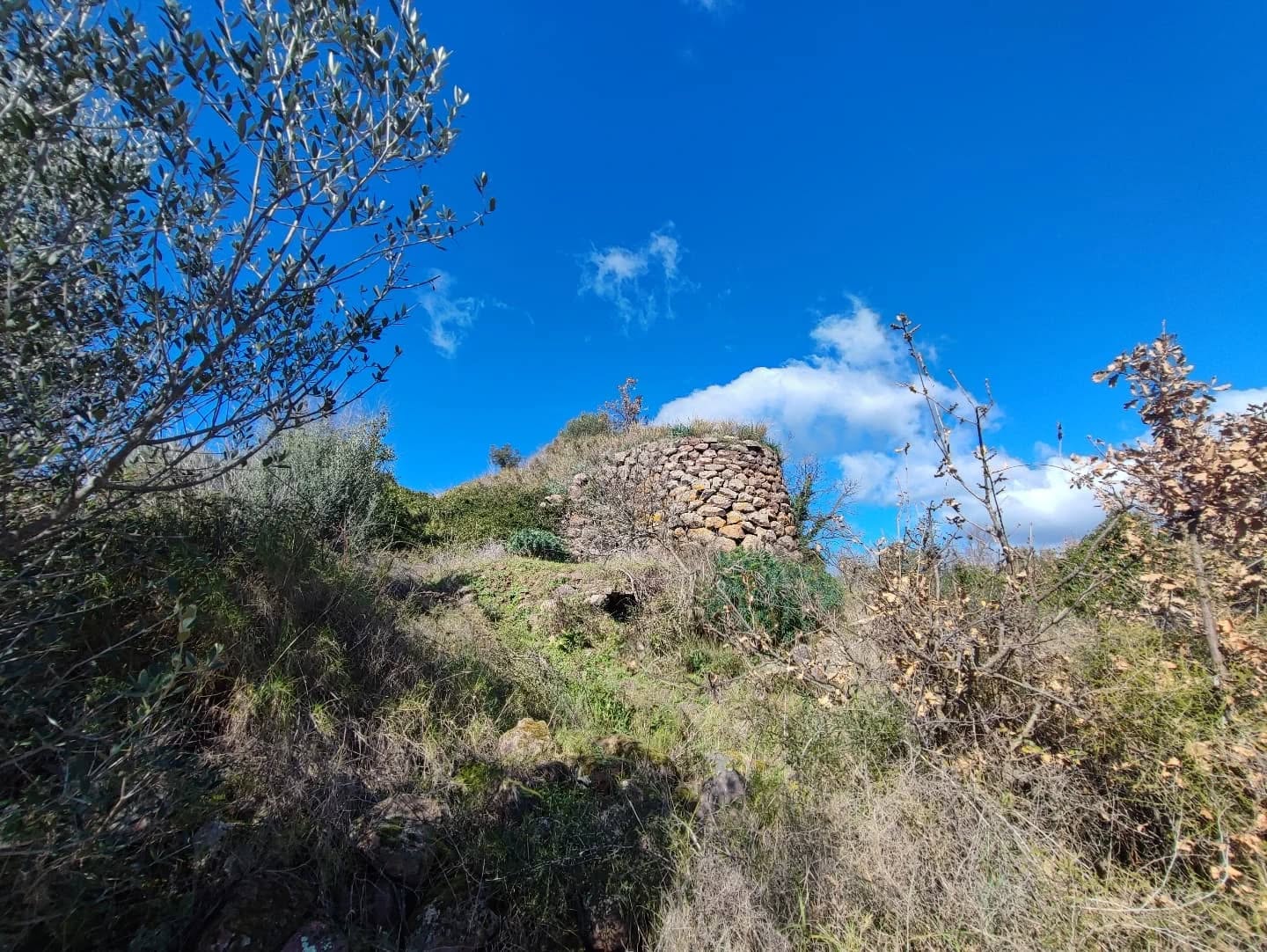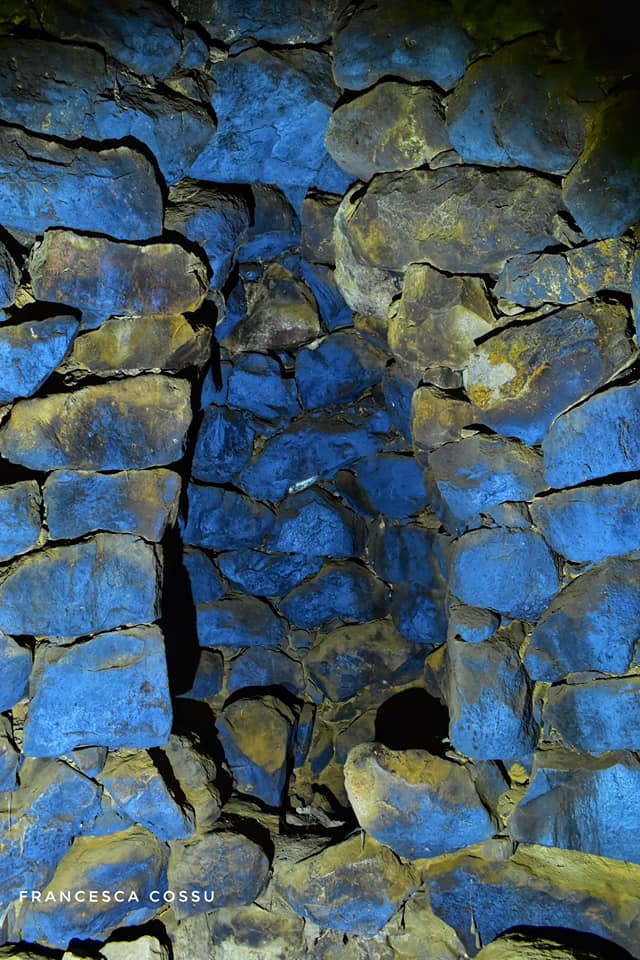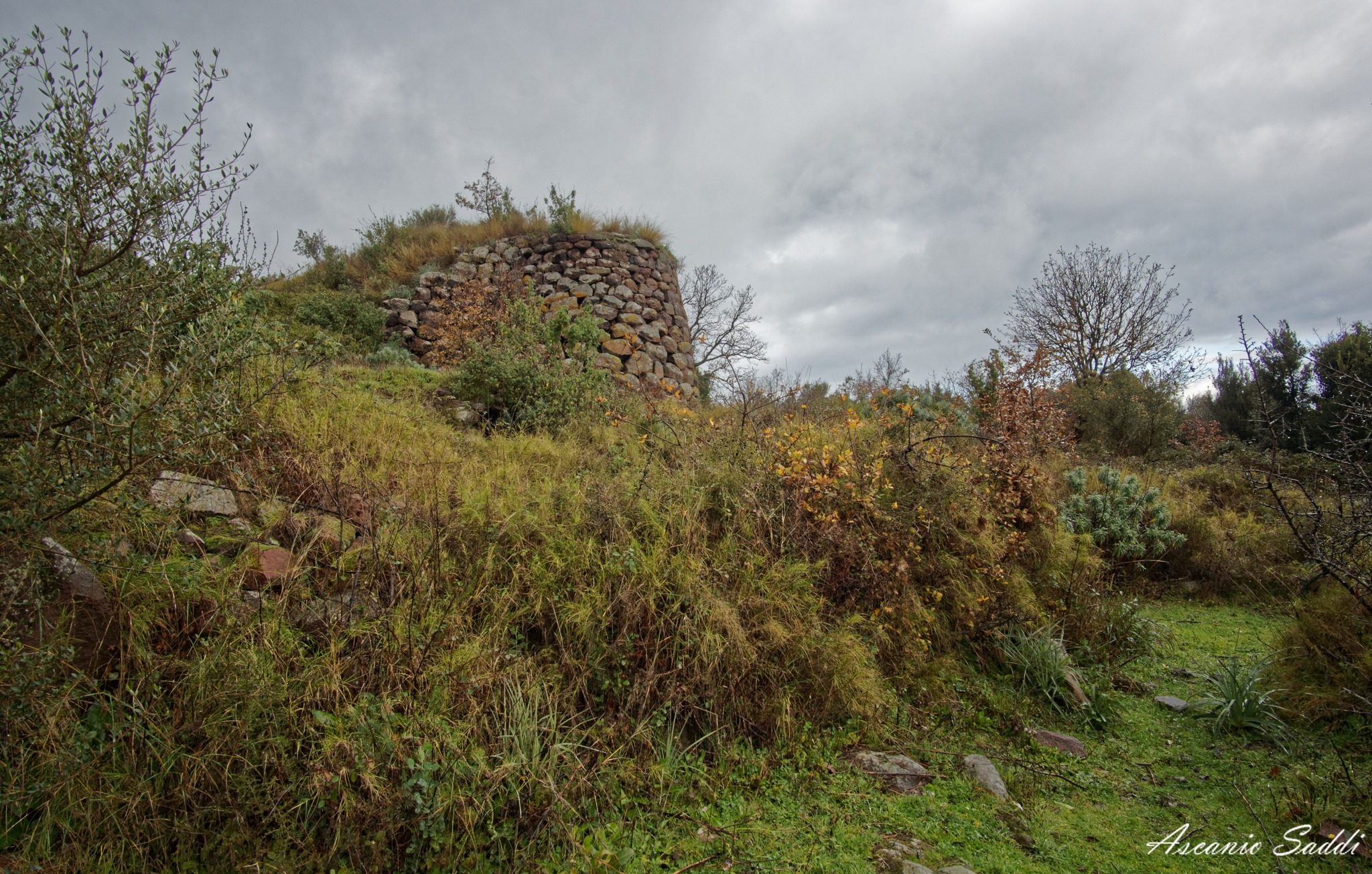
Among the scenic hills of Sarcidano, in south-central Sardinia, stands a Bronze Age fortress, surrounded by greenery and known as ‘the blue nuraghe’.
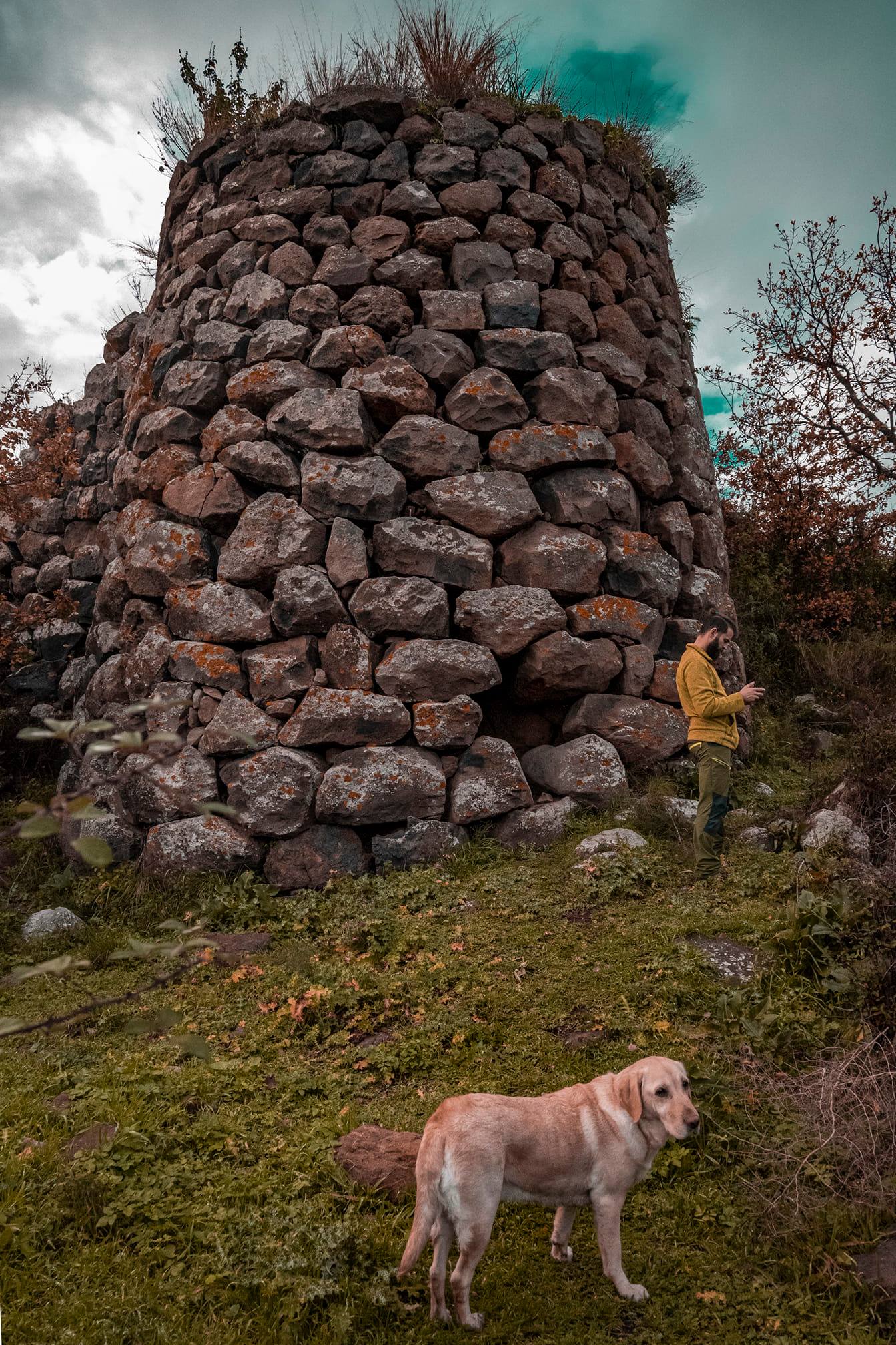
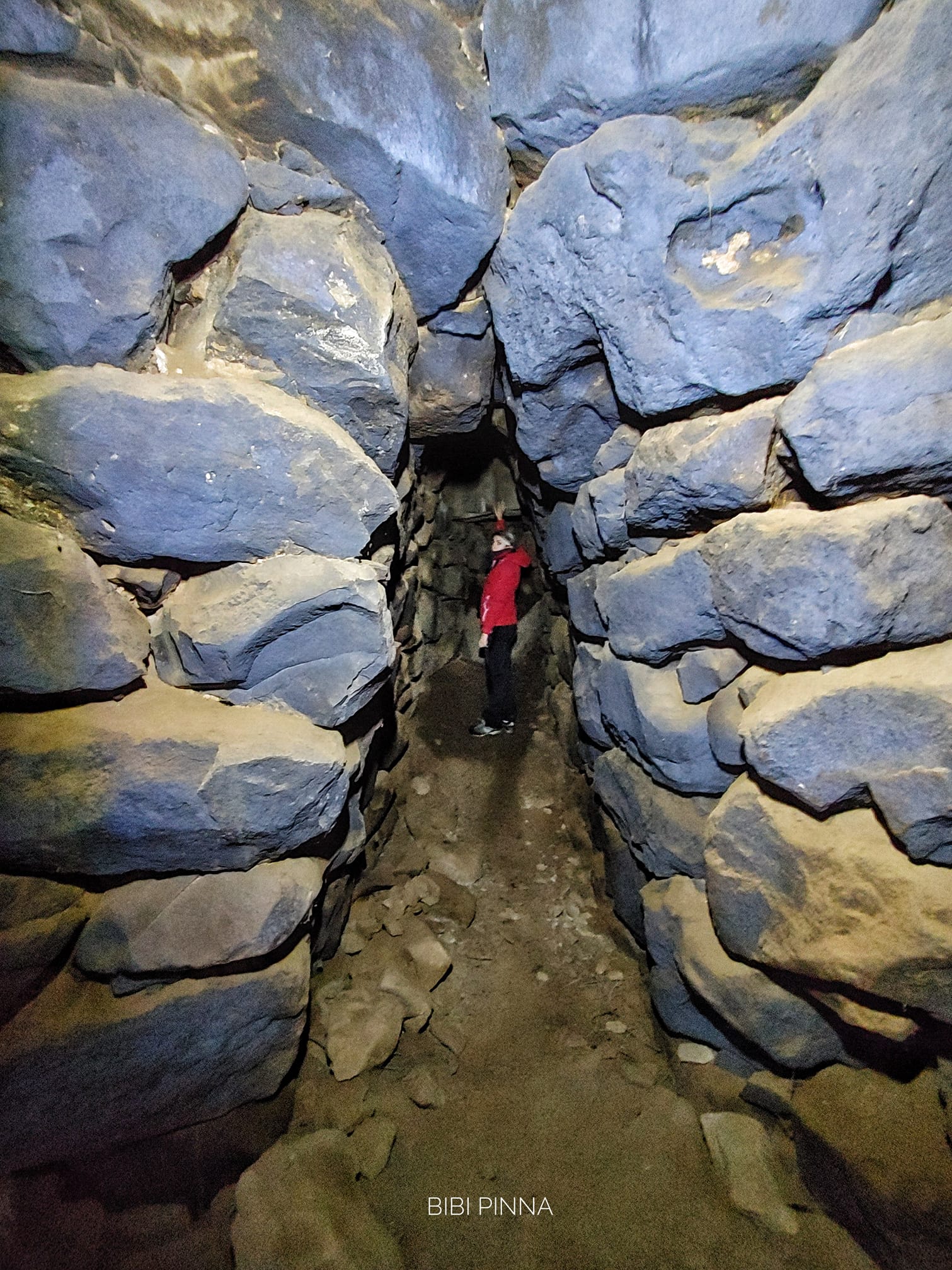
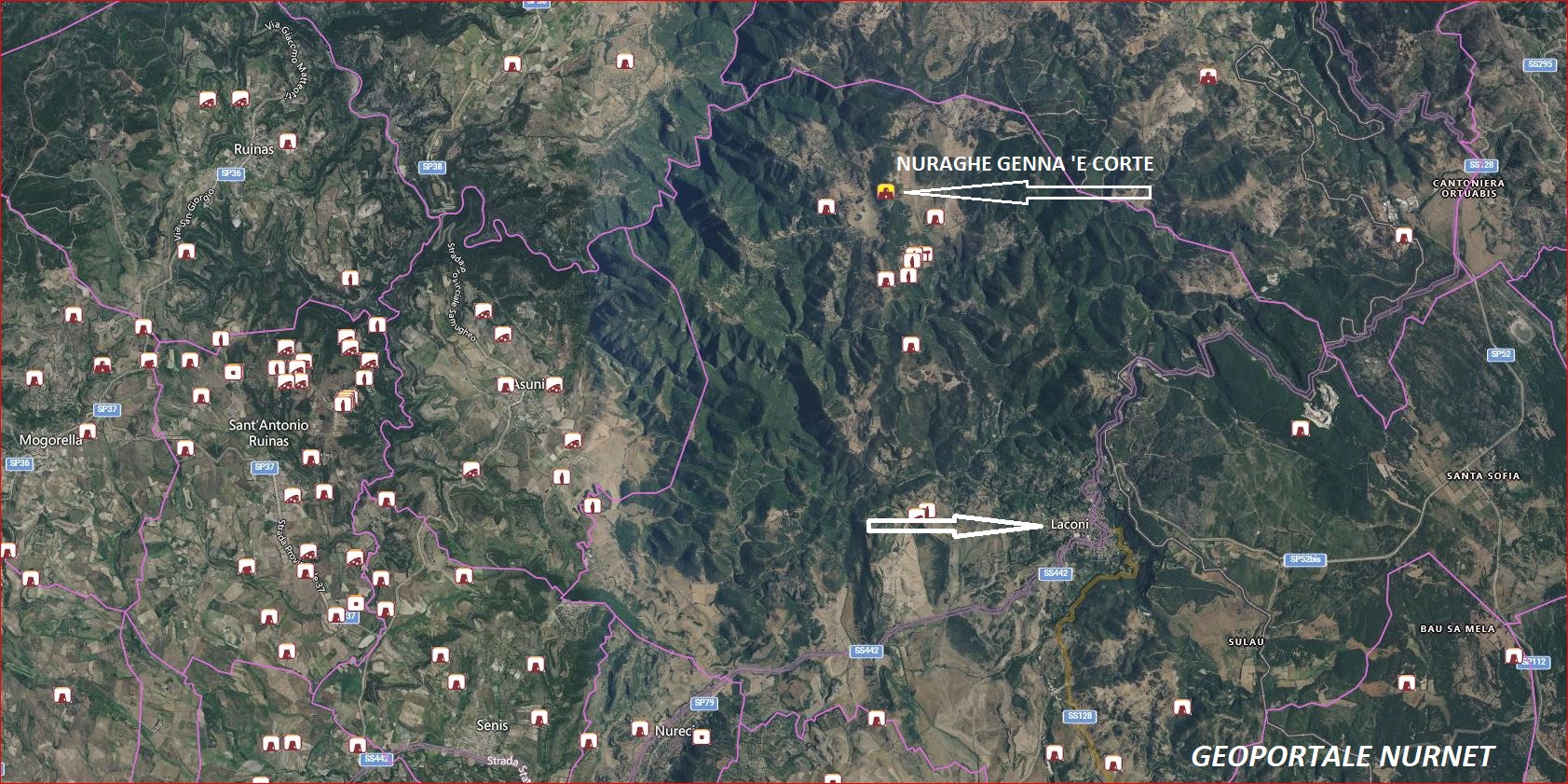
The area in which it stands has unearthed some of the most important prehistoric artefacts on the island, while its peculiarity has not yet been fully elucidated: the stones inside are tinged blue.The Nuraghe Genna ‘e Corte stands on a relief in the locality of Stunnu, ten kilometres north of Laconi. It is a complex structure, consisting of a central tower (keep) and five secondary towers, connected by curtain walls with a rectilinear course, whose maximum remaining height is seven metres. The building material is trachyte, carved from medium-sized blocks arranged in horizontal rows. The donjon is preserved to a height of about twelve metres, with a diameter of slightly more. The main chamber is cluttered with stones from the collapses, but it is nevertheless possible to ‘read’ the line of the walls of the corridor on the second level.
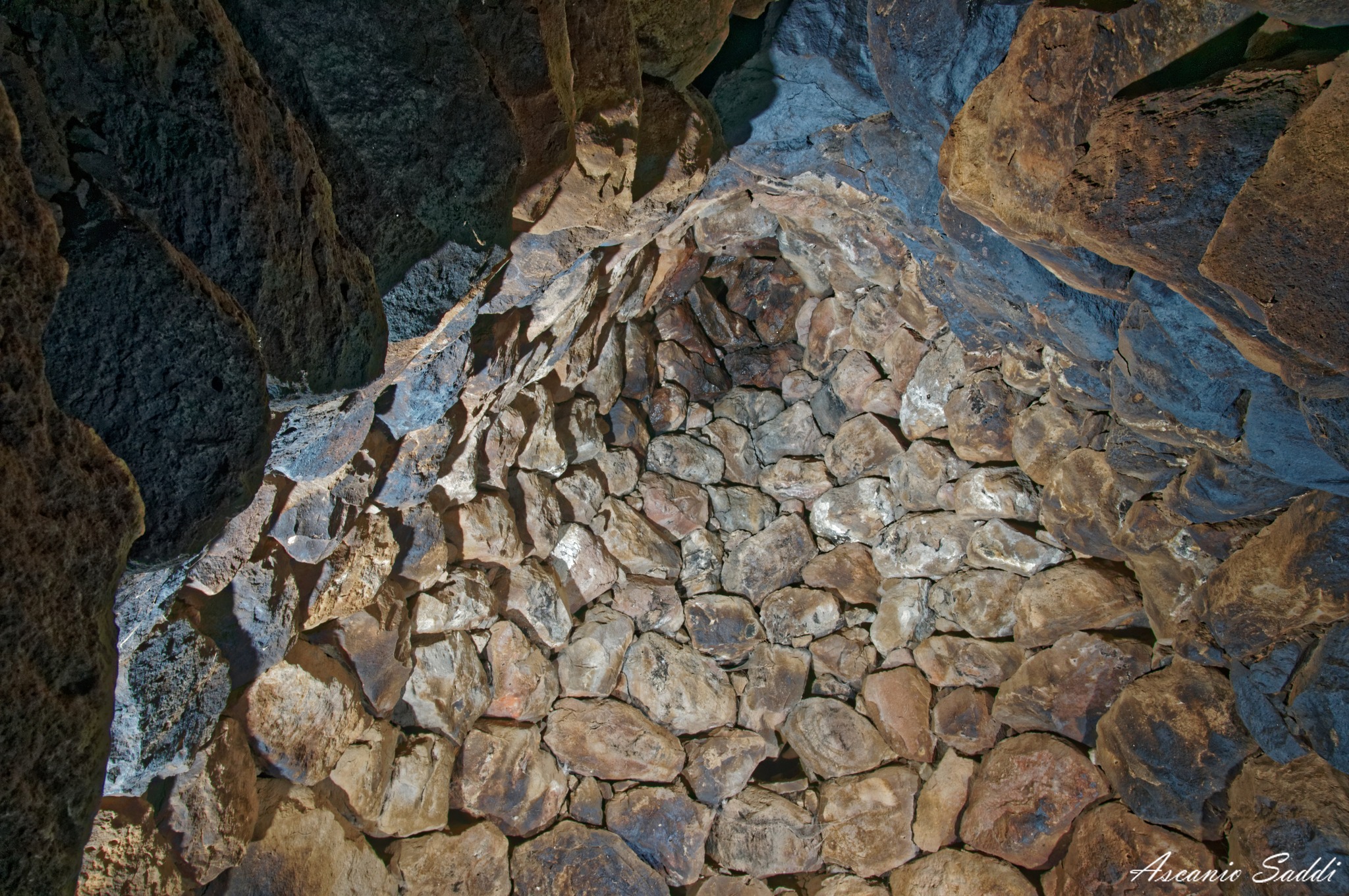
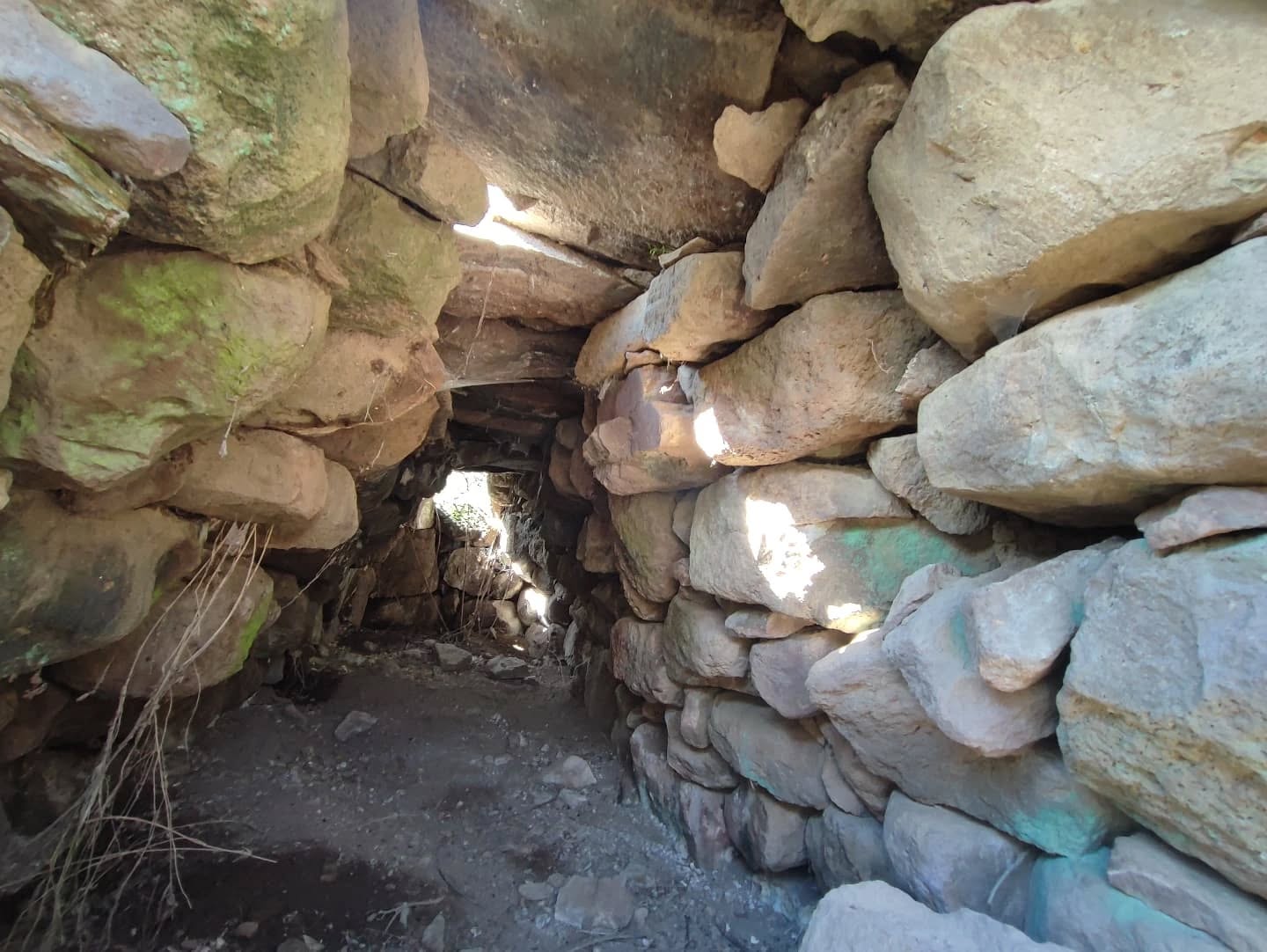
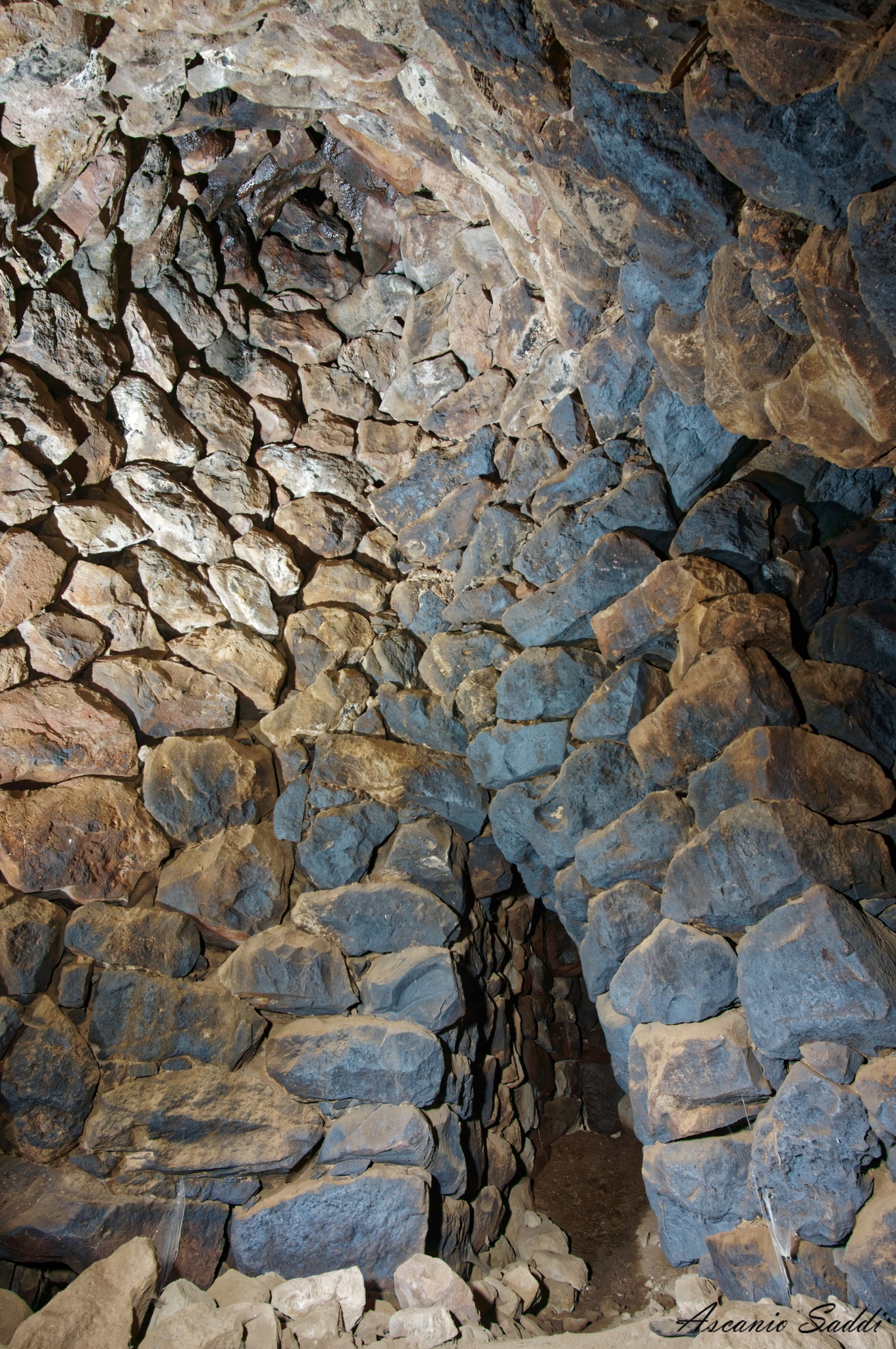
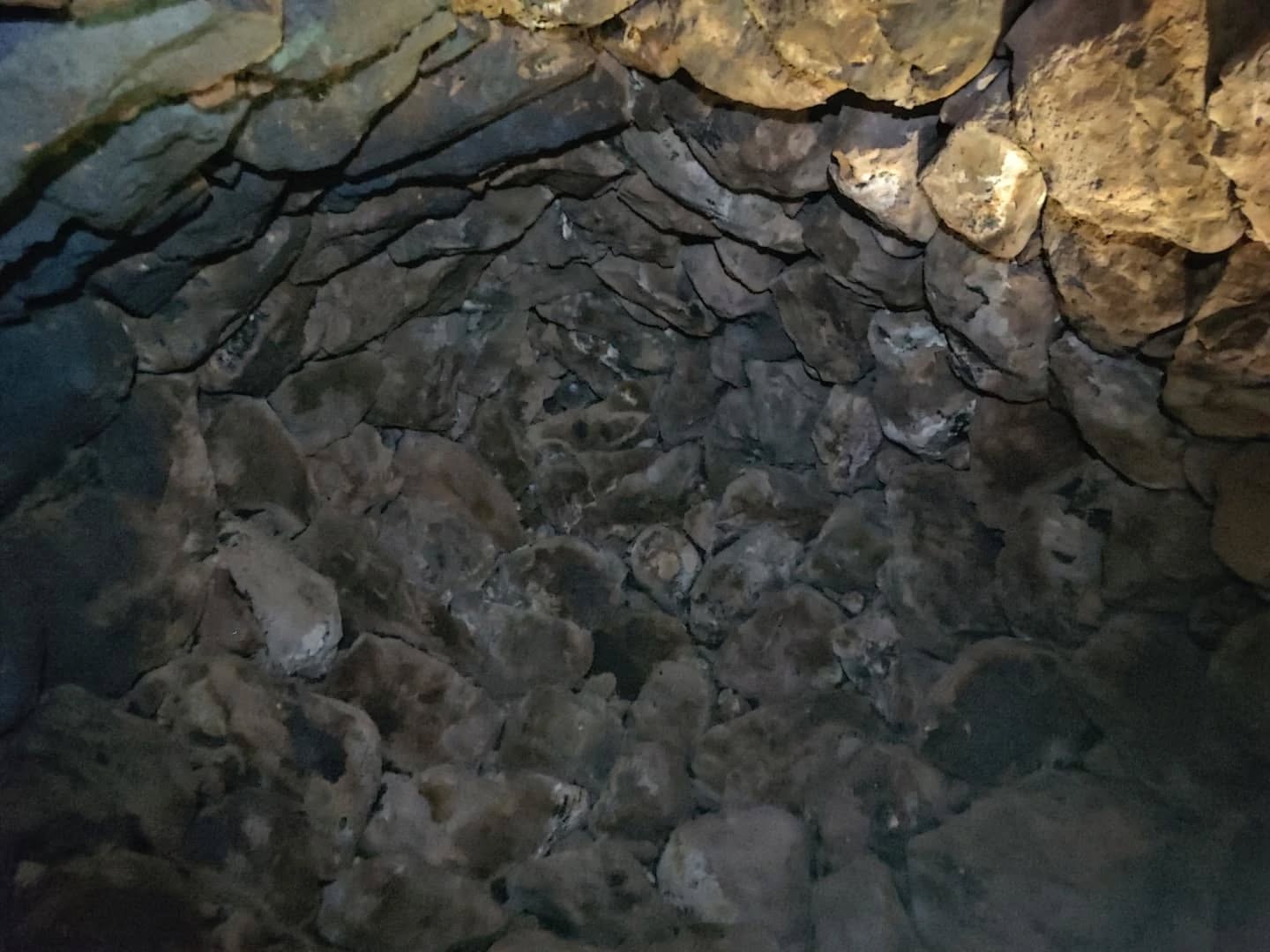
Of the five towers, the one facing east is in good condition, as is part of the one facing south-west. In the east tower, you will observe a circular room, with an intact tholos roof, from which a corridor with an ogival cross-section leads into the courtyard. In one wall you will notice a niche, slightly raised above the floor. In the niche, here is the phenomenon that characterises the Genna ‘e Corte: the colouring tending towards blue in places on the walls. It is assumed that this colouring is due to the presence of lichens on the inner surface of the blocks.
Source: Sardinia Tourism.
The photos of the nuraghe Genna ‘e Corte are by: Francesca Cossu, Billy Willy Valanga Mariani, Andrea Mura – Nuragando Sardegna, Bibi Pinna and Ascanio Saddi.