A 3500-year-old architectural complex, hoisted 800 metres above sea level, in the middle of a forest, dominating the Sarcidano mountains in central-southern Sardinia
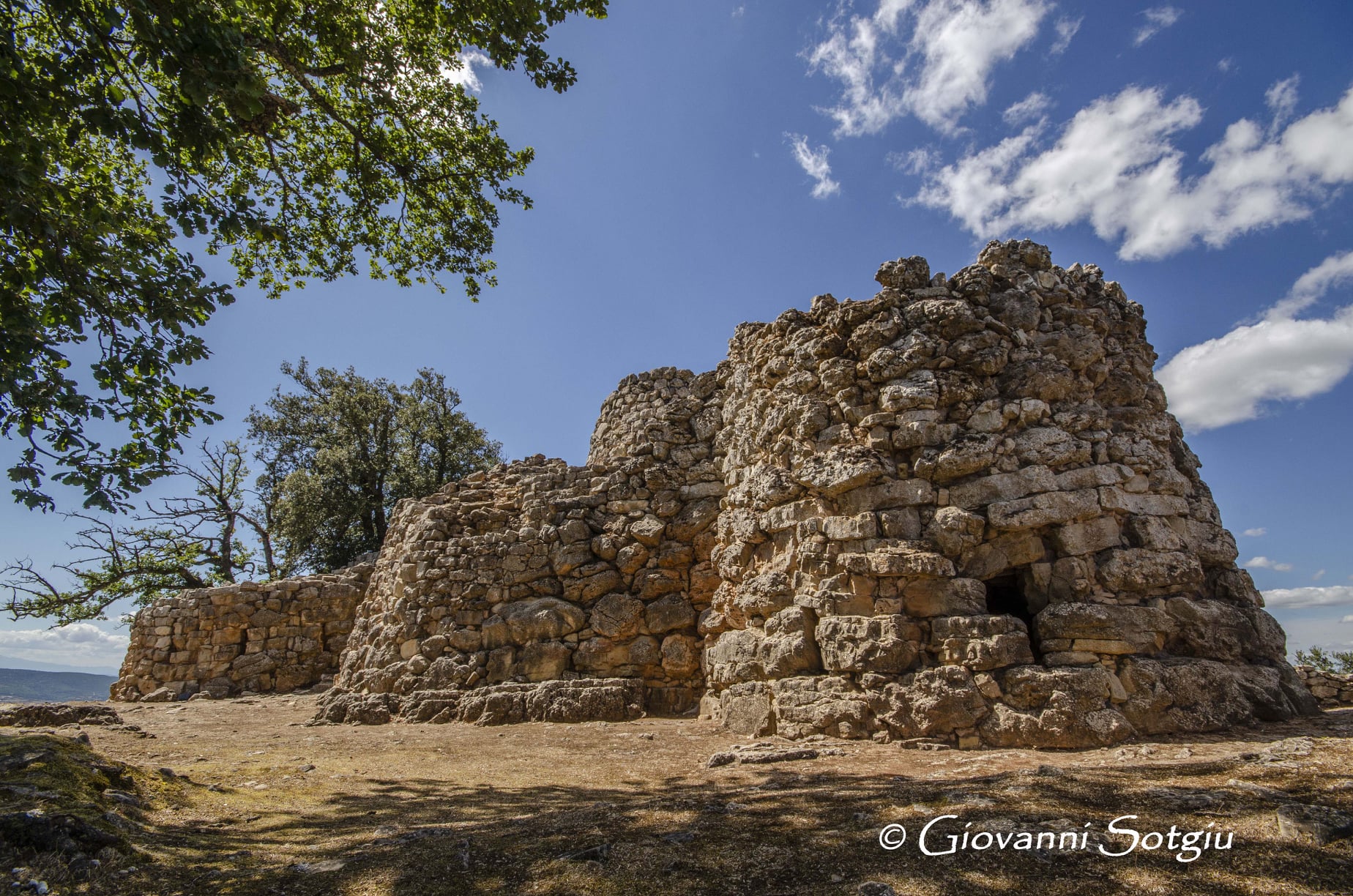
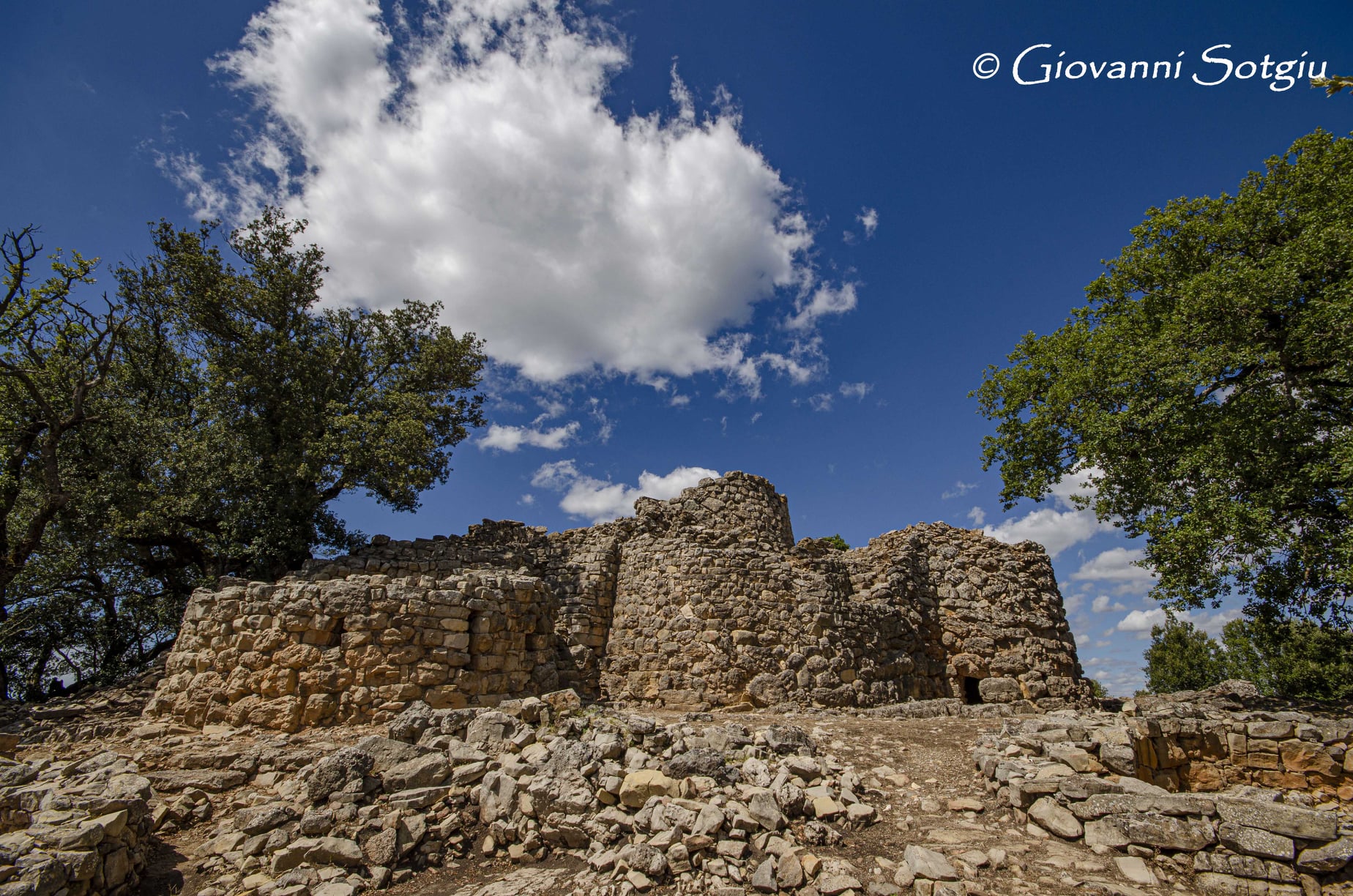
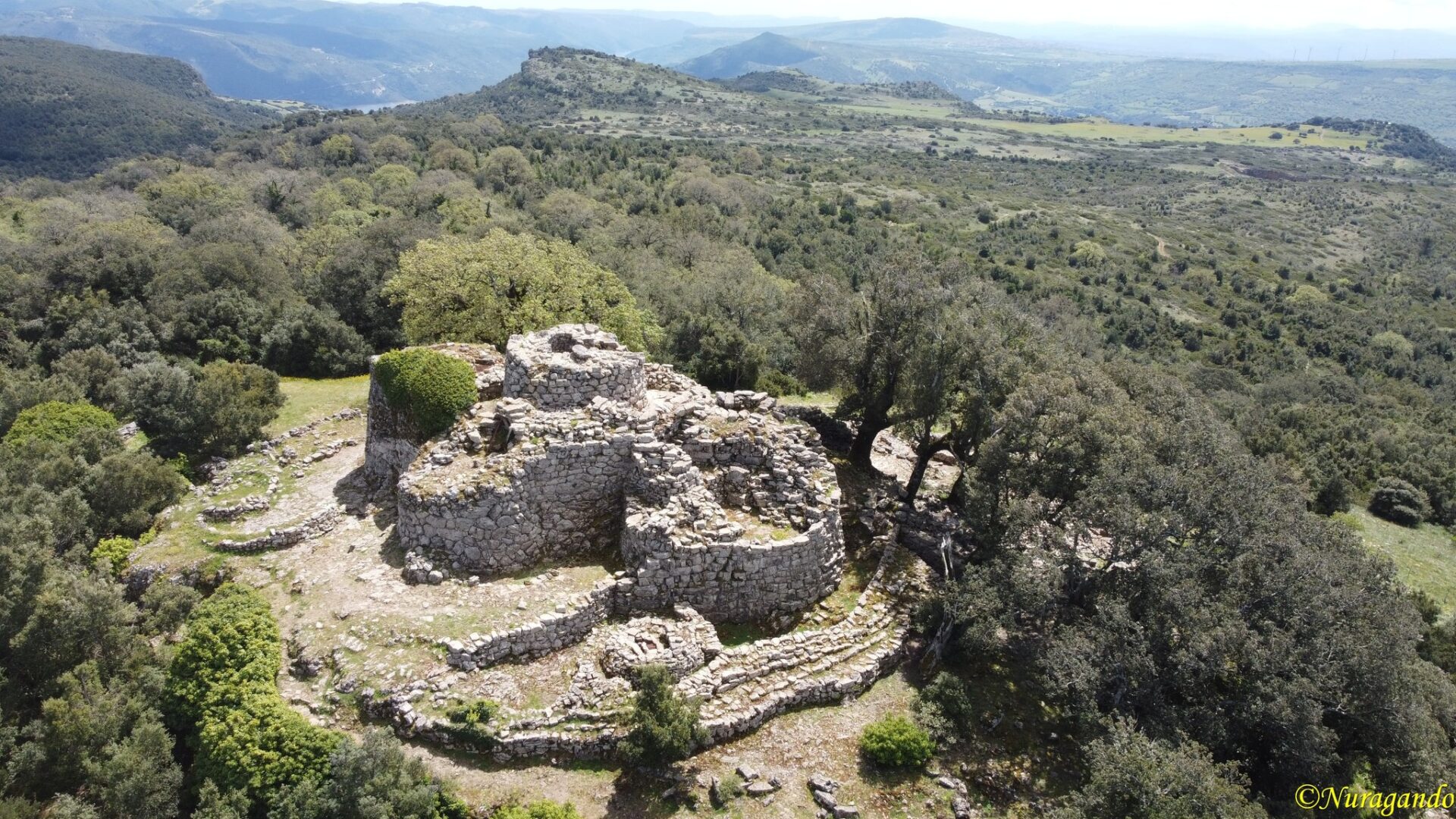
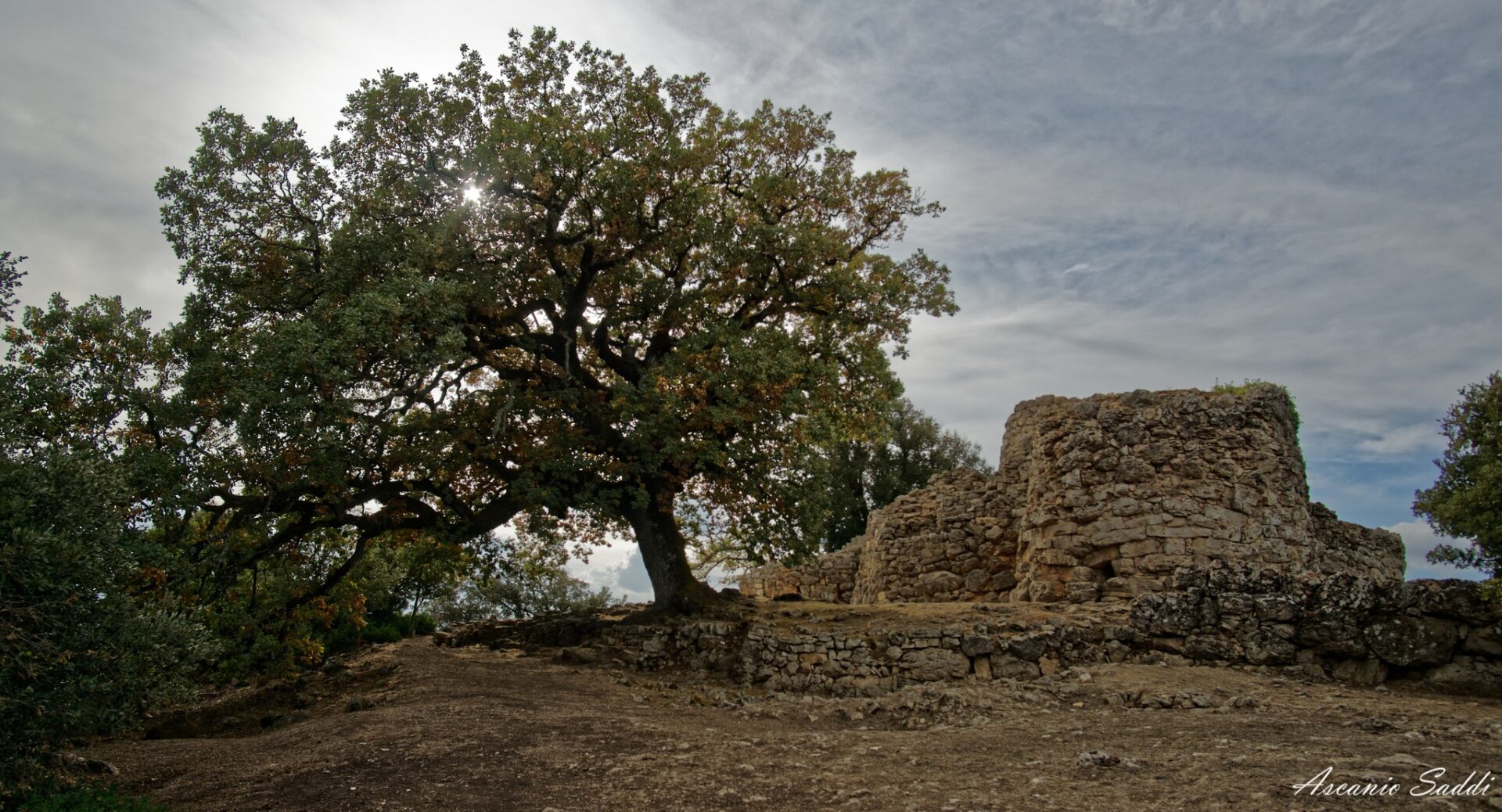
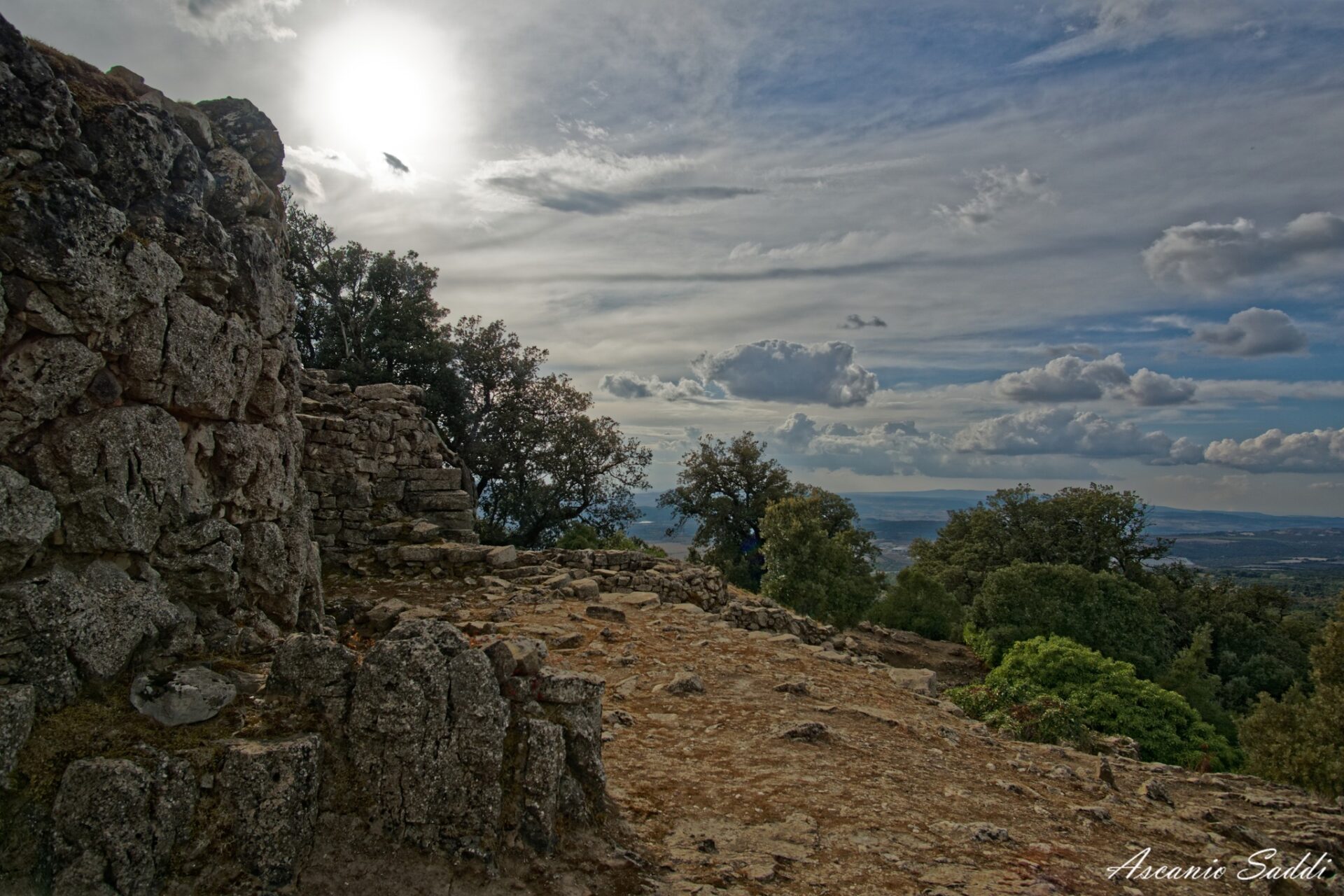
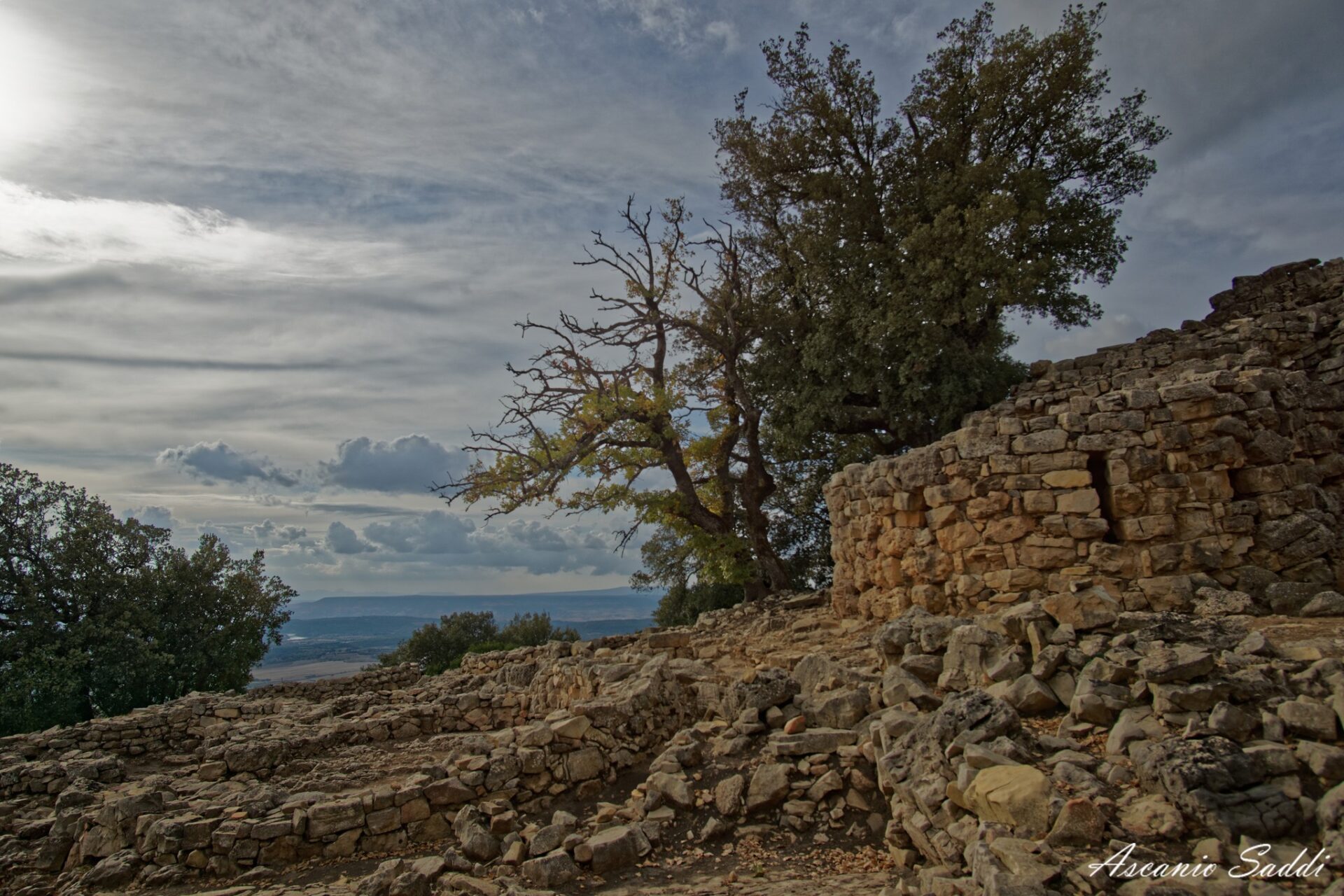
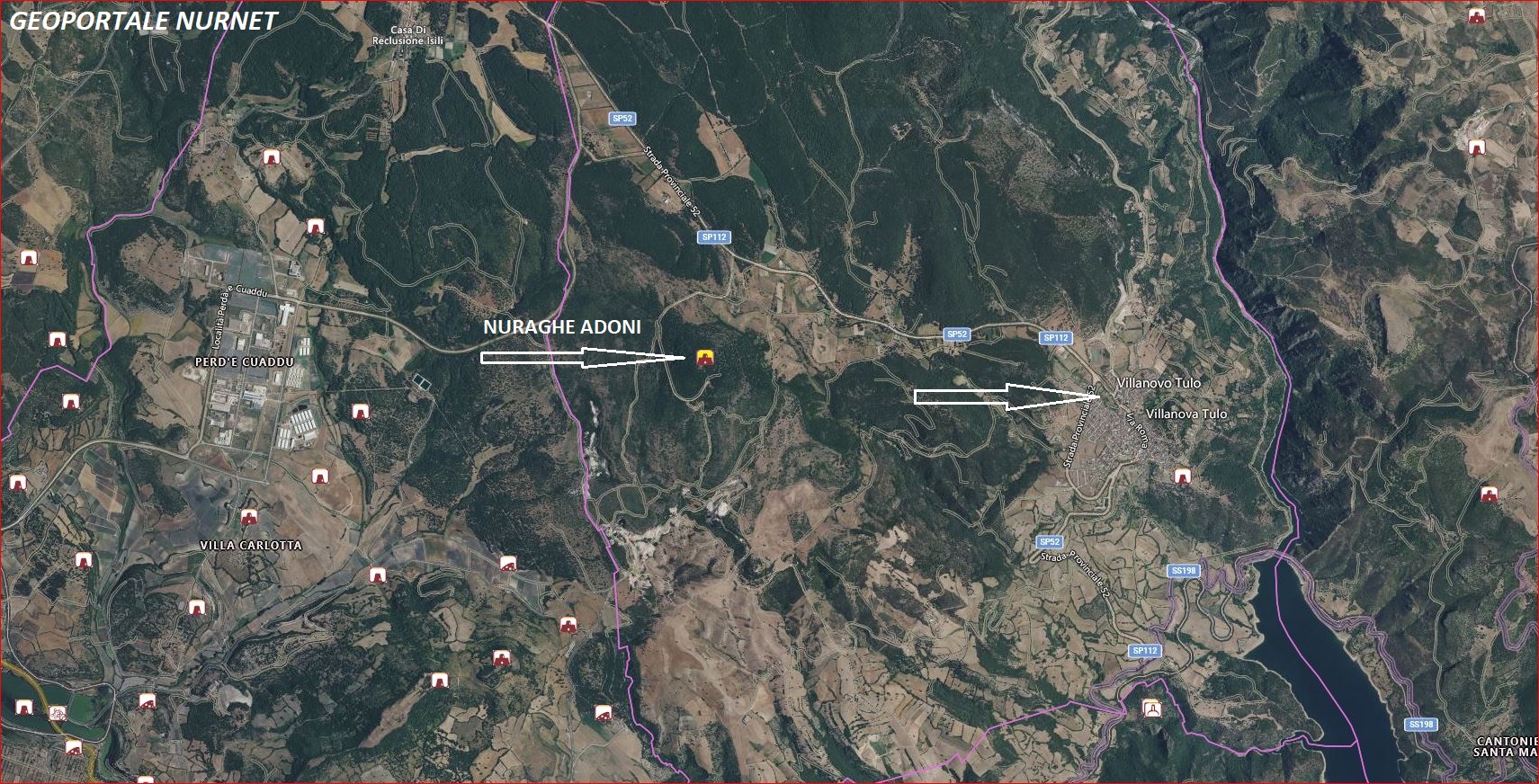
When you reach the summit of the relief on which it stands, at the end of a trek through centuries-old trees, you will have the sensation of embracing and dominating the entire surrounding area with your gaze, a breathtaking panorama from the Gennargentu massif to the Sette Fratelli park. The Adoni Nuraghe is a proto-historic monumental complex that stands on an isolated, steep limestone bastion about five kilometres from Villanova Tulo, an ancient and small village in the Sarcidano region, perched on the San Sebastiano hill and flanked by the Flumendosa river. It is a splendid example of a multi-layered site, dating back to an age between the Final and Recent Bronze Age (1350-1150 B.C.), never completely abandoned: its position controlling the territory meant that the area was frequented until the Middle Ages. To reach the nuraghe, you can take an easy walk of about five kilometres, through an evocative landscape on the border between Barbagia di Seulo and Tacchi d’Ogliastra. The effort in tackling the slopes of the last uphill ‘tear’ will be amply rewarded.
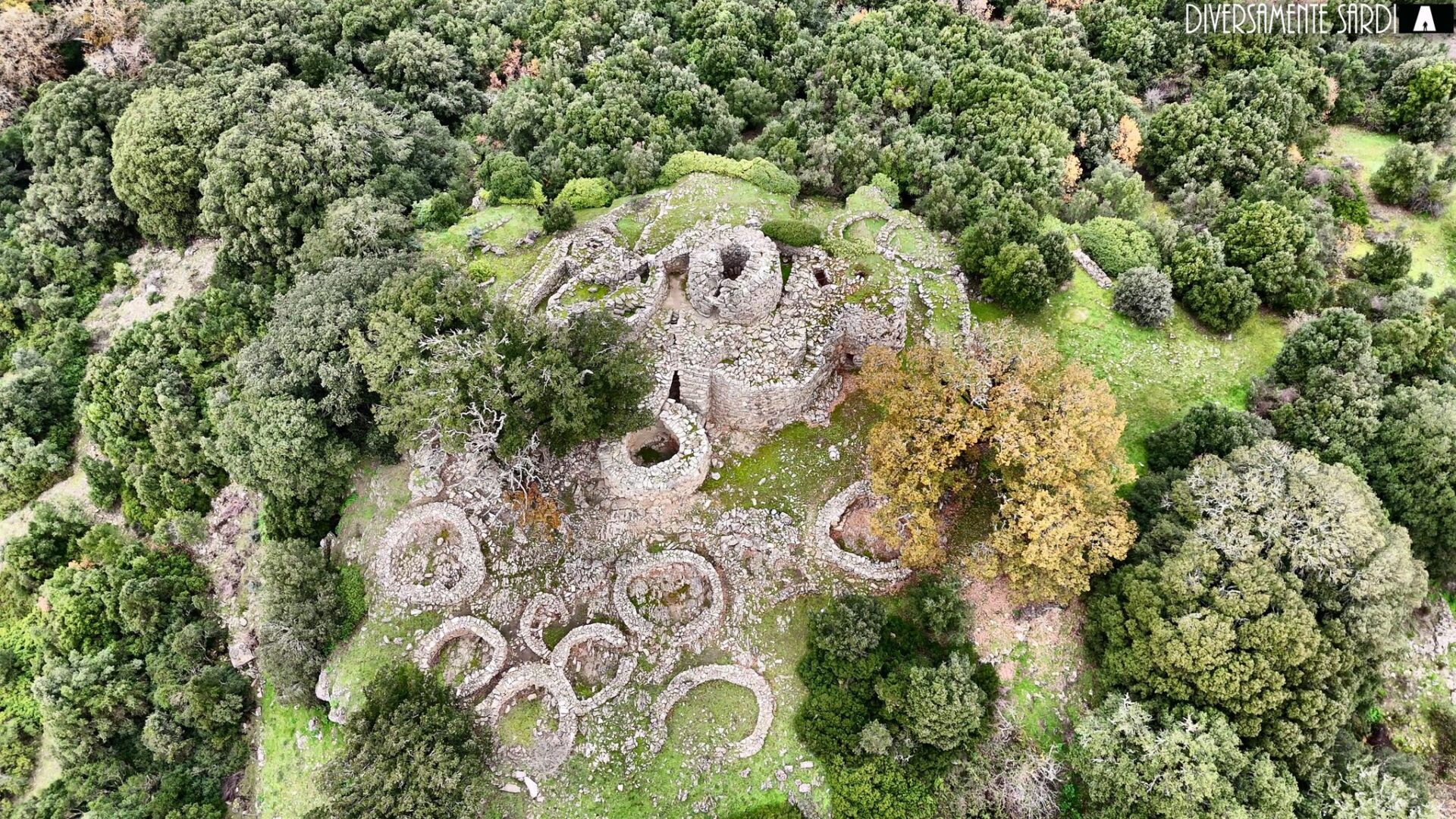
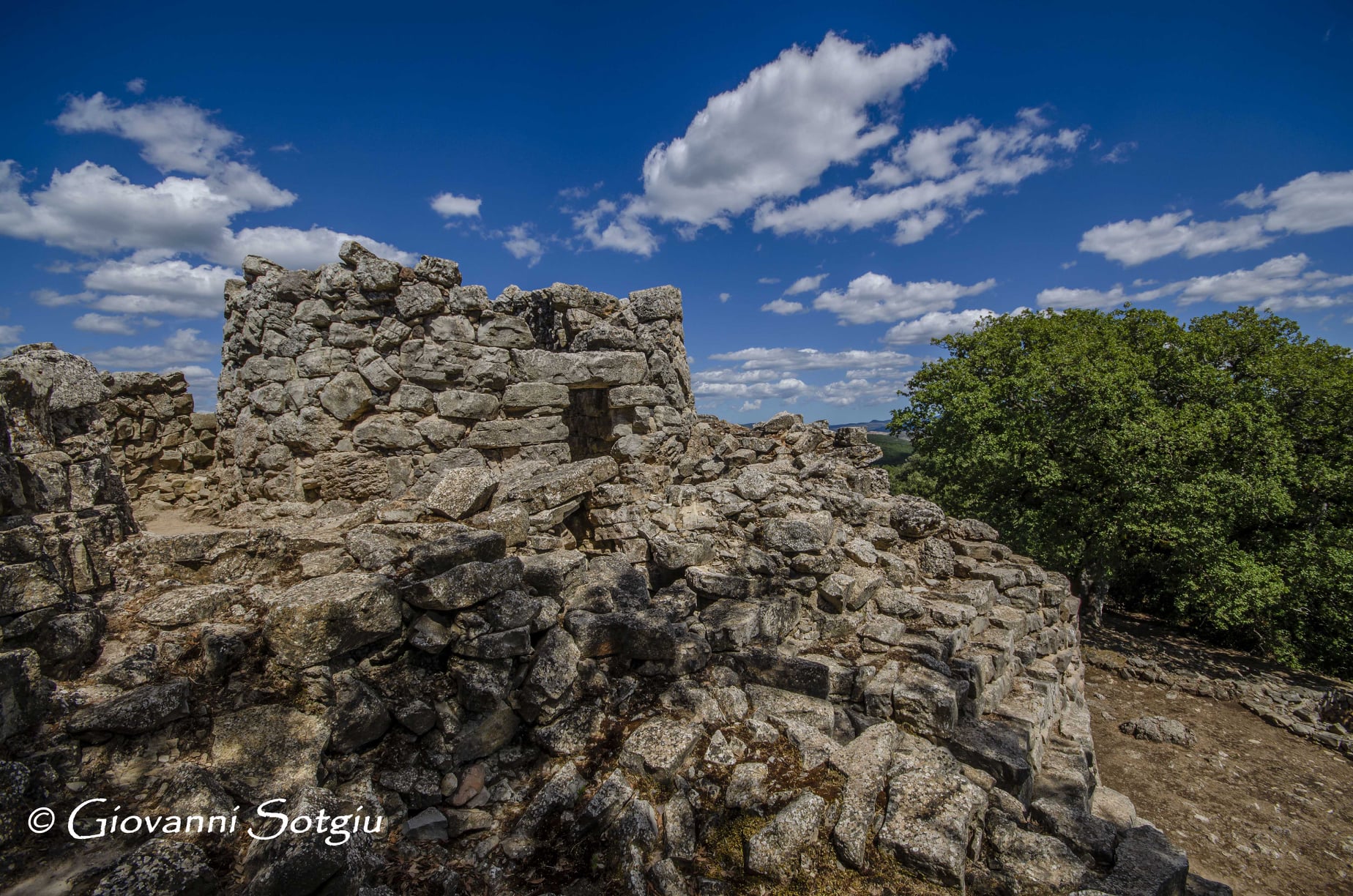
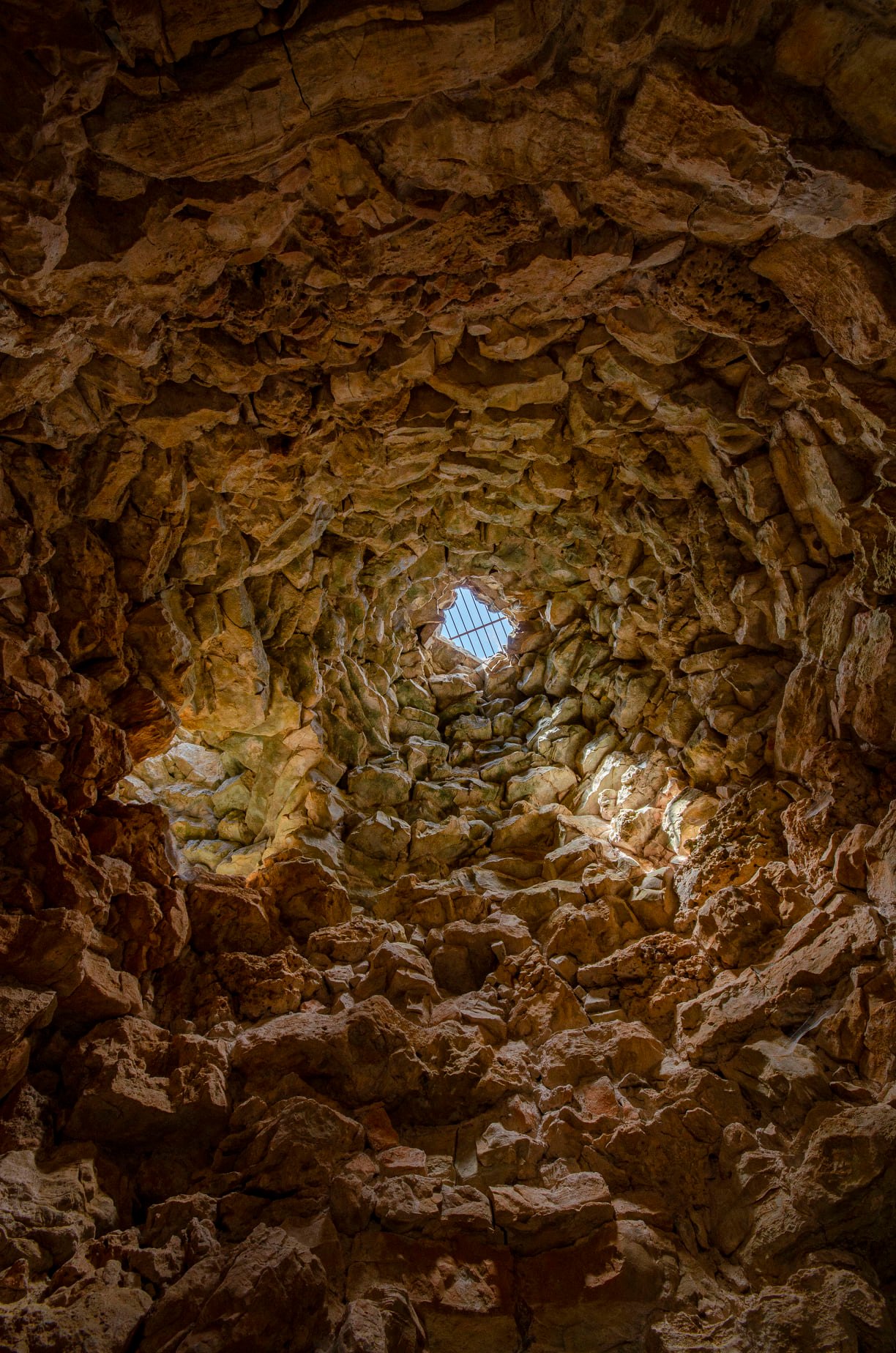
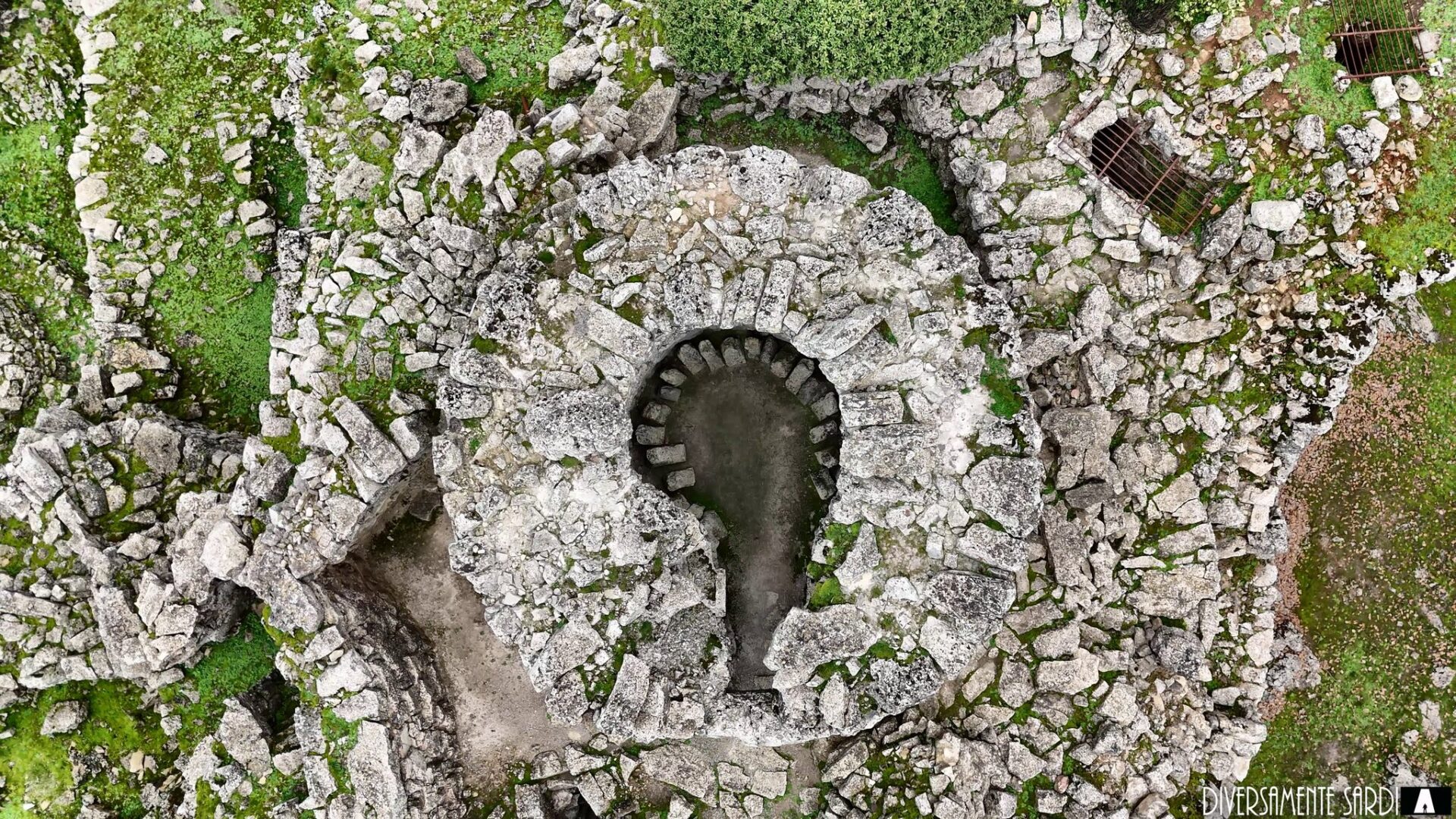
The architecture of the complex, built with large blocks, consists of a central tower (mastio), originally multi-storeyed, to which is attached a bastion composed of four angular towers, enclosing two courtyards. The keep and bastion are adapted to the levels of the rock outcropping and appear to have been built using different construction techniques, an indication of several building periods. You will notice staircases, niches and curtains in the masonry. Around you you will see a massive ante-mural and on the facing plateau the remains of a vast village of circular huts, dating from the Recent Bronze Age, modified and extended in the Final Bronze Age. Areas for cooking food, food storage and domestic work, such as spinning, have been identified in the various rooms.
Near the corner tower B, around forty fragmentary bronze objects were recovered, possibly from a collapsed smelter’s storehouse: javelin and spear points, awls, axes, foils. Associated with the bronzes are two silver foils, one of which represents a feather. Excavation campaigns at the site, which began in the mid-19th century and resumed several times at the end of the 20th century, have uncovered obsidian sickle teeth, bone needles, various ceramic artefacts – basins, bowls, vases with high necks, ollae – and a fragment of a bronze oinochoe handle of the Schnabelkanne type, with no counterpart among Tyrrhenian materials imported to Sardinia. It was an object from Etruria, used in precious princely grave goods and widespread in the Italic world. The fragment of theAdoni, forged in the form of a seven-leaf palmette surmounted by two coiled snakes, is dated to the end of the 6th century BC. Coins can be attributed to the Punic (4th BC), Imperial Roman and Vandal periods. A repository of vases, discovered in the staircase adjacent to tower E, documents moments of reoccupation of the complex in the late antique and Byzantine age (VI-VII AD), when the nuraghe perhaps assumed the role of a castrum. The Adoni nuraghe is the major prehistoric legacy of a territory frequented as early as the Early Bronze Age, as demonstrated by the burials in the caves of is Janas and Frumosa.
Source: Sardinia Tourism.
The photos of the Adoni nuraghe are by: Giovanni Sotgiu, Andrea Mura-Nuragando Sardegna, Ascanio Saddi and Diversamente Sardi.