The meaning of the word ‘nuraghe’ has been the subject of various interpretations, including the following.
Canon Giovanni Spano (Ploaghe, 3 March 1803 – Cagliari, 3 April 1878) argued that the term might derive from ‘Nur’, which ‘in all Oriental languages means ‘fire’, and is the same as saying ‘house’ or ‘dwelling’, because fire was lit there for domestic purposes…’ (‘I nuraghi in Sardegna’ – year 1867).
Professor Giovanni Ugas hypothesises, in turn, a derivation from Norax or Norace, hero of the Iberian-Balarians. Before that, our greatest archaeologist, Giovanni Lilliu, believed that the root Nur was of pre-Latin origin and took on the meaning of ‘heap of stones, hollow heap’.
The glottologist Salvatore Dedola, on the other hand, believes that this lemma takes on the meaning of ‘place of the Sun God, place of the Fulgid Creator’; and in this regard, he refers in particular to the Egyptian tradition, where ‘Ra’ was precisely the highest solar divinity, while the word Nur = light comes from Akkadian.
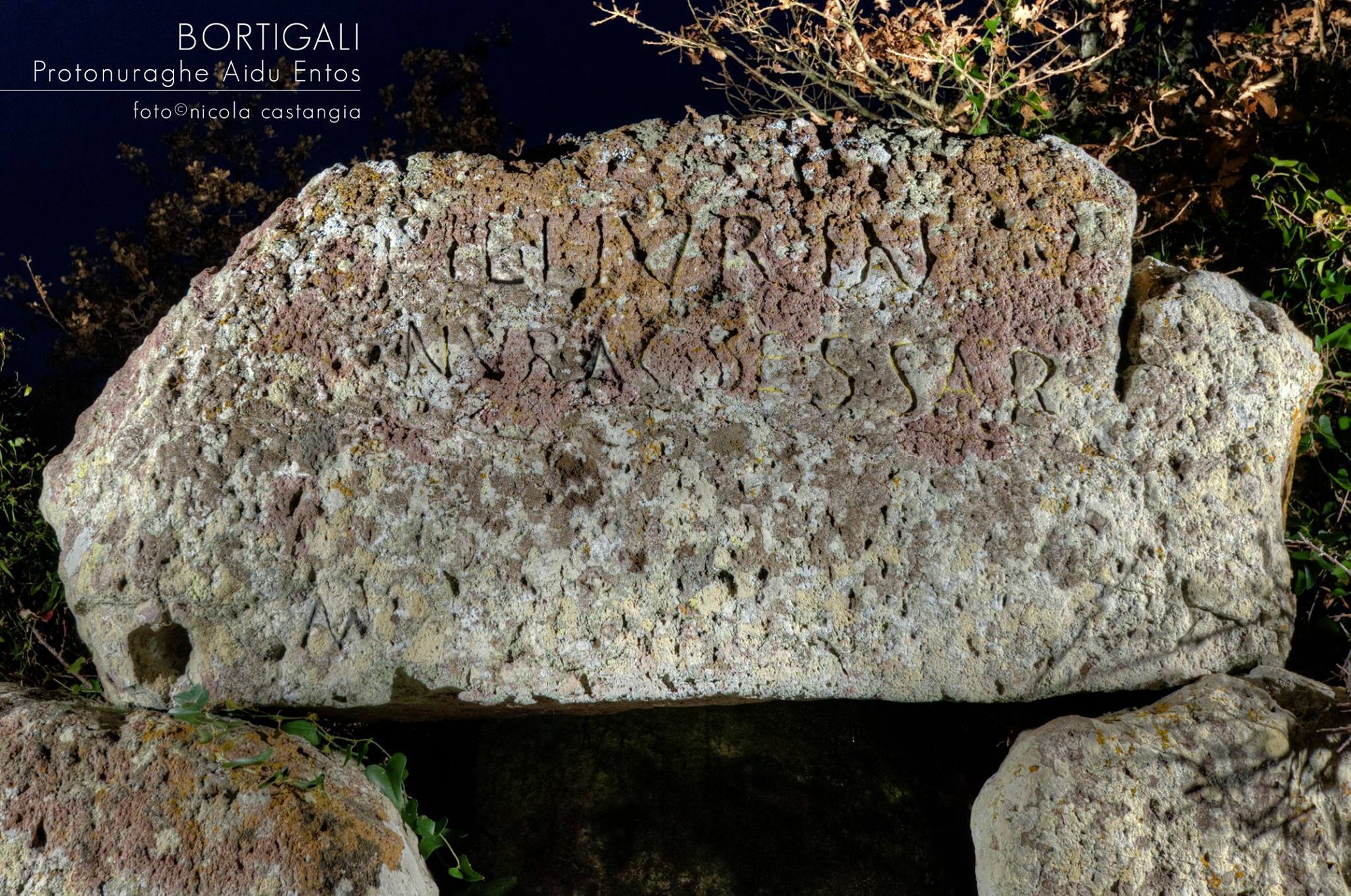
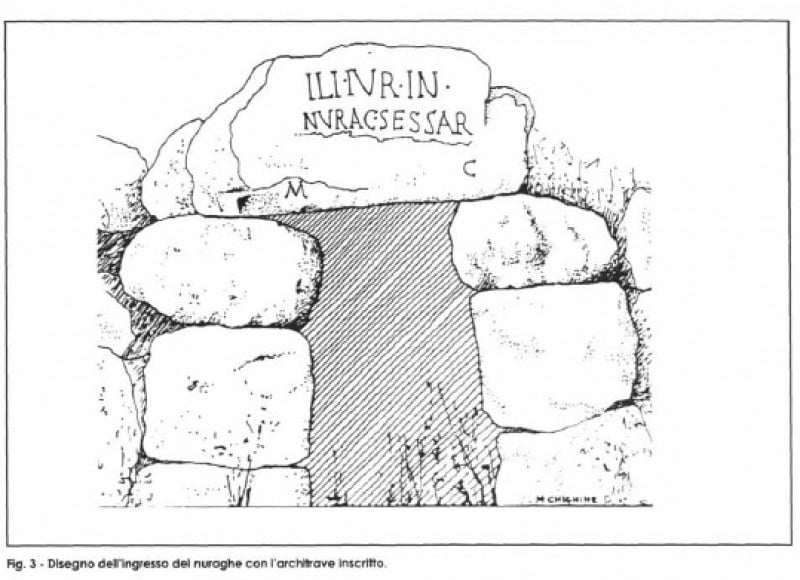
Finally, it is interesting to recall the inscription engraved on the lintel of the Aidu Entos nuraghe in Bortigali, which reads ‘ILI IVR IN NVRAC SESSAR M C’, which probably attested to the rights of the Ilienses of the Nurac Sessar. This is one of the oldest testimonies to the name given to Sardinian towers.
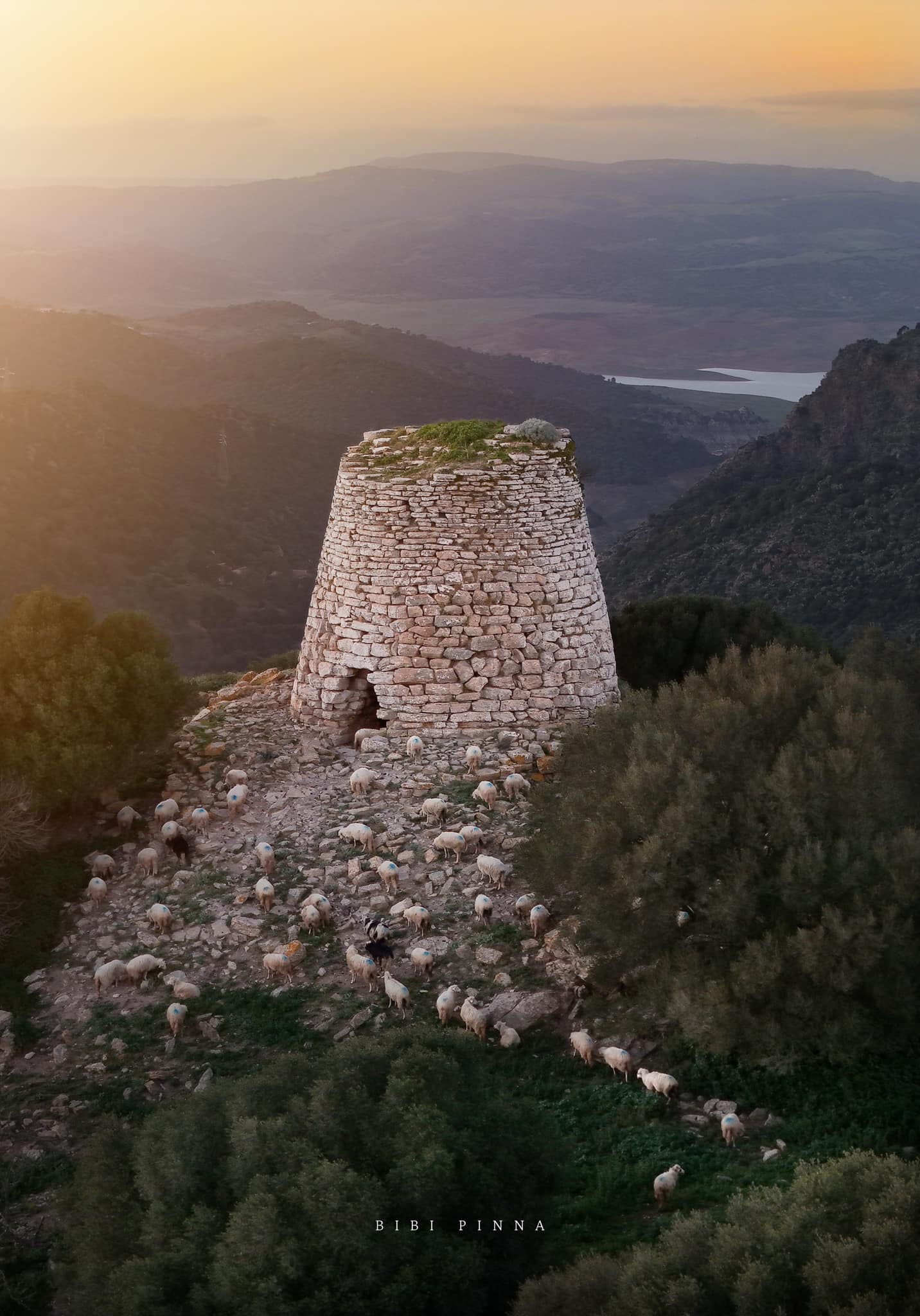
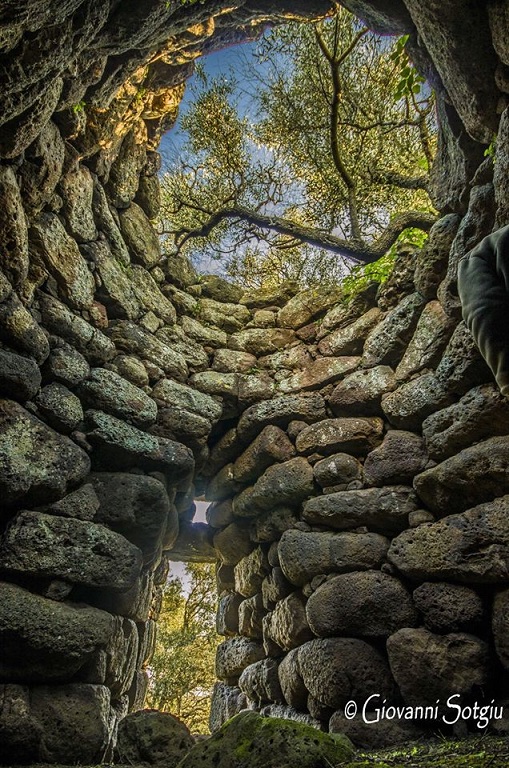
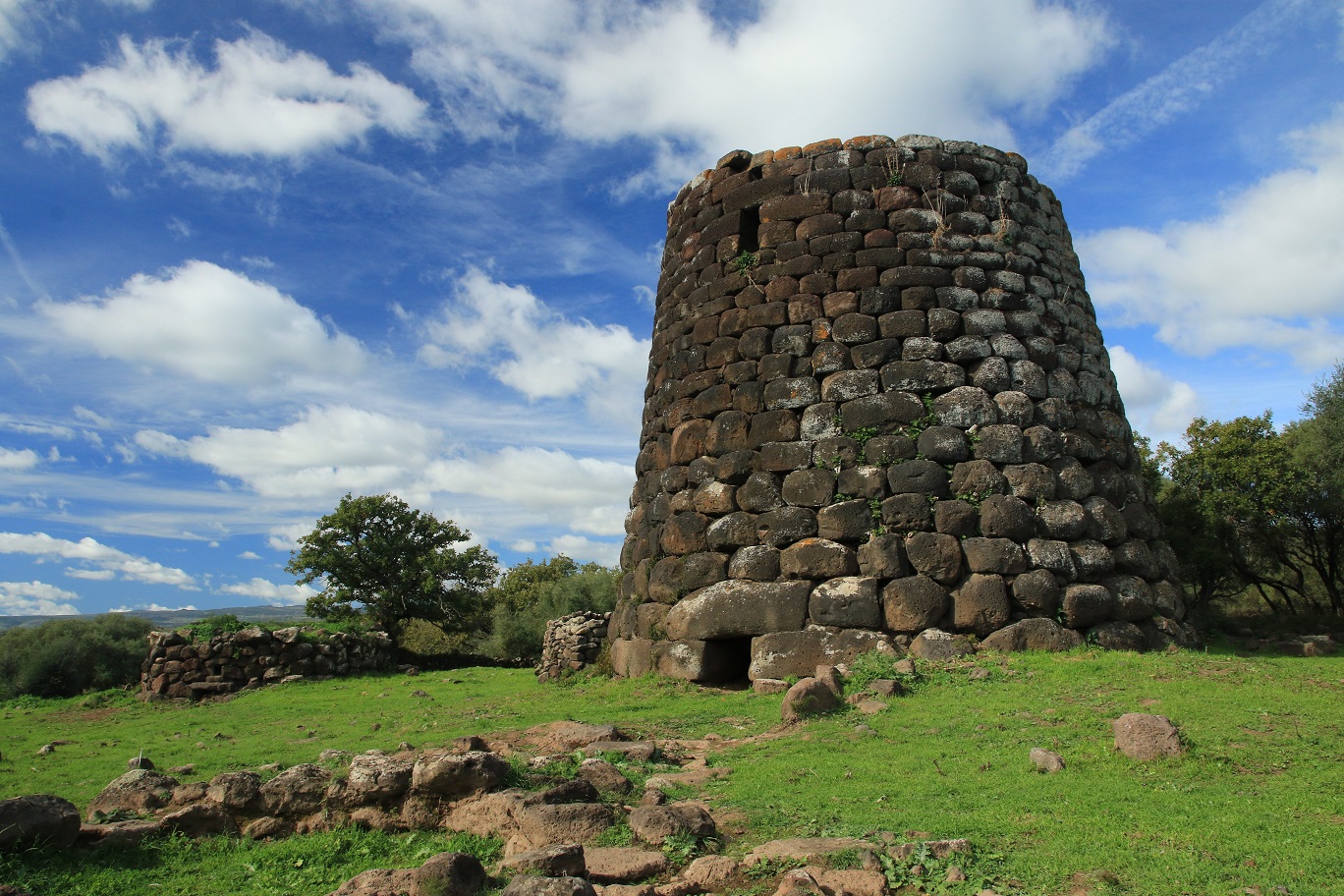
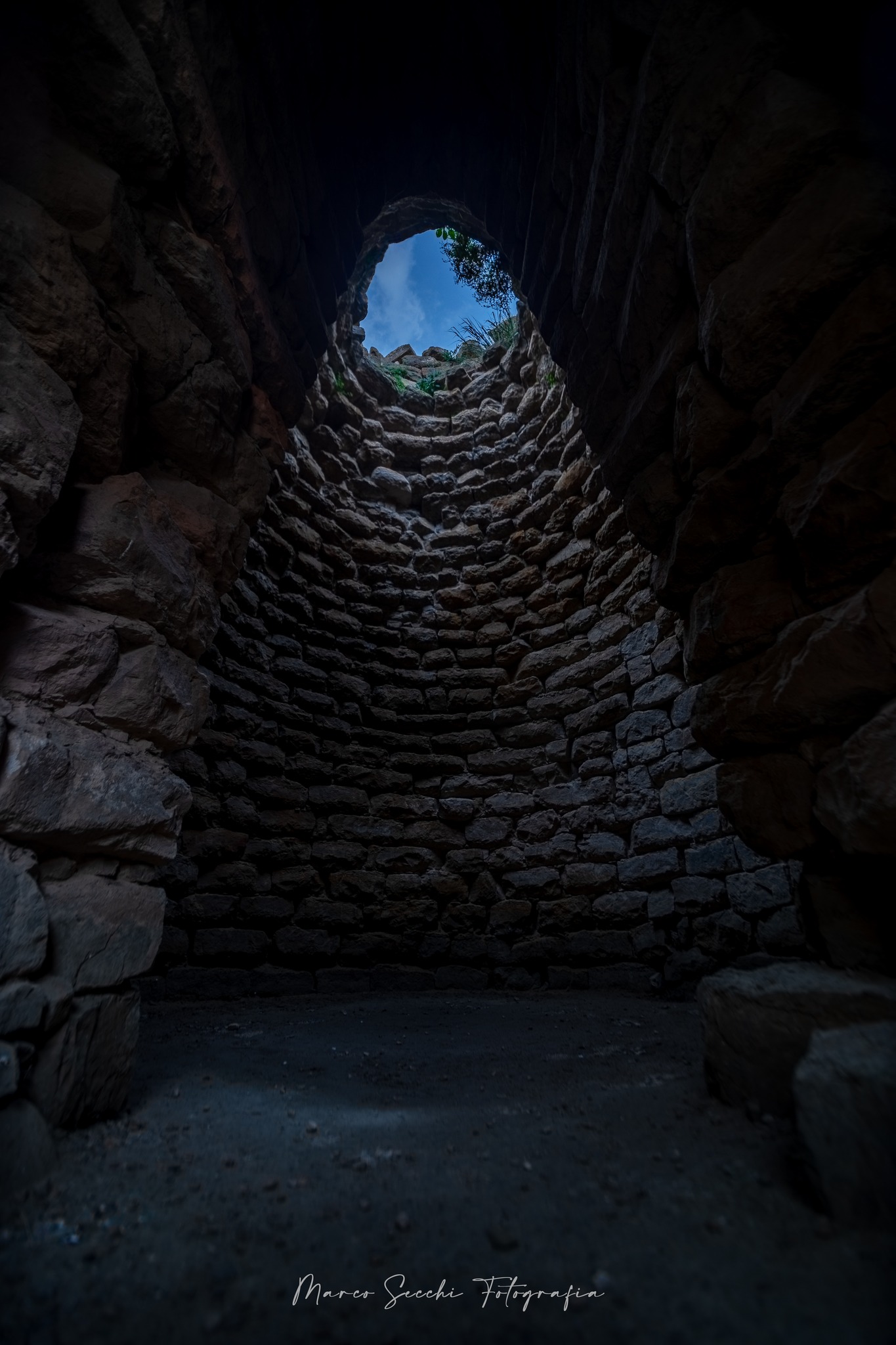
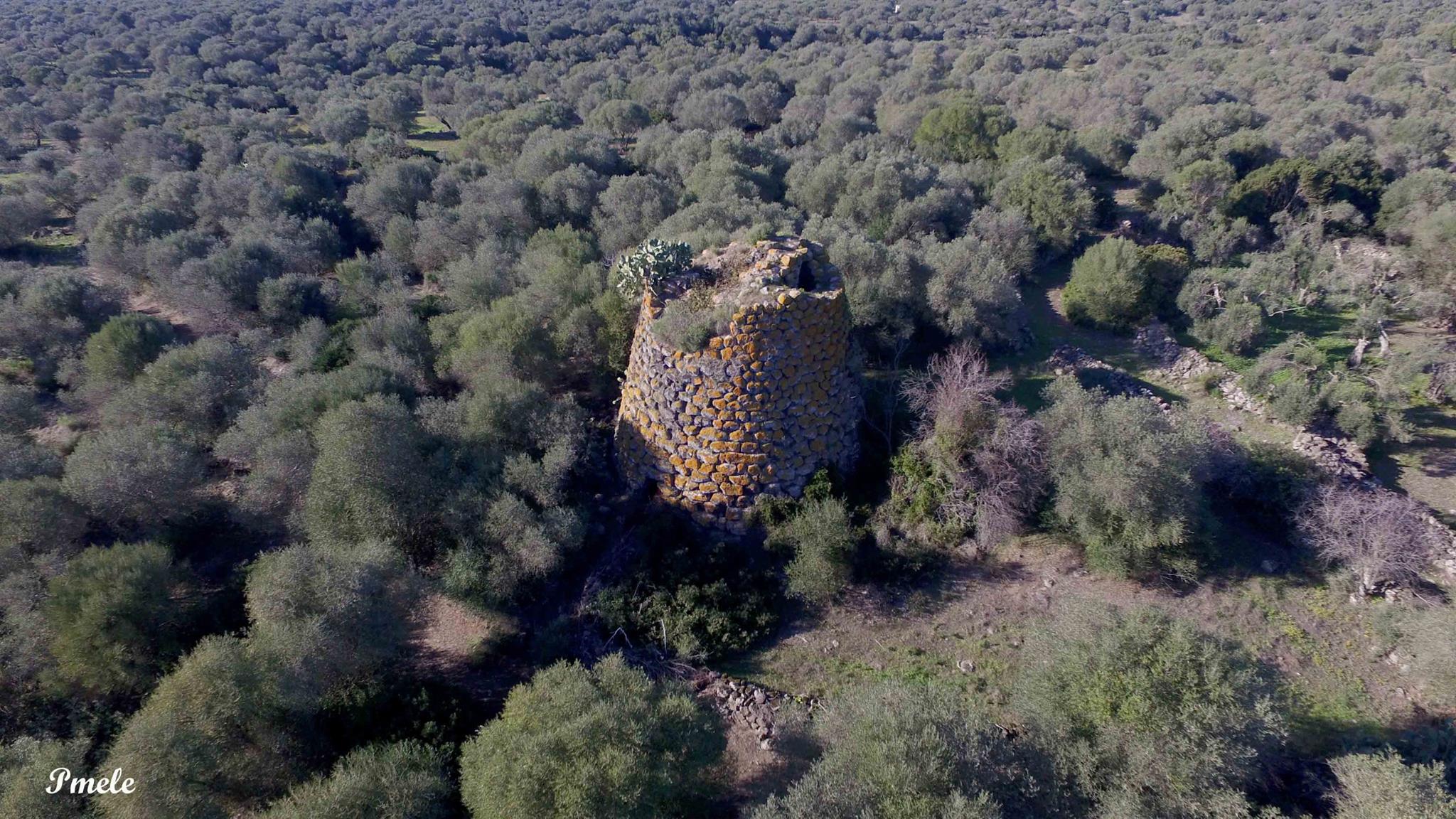
In the photos, the nuraghi: Goni di Goni (Bibi Pinna); Piriccu di Santulussurgiu (Giovanni Sotgiu); Ponte di Dualchi (Gianni Sirigu); Piscu di Suelli (Marco Secchi fotografia); Crabia di Bauladu (Pietrino Mele); Aidu Entos di Bortigali (Nicola Castangia).