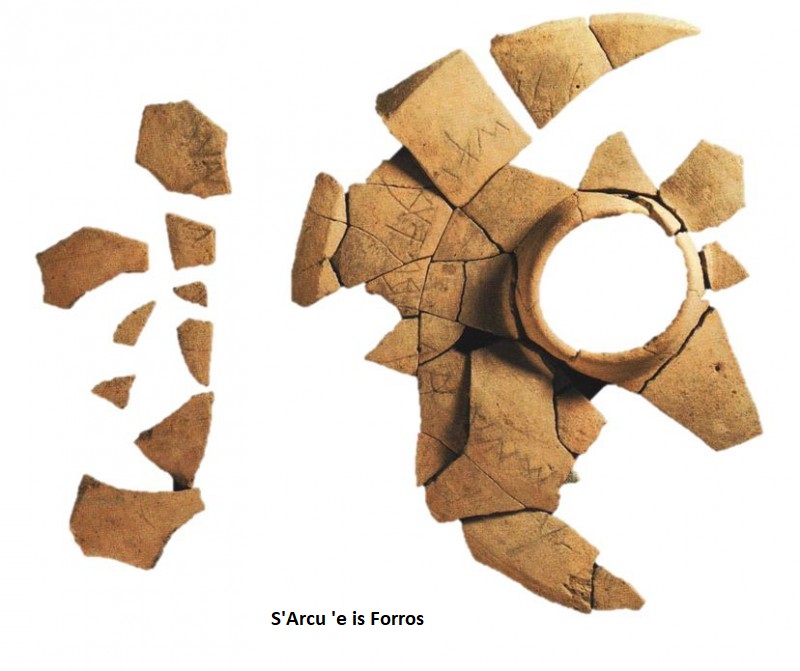
Professor Giovanni Garbini, on the discovery of an amphora with ‘Philistine and Phoenician’ inscriptions found at the site of S’Arcu ‘e is Forros di Villagrande Strisaili, stated
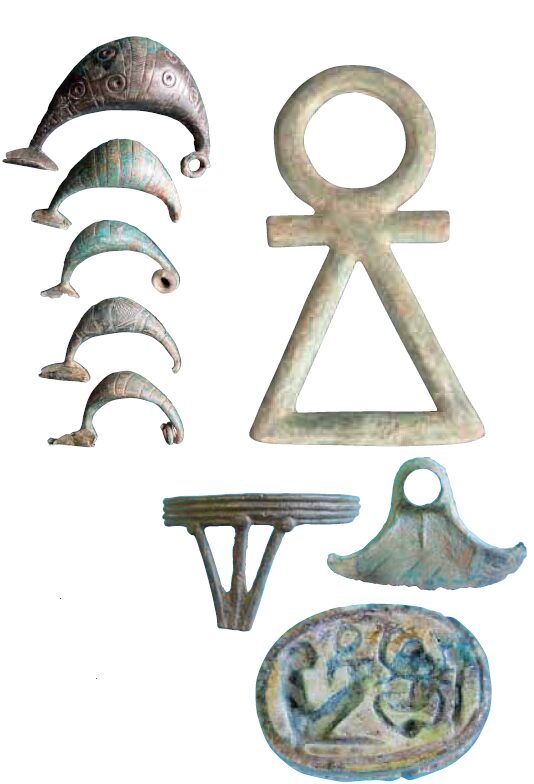
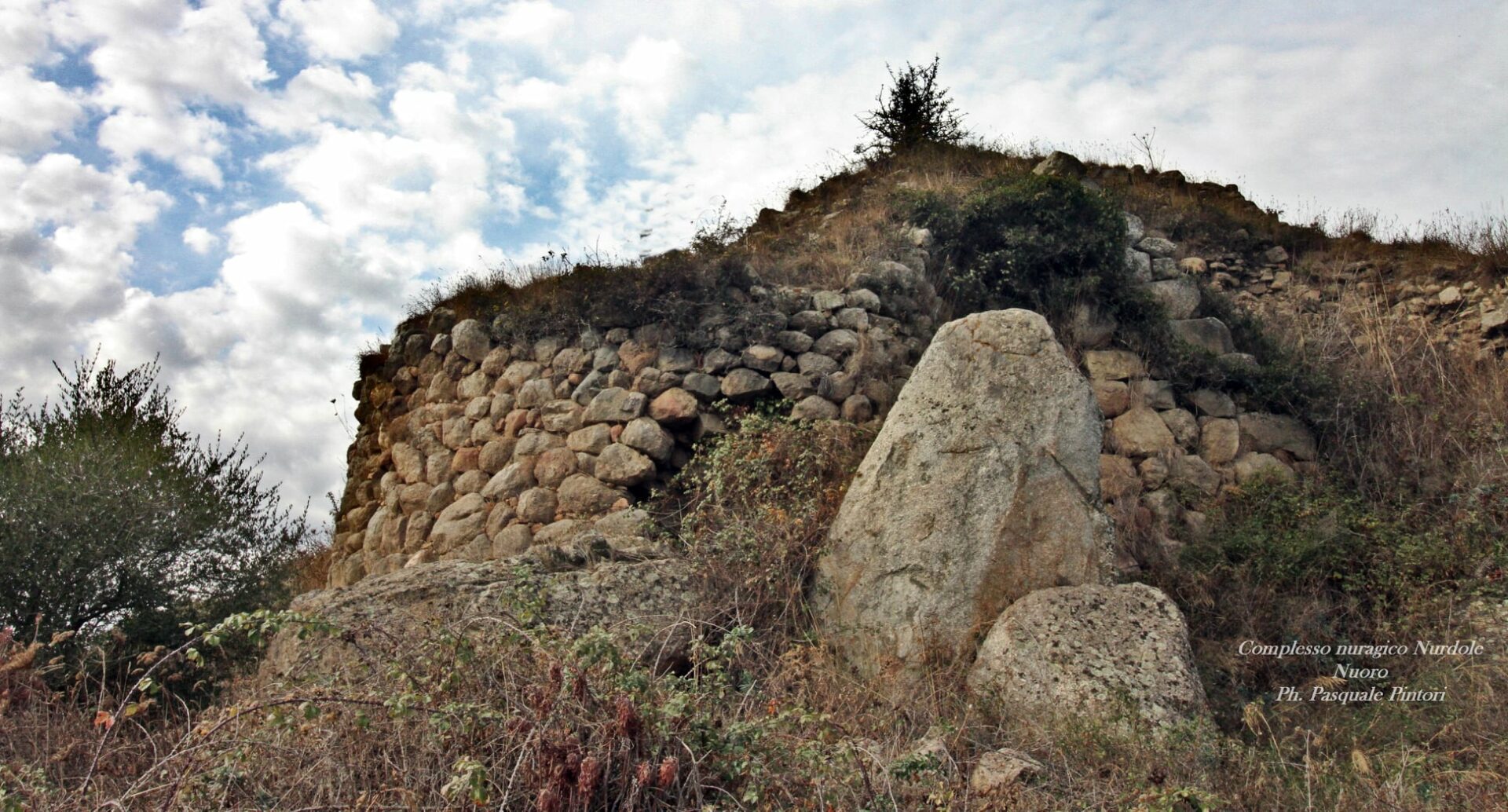
“the exceptional importance of the inscription, also constituted by the archaeological context (12th-7th centuries BC), which not only provides a precise dating, but also offers a general picture of an oriental presence in inland Sardinia that was not sporadic and probably continuous, as can be deduced from the presence of an Egyptian scarab and the so-called ‘sign of Tanit’, a Phoenician symbol that therefore proves to be much older than previously believed. The combined archaeological and epigraphic data from S’Arcu ‘e is Forros sheds new light on several other sites in Sardinia, such as Sant’Imbenia, near Alghero, and the Nurdòle nuraghe in the Nuoro area, which present similar contexts. Thus, a rather unexpected historical and cultural picture of Sardinia is emerging, with a Levantine presence spread throughout the island since the 13th century BC and particularly interested in metal research and working. The Phoenician colonists who settled on the south-western coast had been preceded by other Phoenicians who had joined the Philistines and who, like the latter, lived in nuraghi alongside the local population…’.
Source: ‘Archeologia Viva’ – September/October 2012.
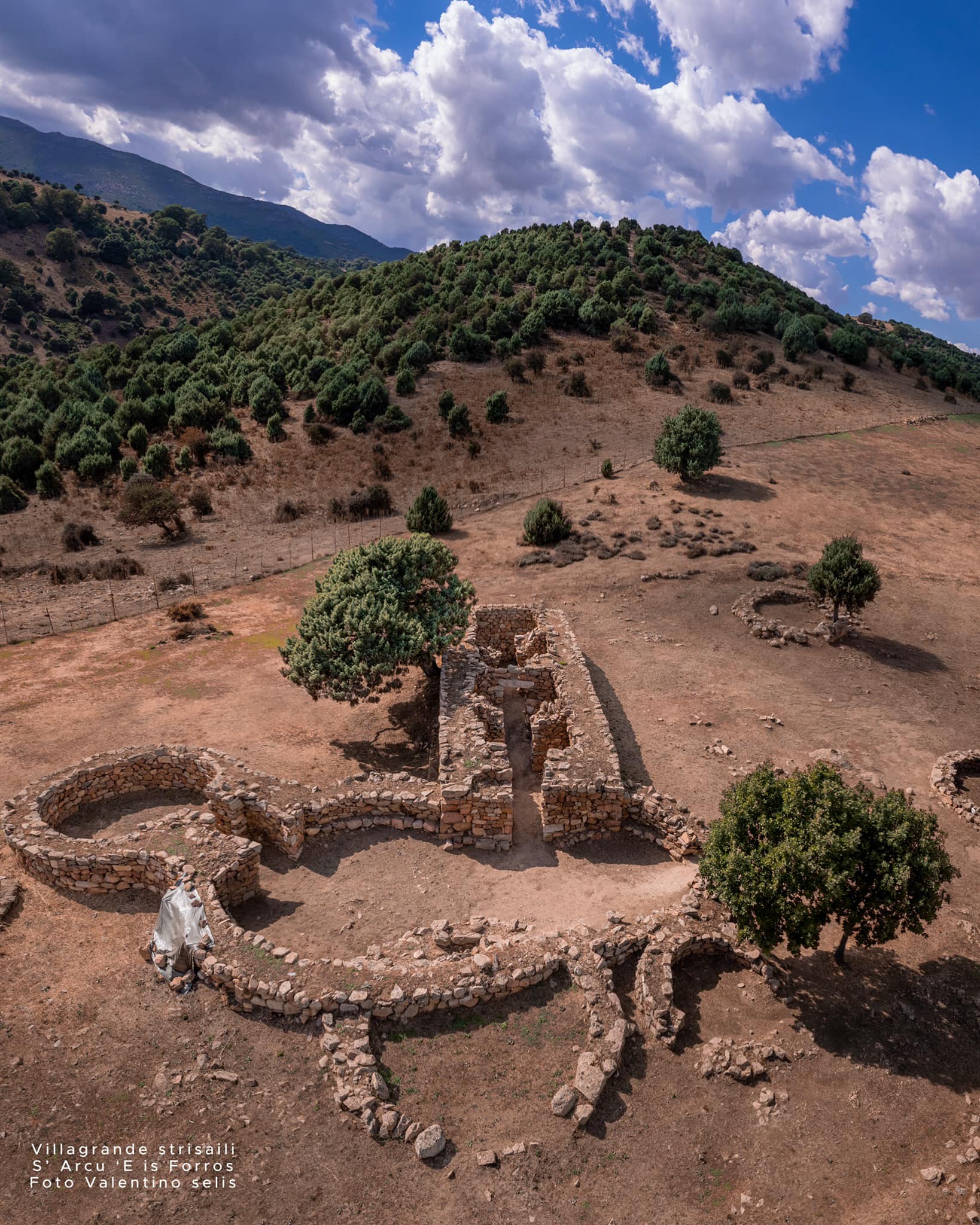
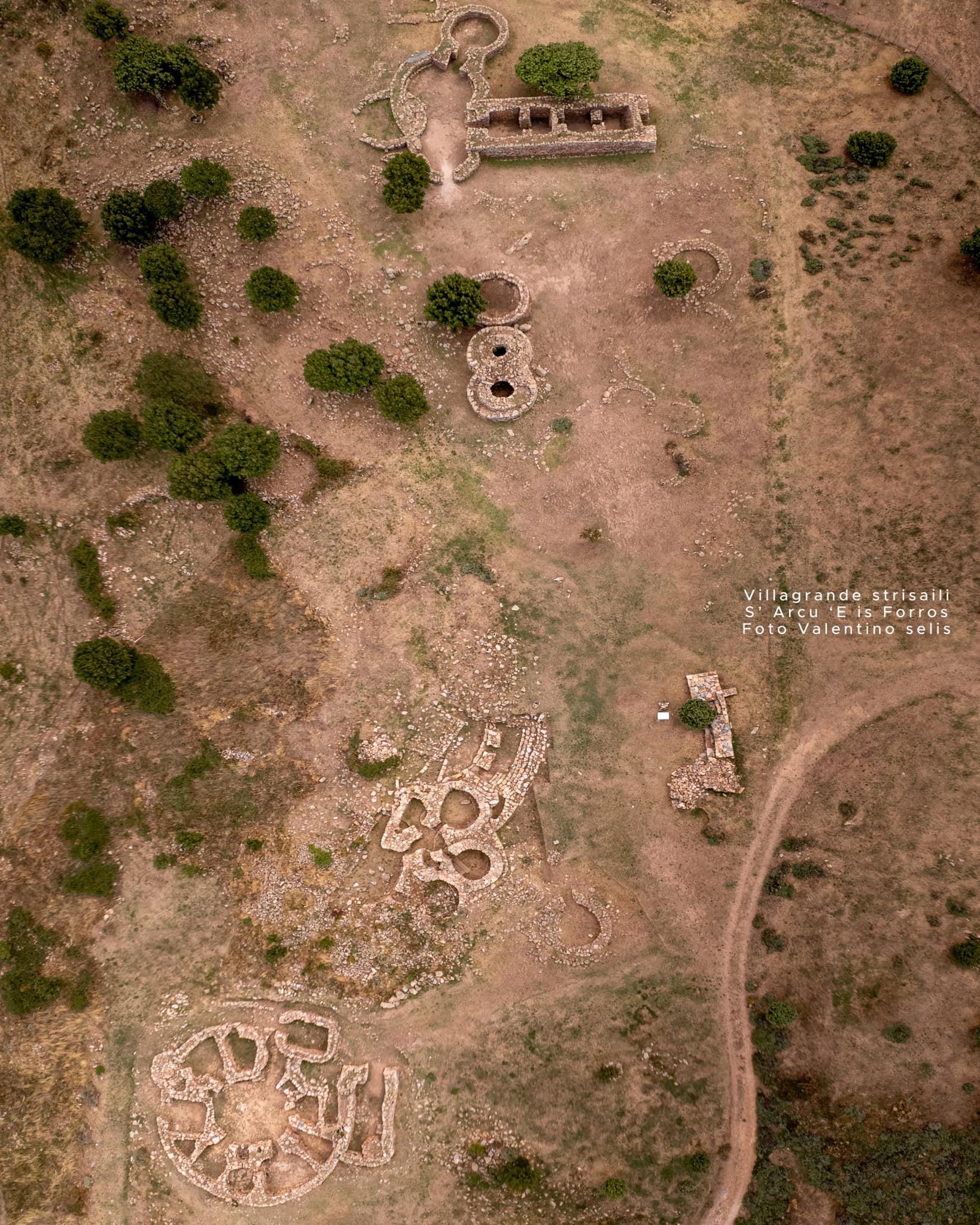
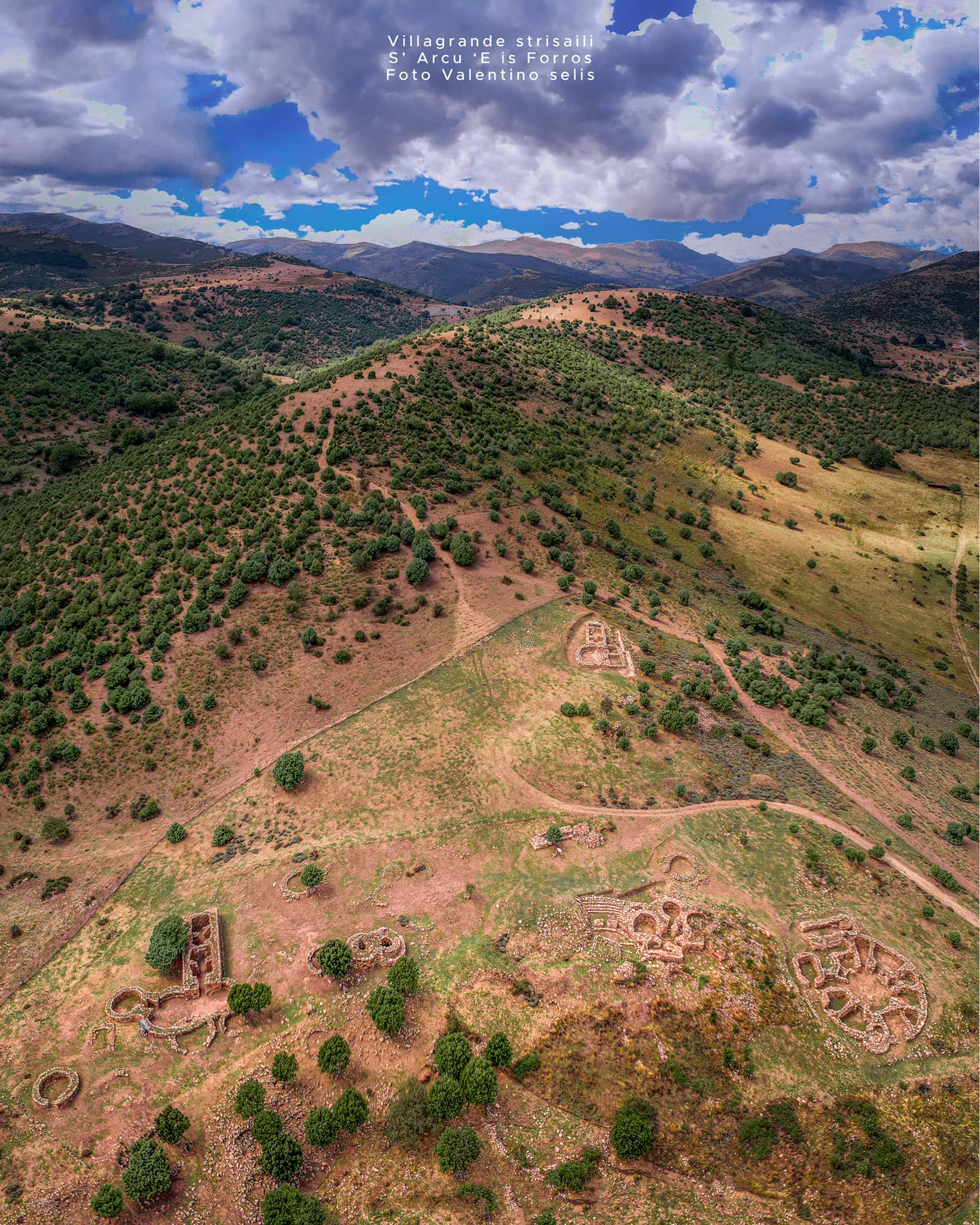
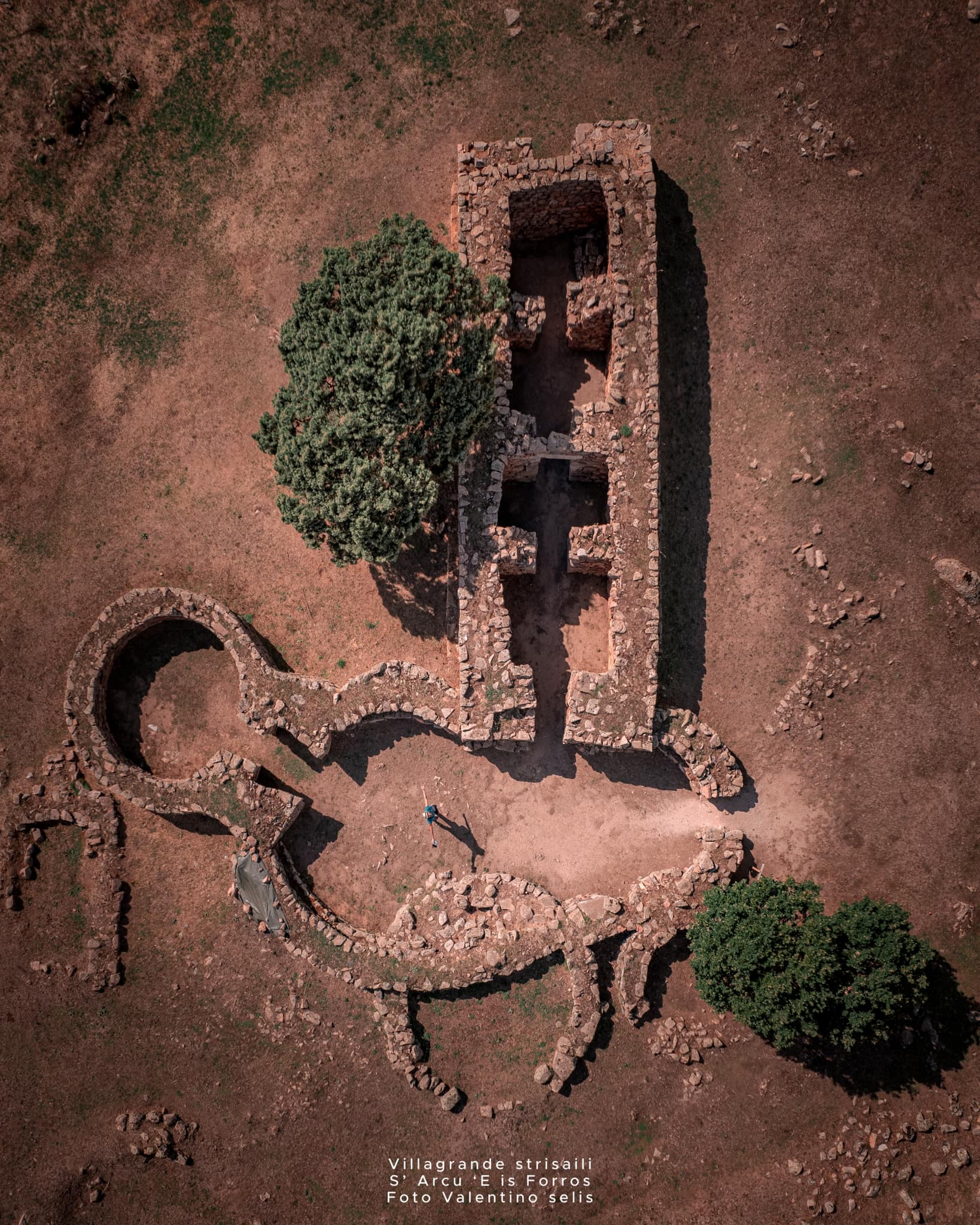
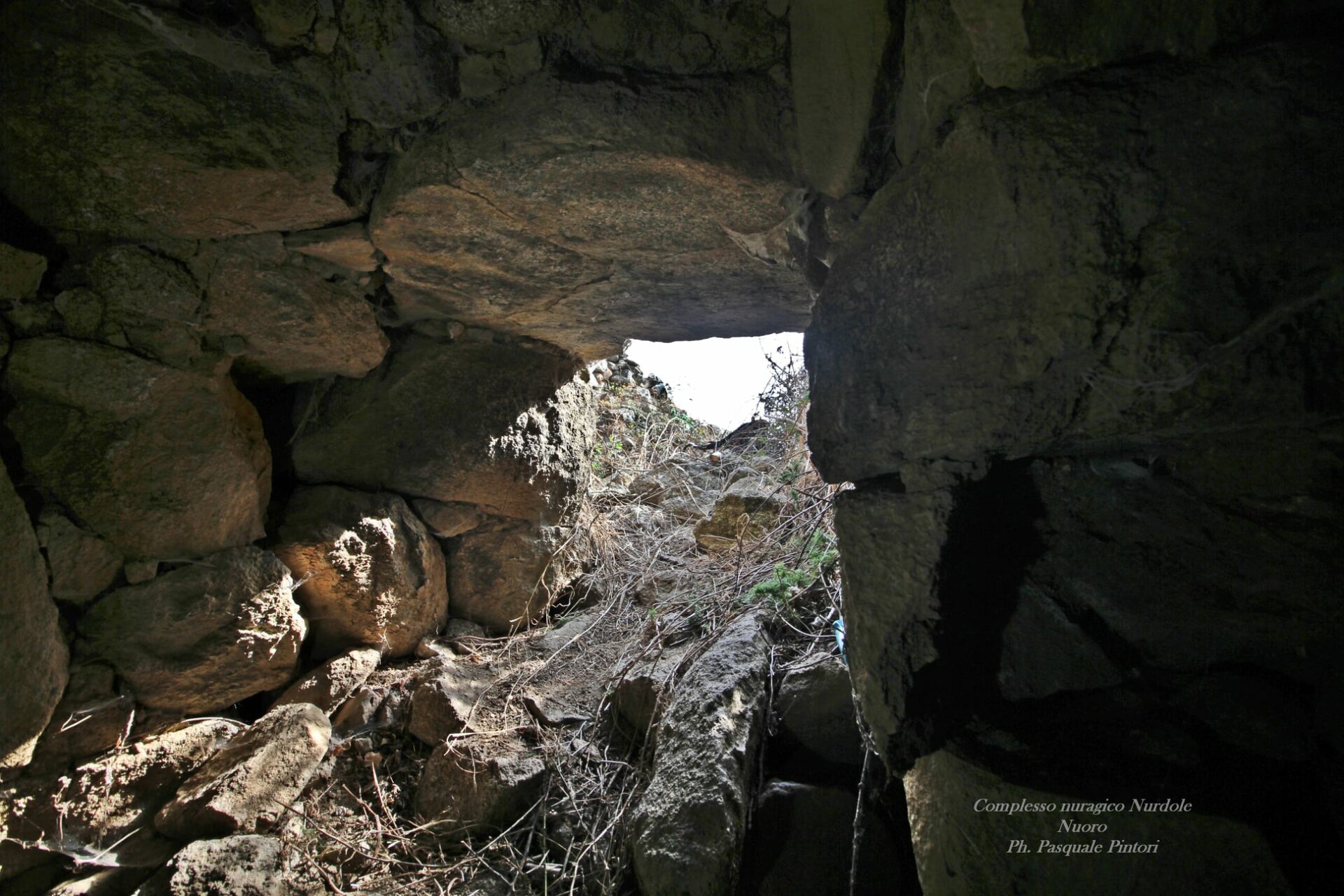
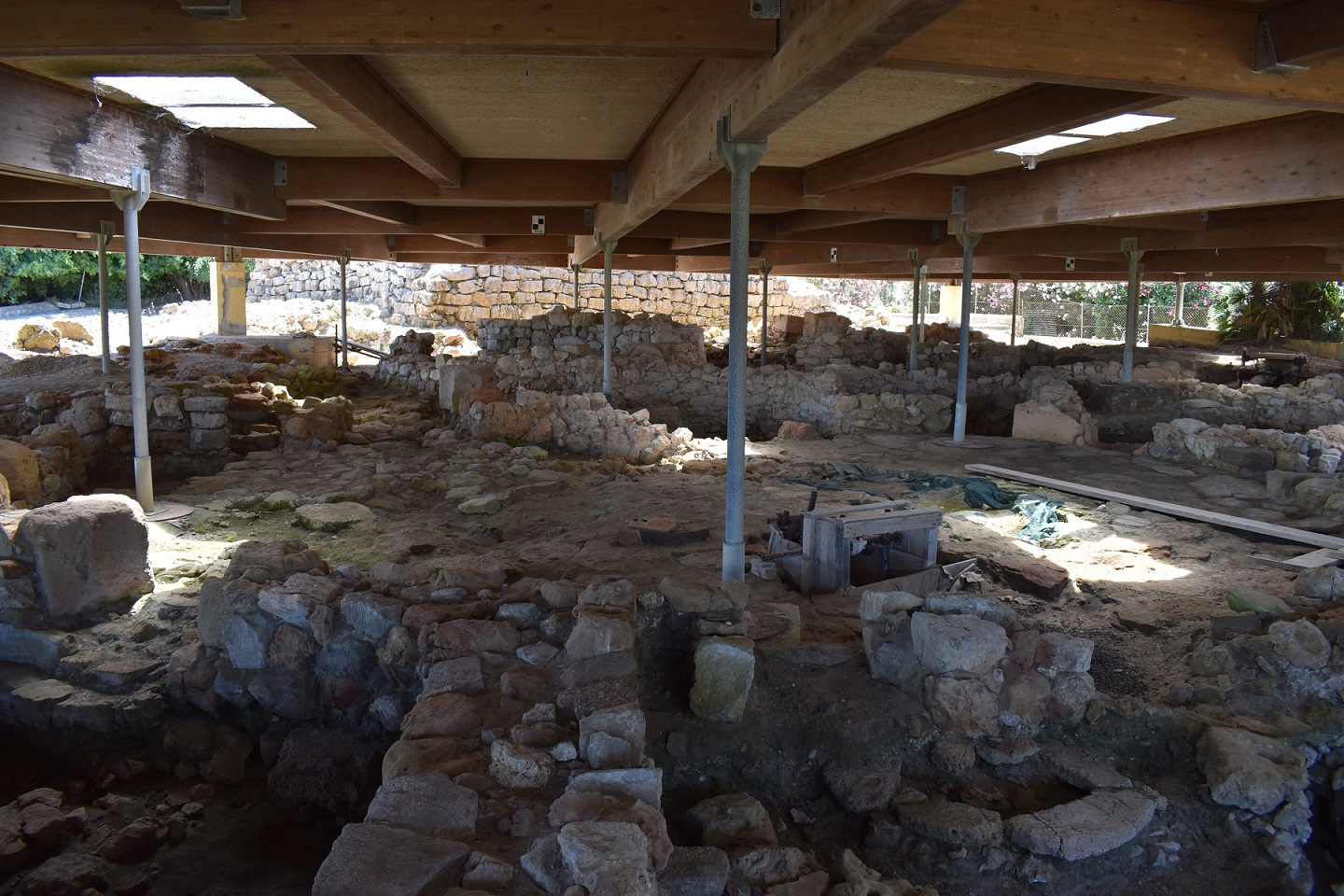
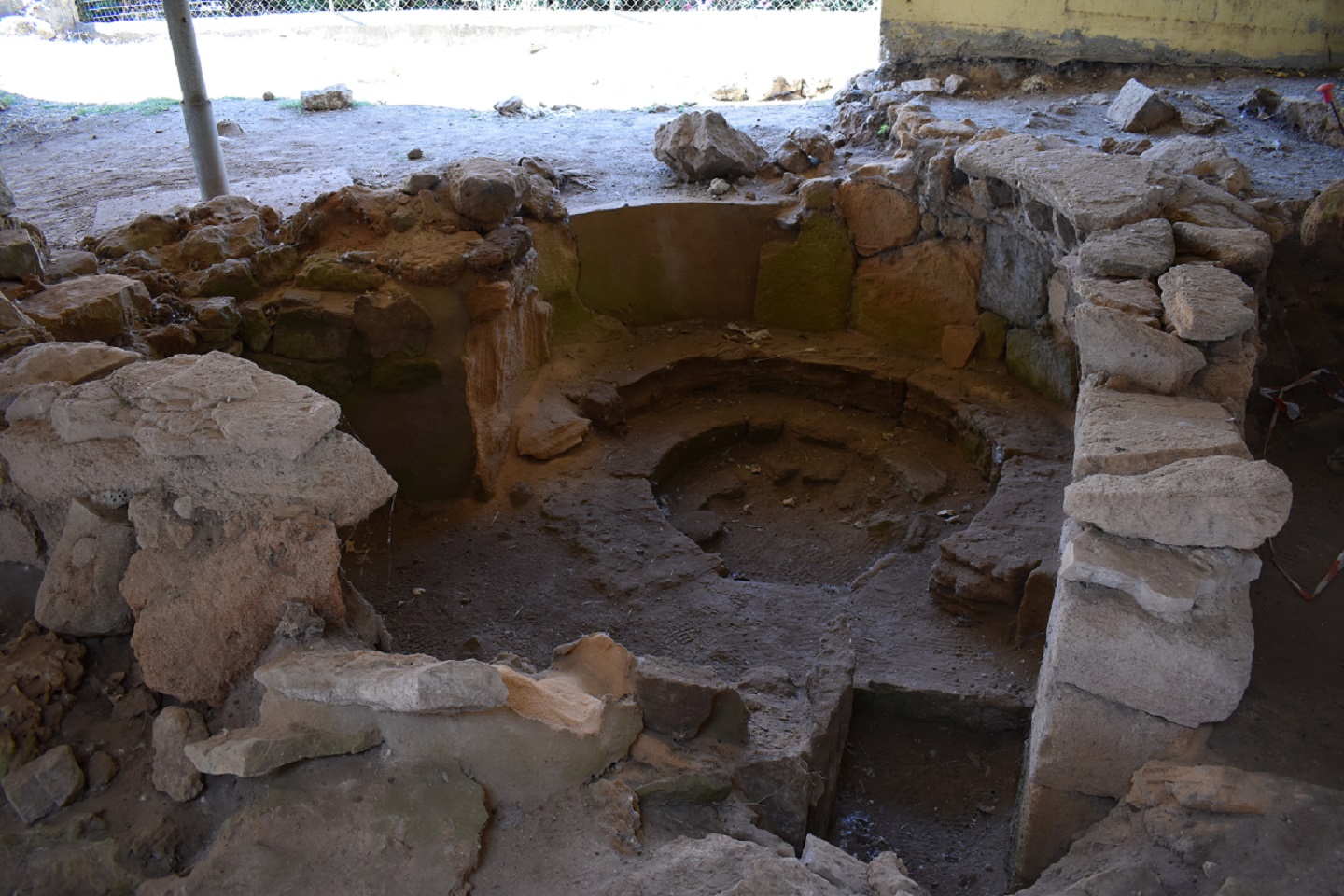
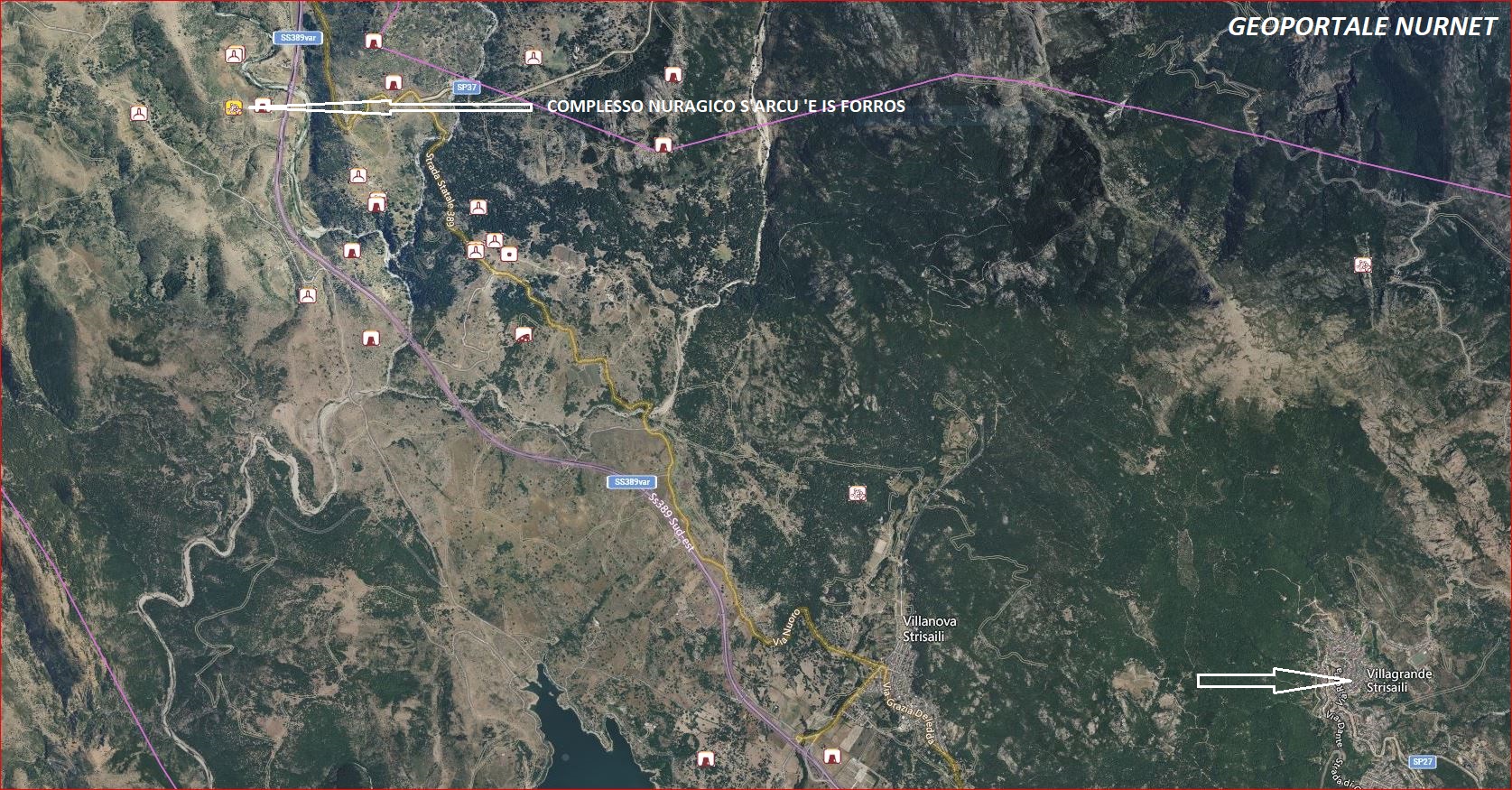
In photos: the site of S’Arcu ‘e is Forros at Villagrande Strisaili (ph. Valentino Selis); images of the ‘Canaanite’ amphora and some objects, including the bronze symbol of Tanit and the ‘Egyptising scarab’ mentioned by Professor Garbini; the nuragic complexes of Nurdole in Nuoro (ph. Pasquale Pintori) and Santr’Imbenia in Alghero (ph. Marco Cocco).