Professor Massimo Pittau, in his book ‘I Sardi Nuragici e la scrittura’ (The Sardinian Nuragics and Writing), stated, among other things: ‘I have written – without ever being challenged – that the Sardinians continued to build nuraghi even in Roman times, as demonstrated by the fact that in all the nuraghi that have been scientifically excavated and explored, numerous artefacts have been found from the Roman era; and even after the birth of Christ, until the arrival of Christianity in Sardinia, as Christian artefacts from the Byzantine era (e.g. astylar crosses and also Christian oil lamps together with thousands of Nuragic, Punic and Roman oil lamps, found in the nuraghe “Lugherras” = ‘oil lamps’ in Paulilatino) still demonstrate. astylar crosses and also Christian oil-lamps together with the thousands of Nuragic, Punic and Roman oil-lamps found in the nuraghe ‘Lugherras’= ‘oil-lamps’ in Paulilatino) and as demonstrated by around 300 nuraghi dedicated to the names of as many Christian saints…’
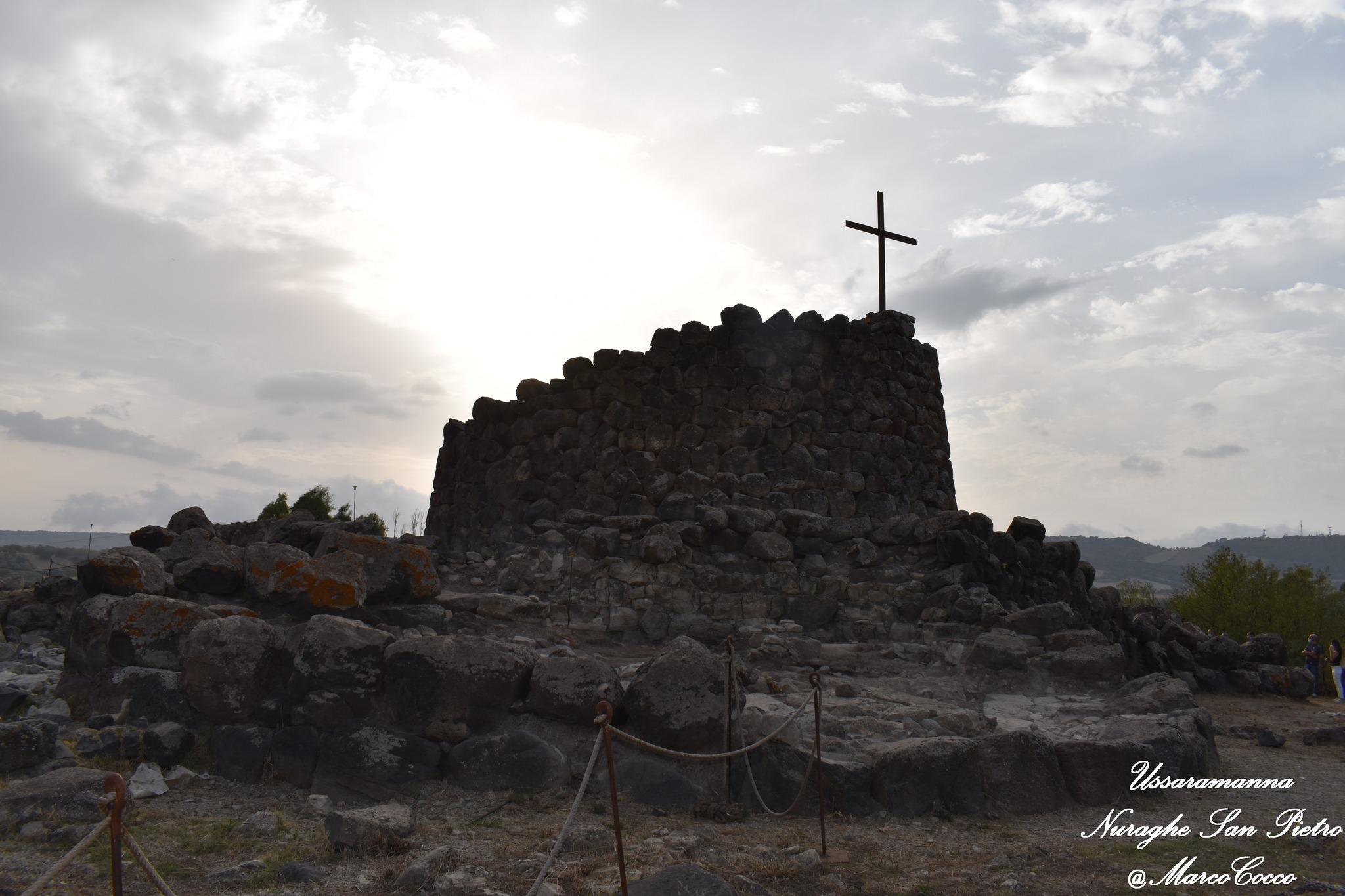
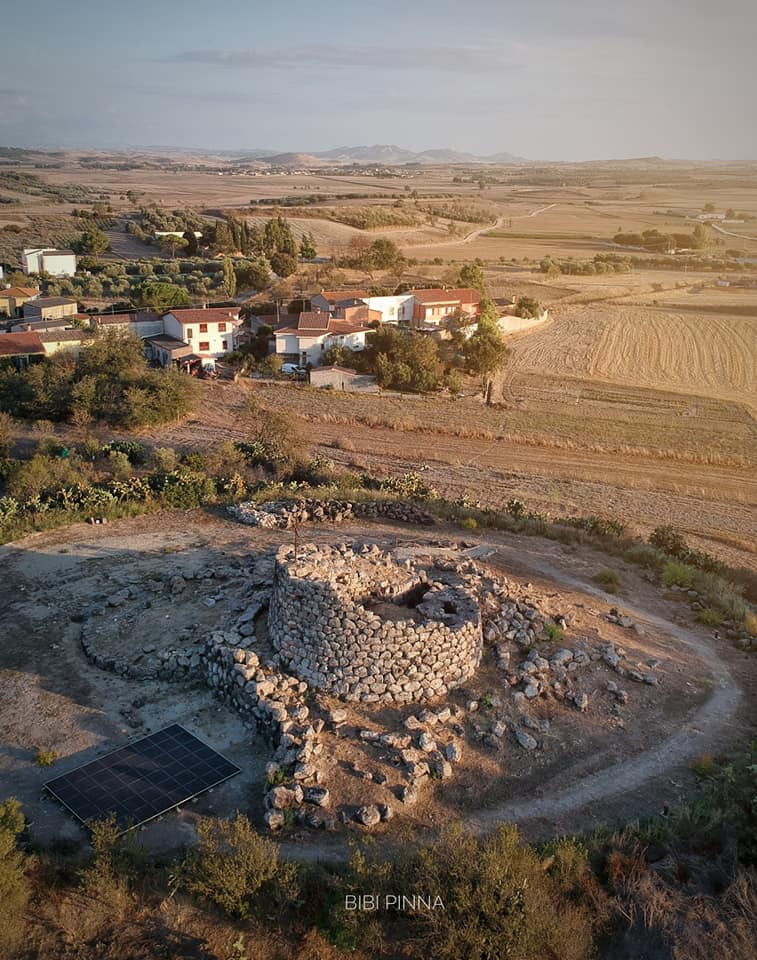
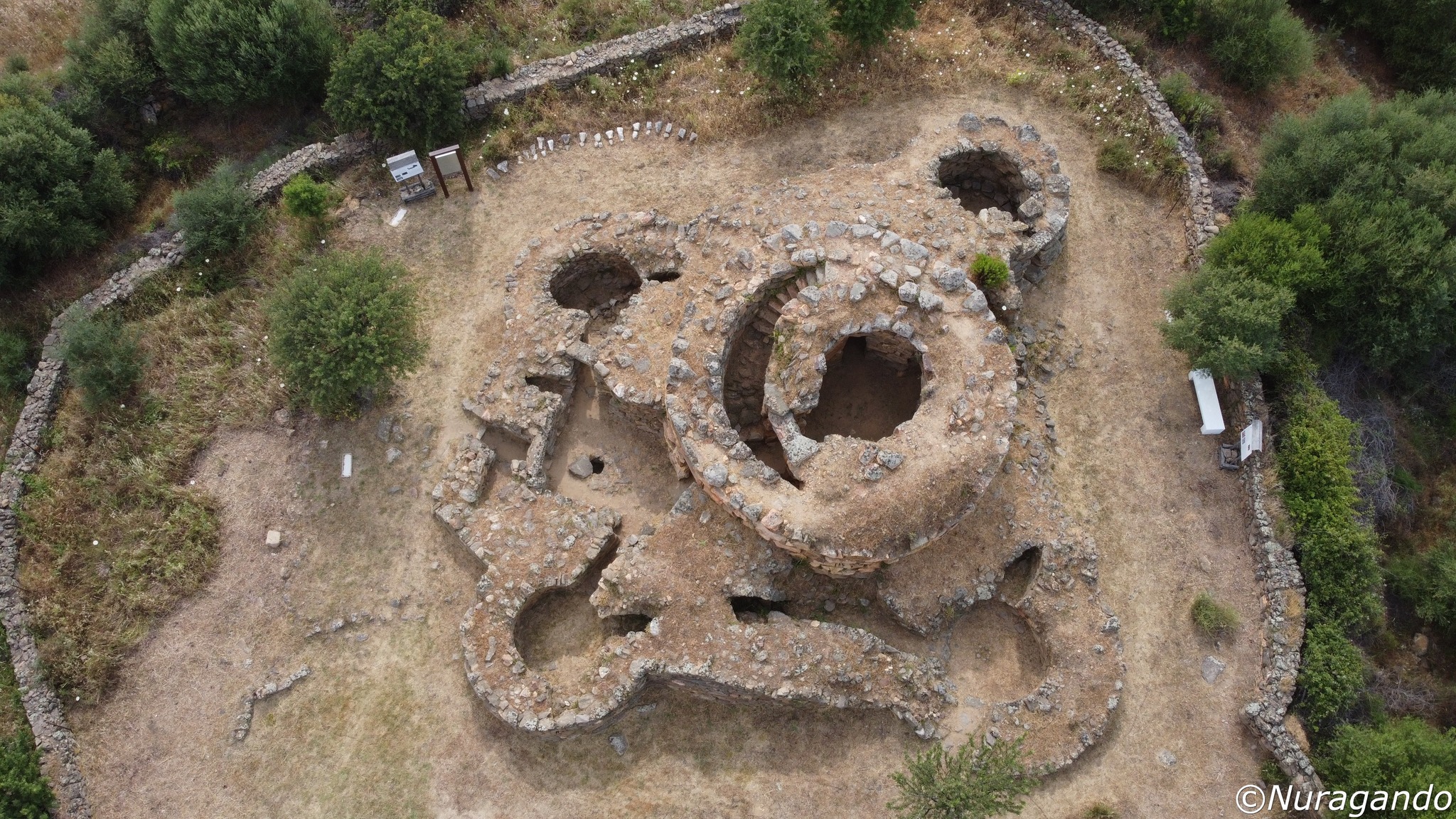
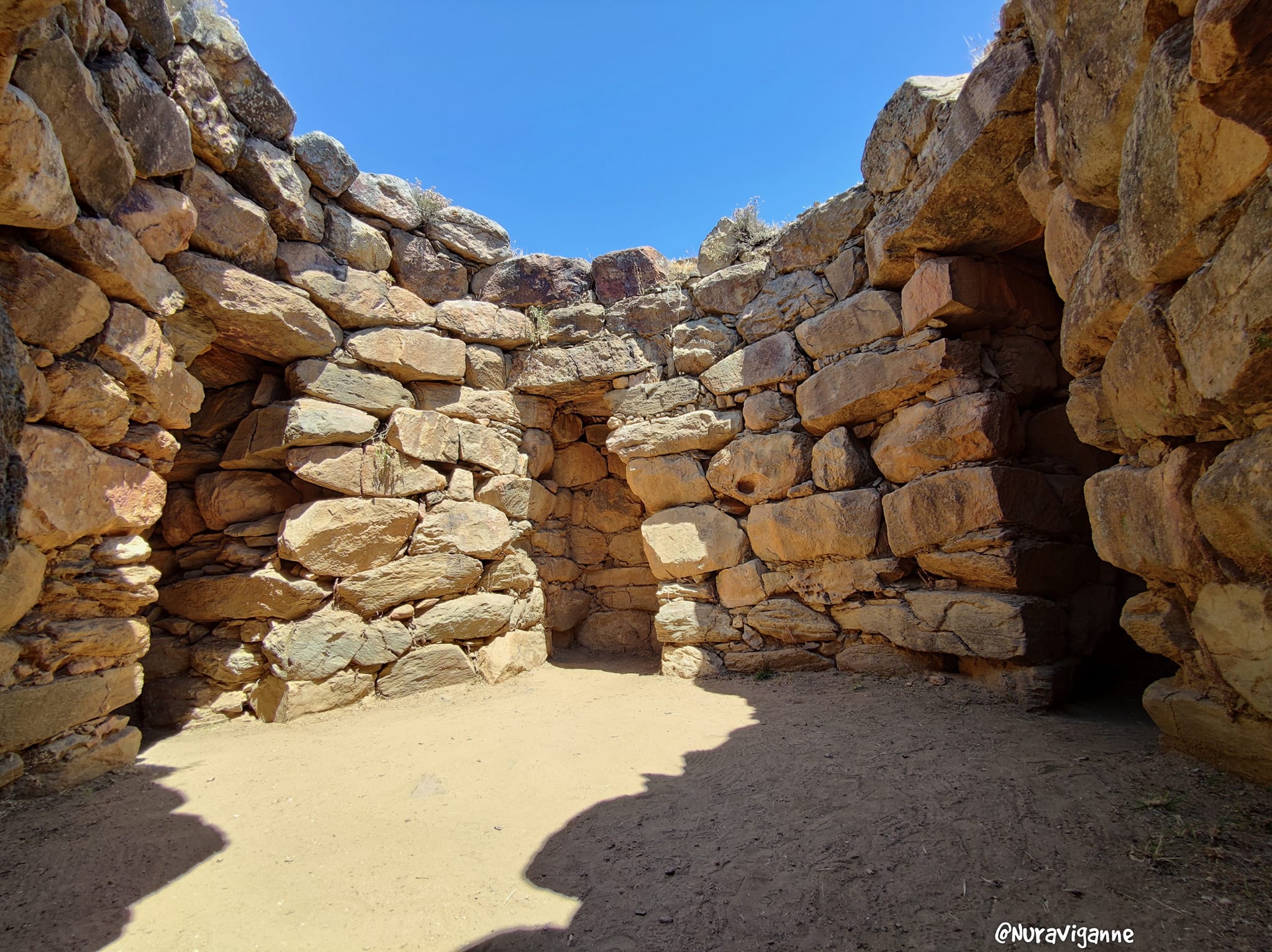
Among the many saints who have given names to nuraghi, St Peter is certainly one of the most ‘popular’. Nuraghi with this name are found in particular in Ussaramanna, Torpè, Castiadas, Gergei, Onani, Nughedu san Nicolò, Iglesias, Bonnanaro, Perdasdefogu, Chiaramonti, Assolo, Ozieri, Samatzai and Sennori.
Some show precarious structures or are reduced to the bare minimum, while others still present a valuable state of conservation that proves their architectural and construction quality. g.v.
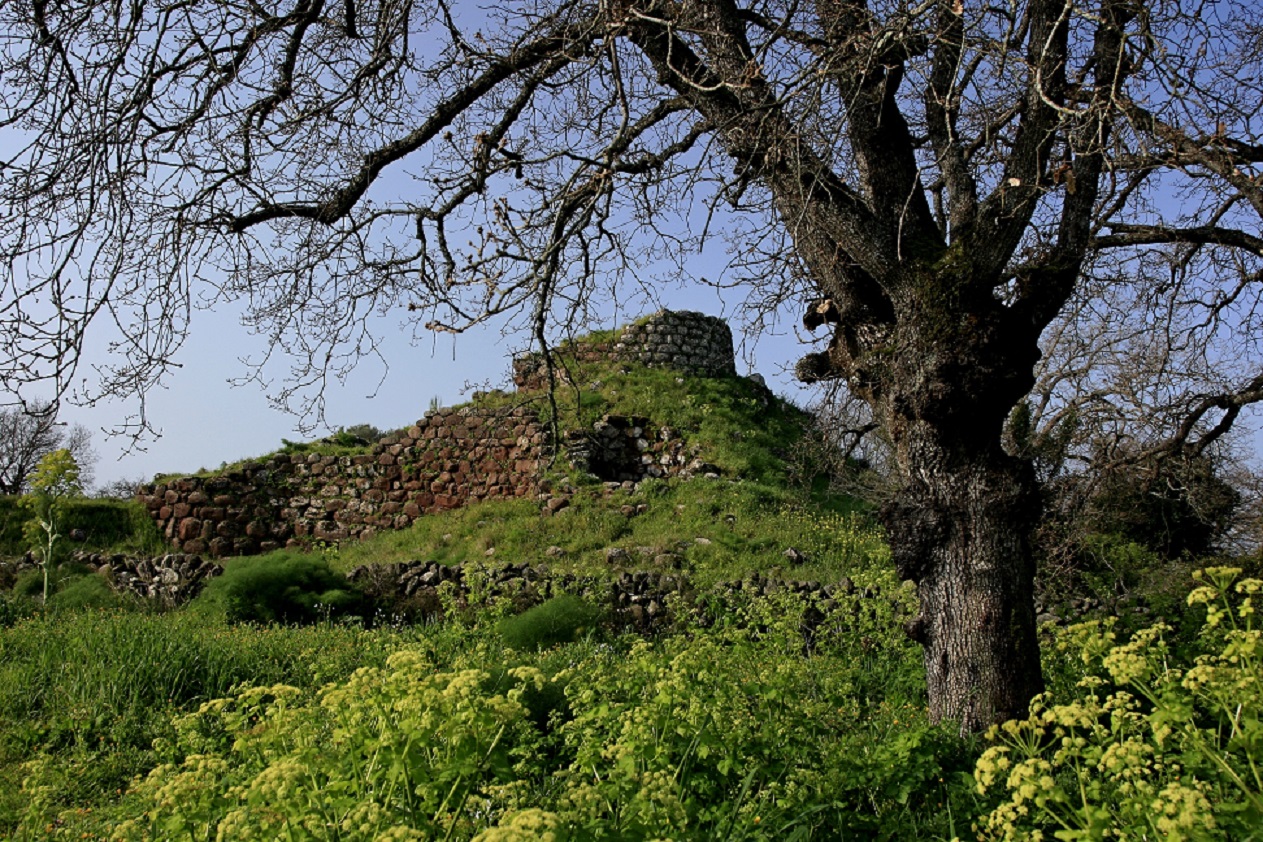
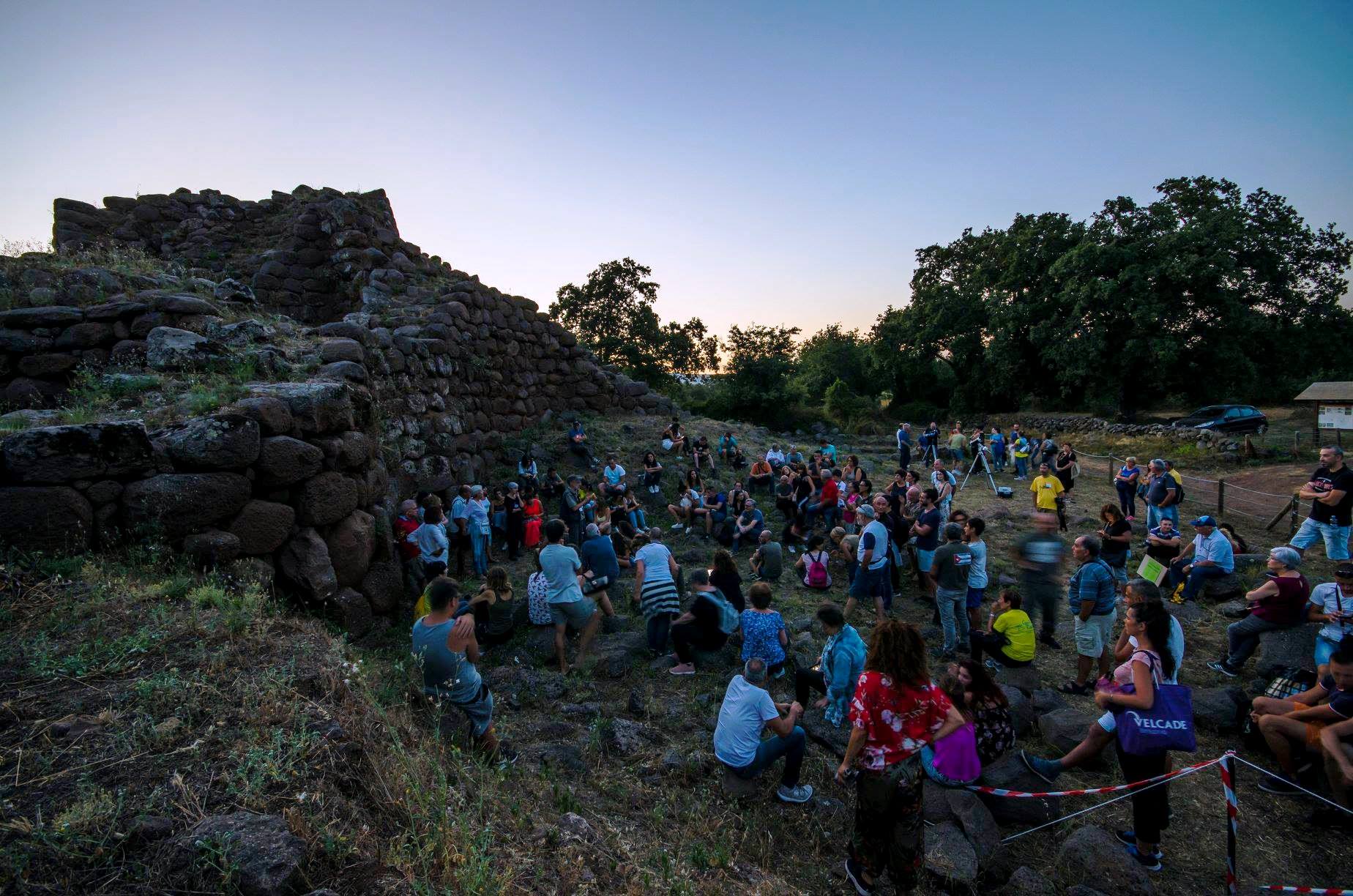
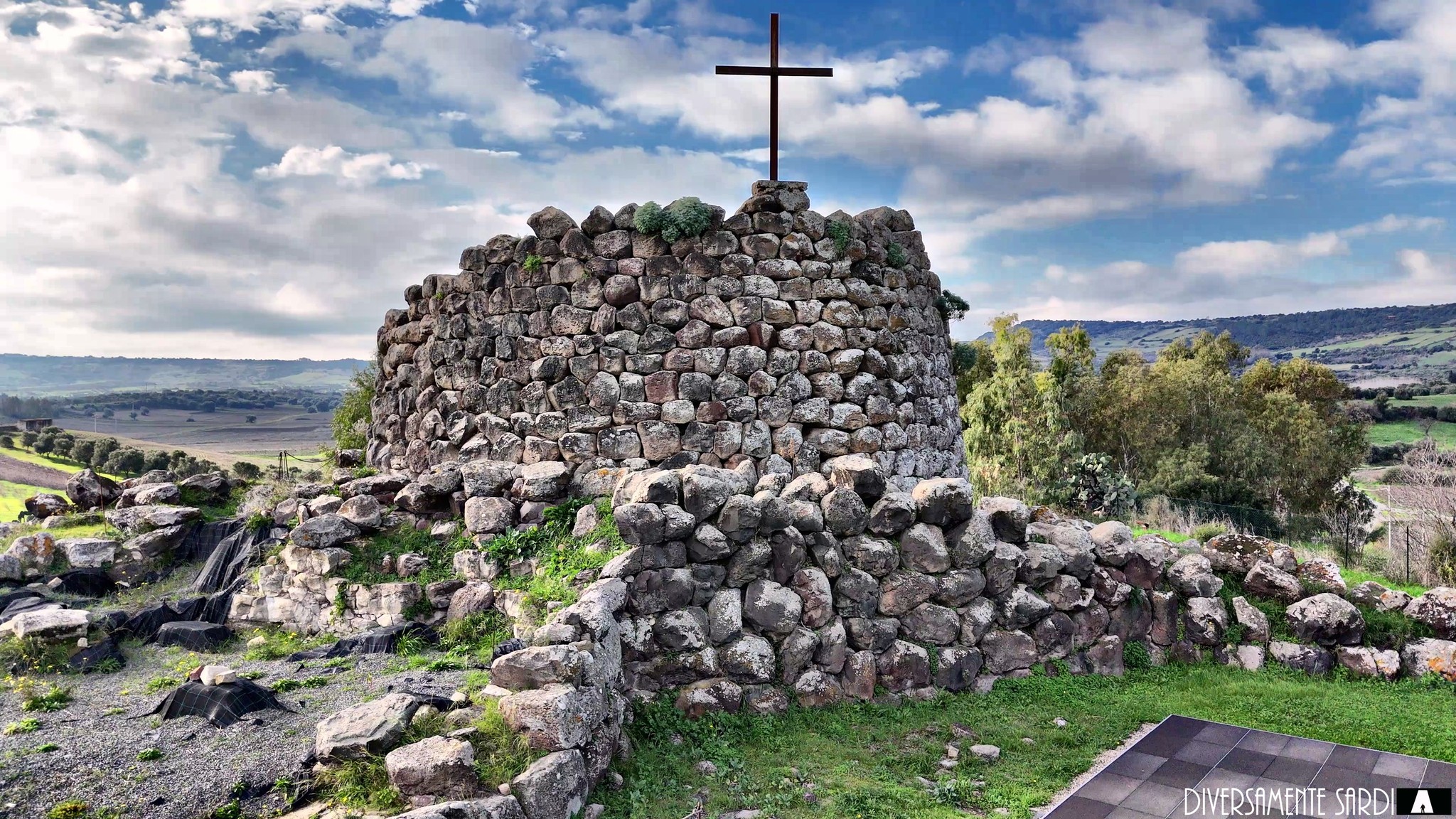
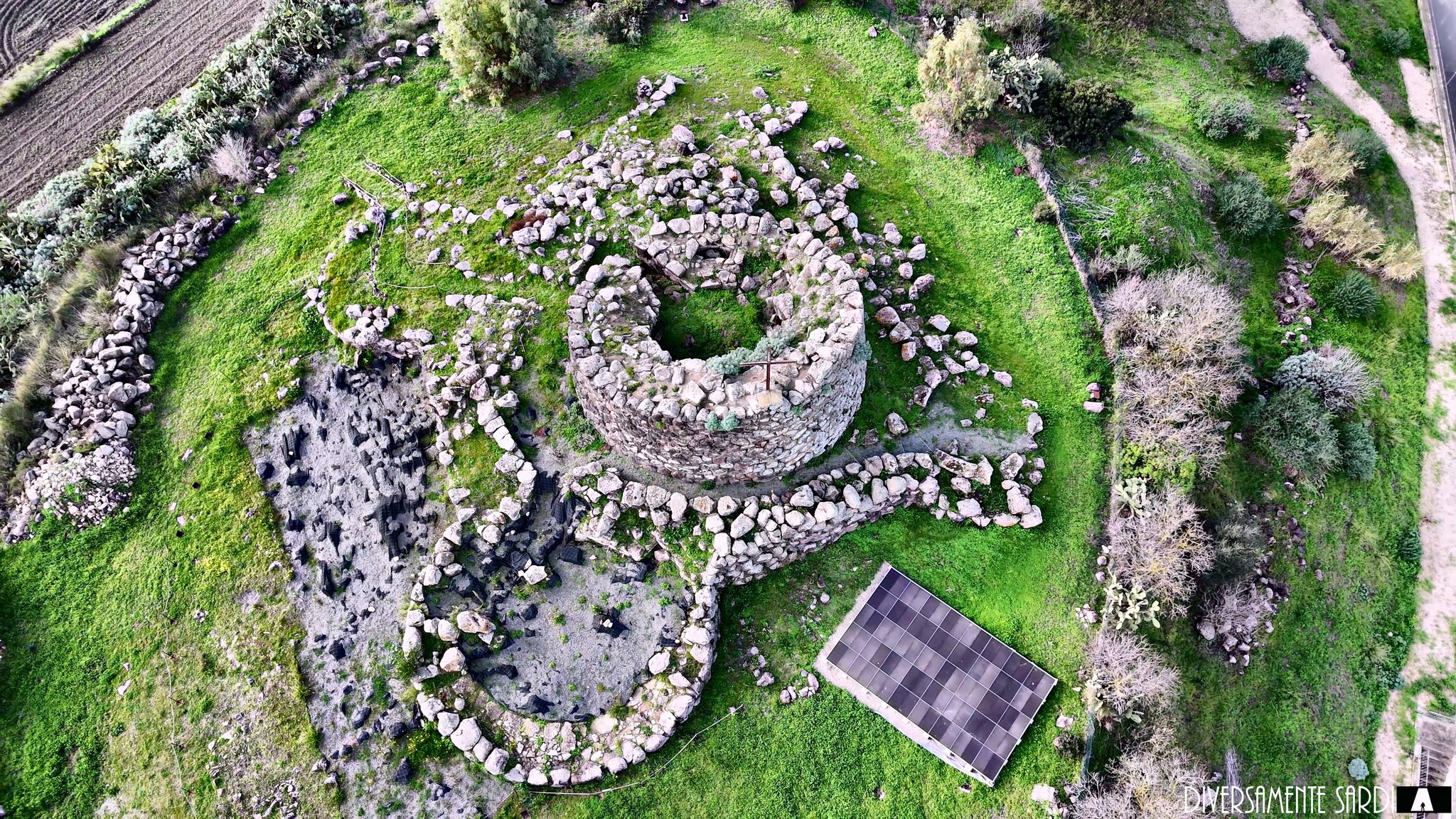
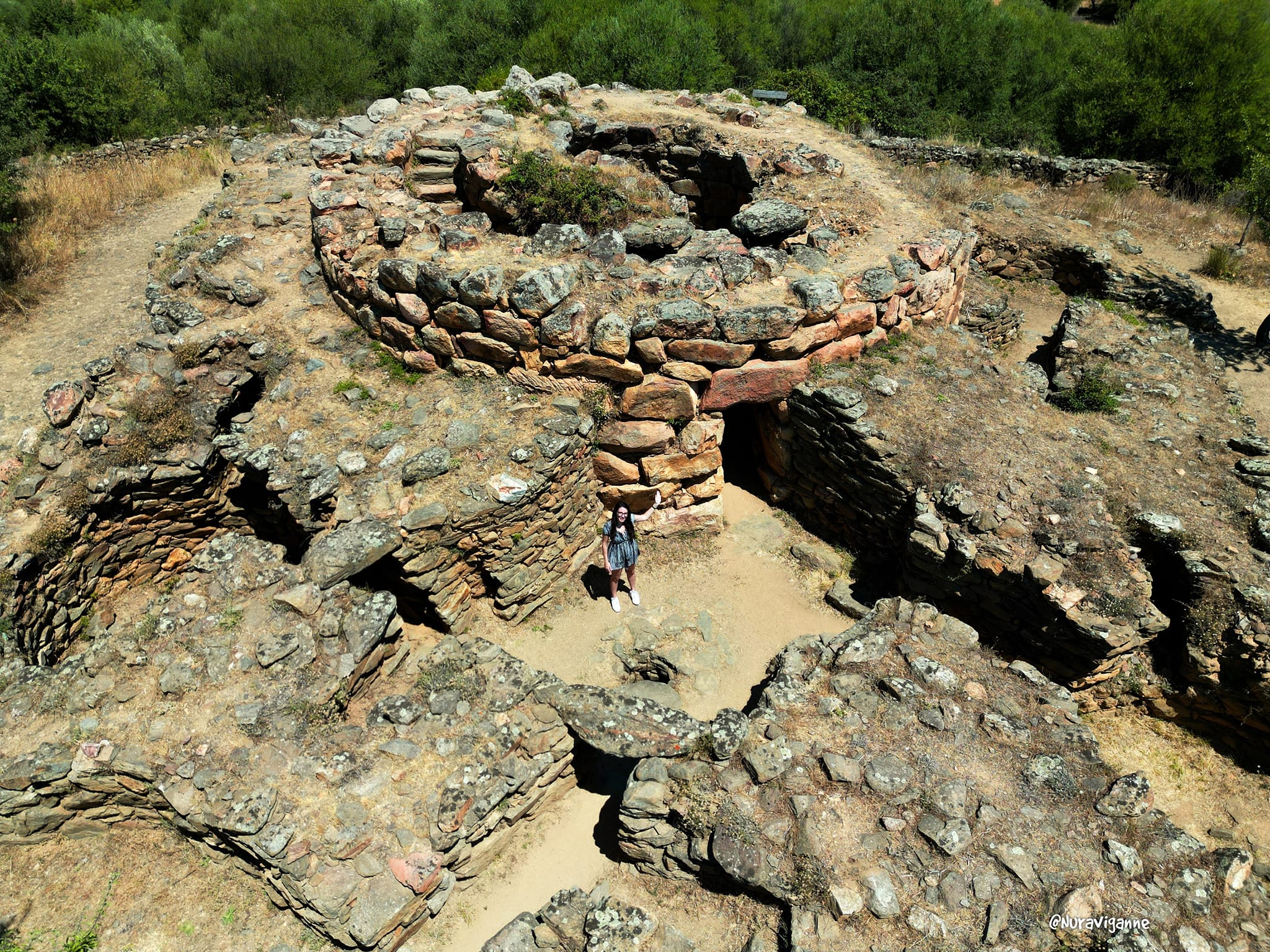
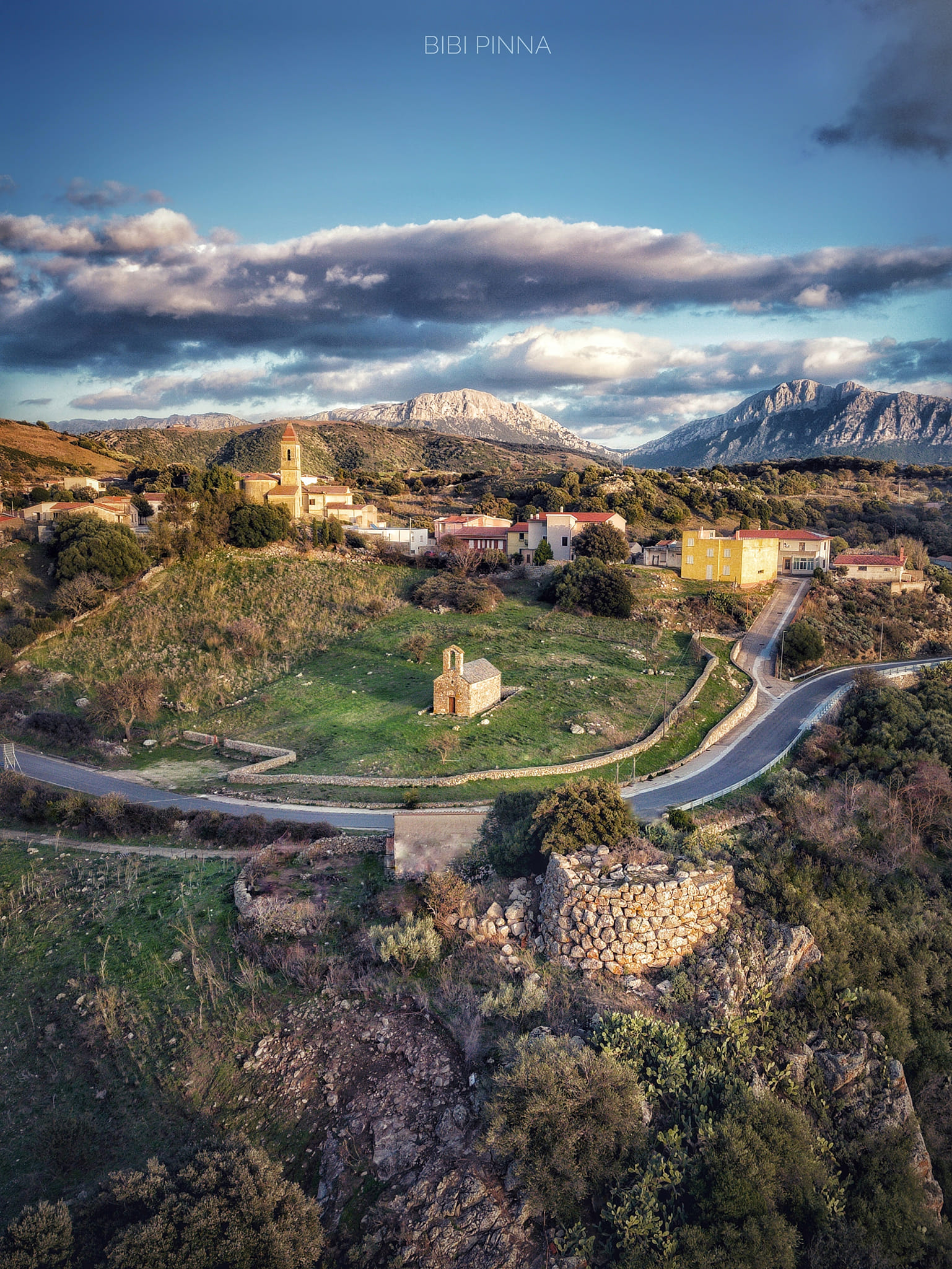
Attached, in addition to the Lugherras nuraghe of Paulilatino, mentioned in Professor Pittau’s book (ph. Gianni Sirigu and Giovanni Sotgiu), we present the nuraghi San Pietro di: Ussaramanna (ph. Diversamente Sardi, Marco Cocco and Bibi Pinna), Torpè (ph. Andrea Mura-Nuragando Sardegna and Nuraviganne) and Onani (ph. Bibi Pinna)