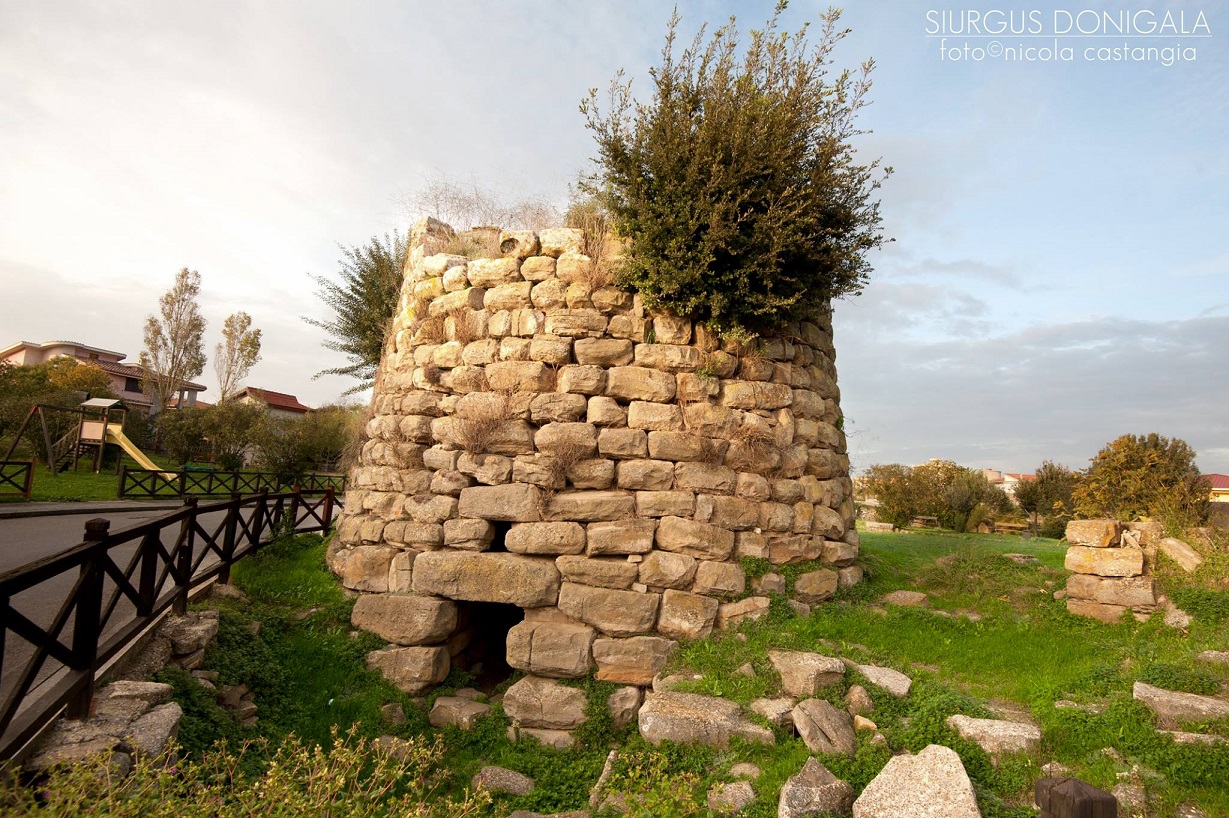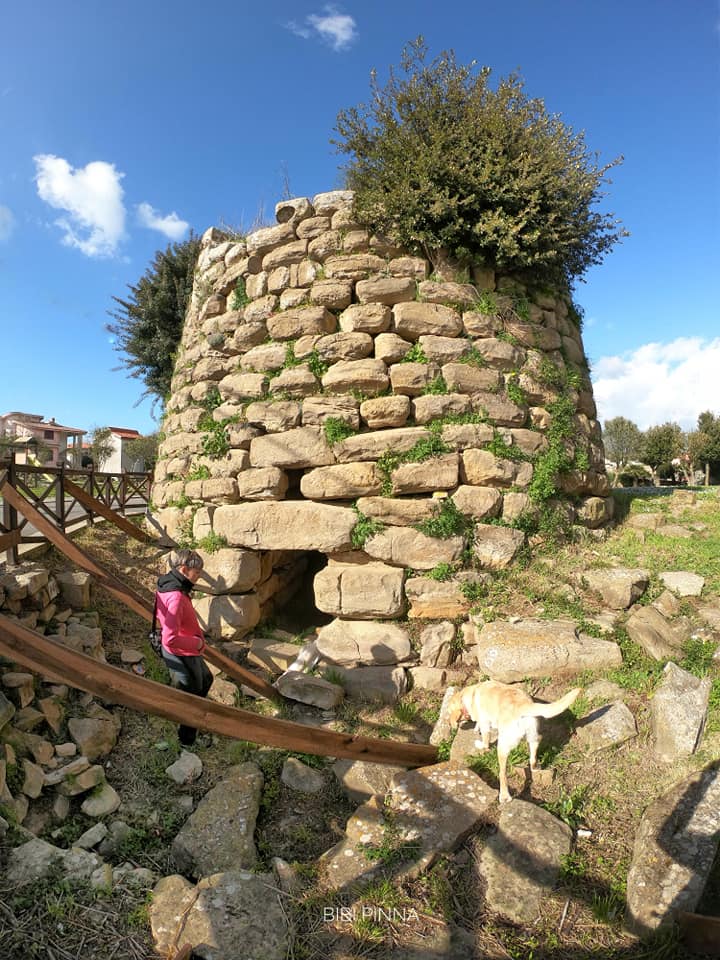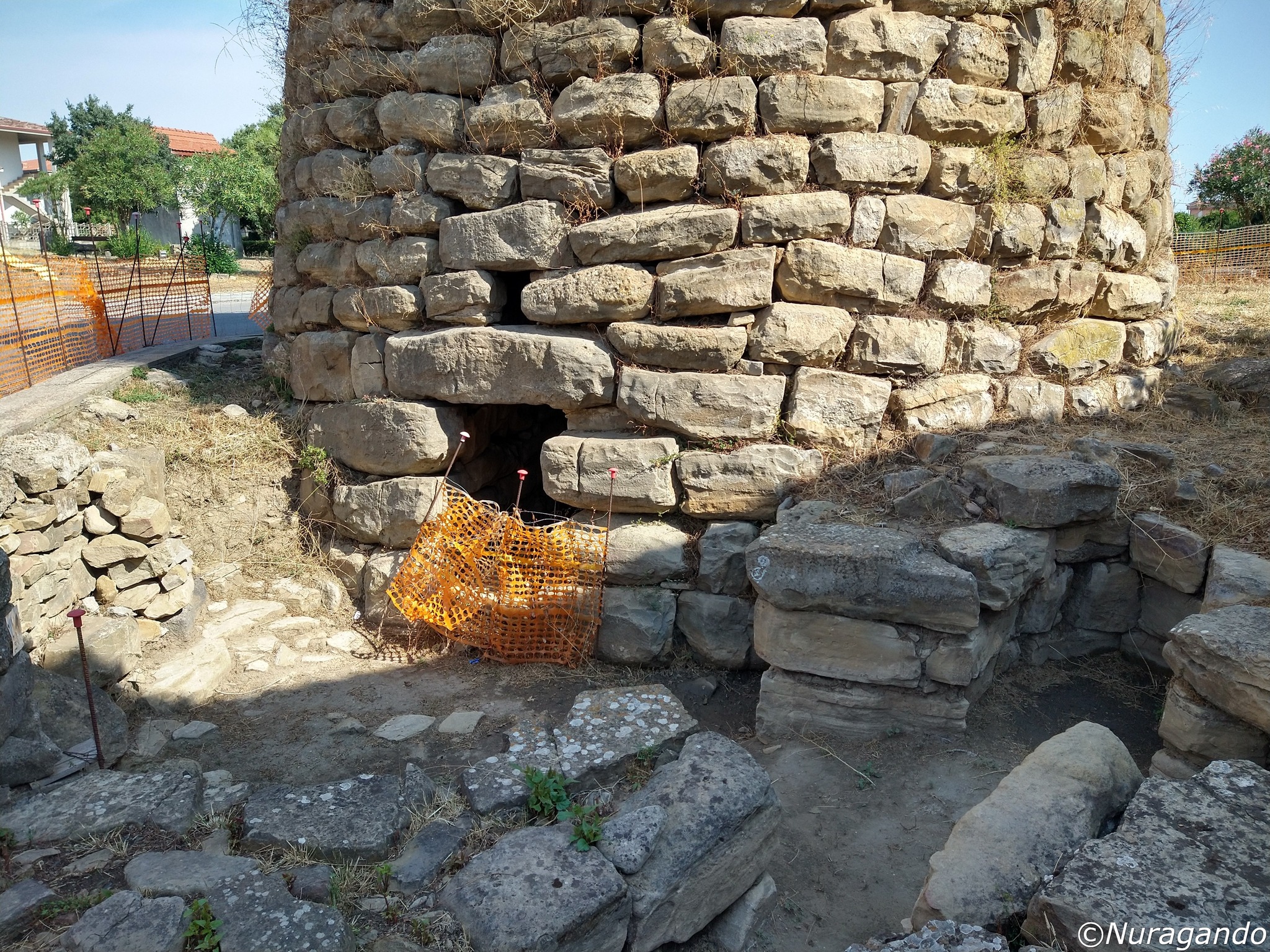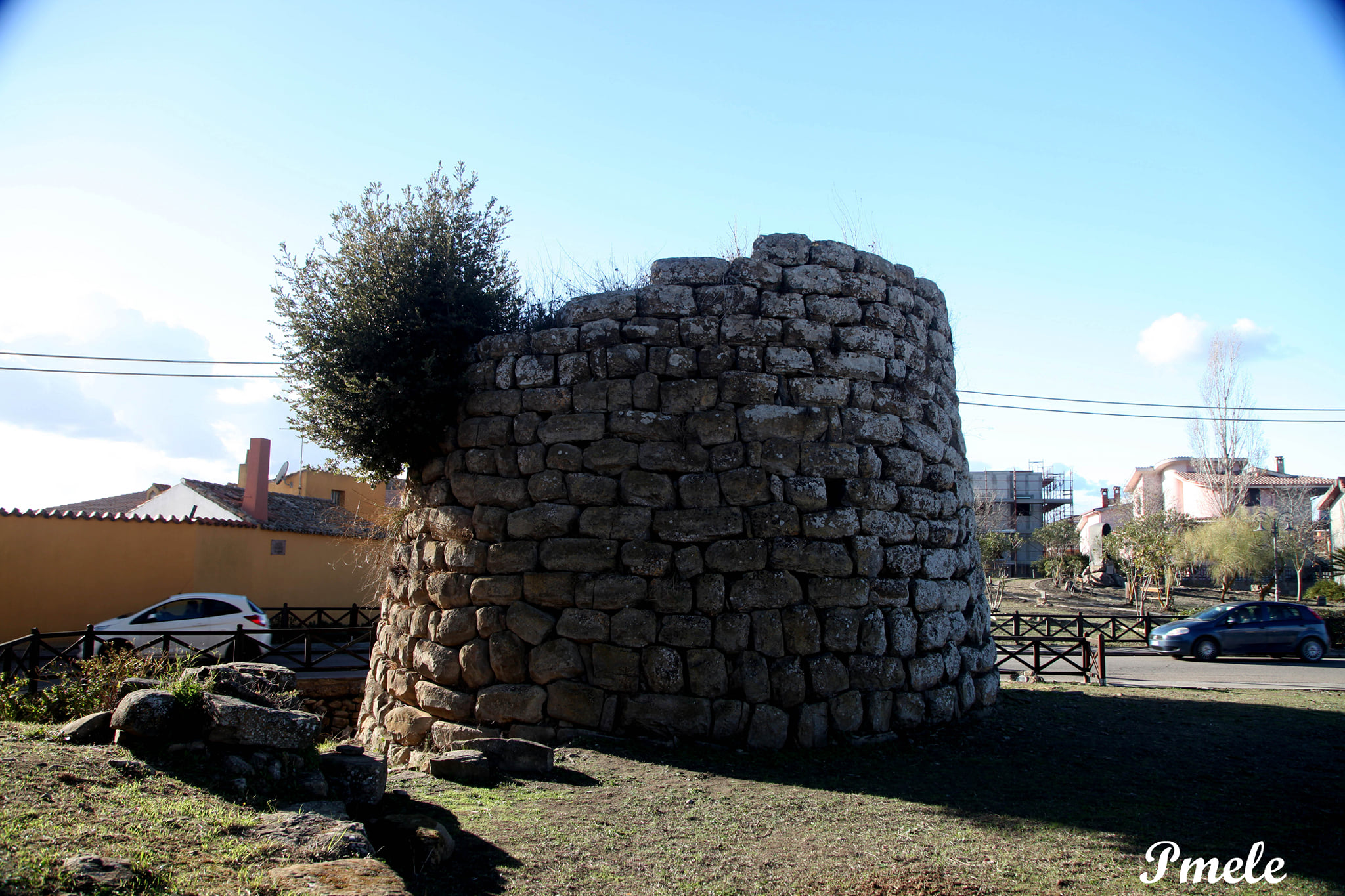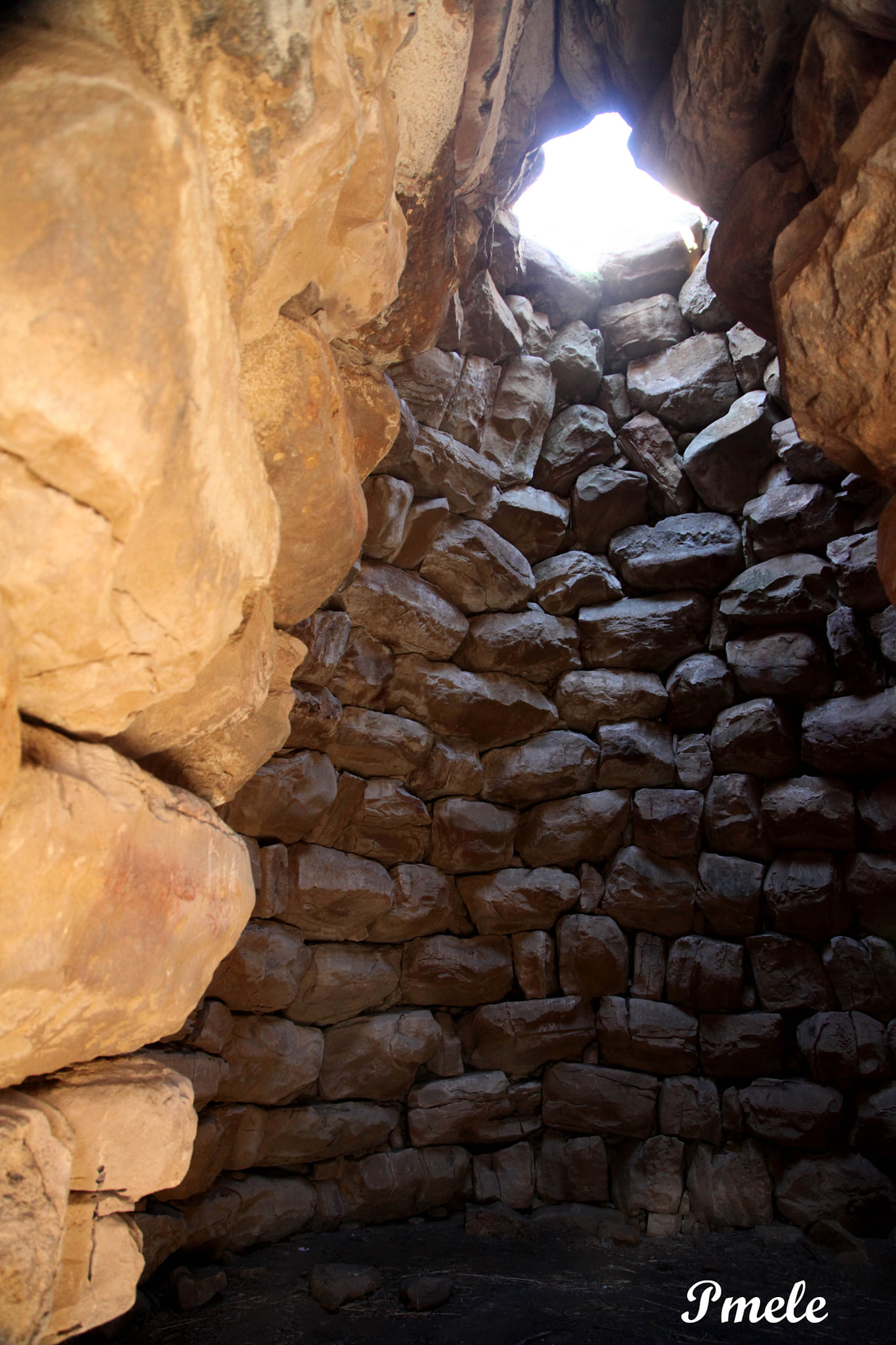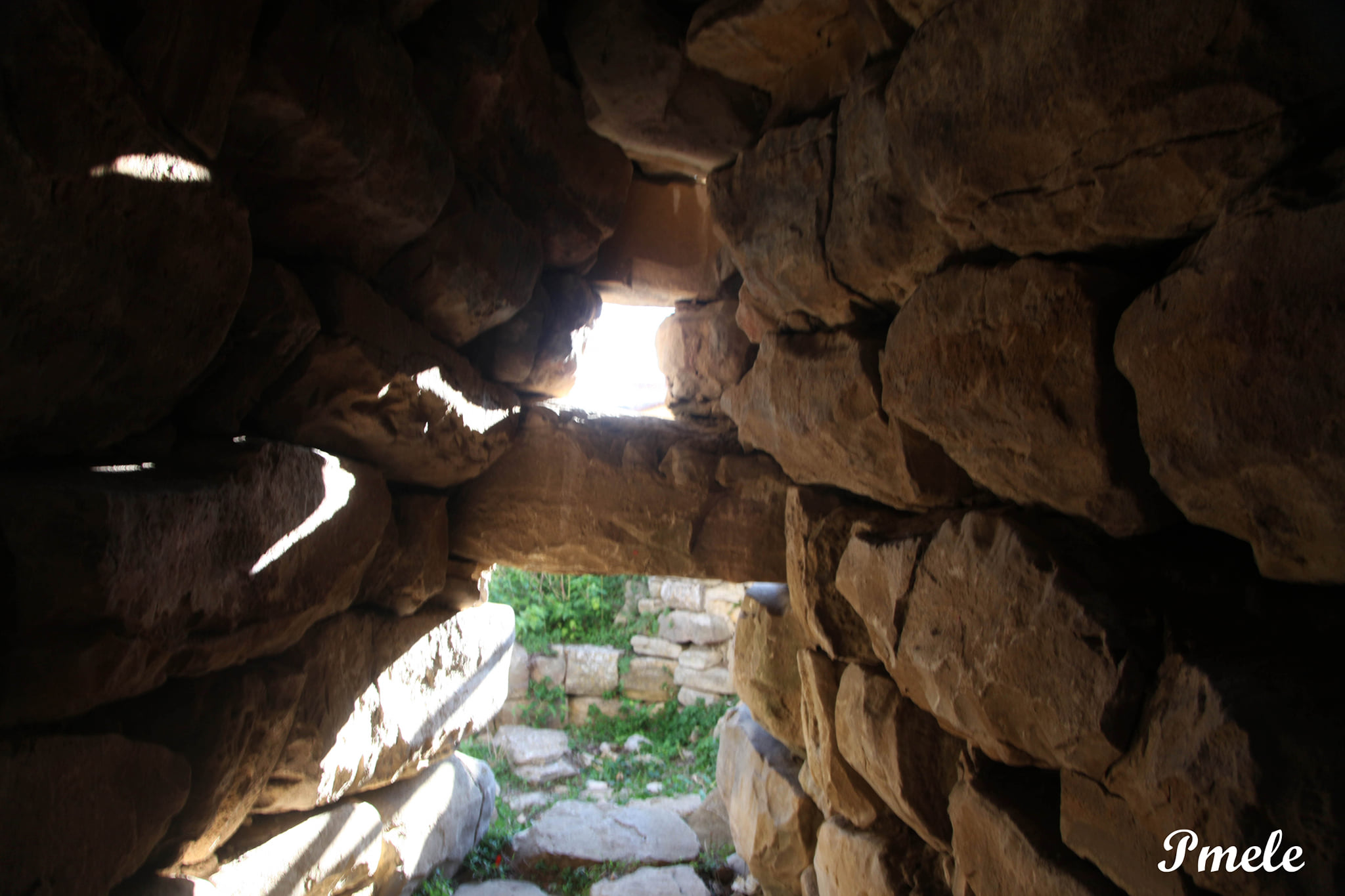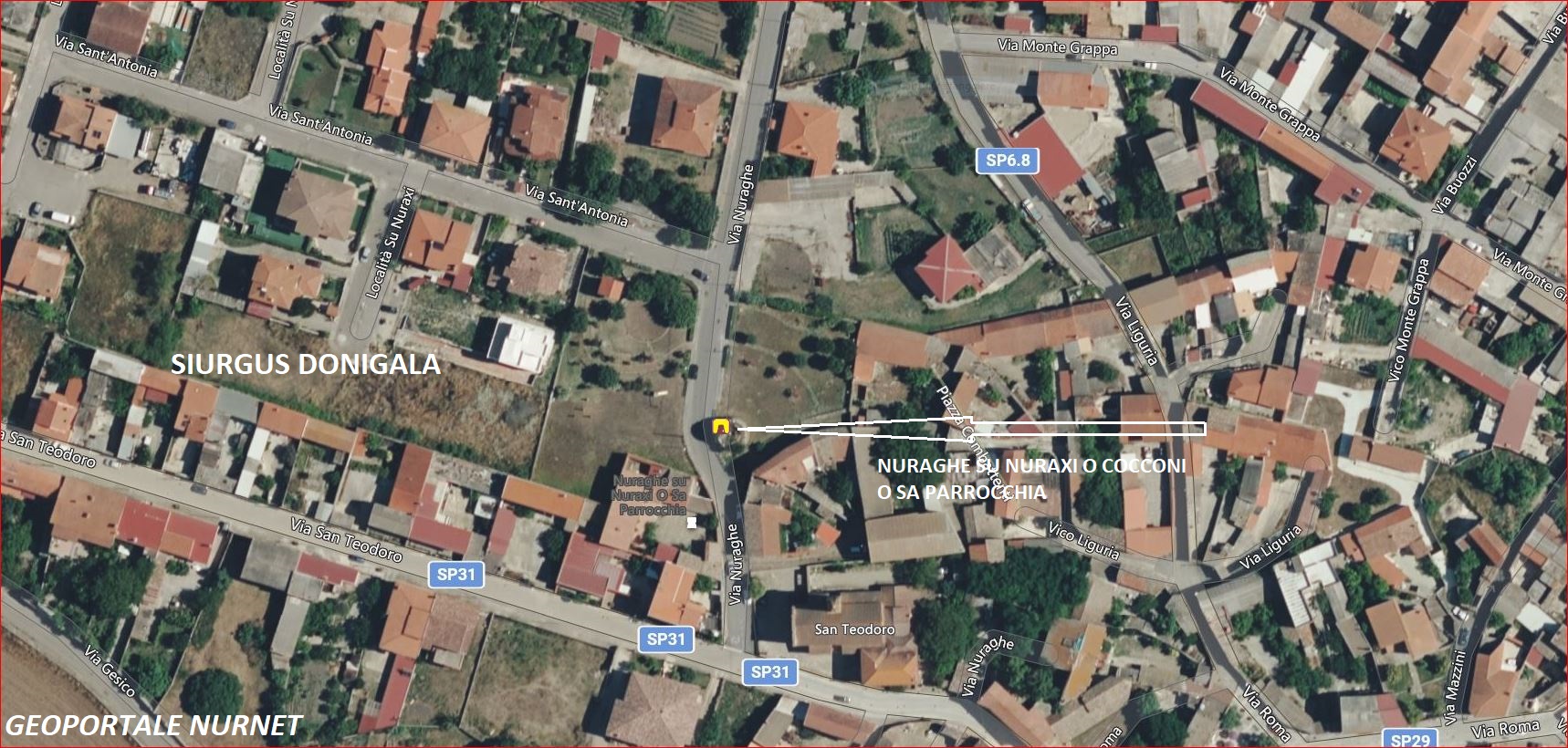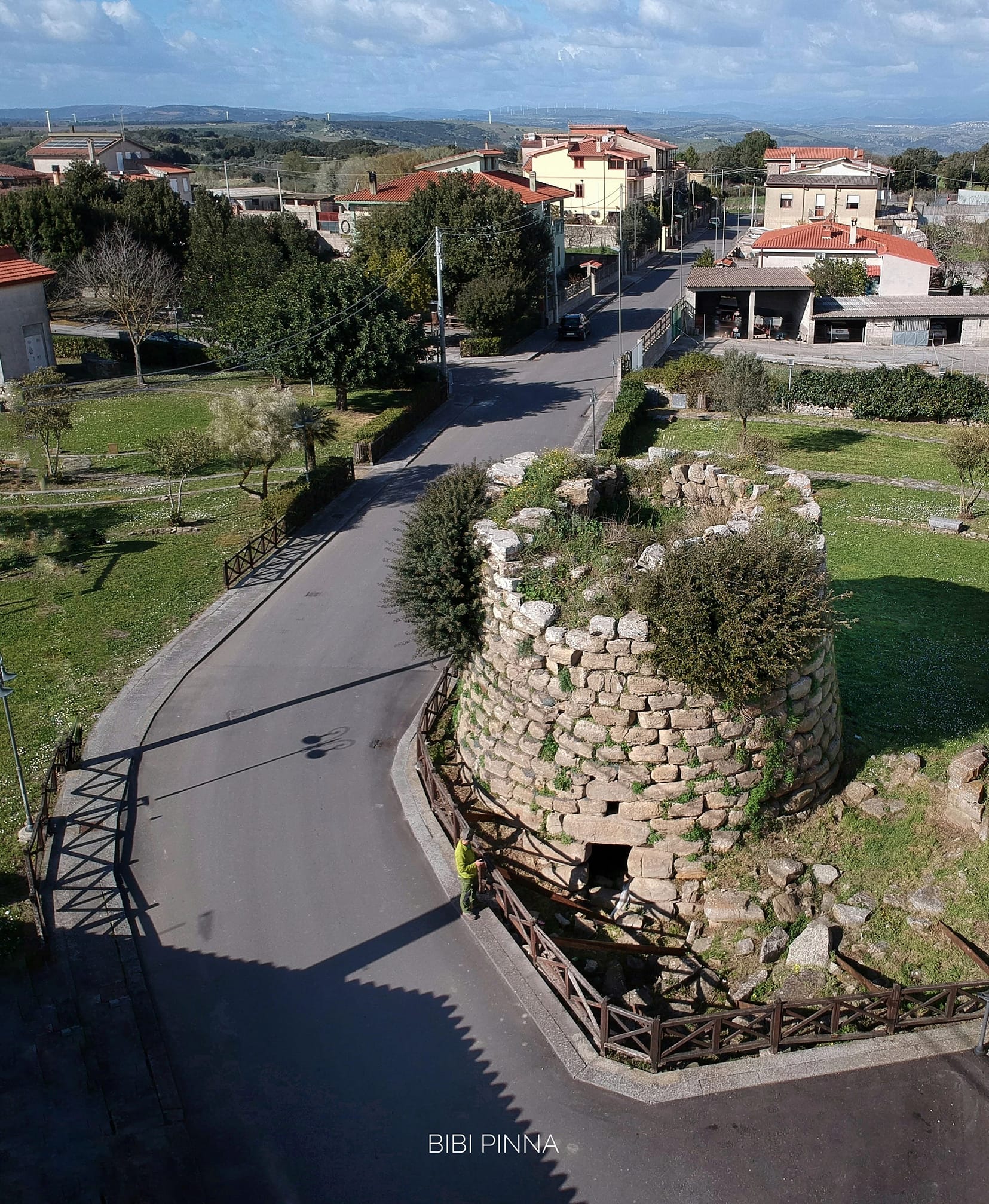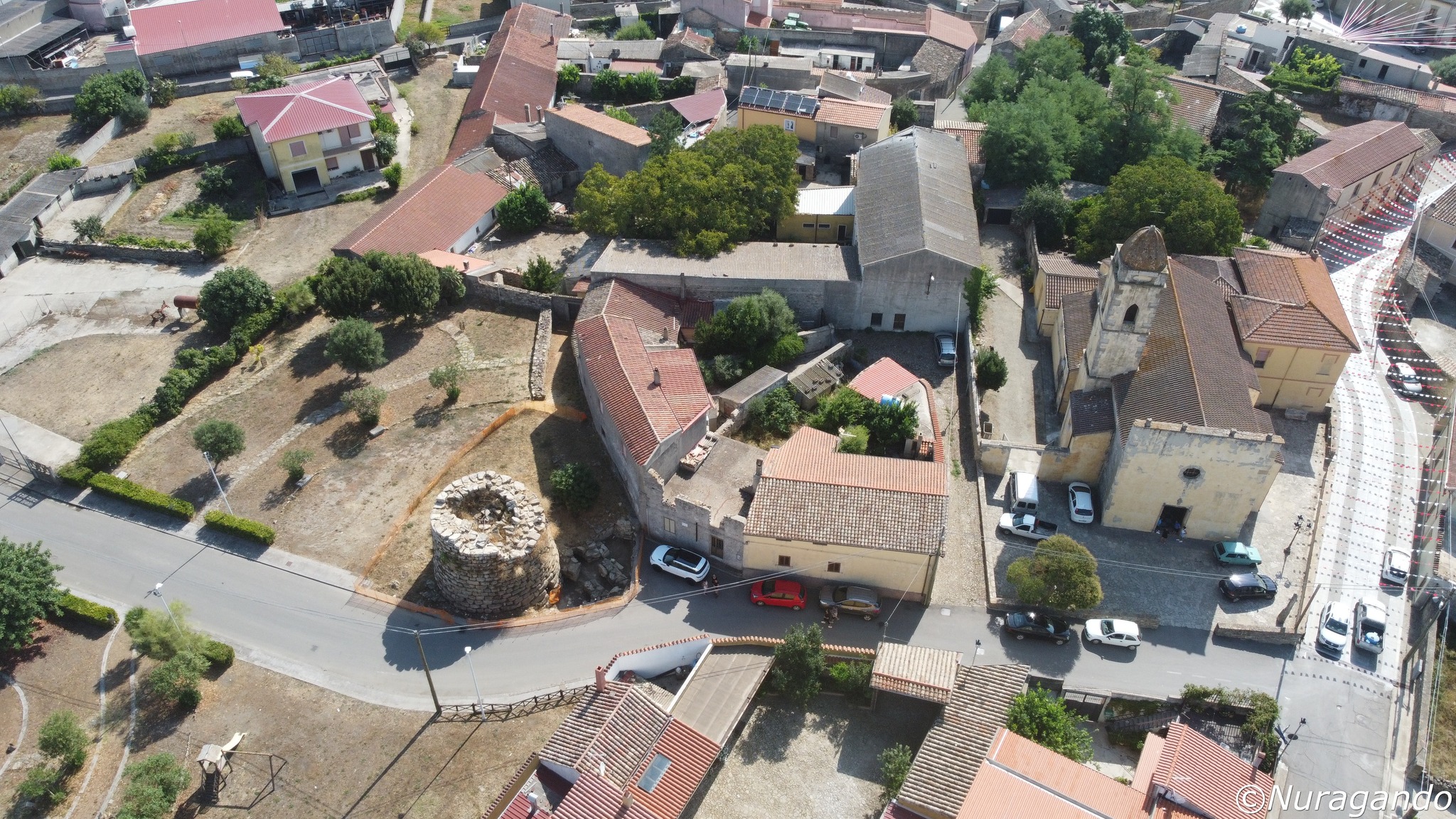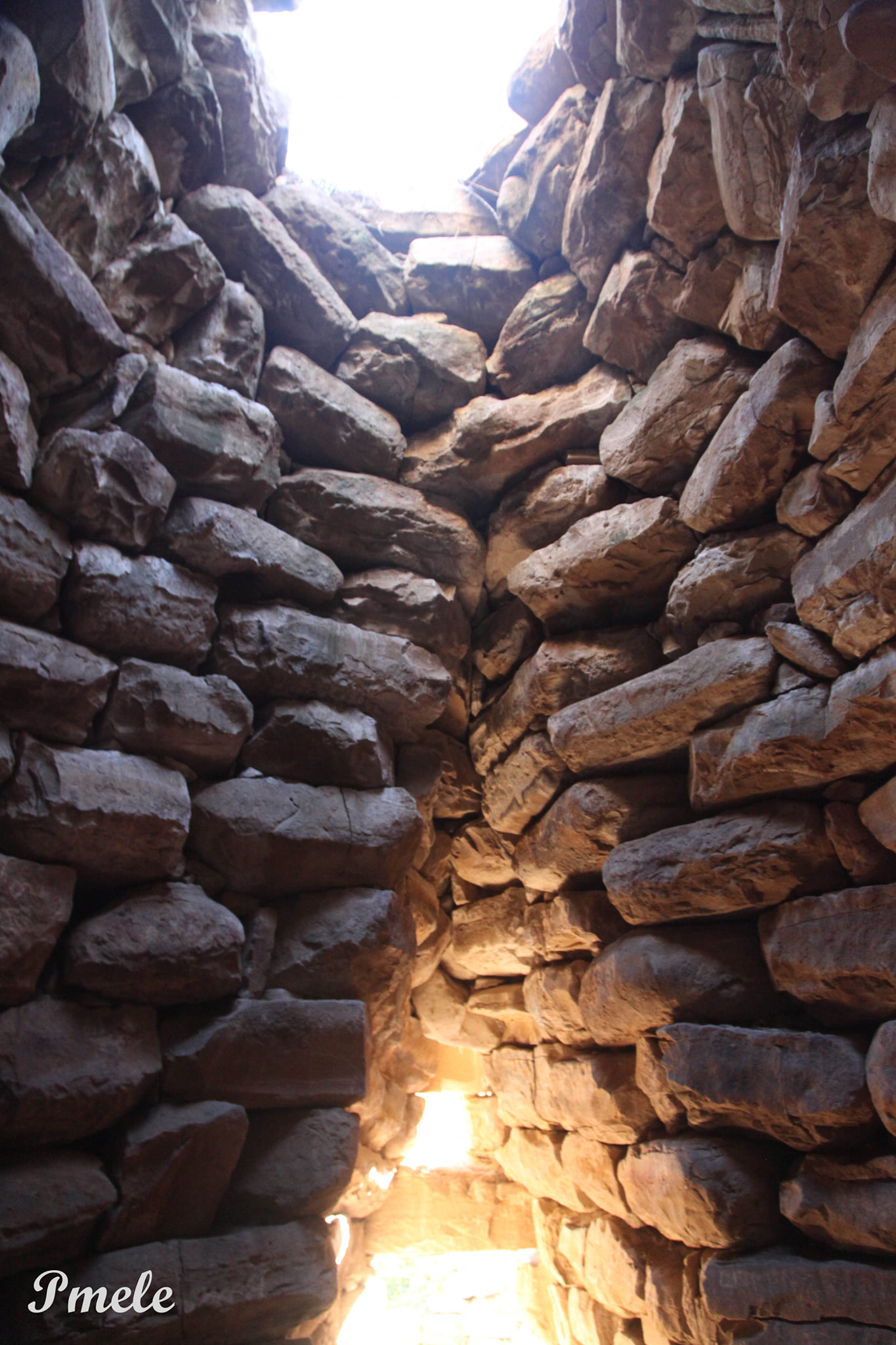
Concerning the nuraghe su Nuraxi or Cocconi or Sa Parrocchia, of Siurgus Donigala, the General Catalogue of Cultural Heritage states: ‘The site affected by the presence of a nuraghe is located within the current urban fabric (of Siurgus Donigala). Of the monument, the central tower is currently visible, built using the regular rows technique, with an entrance to the SE…, courtyard and well pertaining to a turreted trilobate bastion, whose masonry structures are still completely buried to the E-NE of the dwellings and the parish church…, to the SSW of the municipal road and in the remaining parts by the vegetation layers destined for public greenery. Similarly, the remains of a settlement, in use from the Nuragic period to the early Middle Ages, seem to be still buried, discovered in the area close to the nuraghe during previous work for the connections of the water and sewage networks… The materials found pertaining to the Nuragic phase refer to ceramic fragments attributable to the Iron Age. Outside, the walls of the Nuragic curtain walls are overlaid with wall sections from the Roman period. The stratigraphic sequences highlighted inside the tower demonstrate that the lower chamber was reused for funerary purposes in the Byzantine period: at a depth of -2.03 m, a collective tomb was in fact found, referable to 15 adult male and female individuals with their personal belongings, whose materials are chronologically framed between the 7th-8th century AD with extensions at the beginning of the 9th century AD. Among the trousseau materials, in addition to the female jewellery, the most interesting are the bronze buckles, some of which can be compared with contemporary types found in Italy, Spain, Greece and North Africa’ (Excavations conducted by Giovanni Ugas).
The photos of the Su Nuraxi/Cocconi/Sa Parrocchia nuraghe are by: Nicola Castangia, Bibi Pinna, Andrea Mura-Nuragando Sardegna and Pietrino Mele.