Luxia is a female mythical character in the Sardinian narrative tradition, who is linked to the most varied arguments, although her presence is felt most strongly when it comes to punitive petrifactions.
She is spoken of throughout Sardinia, called by the most diverse names; she may be Orgìa or Giorgìa, but also Giolizia, Gorgia, Jorgia, Zorza and Luxia, Lughia, Lucia.
Source: Contus Antigus
Its name is often combined with the epithet ‘rajosa’ (rabid), which clearly specifies its particular temperament.
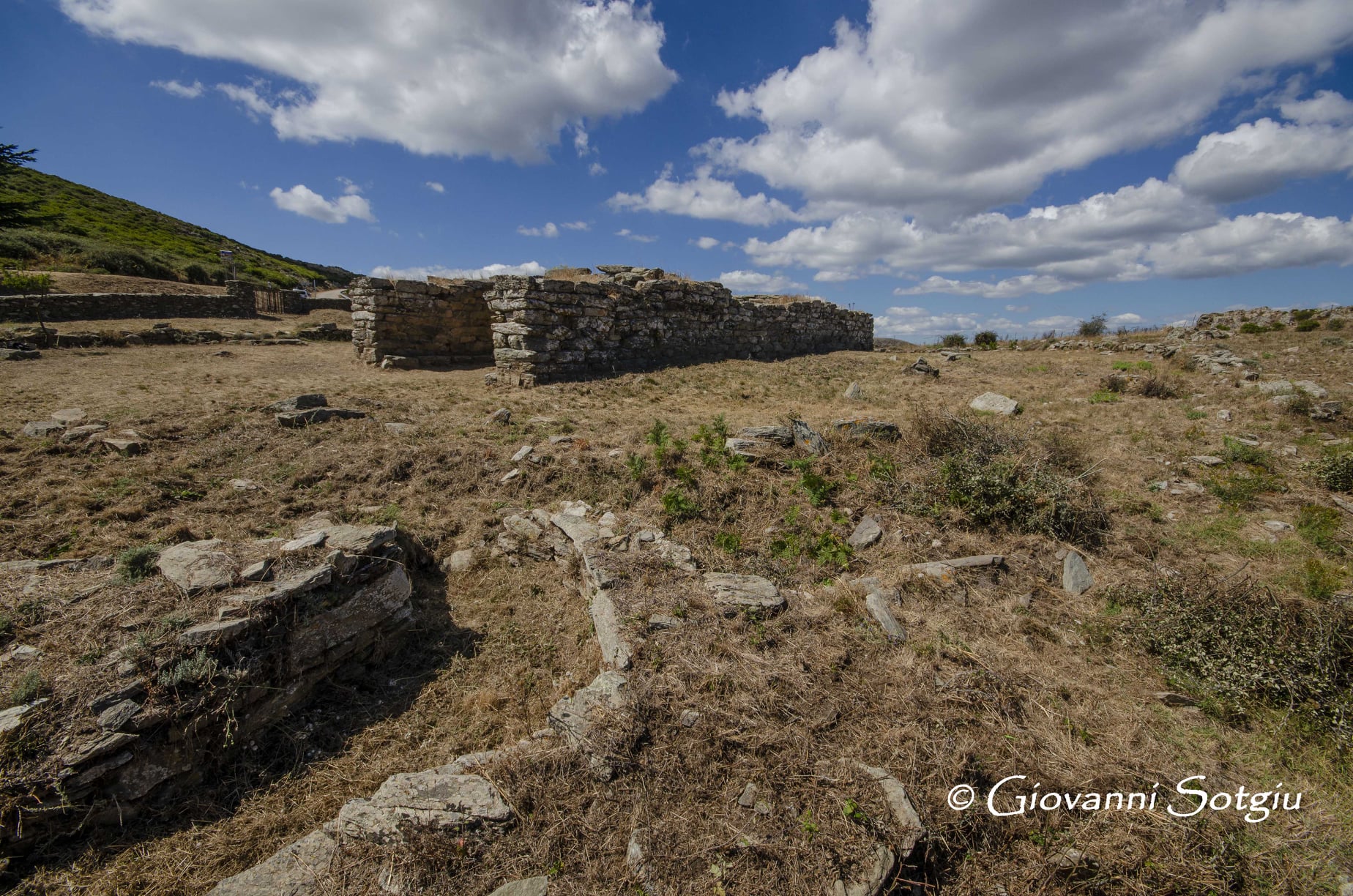
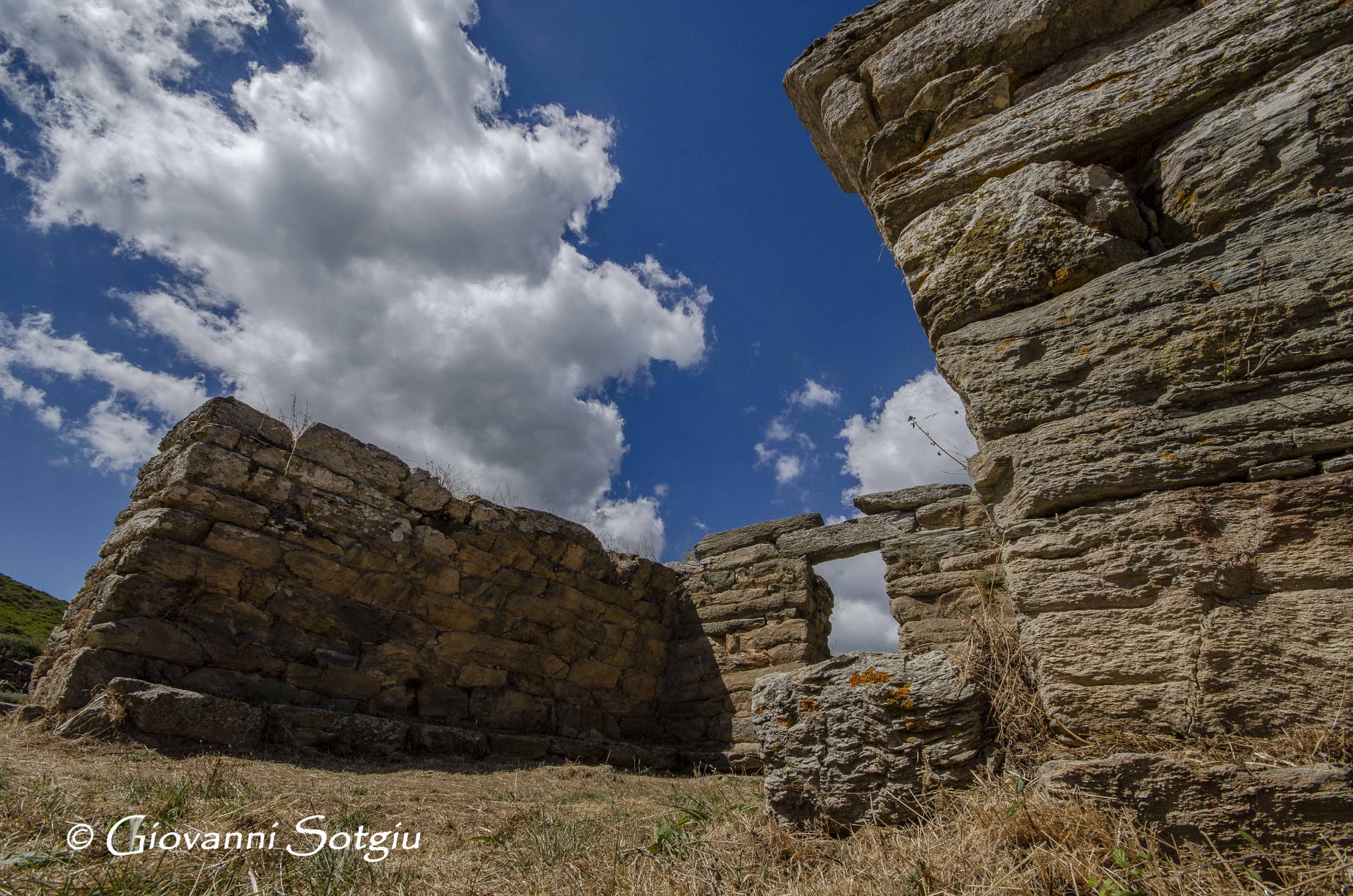
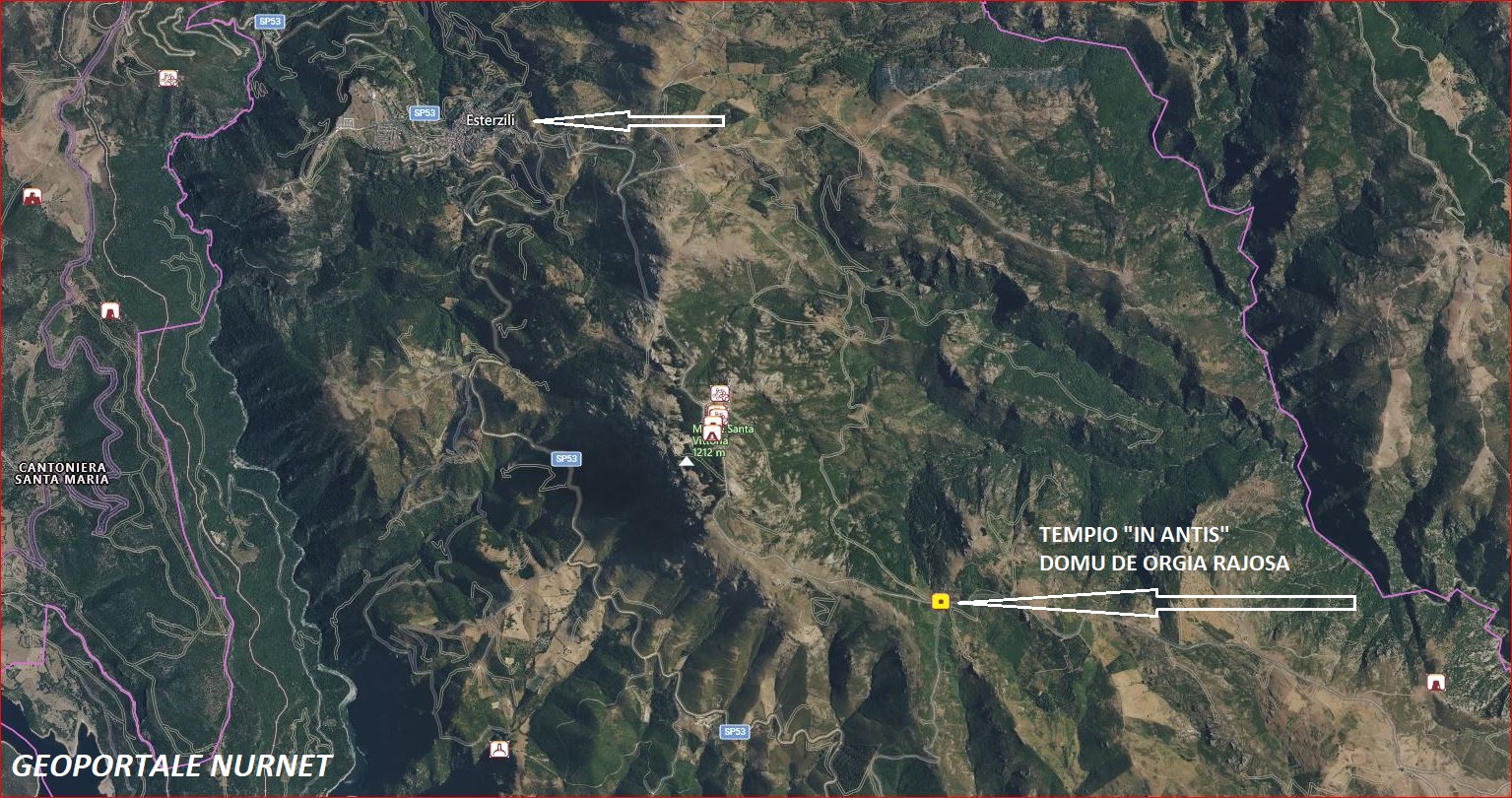
In Esterzili, there is a Nuragic temple ‘in antis’ dedicated to her (the temple of Orgia or Orgia Rajosa), portrayed here in Giovanni Sotgiu’s shots.
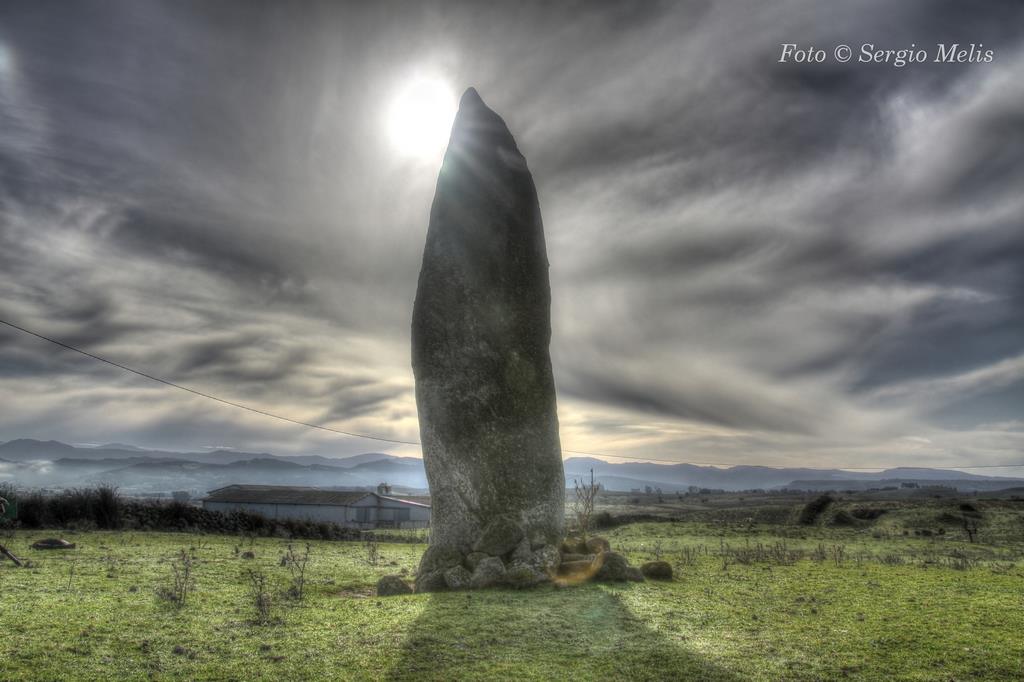
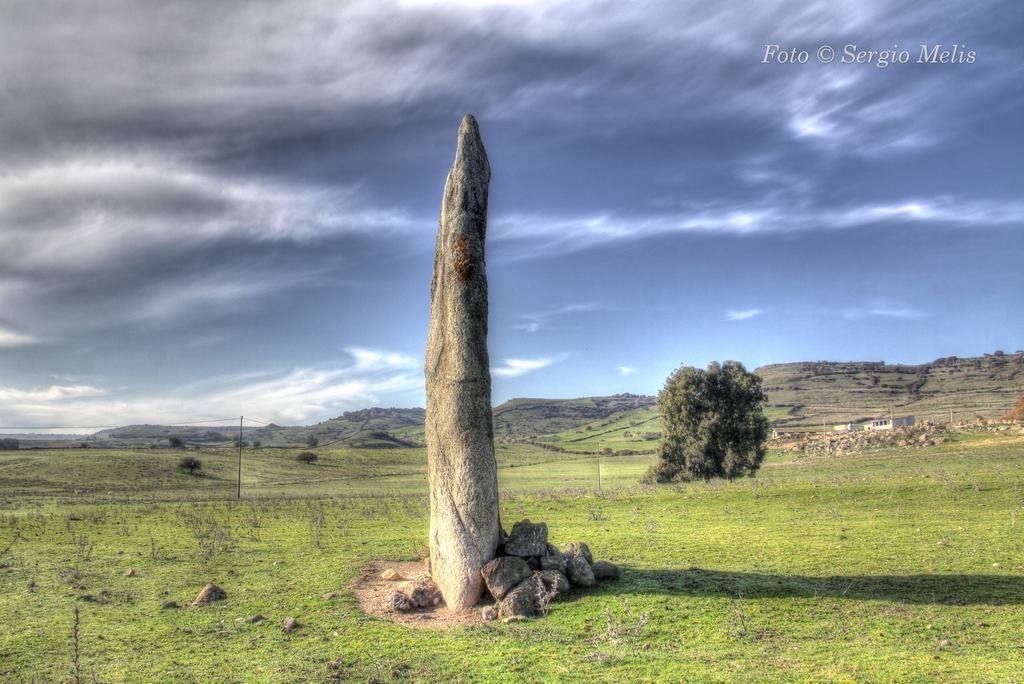
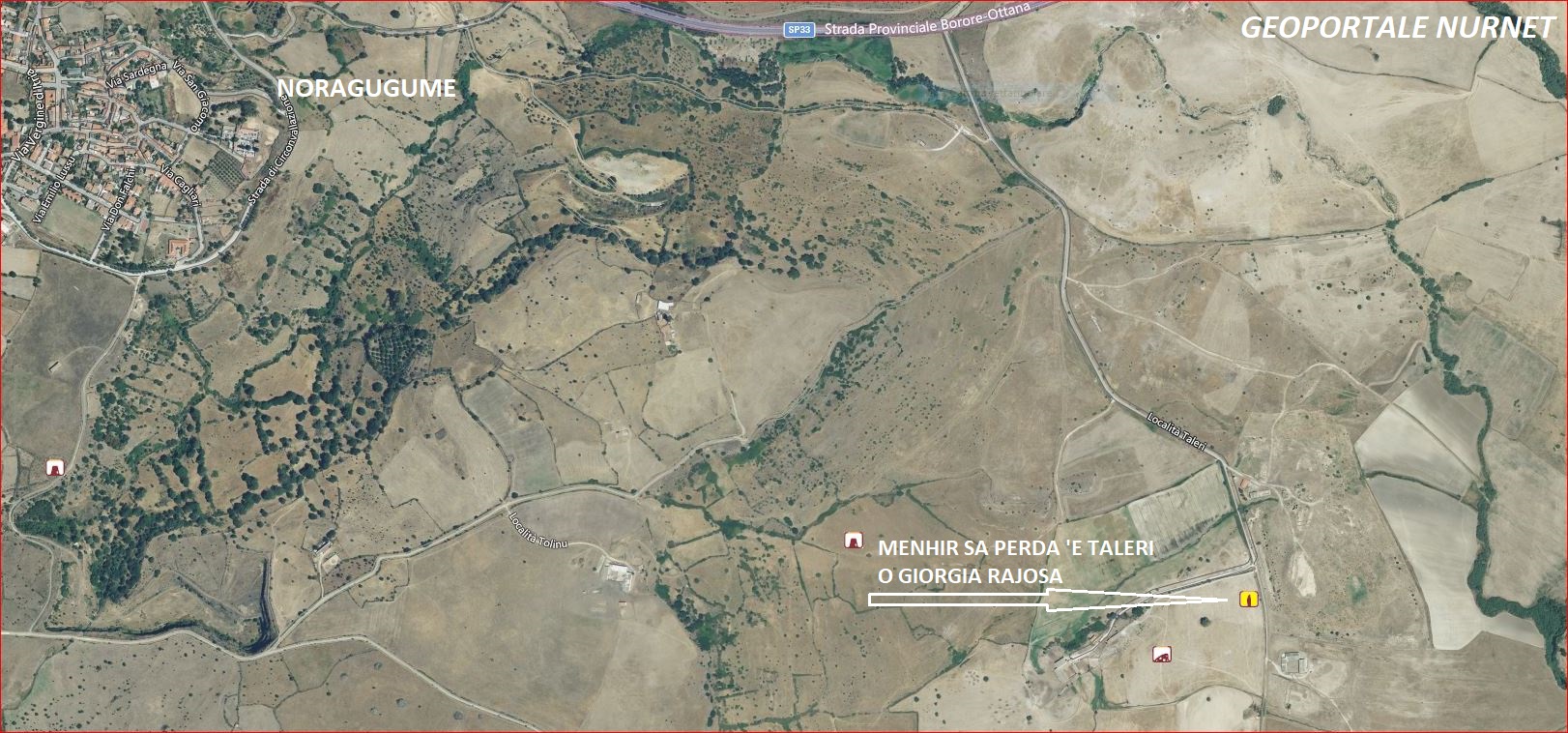
But also ‘in the territory of Noragugume, near the right bank of the Tirso, one can see another isolated stone, but higher, which is given the name of Giorgia Rajosa’. The archaeologist Paolo Melis recounts that it was with these words that Lamarmora, in 1840, first reported the menhir of Noragugume, also illustrating it in the Atlas of his ‘Voyage en Sardaigne’.
Source: I Tesori dell’archeologia, ed. Carlo Delfino 2011.
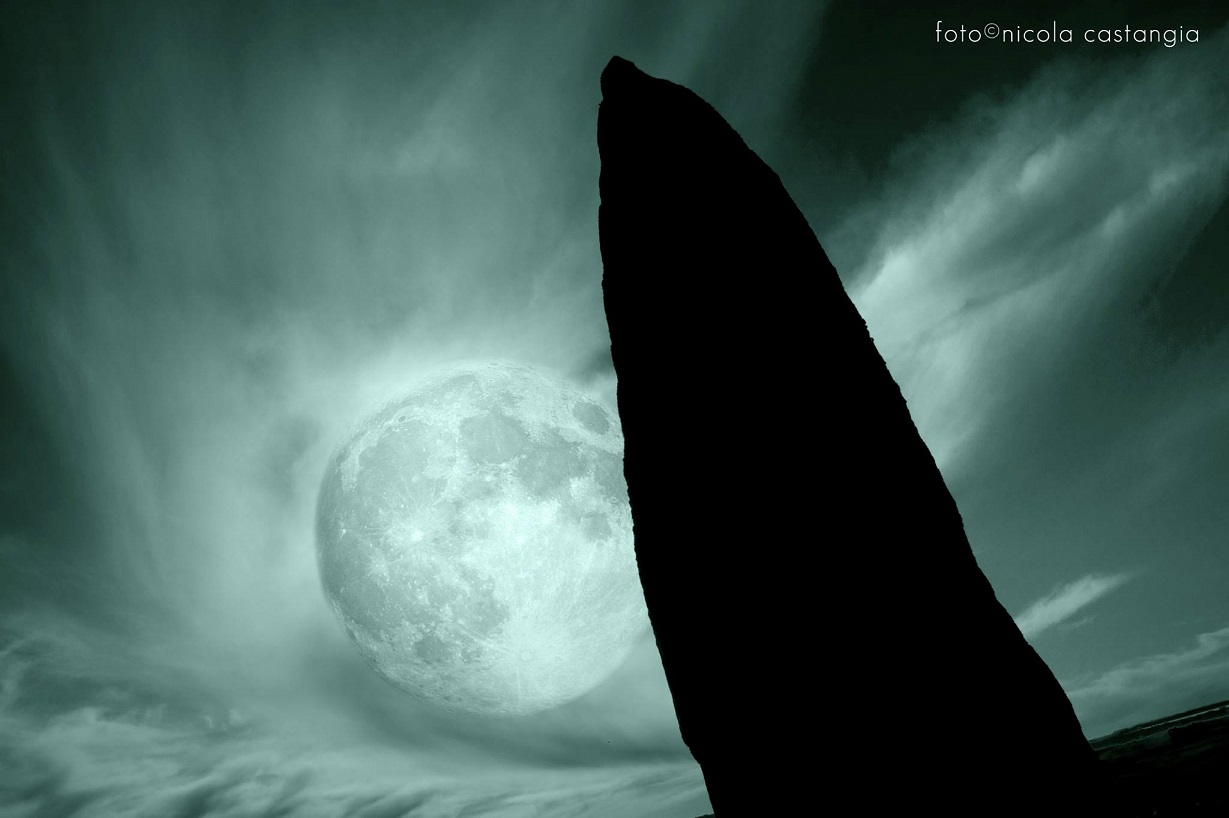
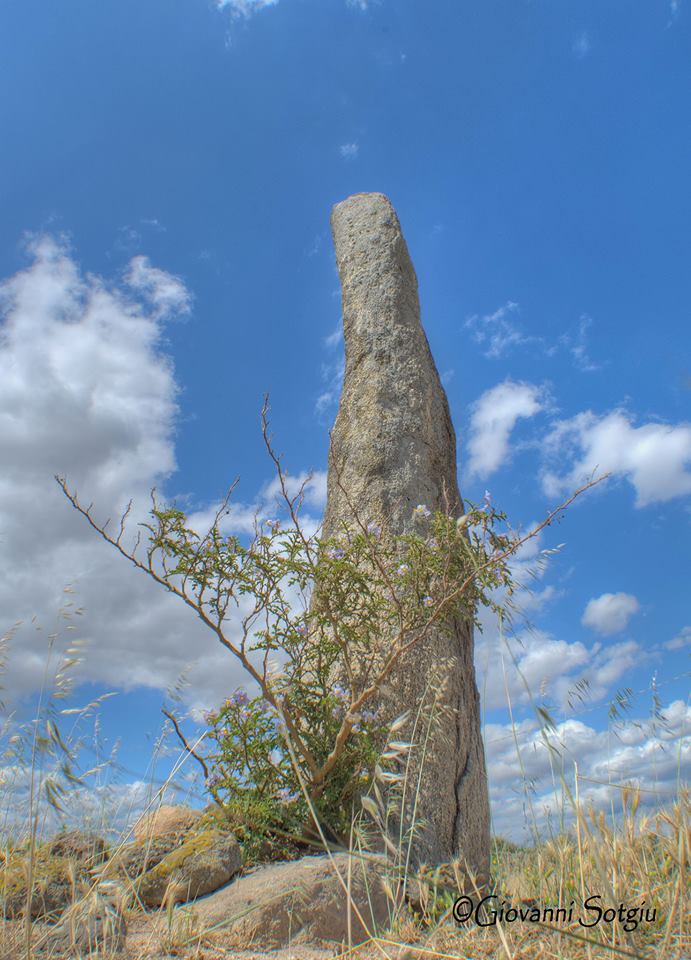
This menhir, also referred to as ‘Sa preda ‘e su Taleri’, recalls, in the shots of Nicola Castangia, Giovanni Sotgiu and Sergio Melis, a large and powerful stone ‘antenna’ that could be likened to a link between the earthly world and the unexplored universe.
All this brings to mind a passage from the ‘brebus de vida de sa nuraxia’ (the rules of life of nuragheology) where it is written that ‘In is sàrtus de Sardinnia regnàda su silentziu et pro cussu si prestada a intendi is oghes mudas chi arrìbanta de ognia mundu lontanu’. Trad. ‘In the countryside of Sardinia, silence reigns and this makes it possible to hear the muted voices that arrive from all distant worlds’.