“According to Greek legends, it was Aristeus who introduced grape cultivation to Sardinia. The hero settled there because of the beauty of the land and gave his two sons names that recall agriculture and viticulture: Kallikarpos, ‘of beautiful fruits’, and Charmos, which is said to derive from the Semitic krmy (vine grower).
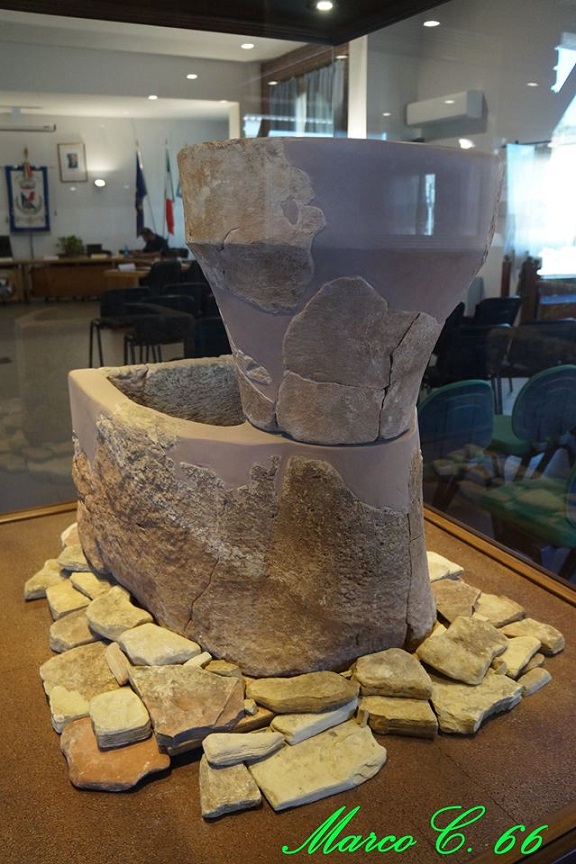
From mythography to reality: today it is certain that winemaking on the island dates back to at least the 15th century BC. According to archaeologists, botanists and chemists, the oldest wine in the western Mediterranean was Sardinian, a kind of Cannonau from over three thousand years ago. The hypothesis became certain after analysing, in late 2016, the organic residues of a stone press found in the nuragic village of Monte Zara, near Monastir, a few kilometres from Cagliari. The archaeobotanical study led unequivocally back to the crushing and processing of grapes, particularly red berries. This is the oldest wine press in the Mediterranean, evidence of the Nuragic civilisation’s profound expertise in winemaking. The discovery places the wine-making tradition in the Middle Bronze Age, although the luxuriant presence of Vitis vinifera sylvestris leads one to hypothesise that domestication and oenology evolved even further back in time.
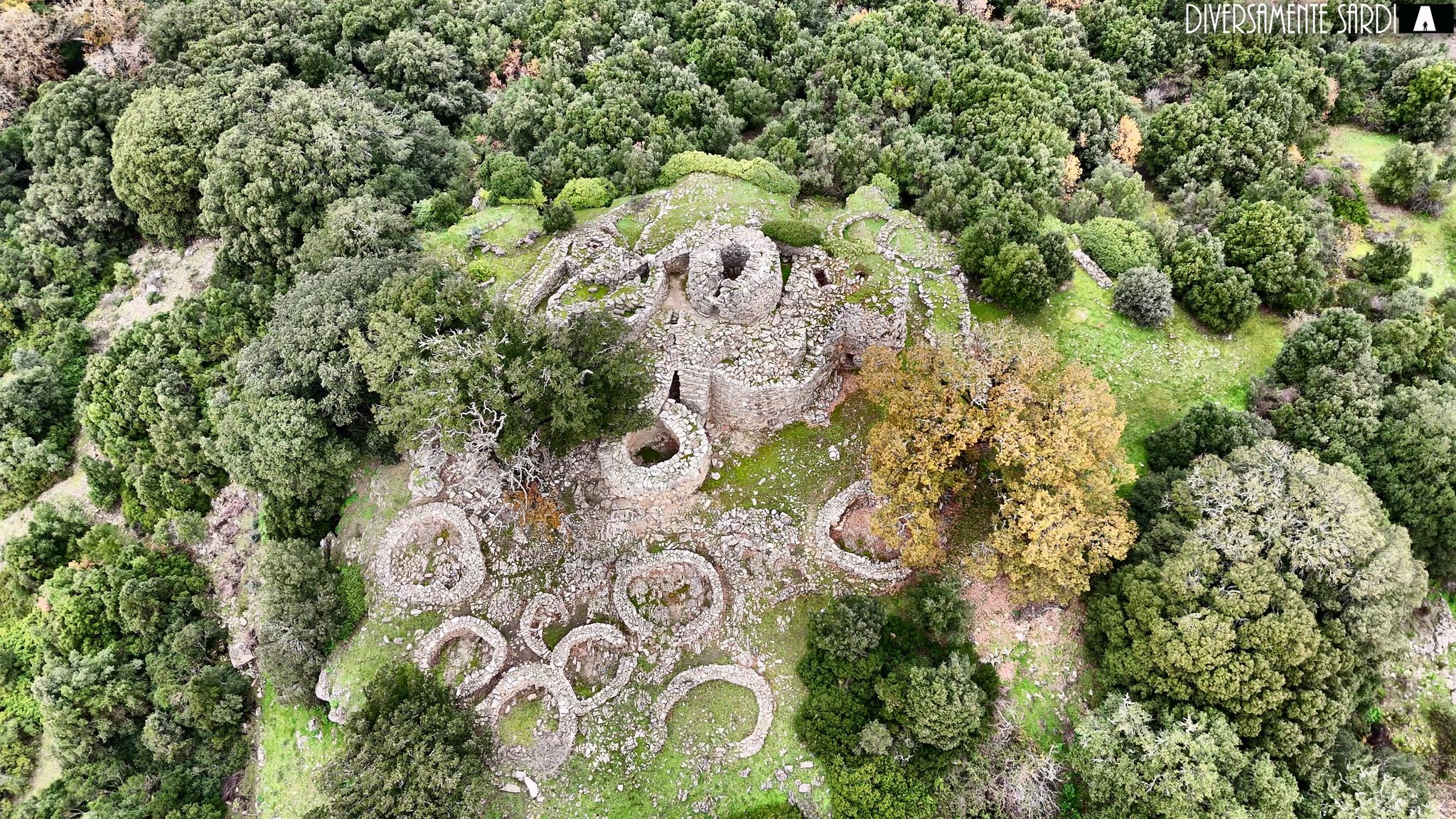
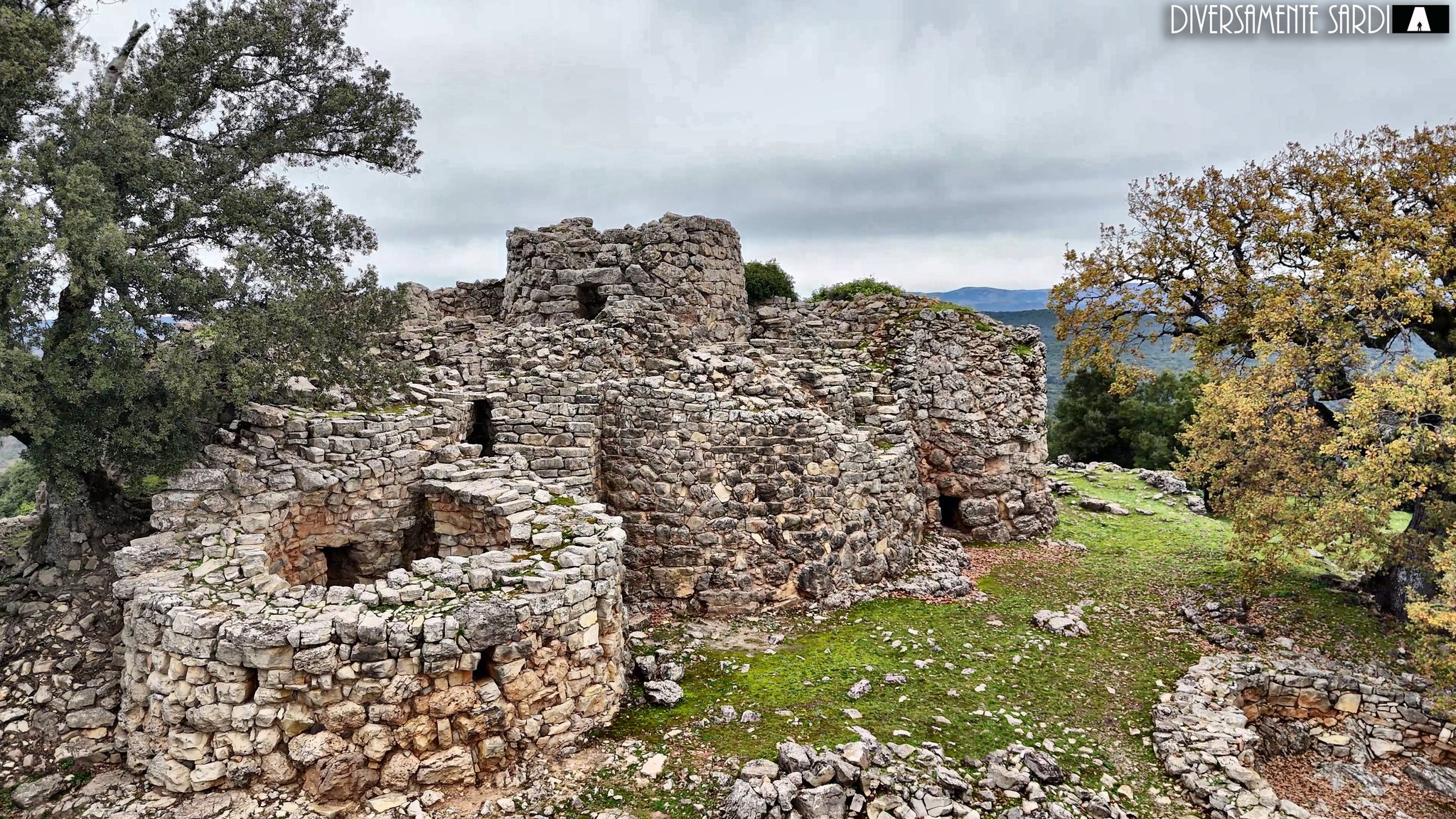
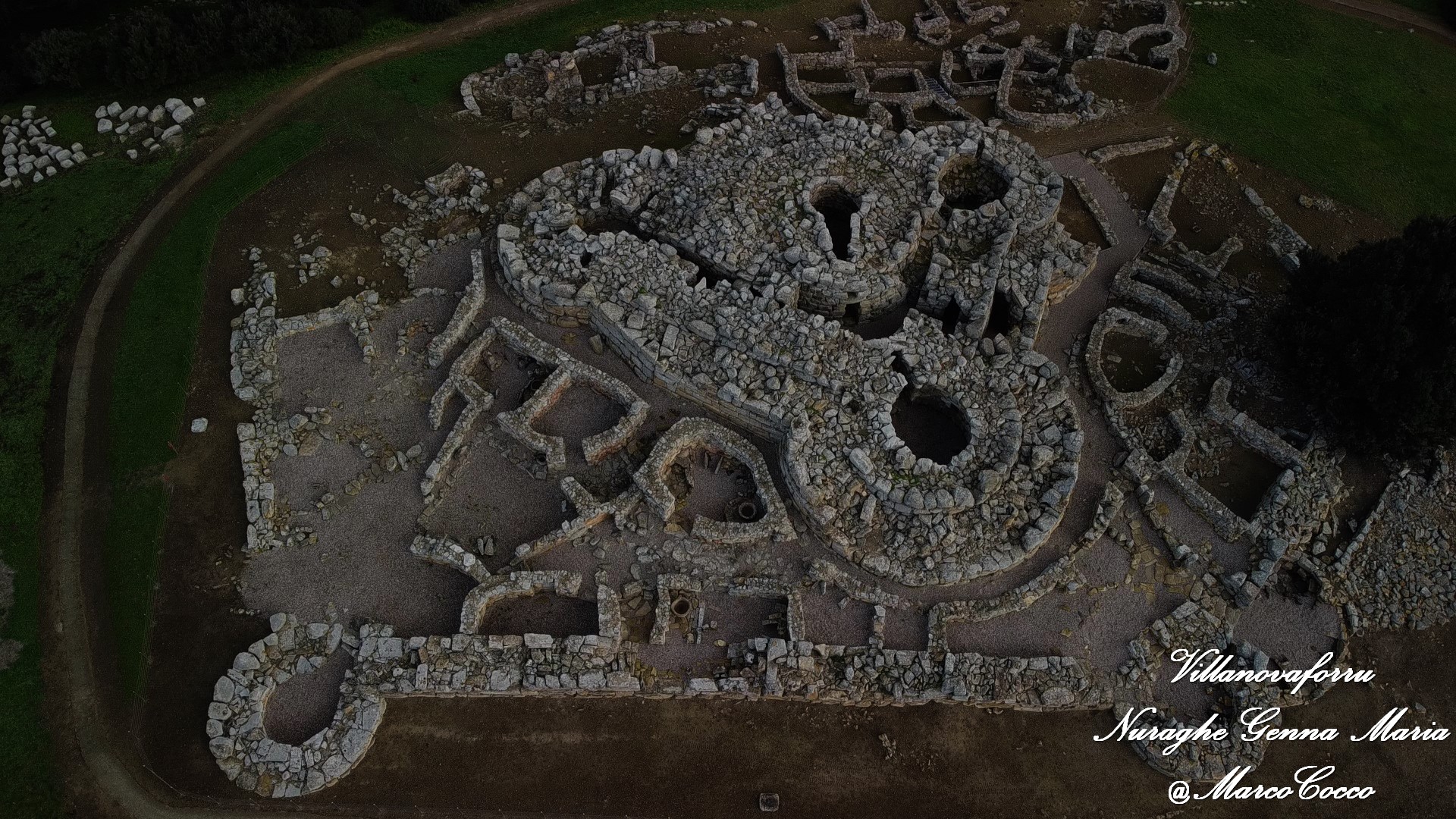
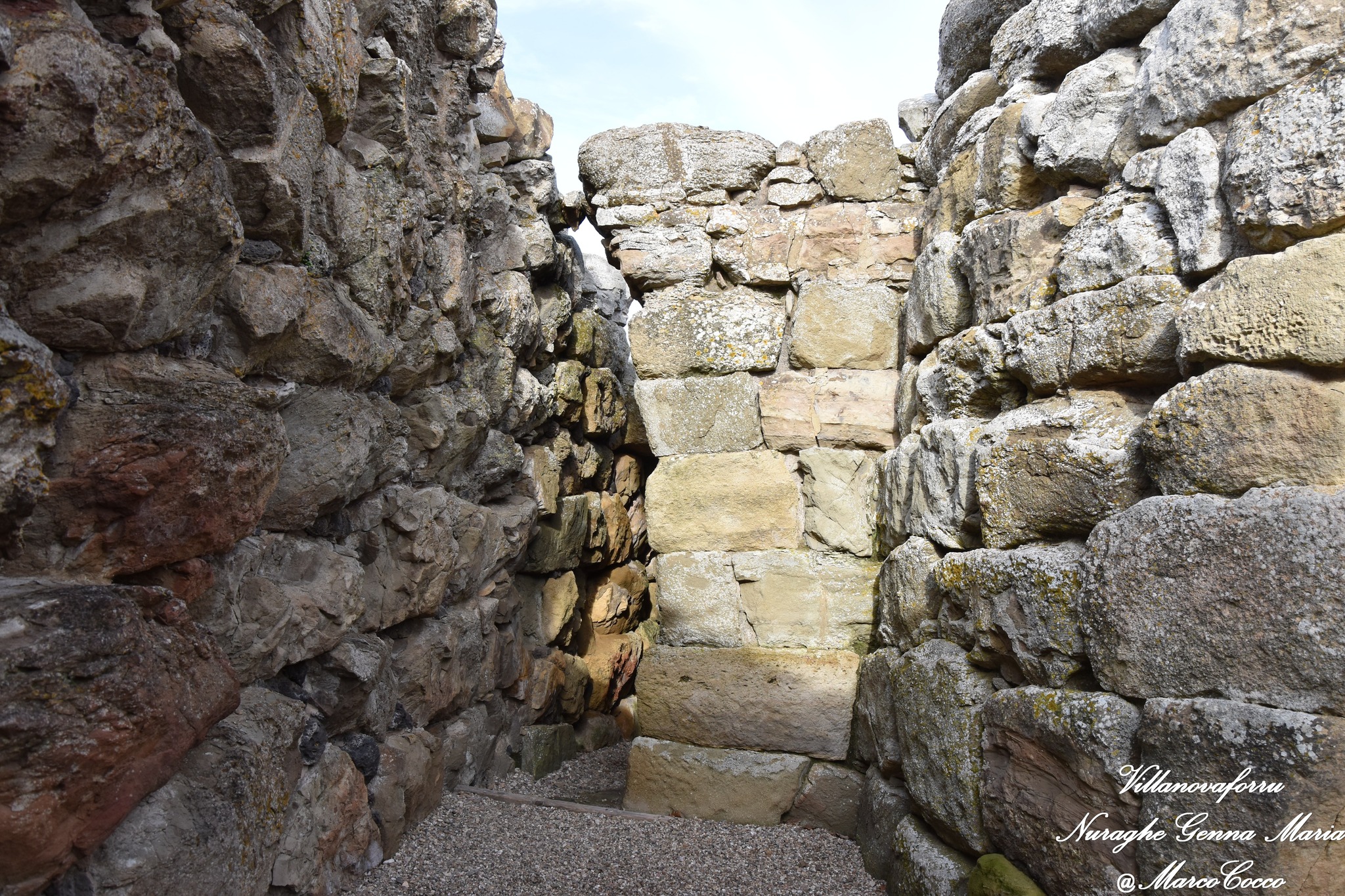
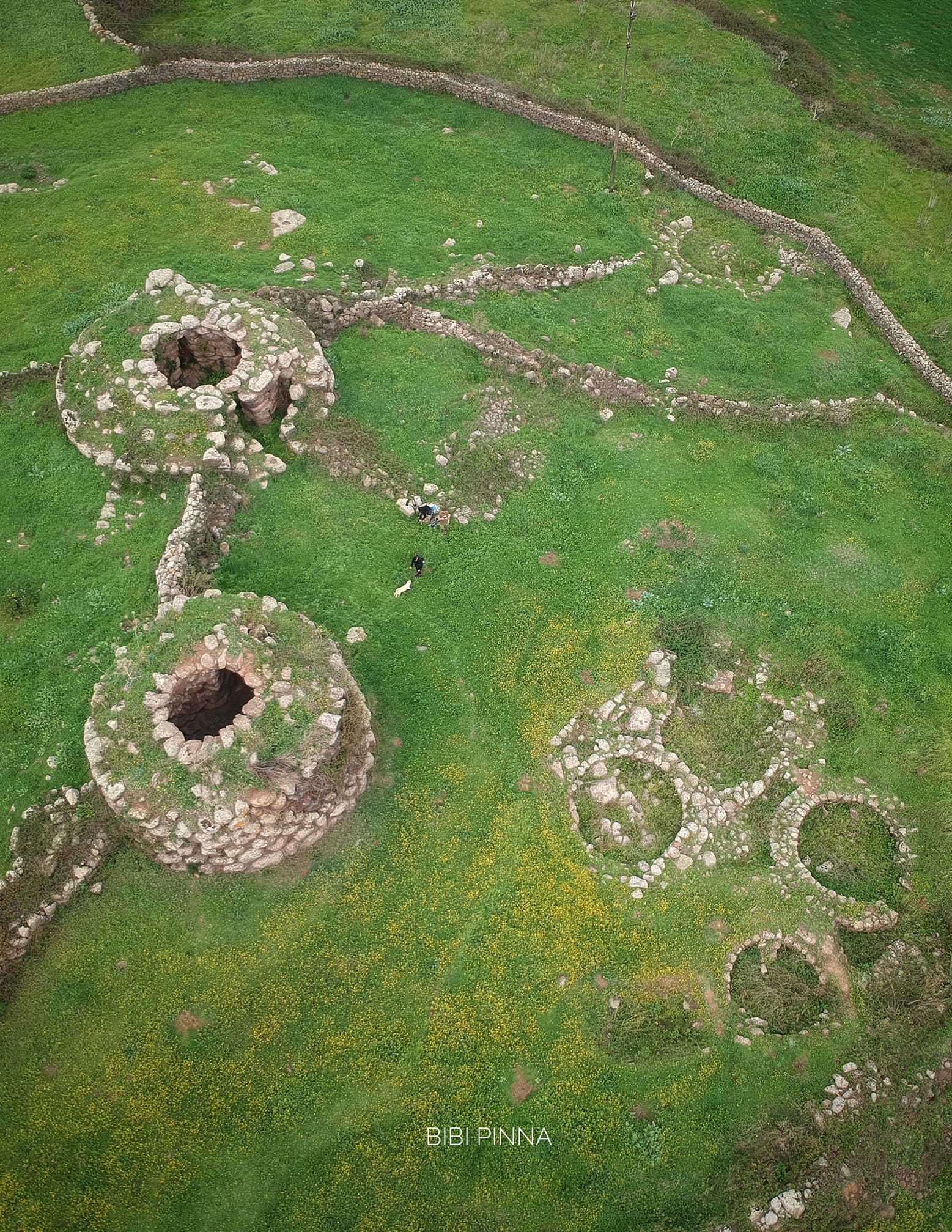
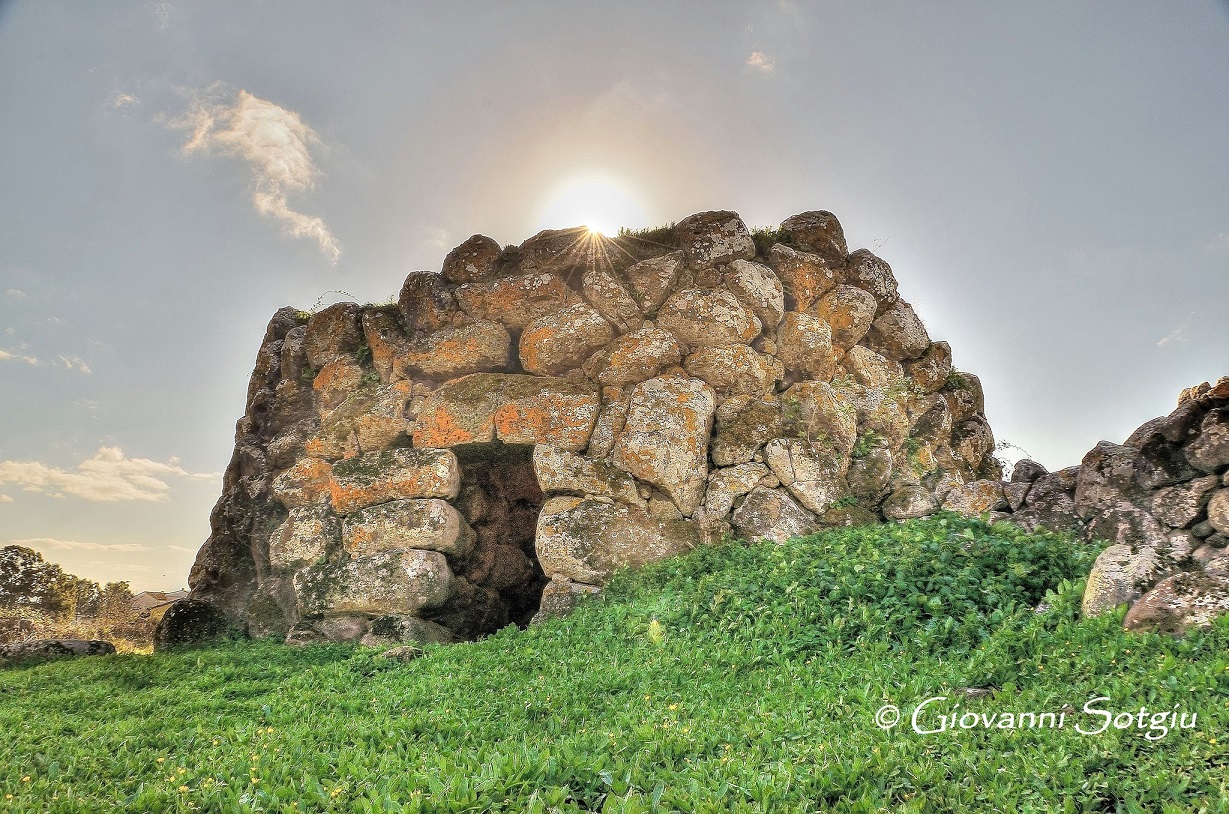
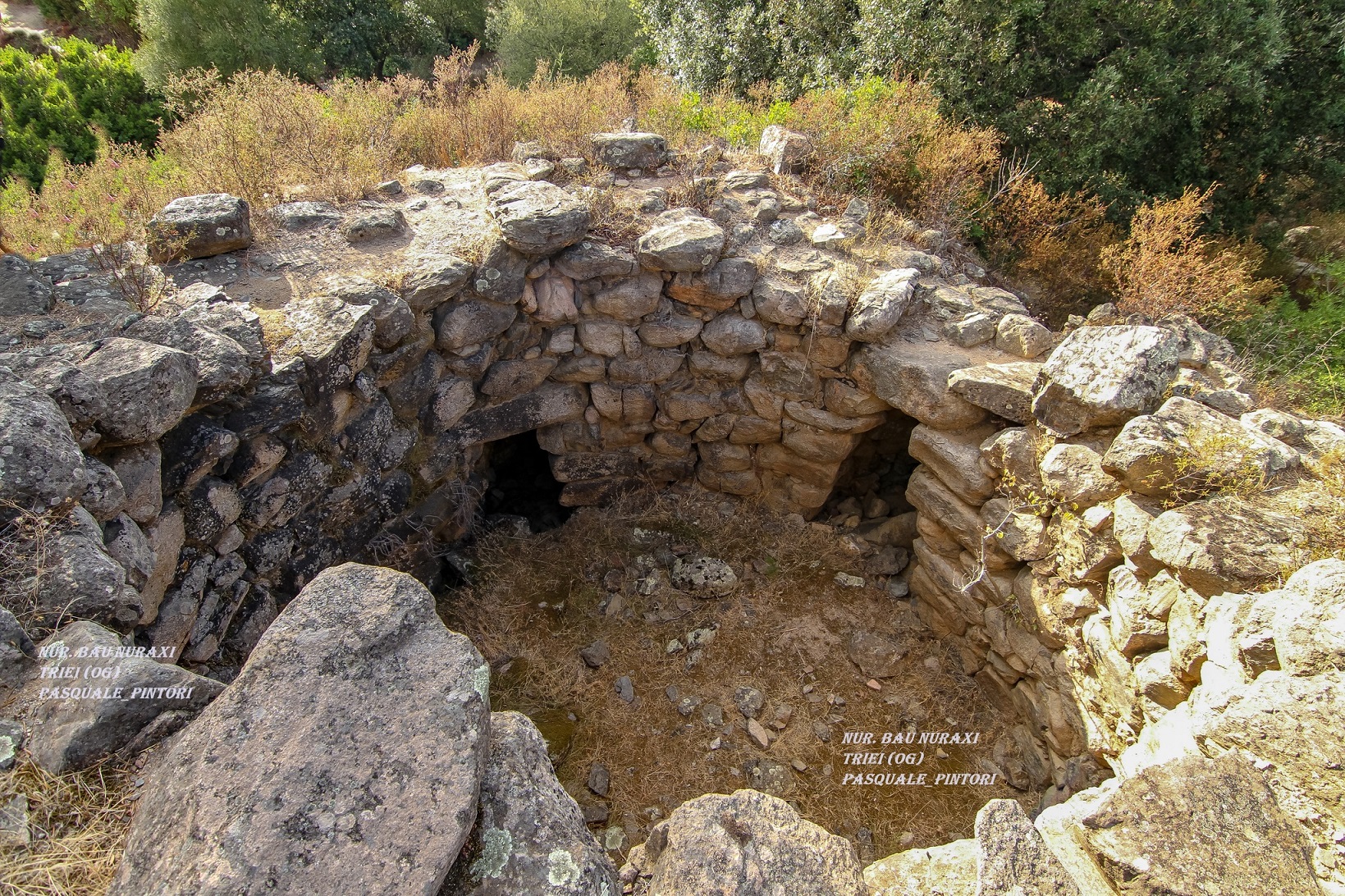
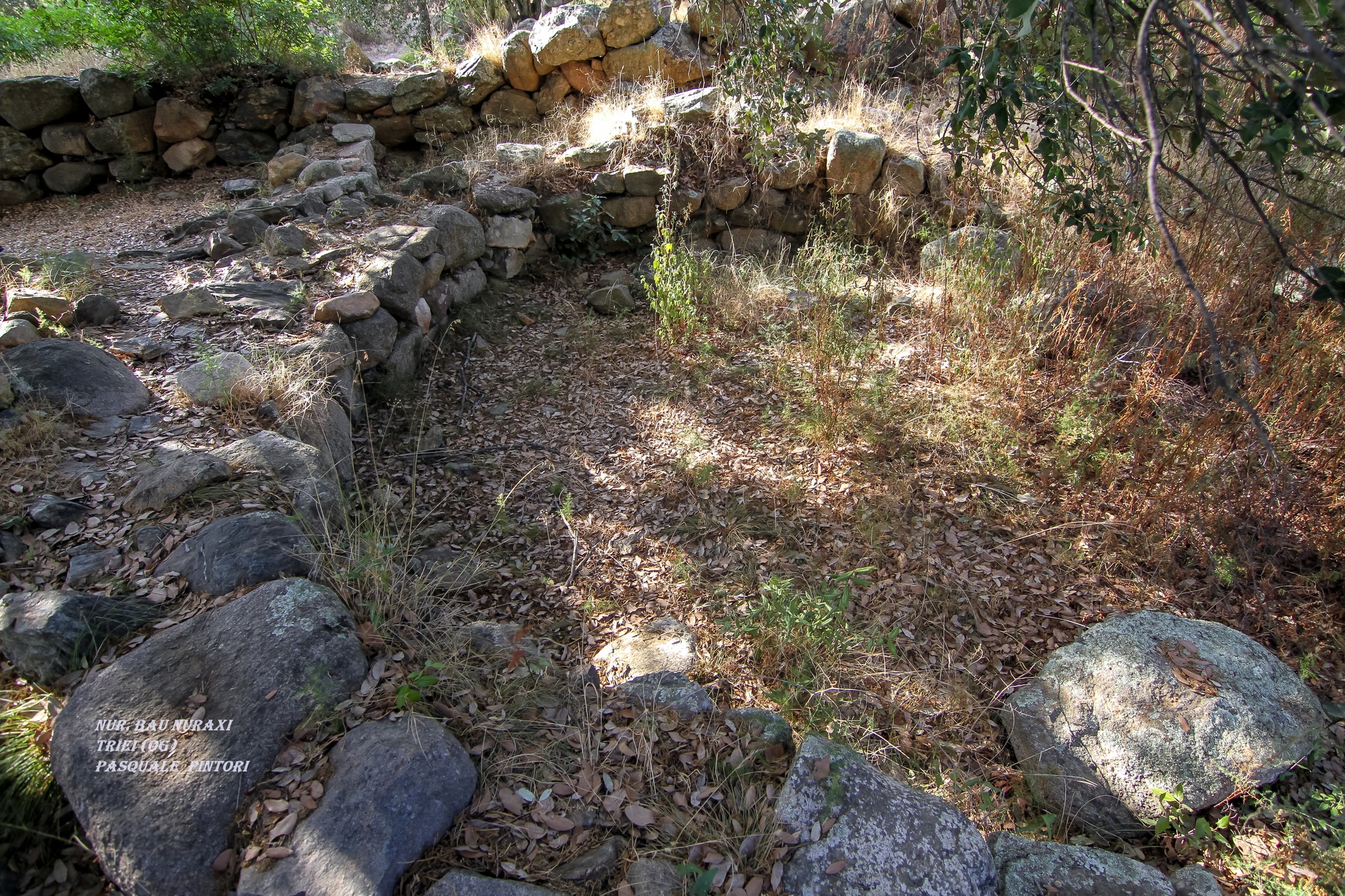
The wine press at Monte Zara is irrefutable proof; other clues already supported the hypothesis. The nuragic well of Sa Osa (15th century B.C.), in Cabras, was a natural ‘fridge’ of Vernaccia and Malvasia grape seeds. Grape seeds are identical in the archaeological layers from 1400 to 800 BC: it follows that the Nuragic people cultivated the same grape varieties for 600 years. Charred grapes have been found in the villages of Nuraghe Adoni at Villanovatulo (12th century BC), Nuraghe Genna Maria at Villanovaforru and in the settlement of Duos Nuraghes at Borore (14th century BC). Pollens of Vitis vinifera vinifera have been found in a hut of the Bau Nuraxi di Triei (11th century BC), together with a jug and a bronze basin often related to wine[…]’.
Source: Sardegna Turismo.
Attached:
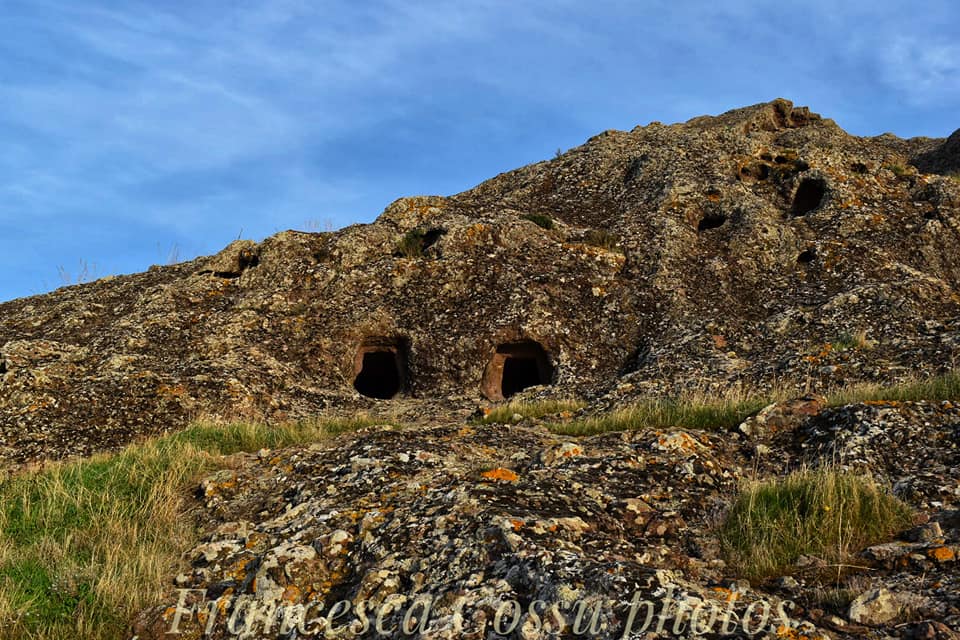
– The domus de janas and the wine press of Monte Zara in Monastir (photo by Marco Cocco and Francesca Cossu).
– The Adoni nuragic complex at Villanovatulo (photo by Diversamente Sardi).
– The Genna Maria nuraghe of Villanovaforru (photo by Marco Cocco).
– The settlement of Duos Nuraghes at Borore (photo by Bibi Pinna and Giovanni Sotgiu).
– The Bau Nuraxi nuragic village of Triei (photo by Pasquale Pintori).