Categories Insights Nuragic heritage

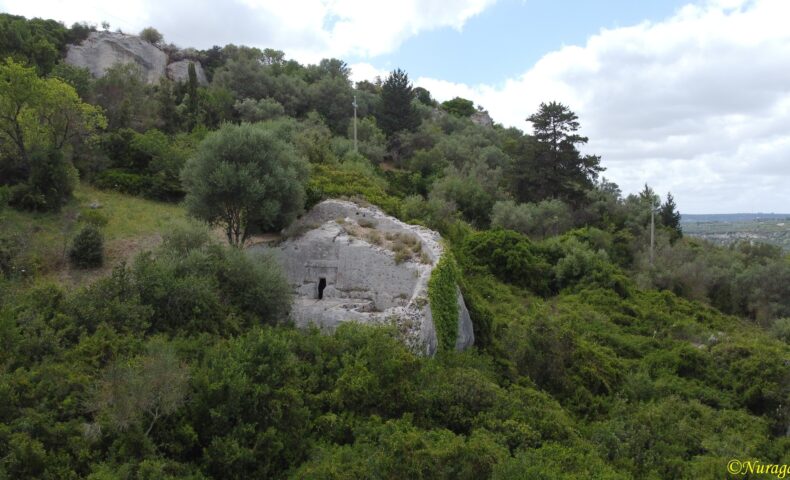
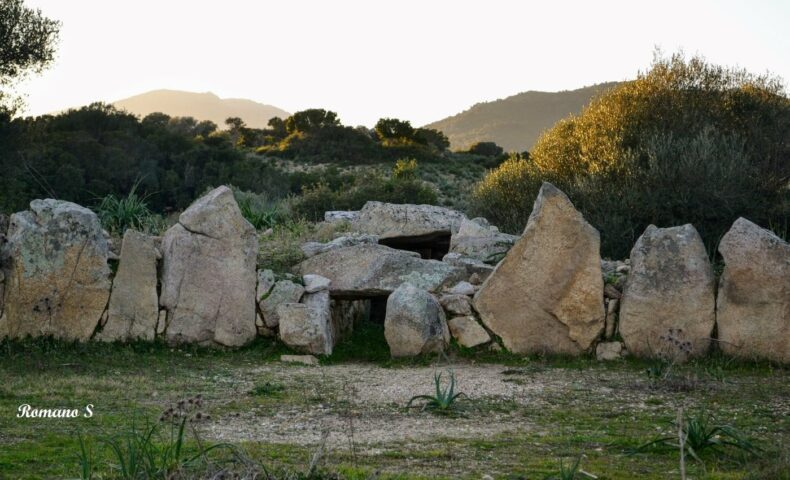
Tombs with architectural elevations

The Tomb of Giants is the type of tomb specific to the Nuragic Age throughout Sardinia: it too is characteristic of the Nuragic civilisation and finds no analogy with contemporary tombs on the Italian peninsula or in Europe. There are, howe...
Categories Monuments Nuragic heritage

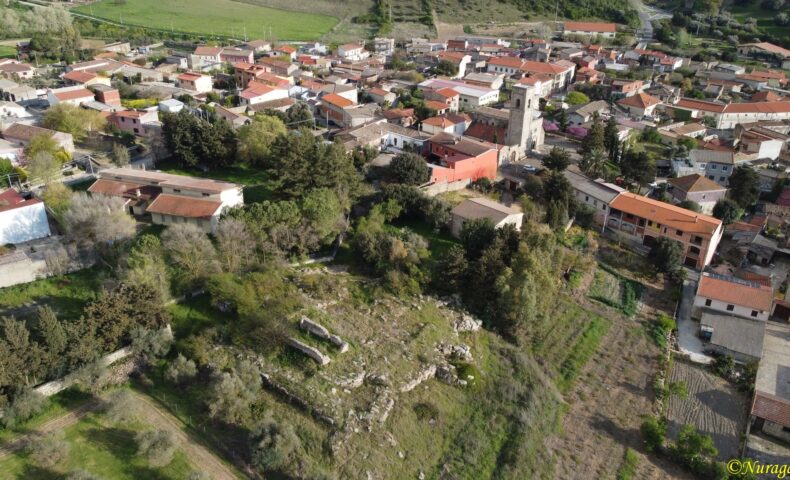
The Nuraghe San Sebastiano in Gesico

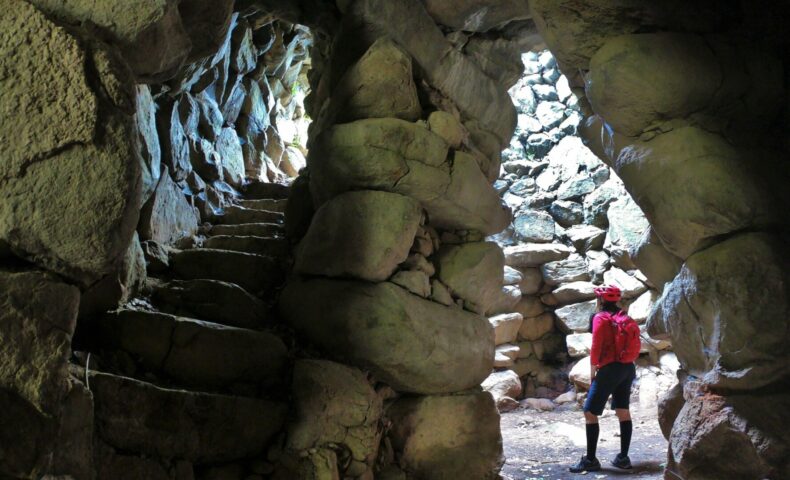
With regard to the Nuraghe San Sebastiano, located in the Gesico settlement, the MIbact website states that the nuragic complex consists of nine towers, three of which refer to the central structures and six to the robust antemurary walls....
Categories Insights Nuragic heritage

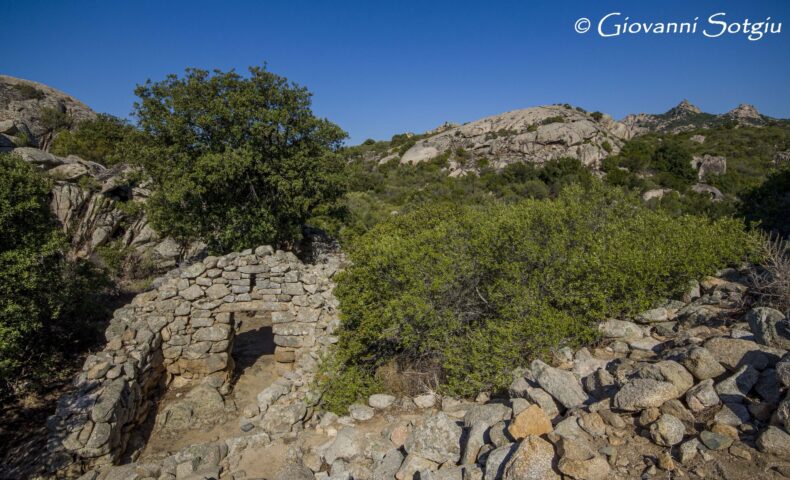
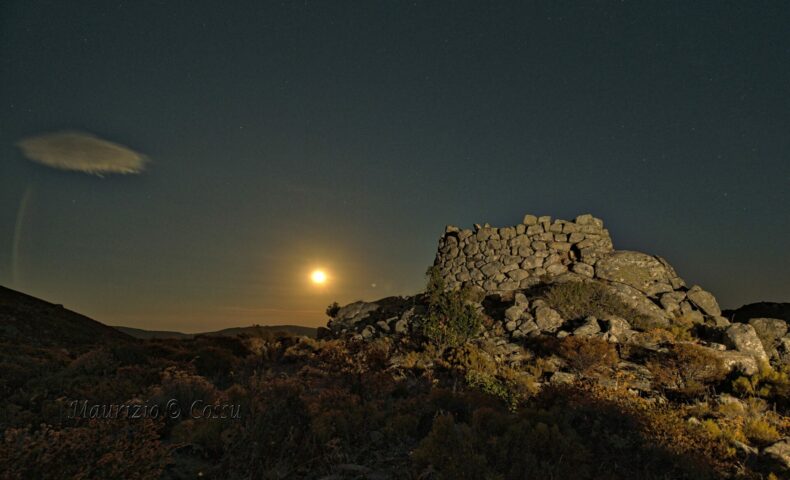
The minor nuraghi

The Sardinian territory, as is well known, is home to several thousand monuments dating back to the so-called 'Nuragic Age', of varying size and articulation. Some are in a state of preservation that allows them to be appreciated in all the...
Categories Monuments Nuragic heritage

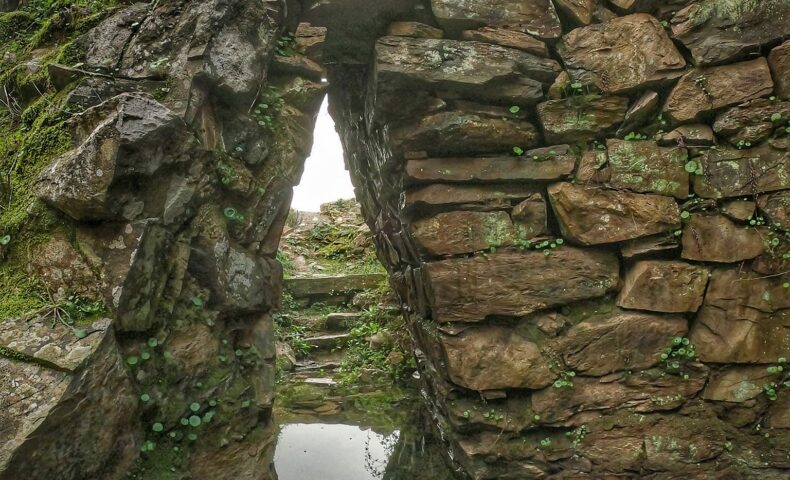
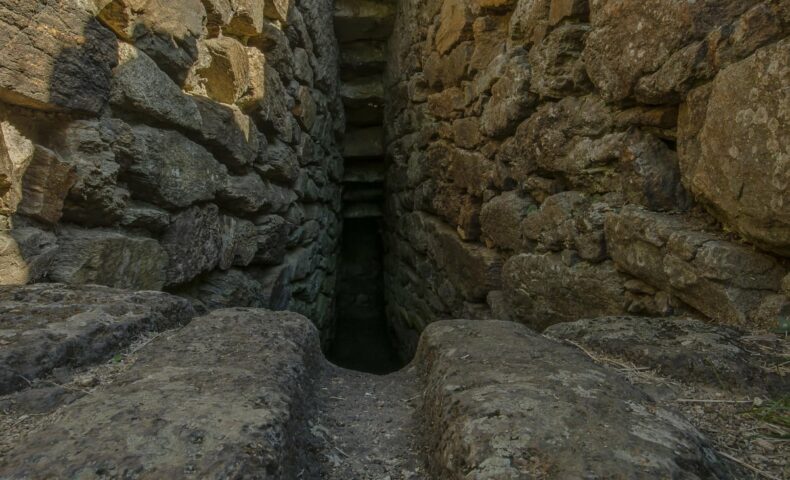
The Sa Testa sacred well in Olbia

The sacred well of Sa Testa is one of the best-known places of worship in Nuragic Sardinia. It can be dated to the Final Bronze Age (12th-11th century B.C.). It was built with blocks of local schist, granite and a single element, the first...
Categories Insights Nuragic heritage

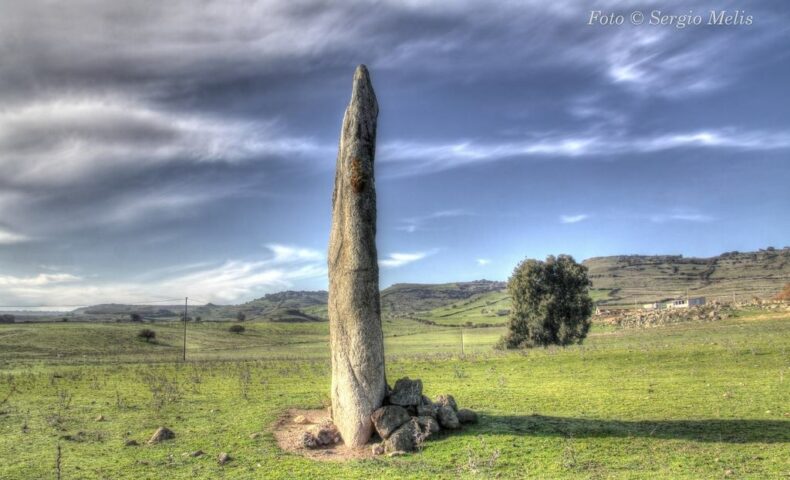
Luxia rajosa

Luxia is a female mythical character in the Sardinian narrative tradition, who is linked to the most varied arguments, although her presence is felt most strongly when it comes to punitive petrifactions. She is spoken of throughout Sardini...
Categories Monuments Nuragic heritage

The Aeddos Nuraghe of Orotelli

The Aeddos Nuraghe is located at the Sa Serra plateau, in the territory of Orotelli, within the municipal park. Made of large boulders of local granite, it is a complex structure with a central tower (keep) and three other secondary ones ar...

La Sardegna verso l'Unesco uses Accessibility Checker to monitor our website's accessibility.