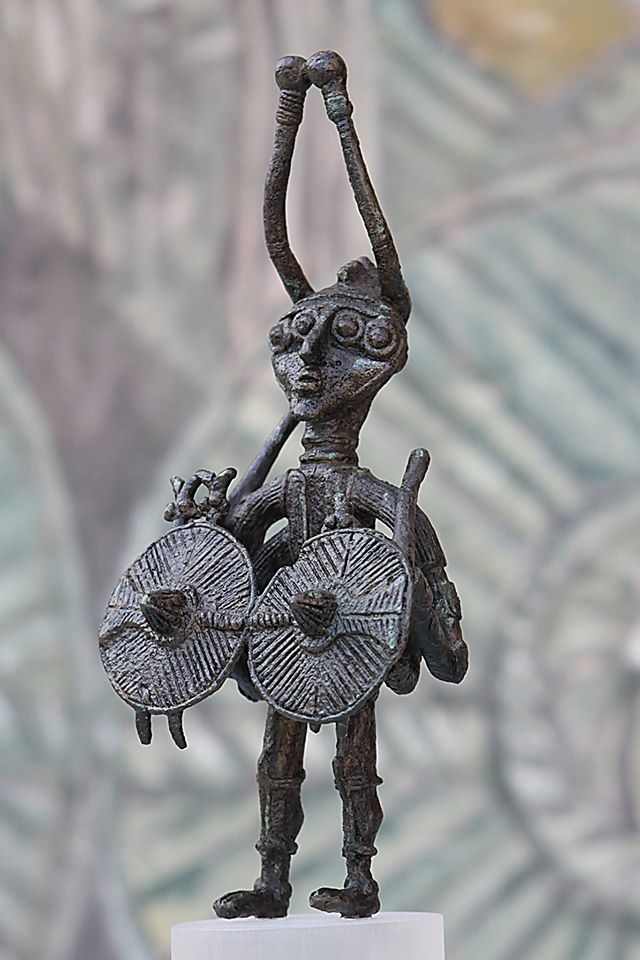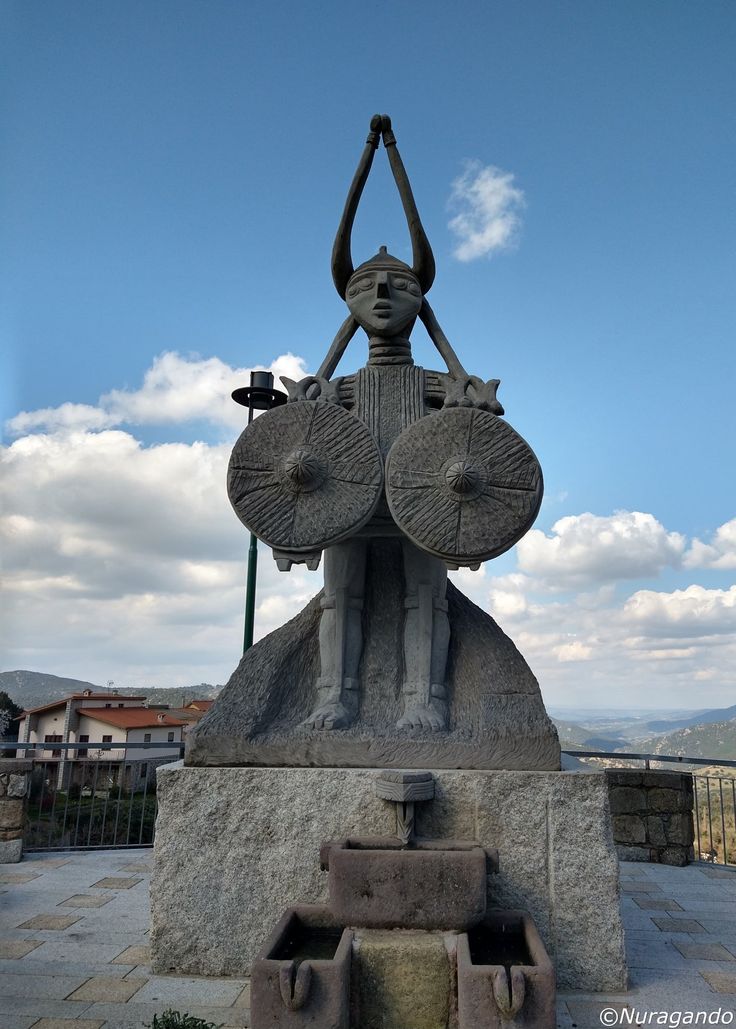
<<… The first illustrator, Spano, recognised in it a hero whose strength and military skill would be represented by the interaction of arms and weapons, while the hyperophthalmia would signify the wise foresight and detached terribleness of the superior character. Others (Pais, Milani, Von Bissing) wanted to see in it a deity with allusions to gods from the Phoenician pantheon (Krono with four eyes), Greek (Briarèo with a hundred arms), Indian etc. Pettazzoni proposed the curious hypothesis that it was the image of a soldier who had successfully passed the hordalic judgement of the waters. Perhaps it is a demonic figure, certainly mythographic, in which, the sympathetic magic of the iteration of the limbs translated into expressionistic and ‘illustrative’ forms of art, precisely to mark the real detachment, exalts the warrior value; a conceptual abstraction rooted in the spirituality of the Nuragic peoples and easily transferred into an image for a civilisation ready to symbolise despite strong ‘natural’ resistance >> (Giovanni Lilliu: “Sculptures of Nuragic Sardinia” – Illisso editions).
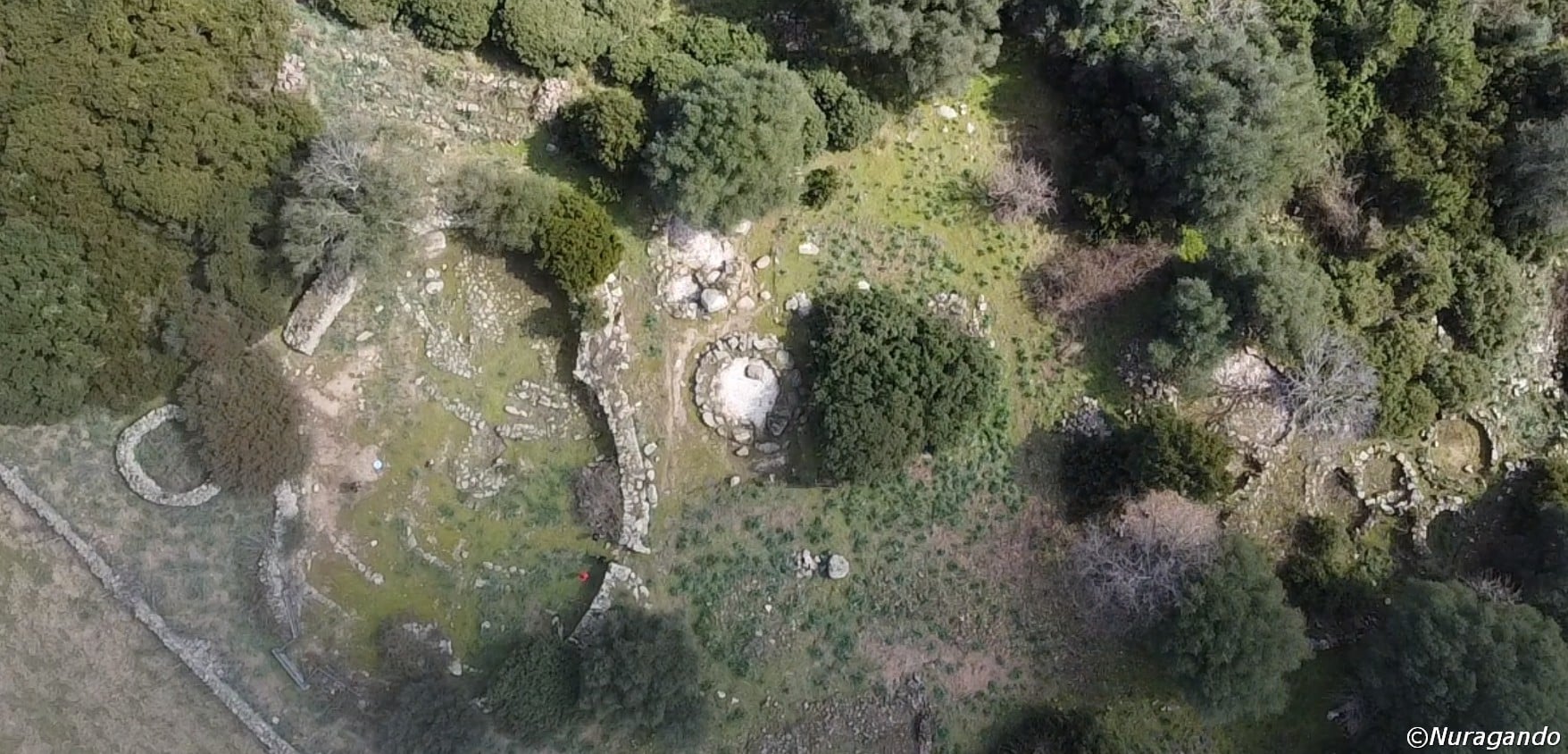
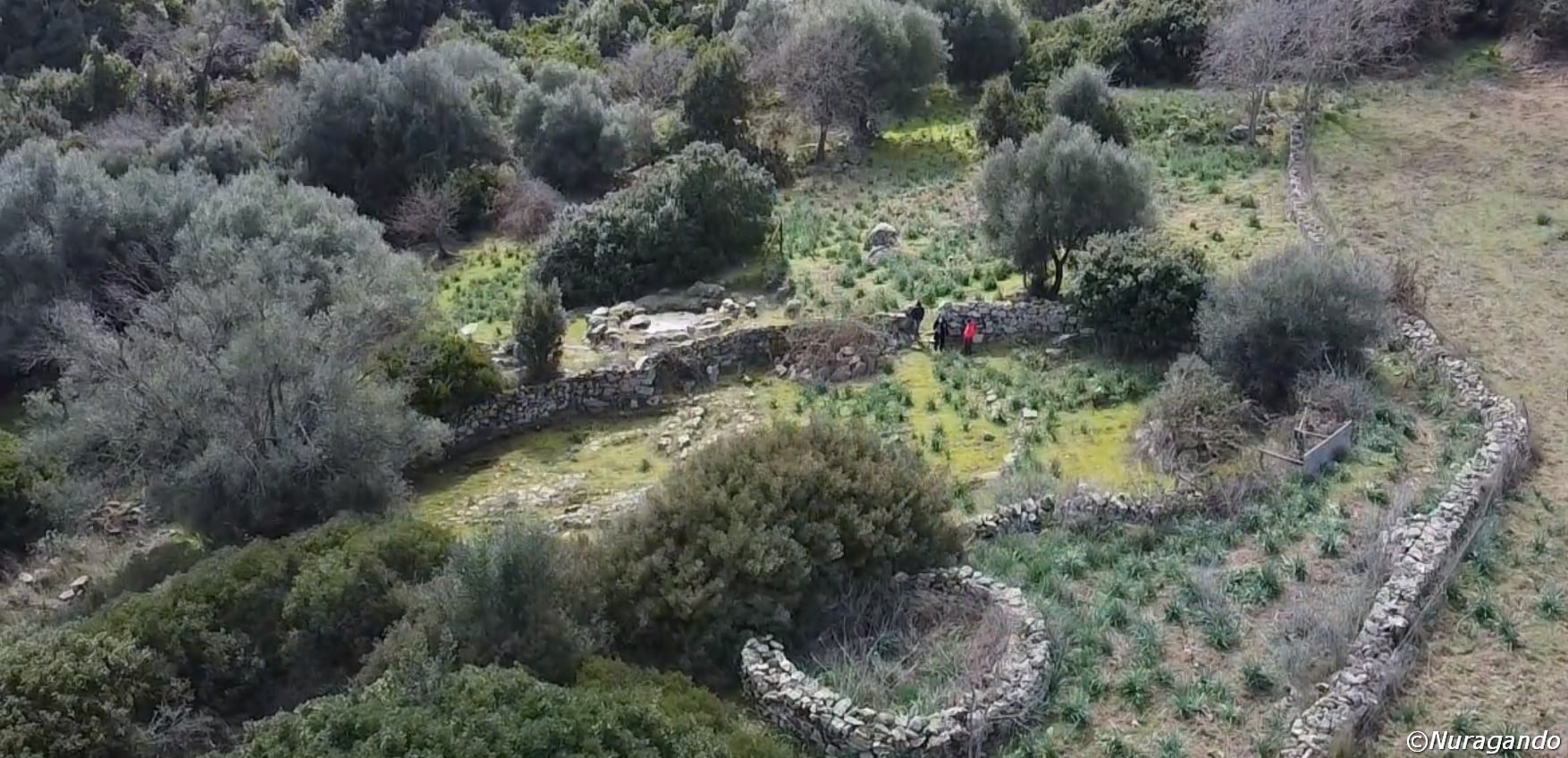
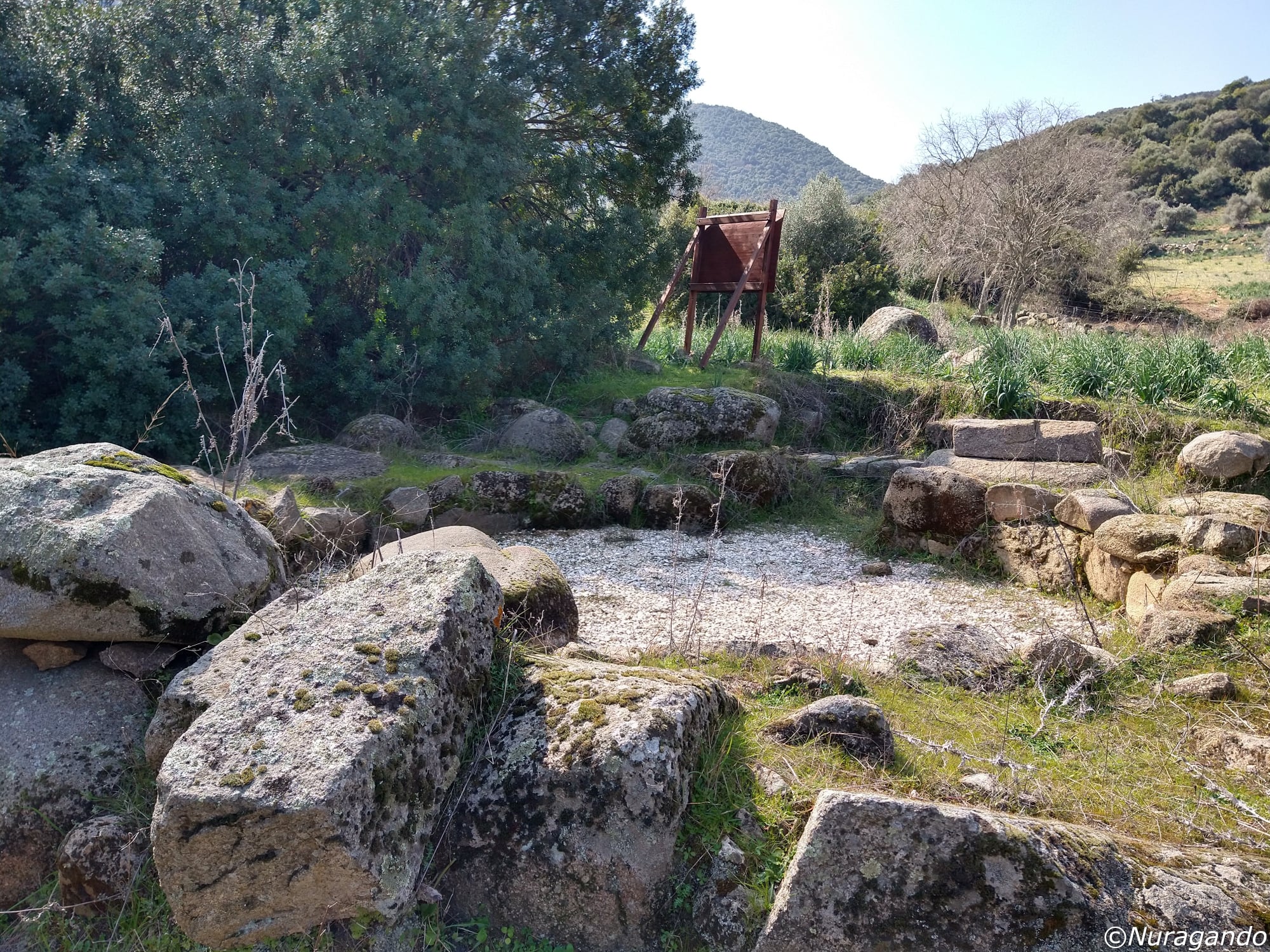
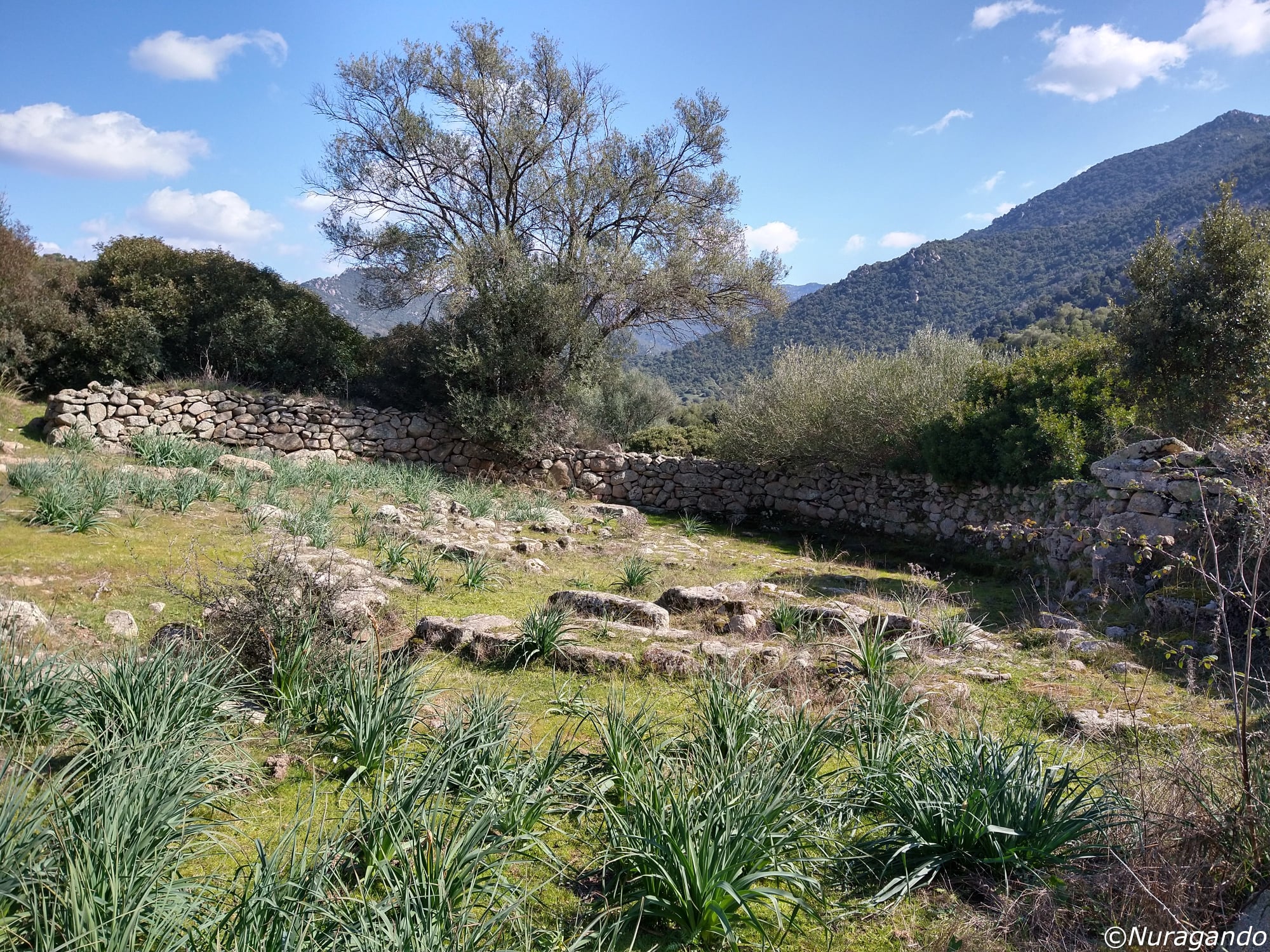
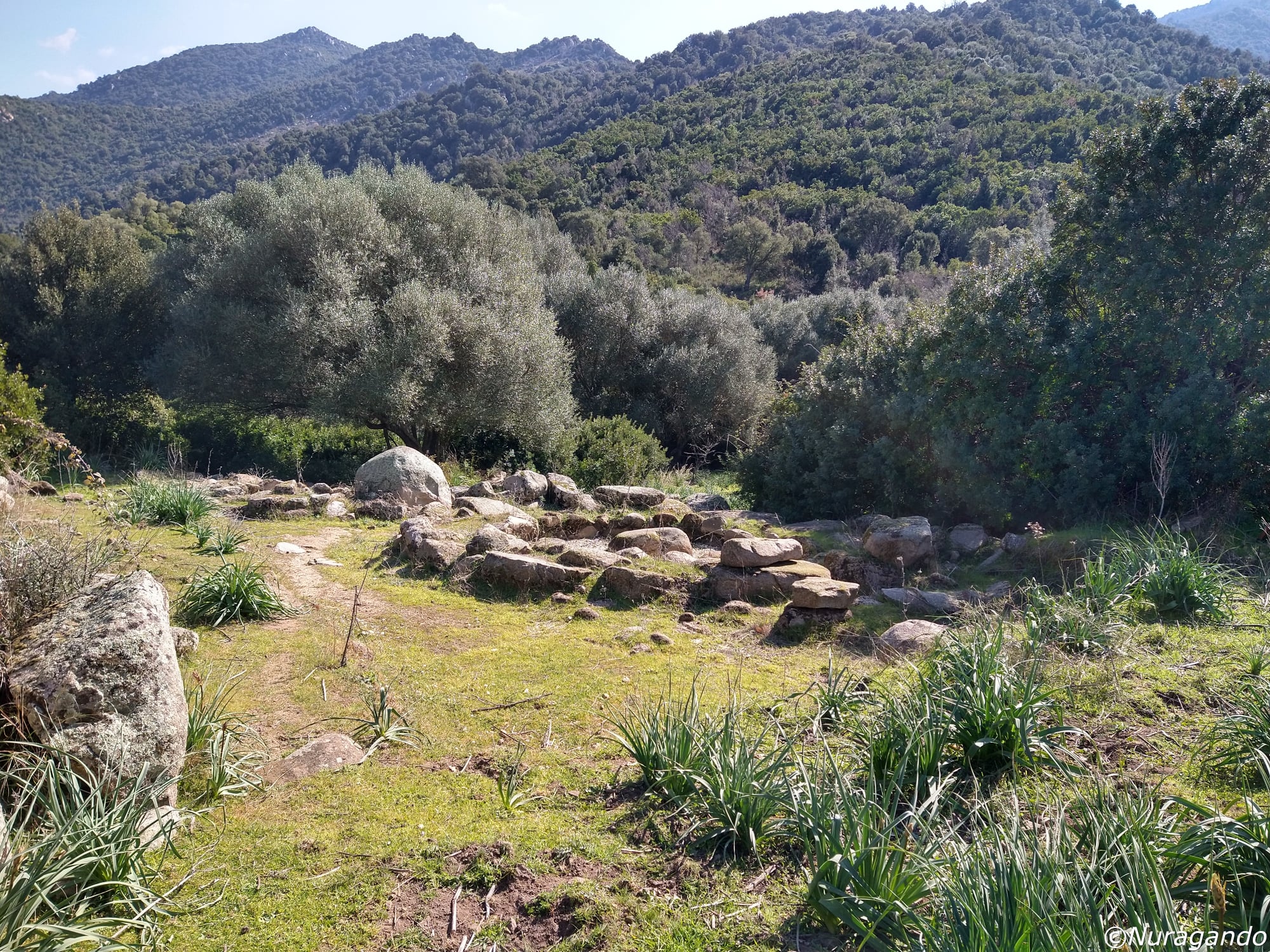
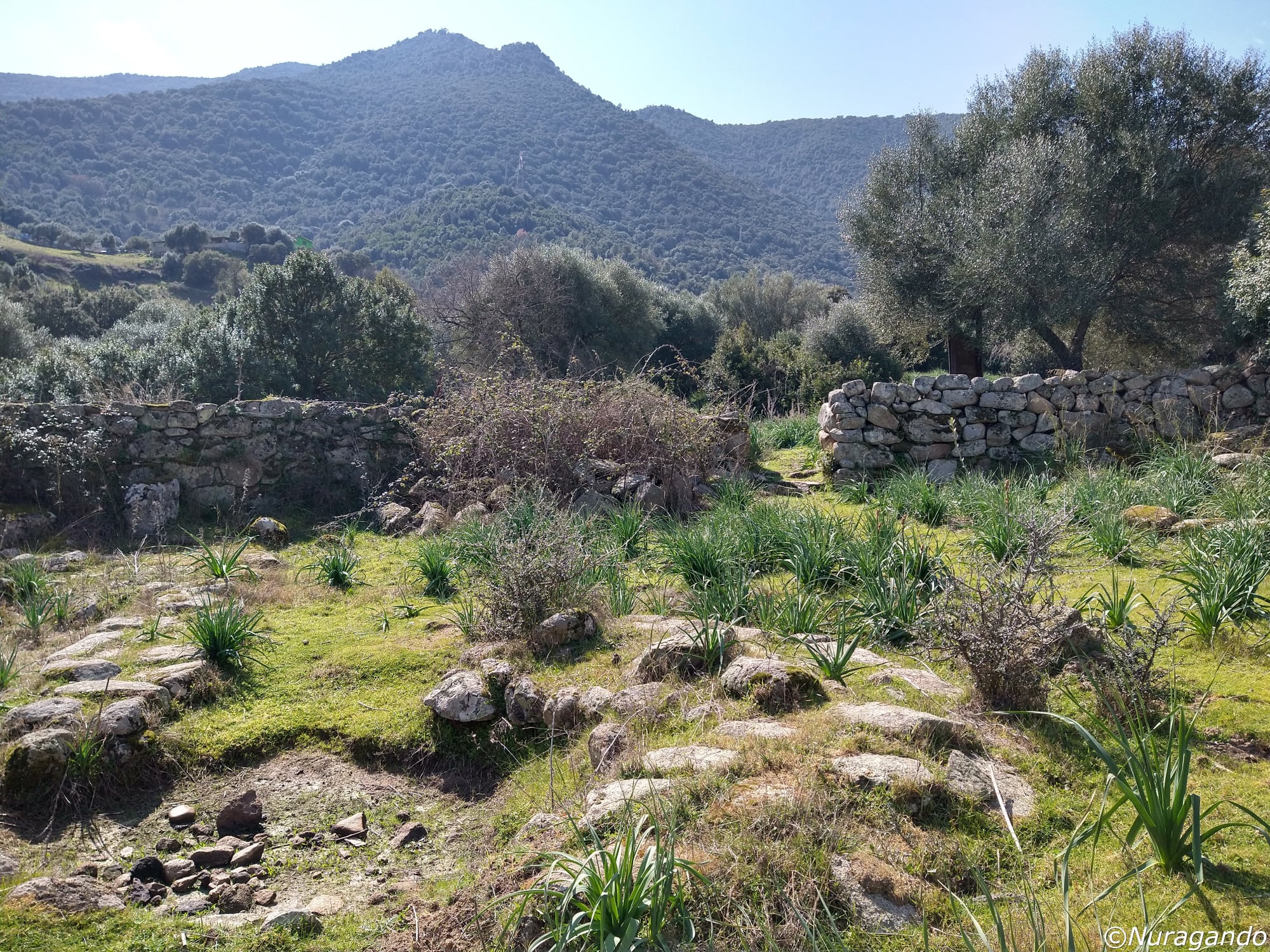
In the pictures: The bronzetto of the hero/demon (archaeological museum of Teti) and the nuragic sanctuary of Abini (Teti) in Andrea Mura-Nuragando Sardegna’s shots.
Also in a photo by Andrea Mura-Nuragando Sardegna, the large stone statue of the hero/demon, made by Belvì artist Tonino Loi and erected in the small Mulare square in Teti.