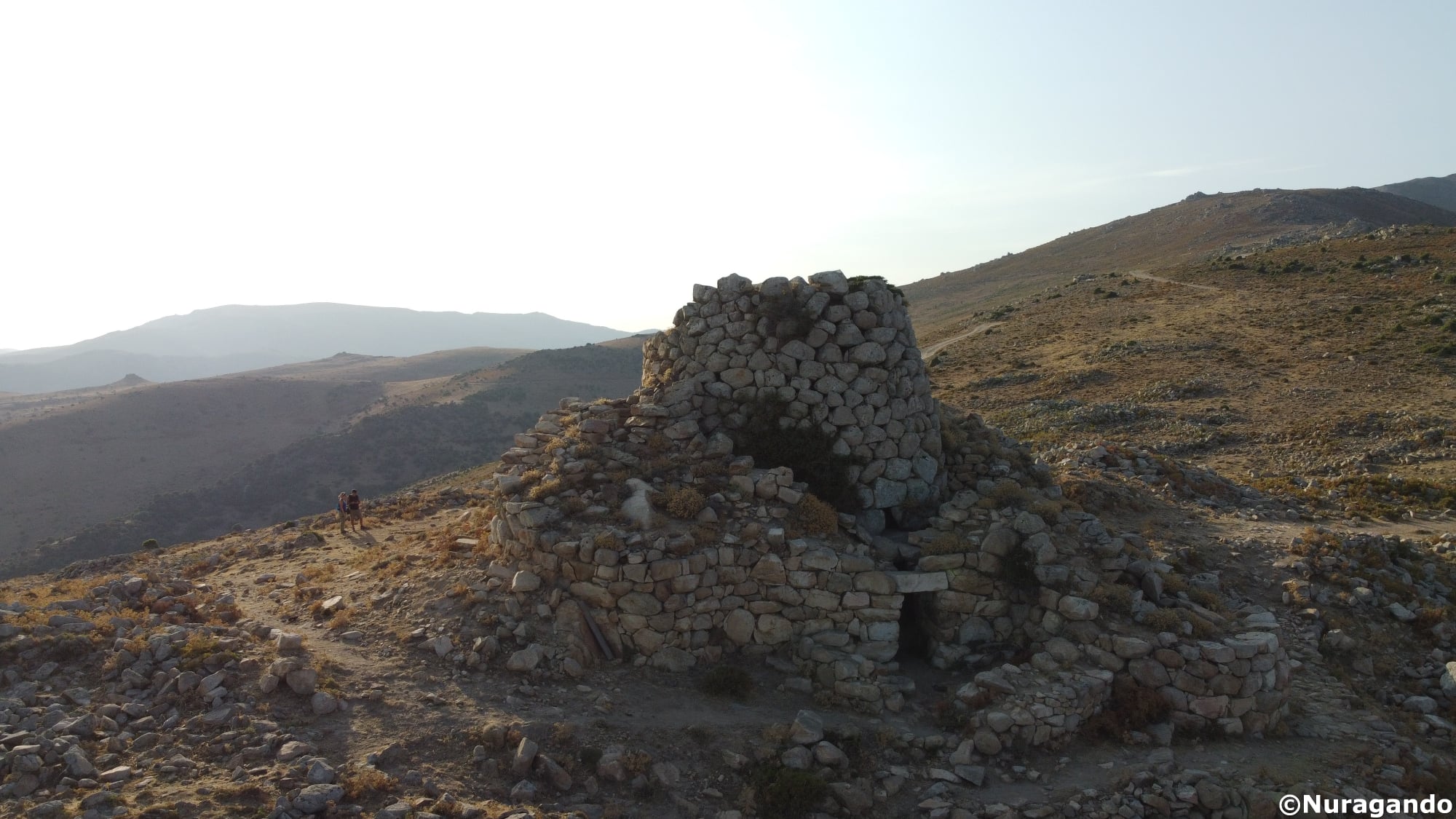
In Ogliastra, in central-eastern Sardinia, stands a large nuragic ‘citadel’ with a long history, surrounded by beautiful natural scenery.
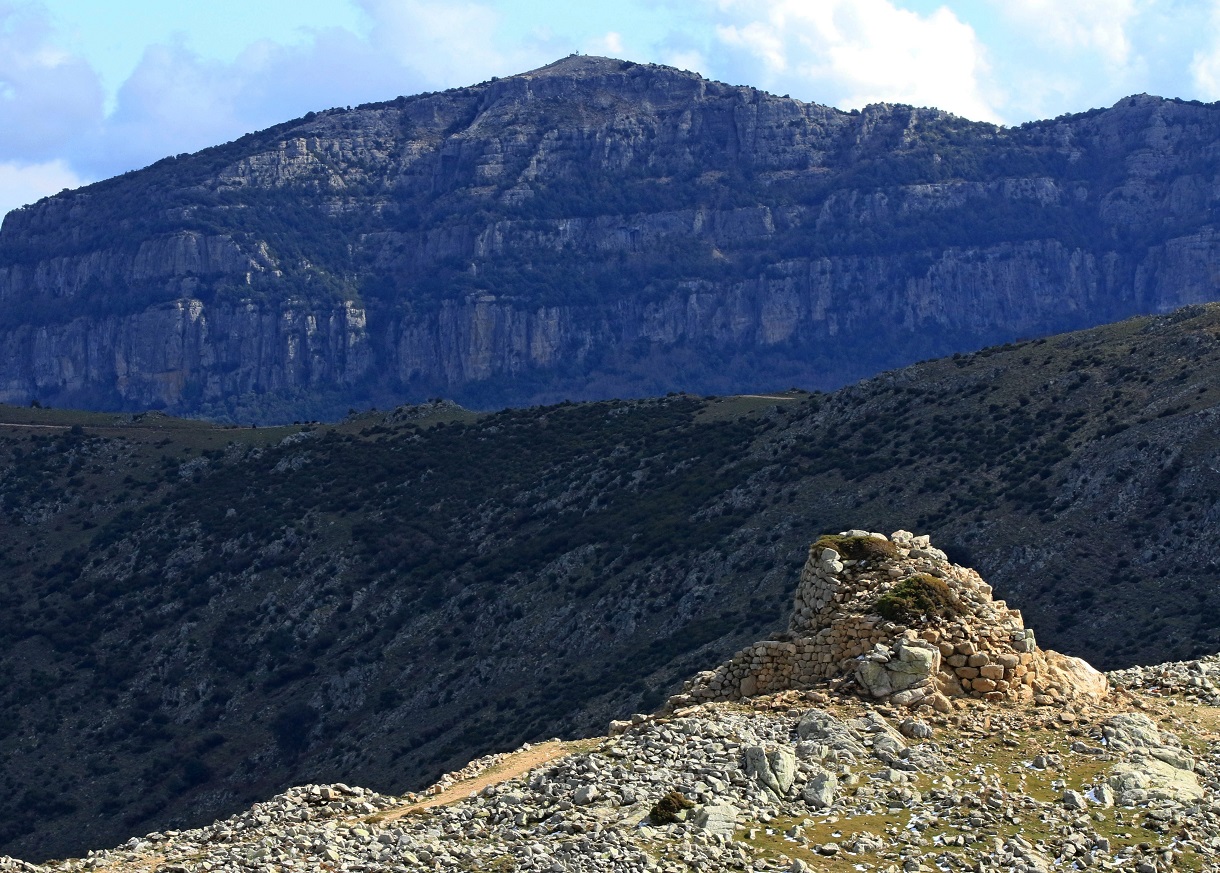
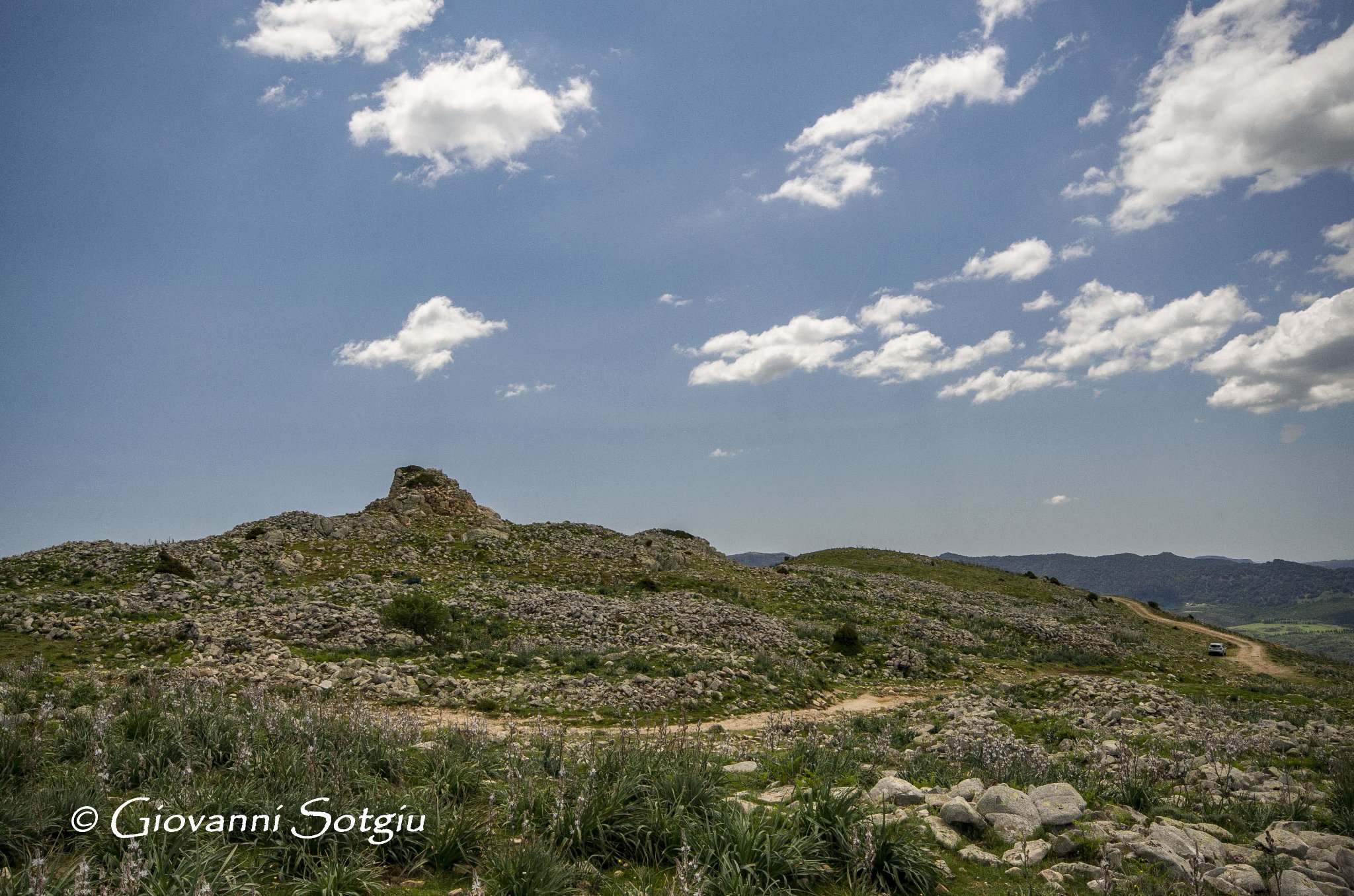
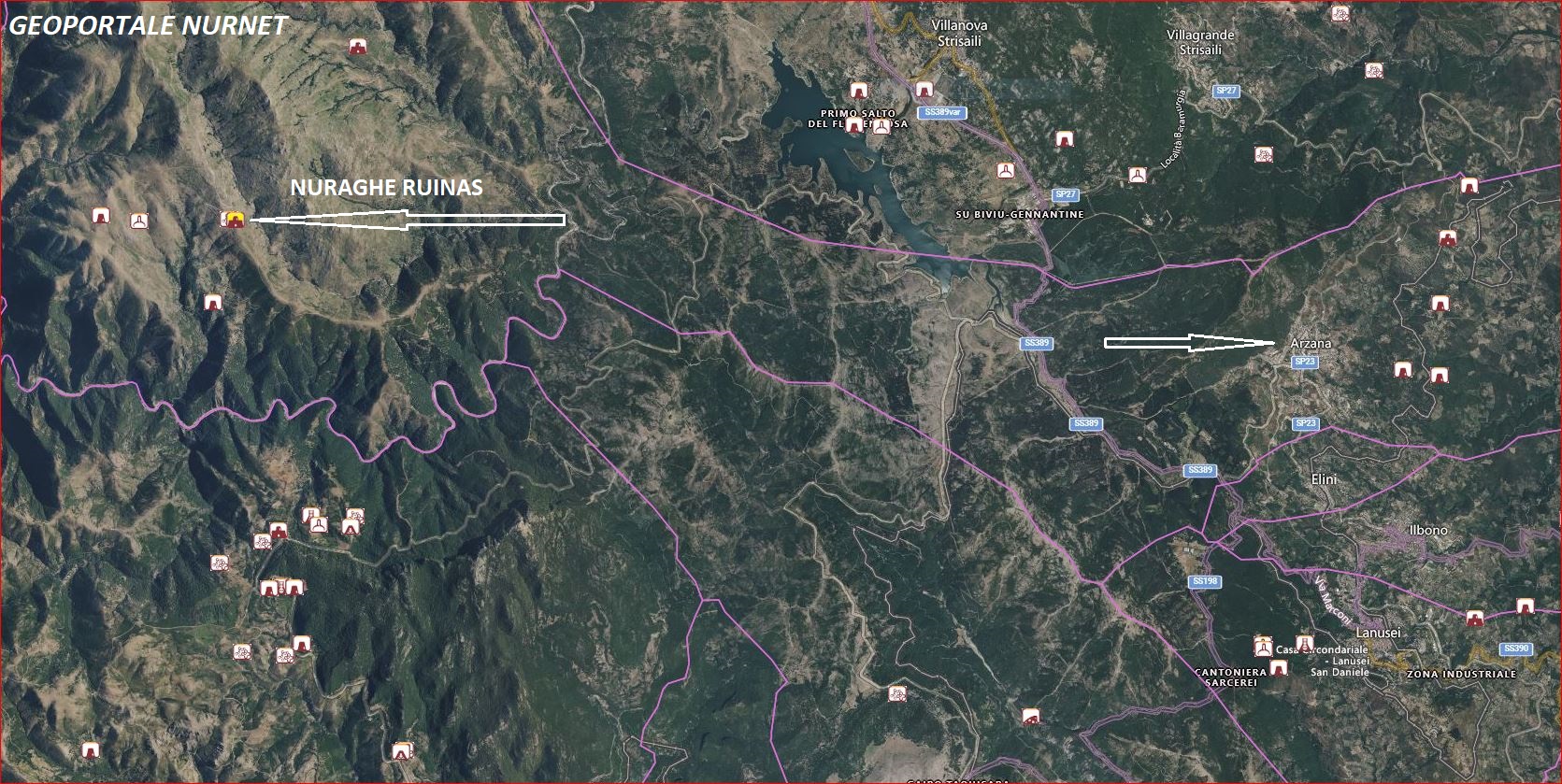
It towers at the foot of the Gennargentu, at an altitude of around 1,200 metres, imposing itself as one of the ‘highest’ Bronze Age settlements in Sardinia, and the traces of the surrounding village tell a story steeped in legend. The Ruinas Nuraghe is ‘immersed’ in the mountainous landscape of Arzana, not far from woods, waterfalls and springs.
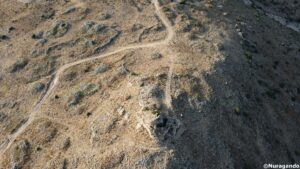
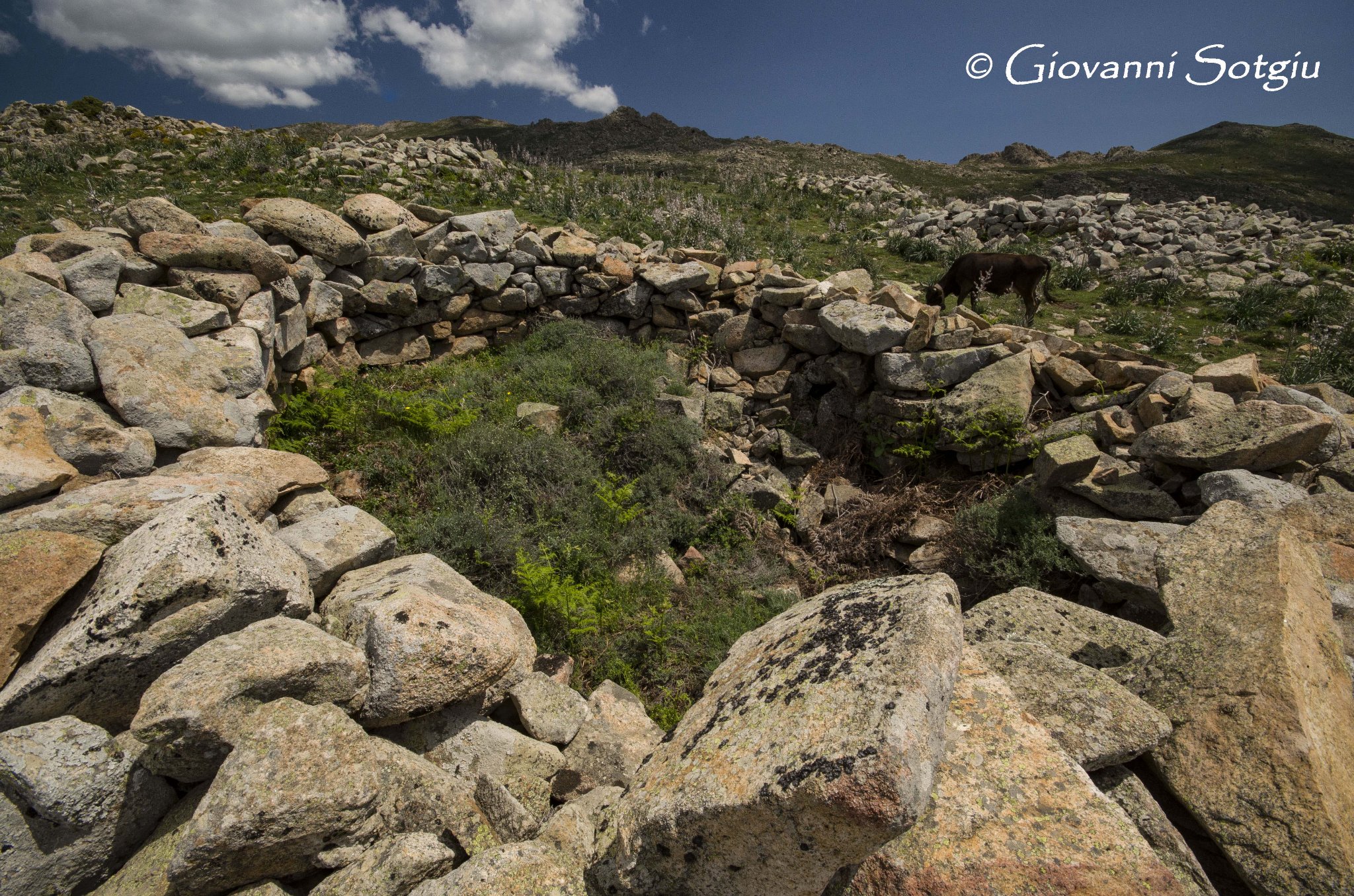
Orruinas – as it is called by the people of Arzana – must have been a settlement of particular importance: in addition to the nuraghe, it counts a Giants’ tomb, (perhaps) a sacred well and, above all, a vast village of which there are today about 200 huts, but it is assumed that originally there were many more.
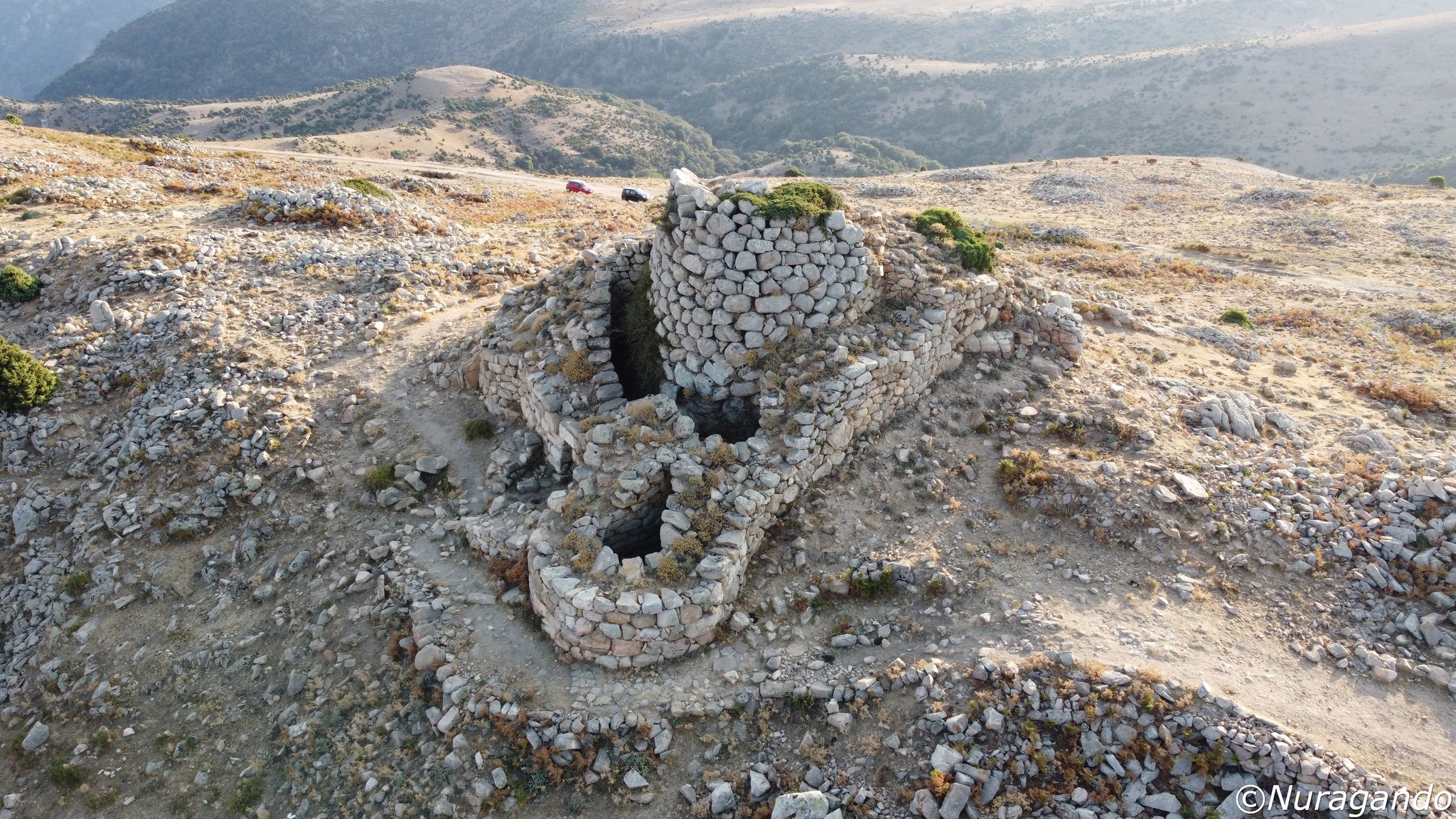
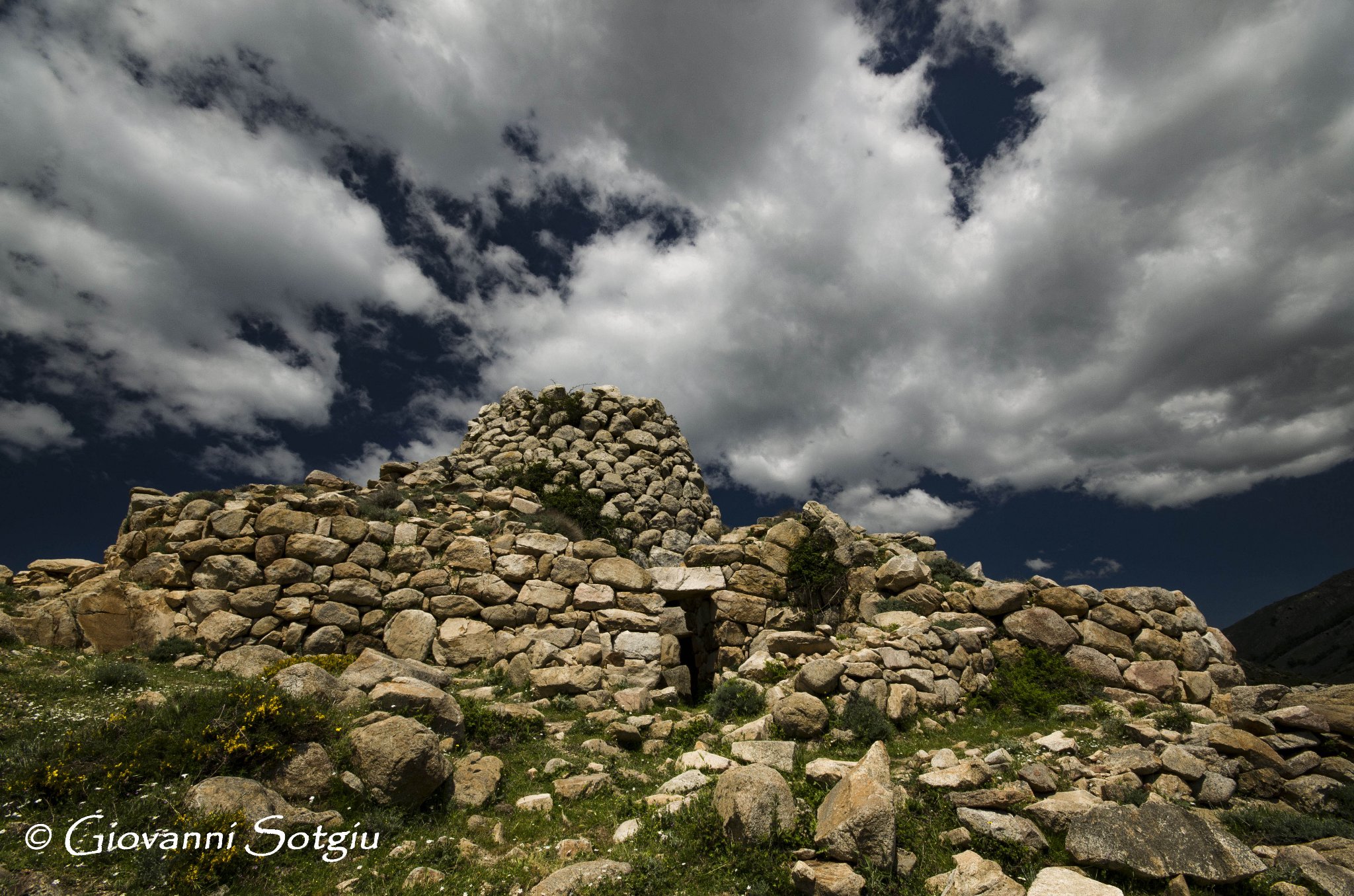
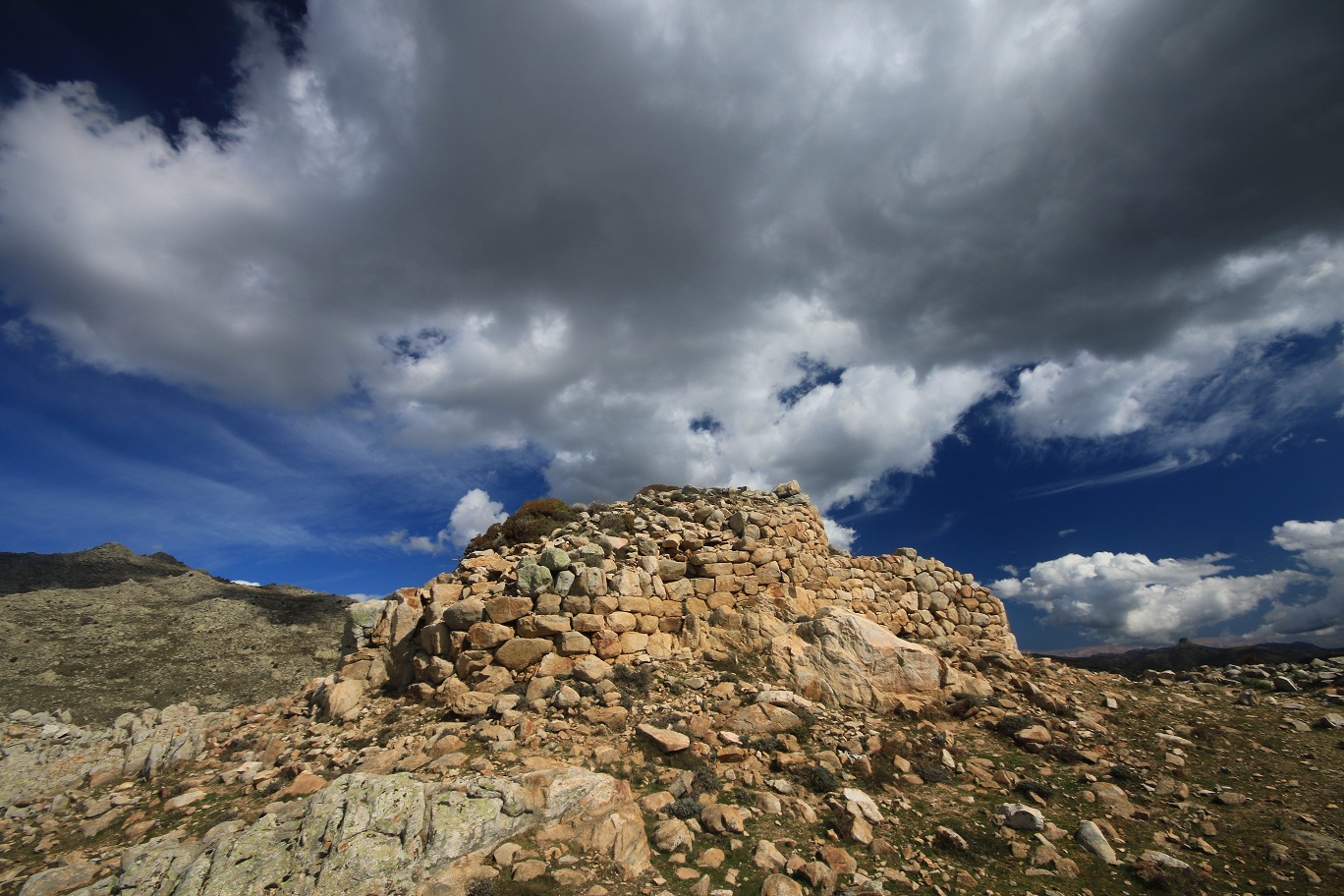
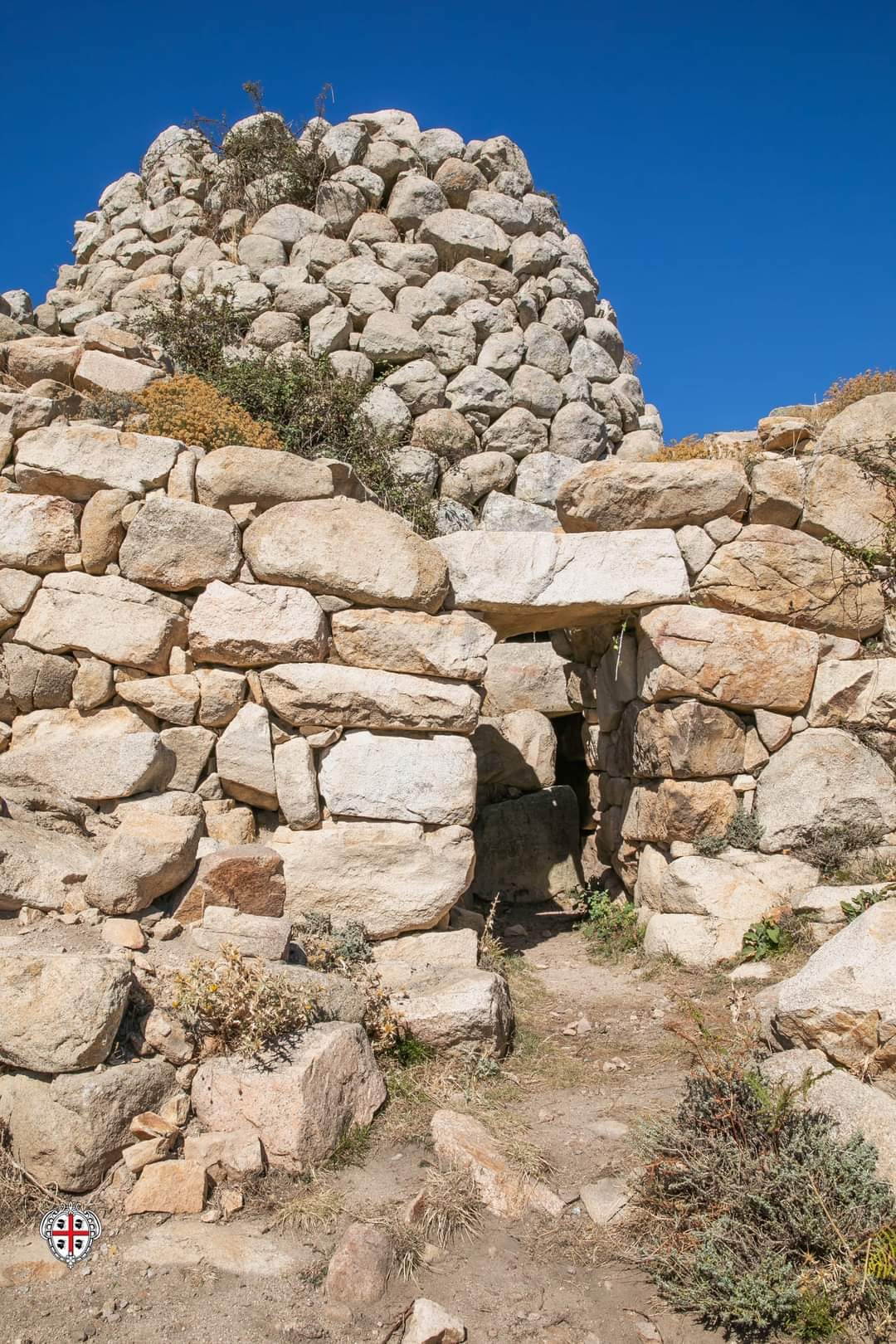
The nuraghe has a three-lobed layout, the donjon is preserved in height for about 8.5 metres and the main chamber still has its tholos roof, while to the left of the entrance you will spot the staircase that led to the upper chamber, which has since collapsed.
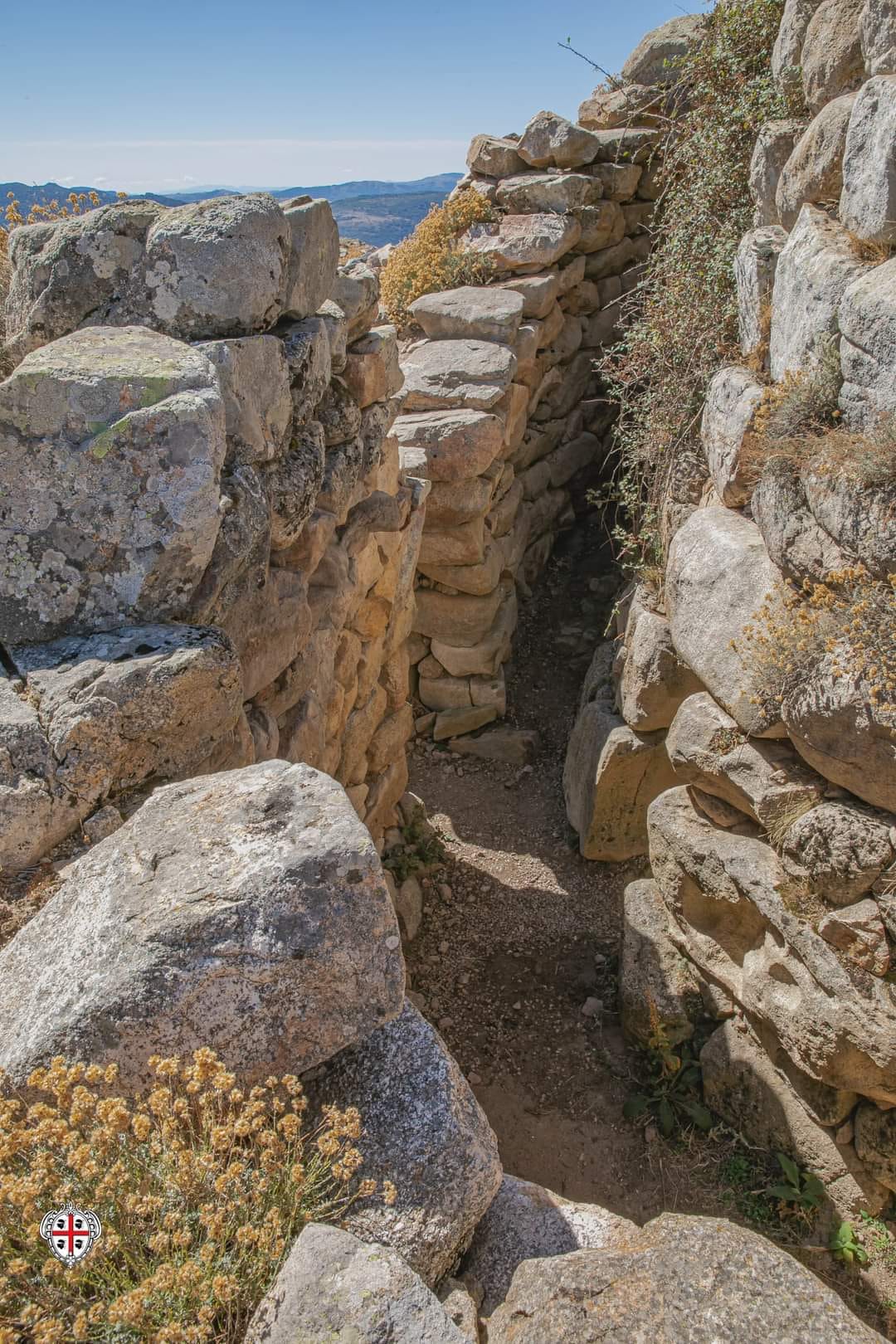
The side towers show signs of reconstructions: in one, the main chamber was ‘sacrificed’ to allow the construction of an enclosure wall, sparing a small room, from which a staircase led both to the upper floor and to a walkway on the curtain wall that connected two towers. Between the bastion and keep, you will notice the courtyard, which has an irregular layout.Around the nuraghe extended the village, with mainly circular structures and a rectangular building, which some interpret as a meeting hut, given its considerable size, twenty metres by thirty. A few hundred metres north of the nuraghe stand the remains of the village’s landmark Giants’ Tomb. The settlement has yielded numerous artefacts, among which is a 12-centimetre-high bronze statuette with arms stretched forward.
Some finds have been dated to the Imperial Age, thus testifying to a continuity of frequentation at least as far back as historical times, perhaps even the Middle Ages. A legend is linked to the village of Ruinas: it is said to have existed until the beginning of the 15th century, only to be abandoned due to a plague epidemic. Its inhabitants would have found shelter in Arzana, in the district of Preda ‘e Maore, so the territory in which the site stands, more than 30 kilometres from the town, would have been ‘claimed’ by the Ogliastra village.
Visiting Orruinas is an opportunity to combine archaeology and outdoor activities: a trekking trail of around seven kilometres starts from the site, heading north to Punta la Marmora, the peak of the Gennargentu and the highest peak in Sardinia. On the way, you will observe ancient sheepfolds and animals in the wild, until you free your gaze to spectacular landscapes and enjoy a unique panorama.
Source: Sardinia Tourism.
Photos of the Ruinas nuragic site are by Andrea Mura-Nuragando Sardegna, Gianni Sirigu, Giovanni Sotgiu and Sardegna che Passione.